
Cat Separation Anxiety: Tips for Nigerians Working 9-to-5 Jobs
Introduction:
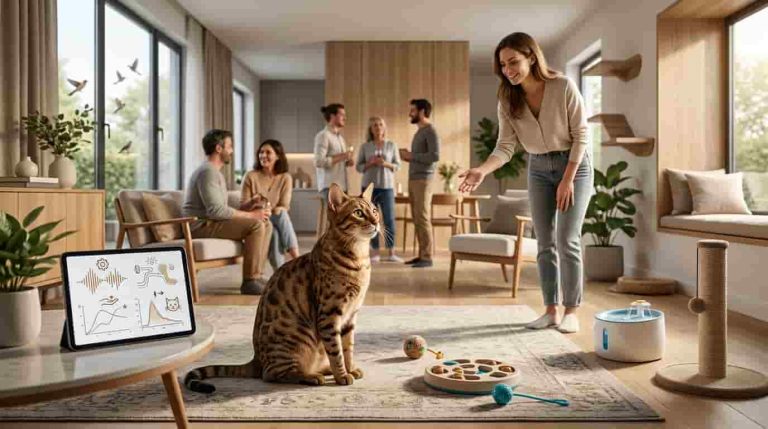
Cat separation anxiety is something most Nigerian cat owners never expect to deal with. You leave for work at seven in the morning. You battle Lagos traffic, sit through long meetings, and finally drag yourself home by eight at night. Meanwhile, your cat has spent thirteen hours completely alone in a flat with nothing but the ceiling fan and their own thoughts.
Cats have a reputation for being independent and self-sufficient. However, that reputation misleads many owners into thinking their cat feels perfectly fine being alone all day every single day. The reality is very different, especially for cats in Nigerian urban homes where outside access is limited and indoor environments are often small and unstimulating.
Cat separation anxiety develops gradually and quietly. Most owners do not notice the signs until the behaviour becomes impossible to ignore. Furthermore, Nigerian working schedules are among the most demanding in the world, with long commutes, extended office hours, and unpredictable return times that make consistent routines genuinely difficult to maintain.
This guide helps you recognise whether your cat is struggling emotionally while you work, understand why the Nigerian urban lifestyle creates specific anxiety triggers for cats, and build a practical daily routine that keeps your cat calm, stimulated, and genuinely content during your long working hours.
Cat Separation Anxiety: Recognising the Signs Before They Get Worse
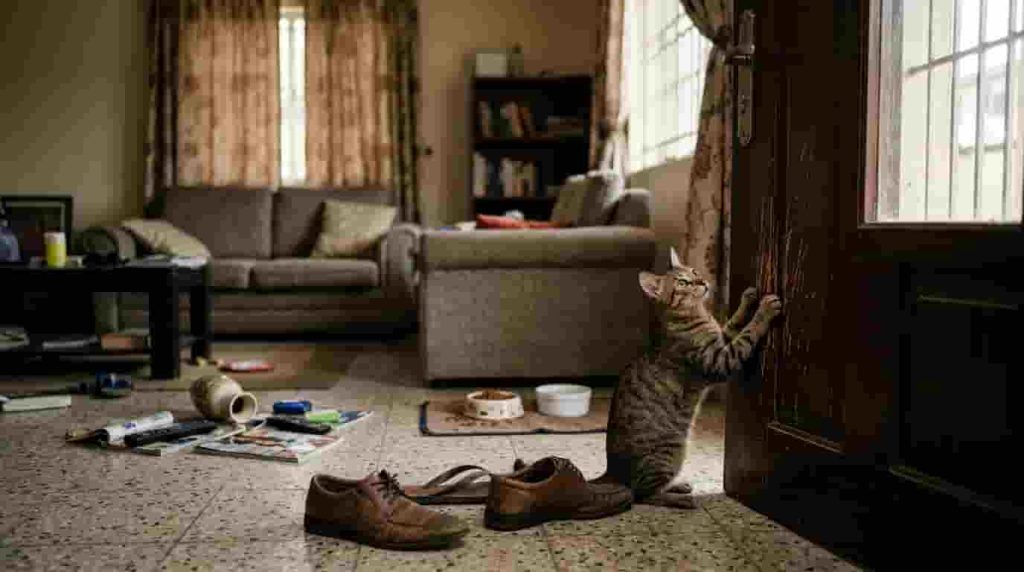
Cat separation anxiety does not always look the way owners expect. Many people imagine an anxious cat crying loudly at the door. In reality, most cats display much subtler signs that owners routinely miss or misread for weeks before the connection becomes clear.
Watch carefully for these cat anxiety symptoms:
- Excessive vocalisation immediately when you pick up your bag or keys, before you have even opened the door
- Over-grooming or patchy hair loss particularly along the belly, inner thighs, and base of the tail
- Inappropriate elimination where a previously litter-trained cat starts urinating on your shoes, bag, or clothing specifically
- Destructive behaviour including knocking items off surfaces, scratching furniture aggressively, or chewing unusual objects
- Clinginess upon return where your cat follows you from room to room and refuses to leave your side for hours after you arrive home
- Reduced appetite during the day while you are absent, with a sudden increase in eating the moment you return home
- Vomiting without a clear medical cause that happens repeatedly during your work hours rather than after meals
That last point surprises many owners. Stress causes genuine physical symptoms in cats, including nausea and vomiting, because chronic anxiety activates the same stress hormones that disrupt digestion in humans.
According to PetMD, signs of cat separation anxiety often intensify during periods when the owner’s routine changes, such as when a previously home-based owner starts a new office job or returns to work after a long holiday period at home. Many Nigerian cat owners experience exactly this transition when resuming work after Christmas or Eid breaks.
Why Nigerian Urban Life Creates Specific Anxiety Triggers for Cats
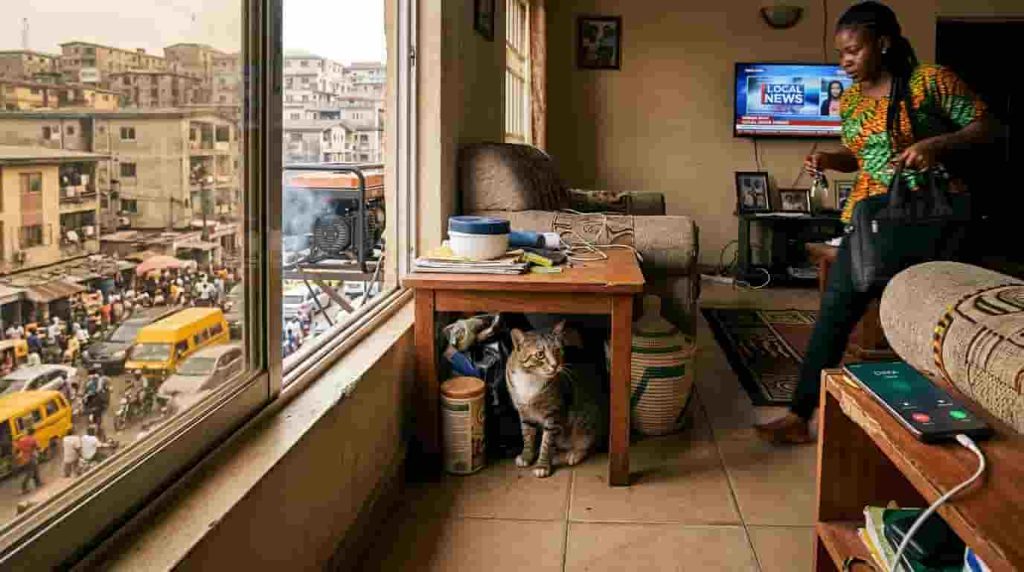
Cat separation anxiety does not develop equally in all environments. The specific conditions of Nigerian urban living create a set of circumstances that make domestic cats here particularly vulnerable to developing anxiety around owner absence.
Consider the average situation for a cat in a Lagos, Abuja, or Port Harcourt flat. The apartment is often compact with limited vertical space. Windows may stay closed most of the day for security reasons, cutting off outside stimulation entirely. Outdoor access is rarely an option due to traffic, compound safety concerns, and the real risk of theft. There are no other household animals in most single-cat homes. Street noise filters in inconsistently, alternating between overwhelming and completely silent.
This environment means your cat spends their entire day in a small, unchanging space with zero interaction, zero new stimulation, and zero opportunity to engage their natural hunting, exploring, or social instincts. Over time, this chronic under-stimulation combines with attachment to the owner to produce genuine feline separation anxiety that worsens with each passing week.
Additionally, Nigerian cat ownership culture still leans toward treating cats as low-maintenance background pets rather than emotionally complex companions requiring active daily engagement. This means many cats suffer quietly for months before their owner recognises the problem for what it actually is.
Practical Solutions for Busy Nigerian Cat Owners

The good news is that managing cat separation anxiety does not require expensive products or dramatic lifestyle changes. The most effective solutions fit naturally into a Nigerian working day with small, consistent adjustments that accumulate into a significant positive difference for your cat over time.
1. Build a predictable morning routine and stick to it daily.
Cats manage separation better when they can predict what happens each day. Feed your cat at the exact same time every morning. Leave at the same time whenever possible. Use the same departure cues in the same order each day. Predictability reduces anticipatory anxiety significantly because your cat’s nervous system learns that your departure always leads to your return.
2. Create environmental enrichment that lasts the full working day.
Your cat needs stimulation that works independently without requiring your presence to activate it. Practical options that work well in Nigerian homes include:
- Window perches positioned near a window with an outdoor view, even if the window stays closed
- Battery-powered automatic toys set on timers to activate at intervals during the day
- Paper bags, cardboard boxes, and tunnels left on the floor for independent exploration
- Puzzle feeders that release small amounts of food across multiple hours rather than one large morning meal
- A bird feeder or small potted plants placed on an outdoor ledge visible through the window
3. Leave a worn item of your clothing in your cat’s sleeping area.
Your scent provides genuine comfort to an anxious cat during your absence. A worn t-shirt or wrapper placed in their favourite resting spot gives them olfactory access to you throughout the day. This low-cost strategy produces surprisingly strong calming effects in cats with mild to moderate separation anxiety.
4. Use audio stimulation during your absence.
Leaving a television or radio on at low volume gives your cat background social stimulation that partially fills the silence of an empty flat. Nature documentaries and programmes featuring animal sounds work particularly well because they activate your cat’s attention at intervals without producing frightening noise levels. Many Nigerian cat owners report this single change reduces destructive behaviour noticeably.
Building a Realistic Evening Routine That Helps Your Cat Recover
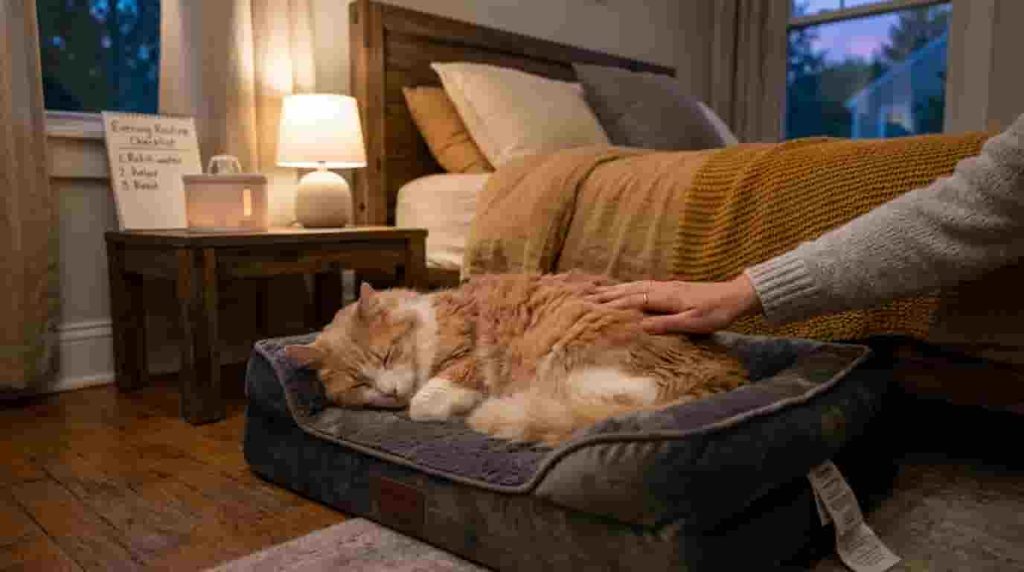
What you do when you return home matters as much as what you leave behind. Many busy Nigerian workers arrive home exhausted and immediately collapse on the sofa, which leaves their cat’s built-up social and physical need completely unmet for yet another evening.
Consider what happened to Emeka in Abuja. His three-year-old cat Zara began urinating on his work bag every time he stayed late at the office. Emeka initially assumed Zara was misbehaving out of spite. However, a vet visit confirmed Zara showed multiple signs of feline separation anxiety linked directly to his unpredictable return times and minimal evening engagement.
Emeka started two changes immediately. First, he bought an automatic feeder that released small meals at intervals throughout the day. Second, he committed to a ten minute wand toy session every single evening regardless of how tired he felt. Within three weeks Zara stopped marking his bag entirely. The consistency of that brief evening play session provided enough daily connection to reduce her anxiety to a manageable level.
Your evening routine does not need to be elaborate. Ten to fifteen minutes of focused interactive play using a wand toy or feather teaser satisfies your cat’s predatory and social needs simultaneously. Follow that play session with your cat’s main evening meal to replicate the natural hunt-catch-eat sequence their instincts expect. Your cat will settle into rest mode naturally after this sequence and spend less of the night seeking attention, which helps both of you sleep better.
Cats dealing with separation anxiety sometimes redirect their stress into other problematic behaviours including intense territorial marking around the home. Understanding cat scent marking helps you recognise whether the marking you see connects to anxiety rather than simple territorial instinct and respond in the right way. Similarly, anxious cats with excess unspent energy sometimes redirect that frustration into harder biting during the limited play time they do get. The guide on cat biting during play covers how to address this specific pattern without discouraging your cat from play altogether.
When to Involve Your Vet in Managing Feline Anxiety
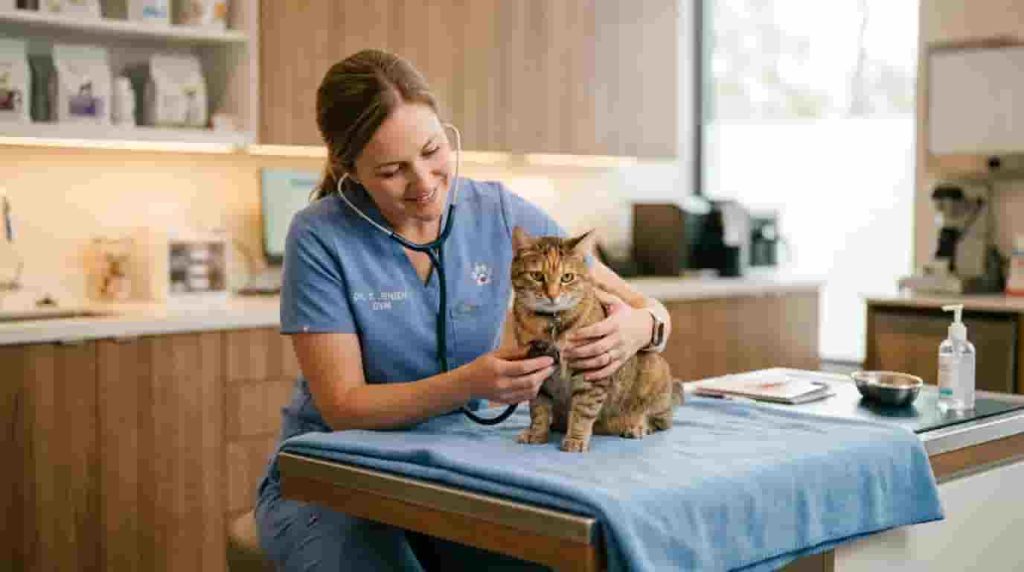
Home management strategies work well for mild to moderate cat separation anxiety. However, some cats require additional professional support to reach a stable and comfortable baseline, and recognising this early produces much better outcomes than waiting until the situation becomes severe.
Consult your vet if your cat shows:
- Hair loss significant enough to create visible bald patches on the skin
- Persistent vomiting or diarrhoea without any identified dietary cause
- Self-injurious grooming where the skin beneath over-groomed areas becomes raw or infected
- Complete food refusal lasting more than two consecutive days
- No improvement after four to six consistent weeks of environmental and routine changes
Your vet may recommend short-term anti-anxiety medication to help your cat’s nervous system calm enough for behavioural strategies to take effect properly. Additionally, synthetic pheromone products such as Feliway diffusers release calming chemical signals continuously and reduce baseline anxiety without requiring your presence to activate them.
The ASPCA recommends against making a big emotional fuss when you leave or return home, as over-the-top departures and arrivals actually reinforce your cat’s emotional association between your presence and high excitement. Calm, matter-of-fact hellos and goodbyes help your cat learn that your movements are normal and non-threatening rather than significant emotional events requiring a strong response.
For households considering adding a second cat as a companion solution, reading about cat jealousy signs prepares you for the introduction challenges that can temporarily worsen anxiety before settling into genuine companionship. Furthermore, anxious cats with high predatory drive sometimes channel their stress into intense hunting of small animals inside the home. The article on cat hunting geckos addresses specific health risks relevant to cats in Nigerian homes where wall geckos are common prey.
Conclusion
Cat separation anxiety is not a character flaw or a sign that your cat is spoilt or overly demanding. It is a genuine emotional response to prolonged isolation in an under-stimulating environment, and it is entirely manageable with the right daily habits in place.
Start with a predictable routine, add environmental enrichment that works independently throughout the day, and commit to a short focused play session every evening when you return home. These three changes alone produce dramatic improvements for most cats within four to six weeks of consistent application.
Managing cat separation anxiety fits into even the most demanding Nigerian working schedule because the most effective strategies require minutes rather than hours each day. Your cat needs quality connection, not endless quantities of your time.
Have you dealt with cat separation anxiety in your own home? Share your experience in the comments below and tell other Nigerian cat owners what helped your cat the most during your long working days!
Frequently Asked Questions
Watch for excessive vocalisation before you leave, over-grooming or hair loss, inappropriate elimination on your personal items, and extreme clinginess the moment you return home. These signs appearing specifically around your departure and arrival times point strongly toward feline separation anxiety rather than other behaviour problems. A veterinary assessment confirms the diagnosis and rules out underlying medical causes for the same symptoms.
Yes, cats genuinely develop separation anxiety as a recognised psychological condition, not simply a preference for your company. Prolonged daily isolation in a small unstimulating environment creates chronic stress that changes your cat’s behaviour, physical health, and emotional baseline over time. The condition responds well to structured environmental enrichment and consistent routine even without medication in most mild to moderate cases.
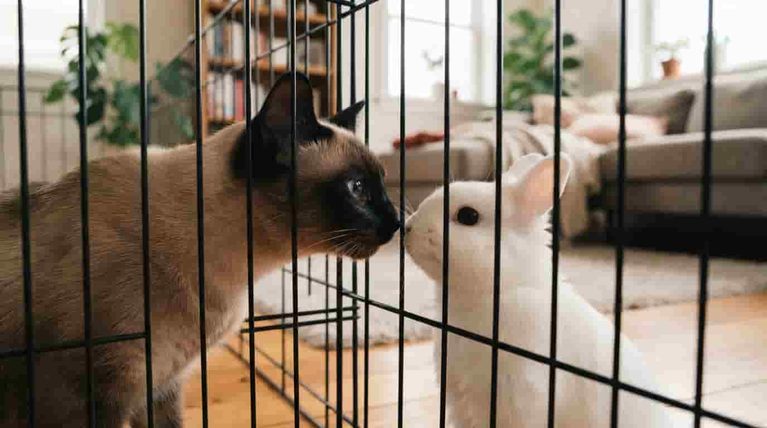
A second cat can help, but it is not guaranteed to solve separation anxiety and can temporarily create new stress during the introduction period. The anxious cat must feel fully settled in their home before any new cat arrives, and introductions need to happen gradually over several weeks. A well-matched companion reduces loneliness for some cats significantly while others prefer to remain the sole pet in the household.
Leaving a television or radio at low volume provides background stimulation that reduces the oppressive silence of an empty home for most cats. Nature programmes or channels featuring animal sounds work particularly well because they activate your cat’s attention intermittently without causing fright. Automatic battery-powered toys set on timers also provide unpredictable movement stimulation at intervals across the day.
No, punishment never helps and always makes anxiety-driven behaviour significantly worse. Your cat acts out because of genuine emotional distress rather than deliberate disobedience, so any punishment simply adds fear to an already anxious state. Focus entirely on enrichment, routine, and environmental support rather than corrections, and consult your vet if the behaviour does not improve with consistent positive strategies over four to six weeks.