Ragamuffin Cat: Personality, Price, Colors, Traits and Breed Differences
Introduction:
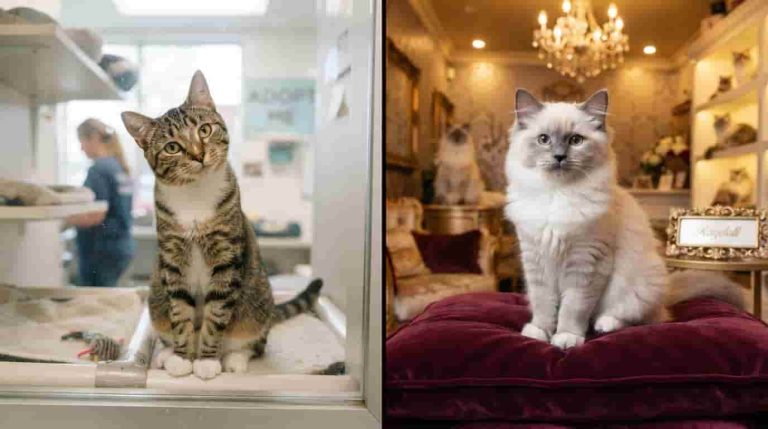
Ragamuffin Cat companions captivate feline enthusiasts around the globe with their plush, cloud-like coats, heavy-boned frames, and expressive, walnut-shaped eyes. Why do some cats combine a large, fluffy appearance with an unusually gentle, people-loving personality? For this distinct breed, that gentle nature is an intentional hallmark developed over decades of careful breeding. These sweet-tempered felines are famously devoted to their human families, often following owners from room to room, greeting visitors at the door, and collapsing into a purring heap of fur whenever a lap becomes available.
Understanding this affectionate giant requires looking closely at its history, physical features, daily care routines, and unique personality traits. While their luxurious coats and large builds give them a commanding presence in any room, their care requirements remain straightforward and accessible for dedicated owners. This comprehensive guide covers everything you need to know about the breed—from their early origins and standard coat colors to lifetime ownership costs, health considerations, kitten development, and how they differ from similar breeds—helping you determine if this sweet-natured cat is the perfect addition to your home.
What Is a Ragamuffin Cat?
The Ragamuffin Cat is a large, muscular domestic cat breed celebrated for its sweet expression, plush coat, and exceptionally docile temperament. Built like a heavy-boned teddy bear, the breed combines robust physical strength with an adaptable, gentle demeanor that makes it a standout companion among longhaired breeds.
Ragamuffin Breed Background
The history of the breed is closely intertwined with that of the Ragdoll. During the 1960s, breeder Ann Baker established the foundation stock that created pointed, docile cats known as Ragdolls. She established strict control over the breeding registry known as the International Ragdoll Cat Association (IRCA).
By the mid-1990s, a dedicated group of breeders sought to move away from the strict commercial restrictions and narrow color requirements imposed by the IRCA. These breeders wanted to expand the gene pool, improve overall genetic health, and allow for a wider array of coat colors and patterns while preserving the breed’s trademark sweet temperament and heavy build. Because the name “Ragdoll” was trademarked at the time, this new group named their diverse, affectionate felines the Ragamuffin. Registries such as the Cat Fanciers’ Association (CFA) and the American Cat Fanciers Association (ACFA) subsequently recognized them as an official, distinct breed.
In the 1960s, the breed began with initial foundation stock under the IRCA registry restrictions. By the mid-1990s, a reform group formed to move beyond these strict colorpoint limitations, ultimately establishing the Ragamuffin breed to encompass all coat colors and patterns.
What Makes a Cat a Ragamuffin?
A cat is defined as a Ragamuffin through a combination of physical standards and behavioral traits:
- Heavy-Boned Build: A rectangular body structure with a broad chest and a soft fatty pad on the lower abdomen.
- Walnut-Shaped Eyes: Large, expressive eyes shaped like walnuts rather than pure ovals or circles.
- Plush, Low-Matting Coat: Dense, medium-long fur that feels like soft velvet.
- Friendly Expression: Sweet, open facial contours with puffiness in the whisper pads.
- Docile Temperament: A calm, trusting nature that thrives on human affection and gentle handling.
What Two Breeds Make a Ragamuffin Cat?
When exploring origin stories, prospective owners often ask: What two breeds make a Ragamuffin cat?
Historically, the breed was not created by simply crossing two modern breeds together. Instead, the foundation line split from original IRCA Ragdoll stock in the 1990s. To broaden the genetic foundation and enhance overall health, breeders carefully outcrossed these cats with Persians, Himalayans, Domestic Longhairs, and original Ragdoll lines. This strategic outcrossing created a genetically diverse, healthy breed while maintaining the prized size, coat quality, and gentle nature.
Ragamuffin Cat Characteristics and Appearance
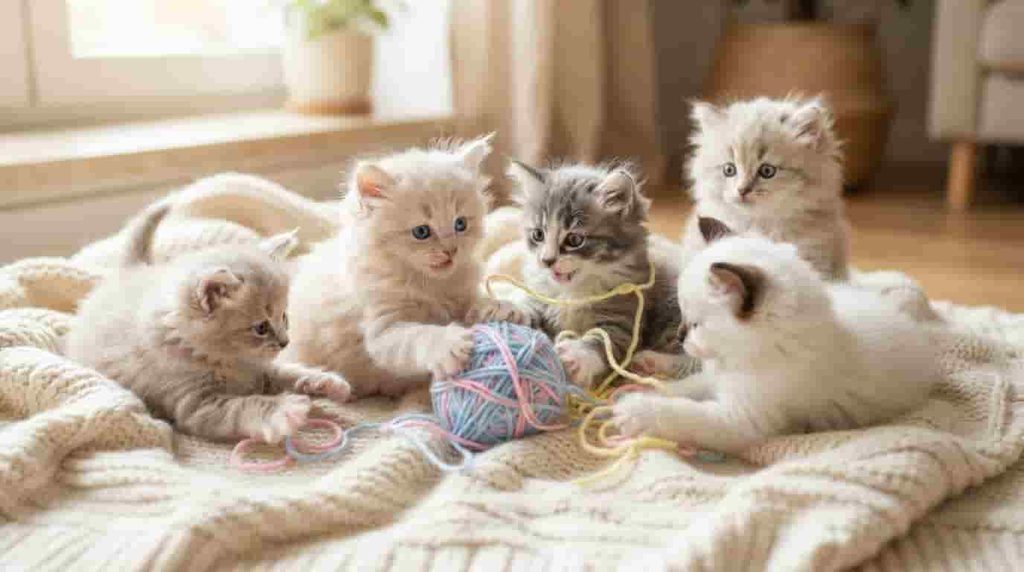
The physical presence of this breed is a study in power wrapped in soft fur. They are substantial animals that take several years to reach their full adult frame.
Ragamuffin Cat Size
This breed ranks among the largest domestic felines. Their physical growth is gradual, taking between three and five years to fully mature in frame, muscle density, and coat length.
- Male Weight: 15 to 20+ pounds (6.8 to 9.1+ kg).
- Female Weight: 10 to 15 pounds (4.5 to 6.8 kg).
- Overall Structure: Long, broad, and heavy-boned with broad shoulders and a prominent belly pad.
Their substantial weight can catch people off guard when they lift them; despite their soft, airy fur, they feel solid and heavy-boned.
Face and Body Features
The facial structure of the breed is distinctively sweet and rounded. Key features include:
- Head Shape: A broad, modified wedge with rounded contours and broad cheekbones.
- Muzzle: Short and rounded with characteristic puffy whisper pads that create a cheerful appearance.
- Eyes: Large, walnut-shaped eyes that are set wide apart, conveying an open, trusting expression.
- Ears: Medium-sized, set slightly forward, with moderate tilt and rounded tips.
- Tail: Long, fully plumed, and proportioned to balance their long body frame.
Ragamuffin Coat
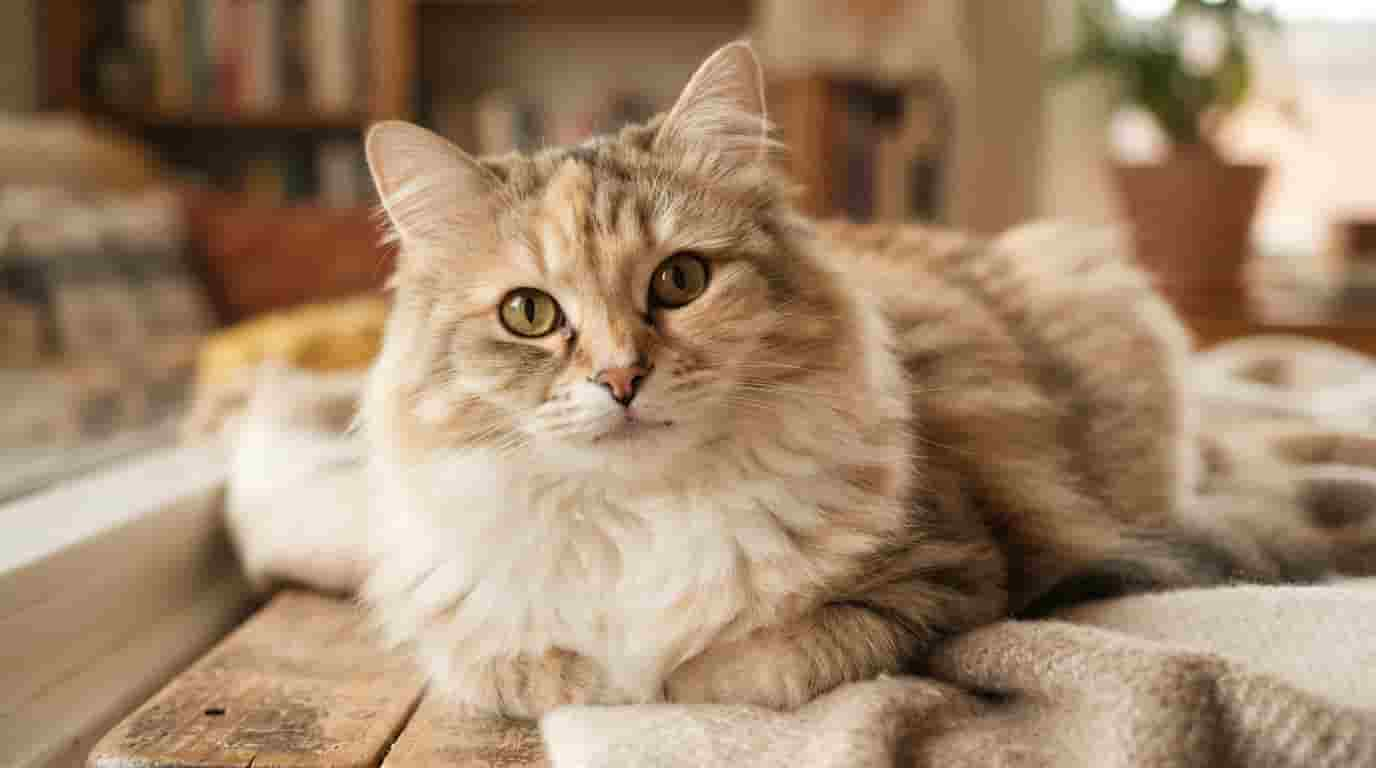
The coat is medium-long to long, exceptionally dense, and plush. Its texture feels similar to a soft rabbit pelt.
- Undercoat: Features a soft, moderate undercoat that gives the fur loft without causing severe matting.
- Neck Ruff: A noticeable ruff frames the neck and chin, growing thicker in winter months.
- Leg Furnishings: Fur forms “knickerbockers” or plush feathering on the hind legs.
- Texture: Silky, plush, and resistant to severe tangles when given basic care.
How to Identify a Ragamuffin Cat
Identifying this breed requires assessing multiple physical standards together:
- Substantial Rectangular Frame: Broad chest and sturdy torso that feels firm and heavy.
- Abdominal Fatty Pad: A soft pad of tissue on the lower belly, which is a recognized breed characteristic rather than mere weight gain.
- Walnut Eyes: Large, slightly tilted eyes that come in various vibrant colors.
- Plush All-Over Fur: A dense, velvet-like coat that covers the entire body in any coat color or pattern.
Note: Physical traits alone cannot guarantee pedigree status; official registration papers from established feline registries are necessary to confirm purebred lineage.
Ragamuffin Cat Colors and Patterns
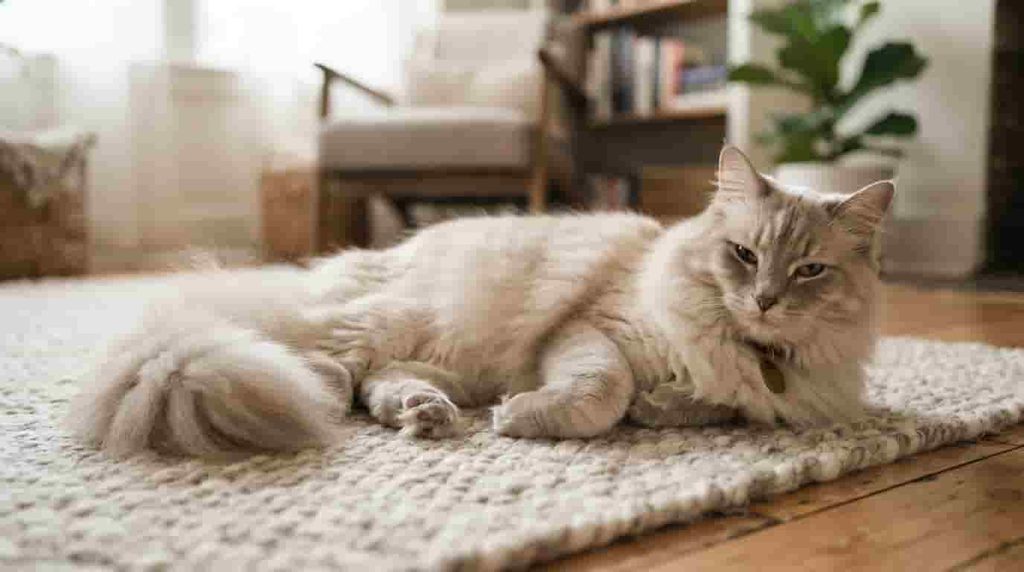
Unlike breeds constrained by strict color rules, this breed is celebrated for its rich variety of coat shades and pattern variations.
Common Ragamuffin Cat Colors
Registries permit virtually every recognized feline coat color and pattern:
- Solid: Pure White, Jet Black, Warm Blue/Grey, Red, Cream, Chocolate, and Lilac.
- Tabby: Classic, Mackerel, and Ticked tabby patterns in brown, silver, blue, and red.
- Tortoiseshell & Calico: Vibrant mixtures of black, red, cream, and white patches.
- Mink & Sepia: Rich, warm coat tones with soft, contrasting body shading.
- Pointed: Traditional colorpoint markings on ears, face, legs, and tail, with or without white mittens.
How Much Can Coat Color Vary?
Because the breed allows for extensive genetic diversity, two kittens from the same litter can look completely different. One kitten may feature a striking calico pattern with green eyes, while a sibling sports a mink tabby coat with aqua eyes.
Furthermore, coat color continues to evolve as kittens mature. Pointed and mink kittens are born pale or white, developing their true color depth and pattern richness over their first two years of life.
Choosing a Ragamuffin Based on Appearance
While coat color variations are fascinating, selection should prioritize health, temperament, and lifestyle compatibility over aesthetics.
- Focus on finding a kitten with a bold, curious, and sweet personality.
- Remember that dark coats show loose fur on light furniture, while white coats show on dark fabrics.
- Ensure your chosen breeder provides verified health documentation regardless of the kitten’s coat color.
Ragamuffin Cat Personality and Temperament
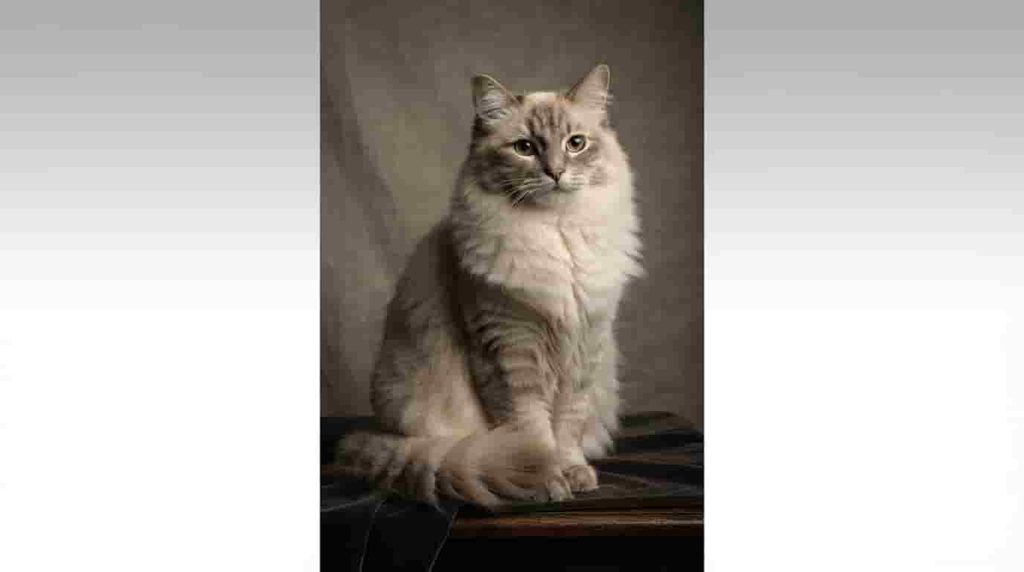
The personality of the breed is one of its greatest assets. These cats are famous for their affectionate, calm, and deeply companionable nature.
What Is a Ragamuffin Personality Like?
Often described as gentle companions, these cats crave human connection without becoming overly vocal or demanding. They follow family members from room to room, sit on laps during quiet evenings, and cuddle close at night.
Their demeanor is steady, cheerful, and highly adaptable. They communicate through quiet purrs and soft, chirping meows rather than loud vocalizations, making them wonderful apartment companions.
Are Ragamuffin Cats Good Family Cats?
Their tolerant nature makes them an excellent fit for busy households with children and other pets. Gentle handling encourages calm social bonding, ultimately fostering a deeply devoted family companion.
- With Children: They tolerate gentle handling well and often join in children’s games. Kids should always be taught to support their heavy hindquarters when holding them.
- With Other Cats: Their peaceful disposition minimizes territorial disputes with other resident felines.
- With Dogs: They adapt well to cat-friendly dogs, often curling up with them for naps once properly introduced.
Do Ragamuffin Cats Like Being Held?
Most members of this breed enjoy physical affection and love being held, often going limp in their owner’s arms when held gently. However, every cat is an individual:
- Start handling kittens gently from an early age to build comfort with being carried.
- Always support their lower body and chest to accommodate their substantial weight.
- Pay attention to subtle body language; release the cat if it shows signs of distress or restlessness.
Ragamuffin Personality vs. Appearance
While the breed standard emphasizes a calm, loving temperament, environment and early socialization play huge roles in shaping personality. A fluffy coat and sweet expression do not automatically guarantee a docile cat if the kitten was raised without adequate human contact.
Ragamuffin Cats for Sale, Adoption, and Breeders
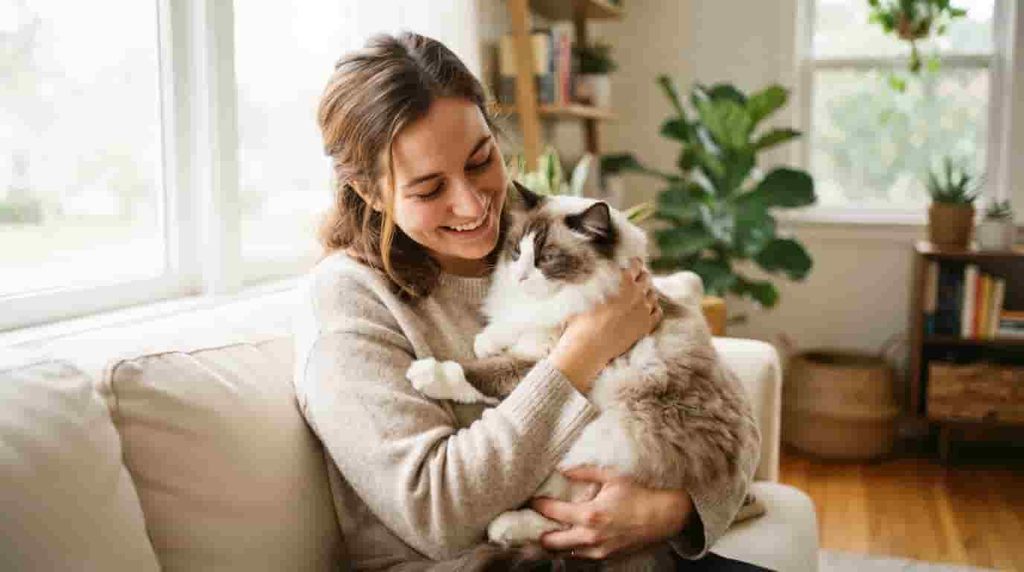
Finding a healthy, well-socialized kitten requires patience, research, and careful breeder evaluation.
Ragamuffin Cats for Sale
When searching for available kittens, focus on ethical practices over convenience or price discounts. Responsible breeders raise kittens inside their homes as family members, ensuring early exposure to normal household sounds, children, and visitors.
Avoid online market listings or pet stores that offer immediate shipping without health documentation, as these are common signs of kitten mills.
How to Find a Ragamuffin Cat Breeder
Use a structured verification process when selecting a breeder:
- Registry Affiliation: Verify active membership in recognized organizations such as CFA or ACFA.
- Health Testing: Confirm that parent cats are screened for genetic conditions like Hypertrophic Cardiomyopathy (HCM).
- Environment: Visit the cattery (in person or via live video) to assess cleanliness, crowding, and kitten socialization.
- Release Age: Responsible breeders keep kittens until they are 12 to 16 weeks old, fully vaccinated, and socially mature.
- Contracts: Expect a written contract outlining health guarantees and a requirement to return the cat if you can no longer care for it.
Ragamuffin Cats Near Me
Because this is a specialized breed, finding a local breeder can be challenging. Rather than relying on simple internet searches, consult official registry breeder directories or attend local cat shows to meet ethical breeders in person. Be prepared to join a waiting list or travel to collect your kitten.
Ragamuffin Cat Adoption
Adopting an adult or mixed-breed cat through a rescue organization is a rewarding option:
- Breed Rescues: Specialized breed rescue networks occasionally rehome adult purebreds due to owner lifestyle changes.
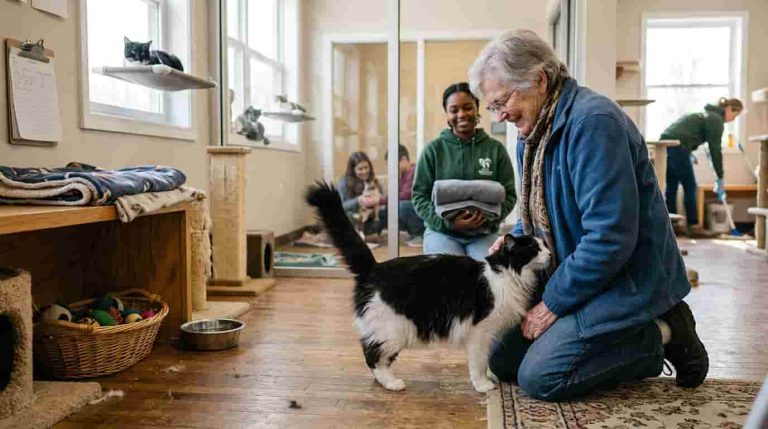
- Local Shelters: General shelters frequently house longhaired, sweet-tempered adult cats needing loving homes.
- Adoption Benefits: Adult cats have established personalities, lower adoption fees ($100–$300), and typically come spayed/neutered and fully vaccinated.
How Much Does a Ragamuffin Cat Cost?
Understanding initial acquisition costs and ongoing maintenance expenses helps ensure a smooth transition for your household budget.
Ragamuffin Cat Price
A purebred kitten from a reputable breeder generally costs between $1,200 and $2,200 USD. Prices vary based on several key factors:
- Lineage & Pedigree: Championship bloodlines or show-prospect kittens command higher prices ($2,000–$3,000+).
- Breeder Health Testing: Investments in genetic testing, echocardiograms, and routine vet care are reflected in purchase prices.
- Geographic Location: Regional cost-of-living differences impact overall breeder pricing structure.
Are Ragamuffin Cats Expensive?
Yes, they are considered an investment compared to domestic shorthairs. However, purchase price is only one part of the equation:
- Initial Costs: Purchase price, spay/neuter surgery, carrier, scratch posts, litter boxes, and initial vaccines.
- Ongoing Care: High-protein nutrition, quality litter, routine vet visits, grooming tools, and enrichment supplies.
- Emergency Medical Care: Budgeting or pet insurance for unexpected veterinary care.
The Real Cost of Owning a Ragamuffin
The average yearly cost to care for an adult cat breaks down as follows:
- High-Protein Food: $400 – $700 / year
- Dust-Free Litter: $200 – $350 / year
- Routine Vet Care & Vaccines: $250 – $500 / year
- Parasite Prevention: $150 – $250 / year
- Grooming Supplies & Toys: $75 – $150 / year
- Estimated Annual Total:$1,075 – $1,950 / year
Ragamuffin Cat Care and Grooming
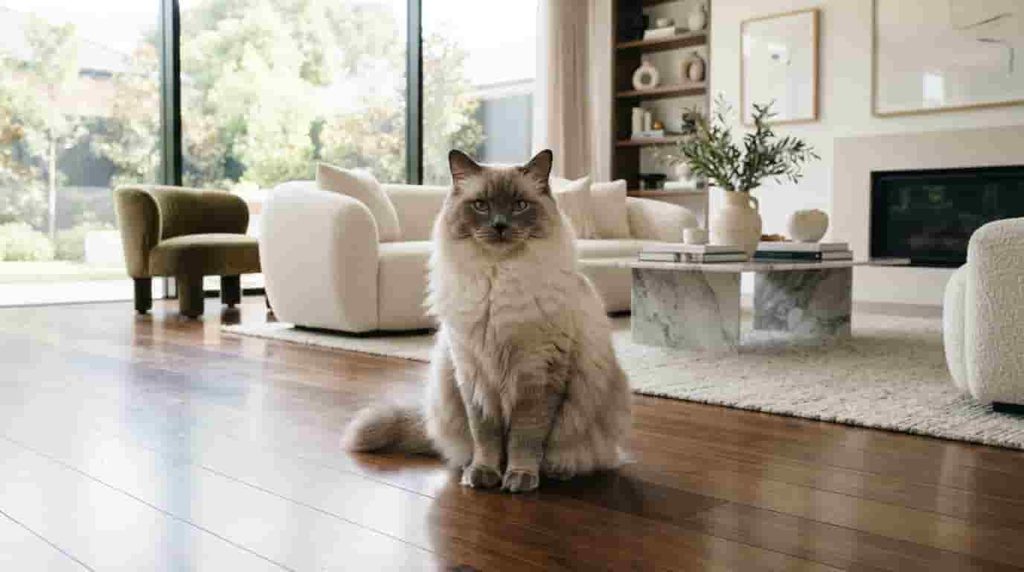
Despite their glamorous appearance, keeping these longhaired cats comfortable requires a simple, consistent routine.
Ragamuffin Cat Grooming
Their soft, plush coat is resistant to severe matting, but regular grooming is necessary to remove dead hair and reduce hairballs.
- Brushing Schedule: Brush two to three times weekly using a stainless-steel wide-tooth comb followed by a soft slicker brush.
- High-Friction Areas: Check for small tangles behind ears, under armpits, and along the inner thighs.
- Nail Care: Trim claw tips every two to three weeks with pet nail clippers.
- Ear Inspections: Wipe outer ear areas weekly using a damp cotton pad or vet-approved ear wipe.
- Dental Care: Brush teeth several times weekly with feline-safe toothpaste to maintain oral health.
Basic Ragamuffin Cat Care
Daily care routines should support their health and large physical size:
- Litter Box Size: Provide extra-large or jumbo litter boxes to comfortably fit their long bodies.
- Hydration: Supply fresh, running water via a stainless-steel or ceramic water fountain to encourage drinking.
- Dietary Quality: Feed a balanced, high-protein diet designed for their age and activity level, avoiding excessive free-feeding.
Exercise and Mental Stimulation
While calm, adults need regular exercise to keep their muscles strong and weight manageable:
- Interactive Toys: Wand toys, laser pointers, and feather teasers encourage active jumping and running.
- Sturdy Cat Trees: Invest in wide-based, heavy-duty cat trees that support 20-pound cats safely.
- Puzzle Feeders: Use treat-dispensing toys during mealtimes to keep their smart minds active.
Common Grooming Mistakes
Avoid these common mistakes when managing long coats:
- Neglecting Undercoat Care: Brushing only top fur while ignoring the underlying coat leads to hidden matting.
- Forcing Grooming Sessions: Pushing a stressed cat creates negative associations with grooming tools.
- Using Human Scissors: Attempting to cut out mats with scissors risks tearing delicate skin; use a mat splitter or consult a professional groomer instead.
Ragamuffin Kittens: What Owners Should Know
Raising a kitten is a joyful journey that requires patience as they grow into their substantial adult frame.
What Are Ragamuffin Kittens Like?
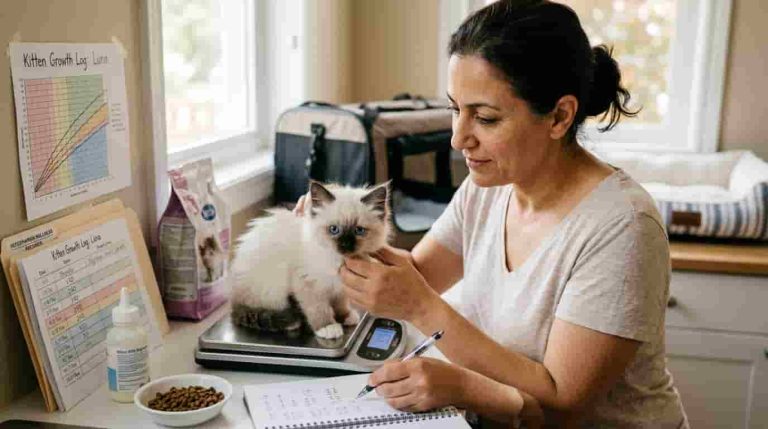
Kittens are playful, curious, and energetic. While adult cats are calm, young kittens love exploring, chasing toys, and testing boundaries. They mature slowly, remaining playful and gangly for several years before developing their full adult weight and thick winter coat.
Choosing a Healthy Kitten
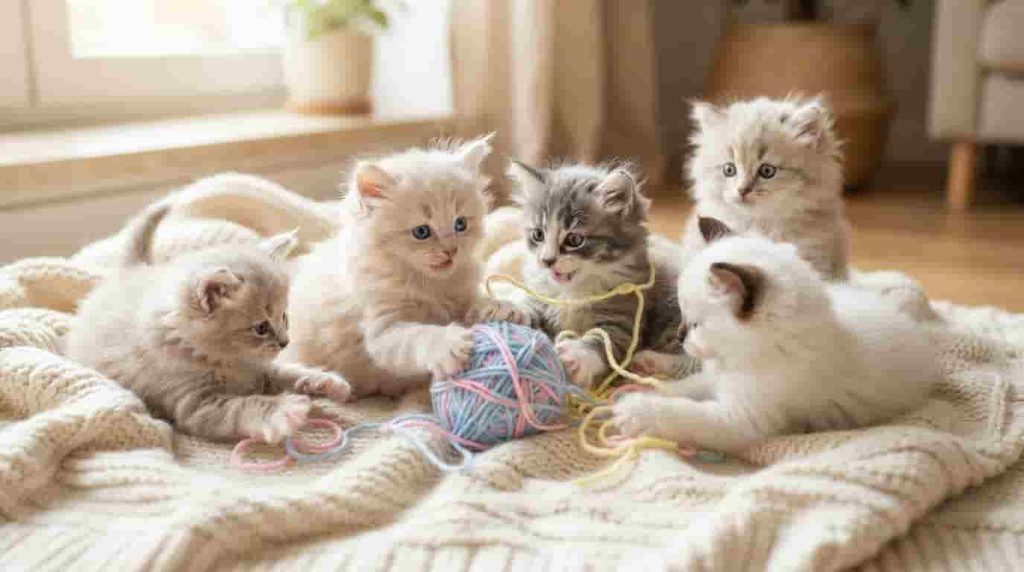
When inspecting a litter, look for signs of vibrant health and good care:
- Clear, bright eyes with no watery discharge or cloudiness
- Clean ears free of dark, coffee-ground-like wax buildup
- Soft, clean coat with no sign of fleas, dander, or skin irritation
- Playful, curious attitude without extreme fearfulness or lethargy
- Complete veterinary records detailing vaccinations and deworming treatments
Preparing Your Home
Prepare your home before bringing your kitten home:
- Set up a quiet, safe room with food, water, a low-entry litter tray, and a cozy bed.
- Remove exposed electrical cords, toxic houseplants, and small swallowable objects.
- Purchase age-appropriate kitten food, grooming tools, and interactive toys.
Ragamuffin Cat Health and General Well-Being
These cats are generally robust and healthy, but like all purebred felines, they can be vulnerable to specific genetic conditions.
General Health Considerations
To support long-term wellness, owners should stay informed about potential health concerns:
- Hypertrophic Cardiomyopathy (HCM): A hereditary heart condition where heart muscle walls thicken abnormally over time. Responsible breeders use DNA testing and regular cardiac ultrasounds to screen breeding stock.
- Polycystic Kidney Disease (PKD): An inherited disease where fluid-filled cysts form within kidney tissue, potentially affecting kidney function. Genetic screening helps breeders eliminate this condition from bloodlines.
- Obesity: Their large frame and calm disposition make them susceptible to excess weight gain, which strains joints and organs.
- Periodontal Disease: Bacterial inflammation of the gums, which is manageable through regular teeth brushing and professional dental checkups.
When Should an Owner Contact a Veterinarian?
Seek prompt veterinary attention if your cat shows any of the following warning signs:
- Straining, crying, or inability to urinate (an immediate medical emergency)
- Complete loss of appetite or refusal to drink water for over 24 hours
- Open-mouth breathing, panting, or labored respiration
- Sudden weakness, unsteadiness, or dragging of the hind legs
- Persistent vomiting, severe diarrhea, or unexplained lethargy
Choosing a Responsible Breeder
Genetic health starts with ethical breeding practices. Always select breeders who provide documented proof of HCM and PKD genetic clearance for parent cats, offer written health guarantees, and maintain complete veterinary care records.
Ragamuffin vs Ragdoll: What Is the Difference?
Because of their shared origins, these two breeds are frequently confused. However, distinct differences exist between them.
Ragamuffin vs. Ragdoll Appearance
- Coat Colors & Patterns: Ragdolls are restricted strictly to pointed patterns with blue eyes. The Ragamuffin allows every coat color and pattern combination (including solid, tabby, calico, and mink) paired with any eye color.
- Head & Eye Shape: Ragdolls feature flat planes between their ears and oval eyes. Ragamuffins possess rounded forehead contours with expressive, walnut-shaped eyes.
- Body Structure: While both are large, the Ragamuffin has a slightly heavier bone structure with a prominent abdominal fatty pad.
Ragamuffin vs. Ragdoll Personality
Both breeds are extraordinarily gentle, loving, and human-oriented. However, Ragamuffins are often described as slightly more playful, outgoing, and adaptable in busy households, whereas Ragdolls tend to be somewhat more placid and serene.
Breed History and Recognition
While both breeds share early 1960s foundation stock, they split into distinct breeds in the 1990s when Ragamuffin breeders established an independent registry to allow outcrossing and accept all coat colors. Mainstream registries recognize both as separate purebred breeds today.
Which Breed Fits Which Household?
| Lifestyle Consideration | Ragamuffin Cat | Ragdoll Cat |
| Coat Preferences | Wants any color/pattern (calico, solid, tabby) | Prefers classic pointed coat with blue eyes |
| Eye Color Flexibility | Loves green, amber, gold, or heterochromia eyes | Requires vivid blue eyes by breed standard |
| Household Activity | Thrives in active homes with kids and dogs | Prefers calm, predictable environments |
| Pedigree Choice | Wants outcrossed genetic diversity | Prefers classic pedigree history |
For a deeper dive into pointed coats, blue eyes, and care needs, read our detailed guide: Ragdoll Cat: Size, Price, Personality, Colors and What Makes Them Special
Ragamuffin vs Other Similar Cats
Comparing similar breeds highlights unique differences across longhaired felines.
Ragamuffin vs. Snowshoe
The Ragamuffin and the Snowshoe represent entirely different physical profiles:
- Size and Weight: The Ragamuffin is a large, heavy-boned breed (10–20+ lbs), whereas the Snowshoe is a medium-sized, athletic cat (7–12 lbs).
- Coat Length: The Ragamuffin carries a plush, dense semi-long coat. The Snowshoe features a short, smooth coat that lies close to the body.
- Markings: The Snowshoe is defined by pointed coloration with white inverted “V” facial markings and white feet, while the Ragamuffin displays diverse colors and patterns.
To explore short-coated pointed breeds with unique white feet, see our guide: Snowshoe Cat: Personality, Price, Lifespan, Health Issues and Characteristics
Is a Ragamuffin Cat Right for You?
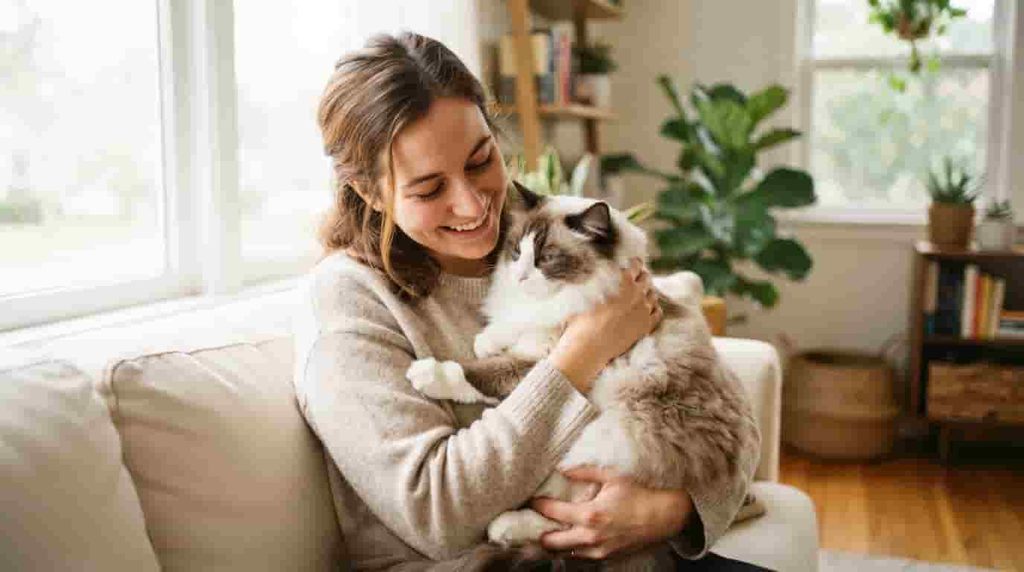
Evaluating your household routine helps determine if this calm giant is a good fit for your life.
A Ragamuffin May Fit Your Household If You Want:
- A large, affectionate companion that loves lap time and family interaction.
- A soft-spoken cat with a cheerful, gentle temperament.
- A cat that adapts well to children, dogs, and indoor living.
- A longhaired breed with a coat that is relatively easy to care for.
- A breed available in a wide variety of coat colors and eye shades.
Things to Consider First
- Social Needs: They dislike being left alone for long workdays without companionship.
- Grooming Time: Weekly brushing is necessary to keep their coat healthy and tangle-free.
- Financial Commitment: Their large size means higher costs for food, oversized gear, and medical care over 15+ years.
Quick Owner Checklist
- Do I have time for regular brushing sessions each week?
- Can my budget cover lifetime food, litter, and veterinary costs?
- Is my home set up for an indoor-only cat?
- Can I offer daily play, affection, and interaction?
Frequently Asked Questions
What two breeds make a Ragamuffin cat?
The breed developed from original IRCA Ragdoll stock outcrossed with Persians, Himalayans, and Domestic Longhairs during the 1990s. This outcrossing expanded the gene pool while preserving their large size and sweet demeanor.
What makes a cat a Ragamuffin?
It is defined by a large, heavy-boned rectangular body, walnut-shaped eyes, plush velvet-like fur in any color or pattern, and an exceptionally gentle, loving personality.
Are Ragamuffin cats expensive?
Yes, purebred kittens from ethical breeders cost between $1,200 and $2,200. Annual care costs range from $1,000 to $1,900 for quality food, litter, grooming tools, and vet care.
What is the difference between a Ragdoll and a Ragamuffin?
Ragdolls are restricted to pointed patterns with blue eyes, while Ragamuffins come in all colors and patterns with various eye shades. Ragamuffins also feature walnut-shaped eyes and a slightly heavier bone structure.
How big does a Ragamuffin cat get?
Males weigh 15 to 20+ pounds (6.8 to 9.1+ kg), while females weigh 10 to 15 pounds (4.5 to 6.8 kg). They grow slowly, taking three to five years to reach full adult size.
Conclusion
The Ragamuffin Cat is a wonderful breed that blends teddy-bear looks with a loving, devoted personality. Their plush coats, expressive walnut eyes, and calm nature make them cherished companions for families, seniors, and multi-pet households alike. While their size and long fur require regular grooming and financial preparation, their sweet companionship makes every bit of effort worthwhile.
By choosing an ethical breeder or adoption organization, providing high-quality nutrition, and keeping up with routine veterinary care, you can enjoy a wonderful bond with your cat for many years.
Do you live with a Ragamuffin Cat, or are you planning to welcome a new kitten into your home soon? Share your thoughts, questions, or stories in the comments below!