5 Reasons Black Cats Were Linked To Witchcraft
Introduction:
Black Cat witchcraft lore raises questions when dark felines walk through quiet rooms during dark night hours. Why did peaceful indoor pets become feared symbols of dark magic across Western Europe centuries ago?
You wake up at two in the morning to grab a quick glass of cold water. Suddenly, dark yellow eyes reflect candlelight from a pitch-black hallway corner.
Your heart skips a beat before you realize your harmless dark pet stands right there. Feline owners today laugh off these jump scares during quiet nighttime hours.
However, medieval villagers panicked when dark animals appeared without warning in dark village streets. Church leaders wrote scary books claiming dark animals served sorcerers in dark arts rituals.
Scared communities blamed innocent dark felines for bad weather, failed crops, and sudden illness. Yet, modern history proves these dark myths grew out of misunderstanding basic animal behavior.
Uncovering these historical fears helps pet lovers appreciate dark animals without ancient superstitious anxiety. Let us explore five clear reasons why medieval communities linked dark felines to sorcery and dark magic.
1. Silent Night Hunting Habits Triggered Dark Magic Suspicions
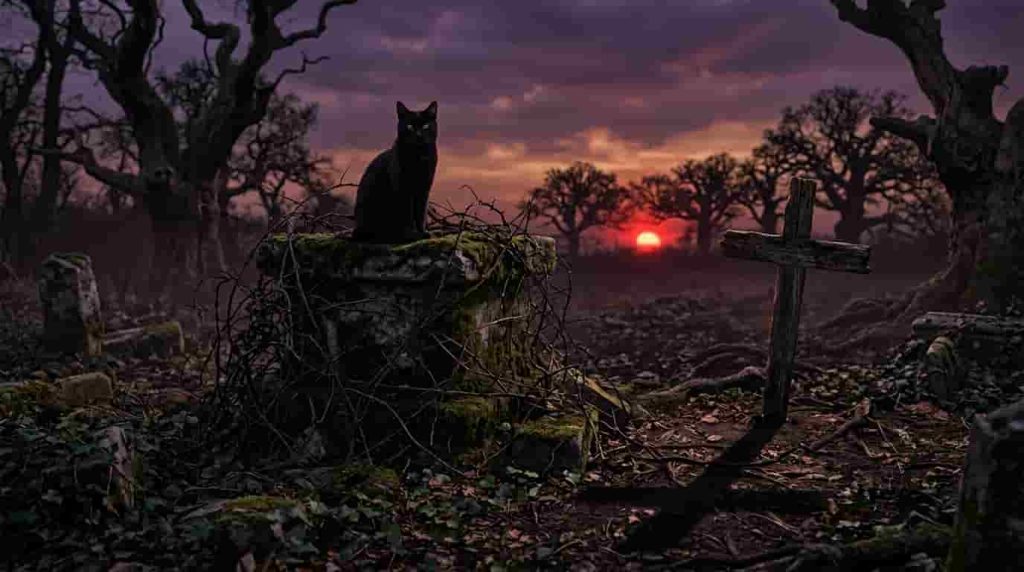
Medieval villagers possessed primitive candle lighting that left stone streets completely dark after sunset. Consequently, villagers struggled to see anything moving through narrow alleyways at midnight.
Dark felines moved through dark shadows effortlessly because glossy black coats provided perfect natural camouflage. Villagers walked down unlit paths and tripped over sleeping animals sitting silently in shadows.
Exploring Black Cat Symbolism in Medieval Village Folklore
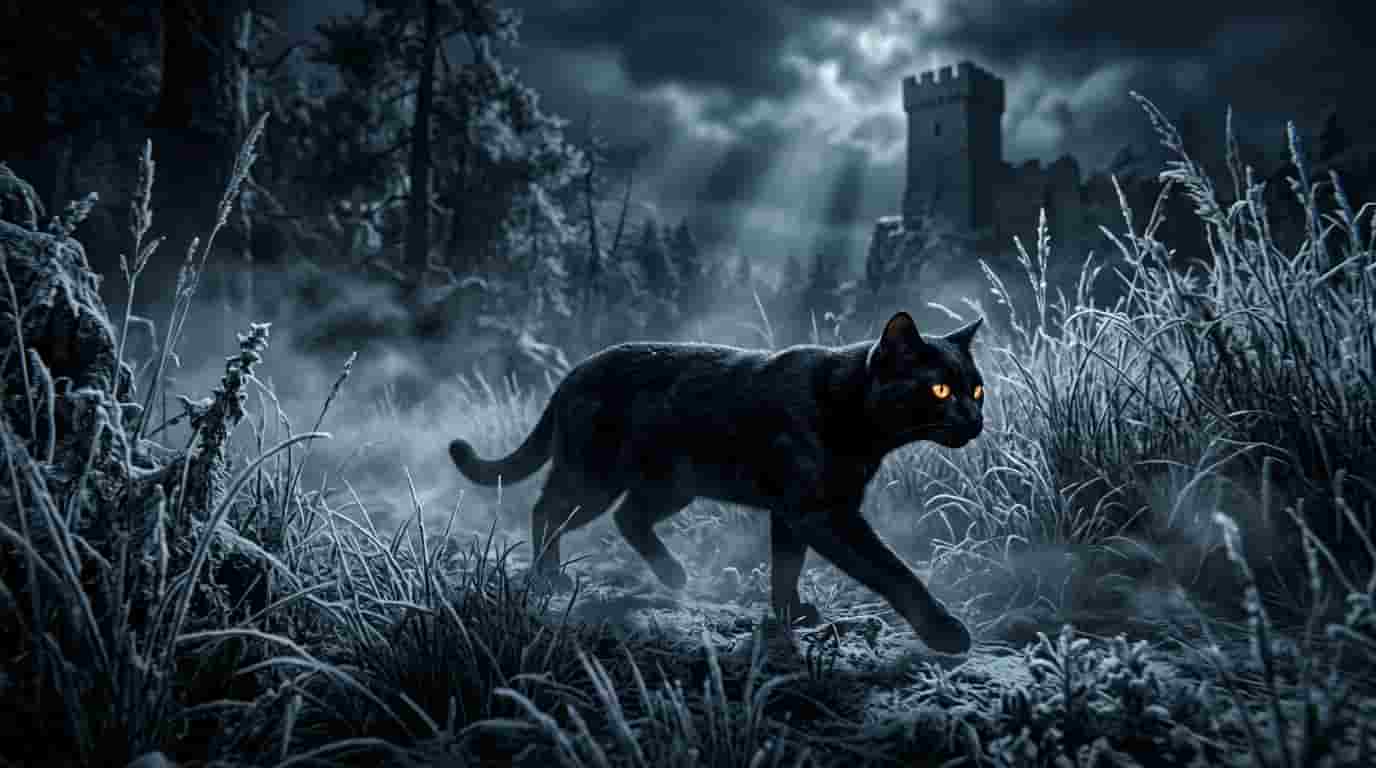
Understanding historical black cat symbolism reveals why night hunting behavior terrified early European communities. Dark felines moved silently, catching fast mice without making loud sounds in pitch darkness.
Villagers could not see dark bodies moving across unlit roads late at night. Instead, people saw glowing yellow eyes floating through darkness without visible physical legs attached.
This terrifying visual trick led nervous villagers to assume dark animals possessed supernatural powers. You can discover how dark legends spread worldwide by reading 7 Black Cat Superstitions From Around The World right now.
Fear of dark night hours turned basic rodent hunting into evidence of dark magic rituals.
2. Solitary Women Kept Black Cat Familiars for Protection

Elderly women living alone in rural European villages often adopted stray dark animals for quiet companionship. These women usually collected wild forest plants to brew healing remedies for sick neighbors.
Village healers lived outside community social circles, raising suspicion among strict religious leaders. Dark animals stayed close to these women while they gathered medicinal plants in quiet woods.
Uncovering Black Cat Folklore in Historical Herbalist Traditions
Studying ancient black cat folklore shows how innocent companionship turned into dangerous rumors of dark magic. Church leaders labeled quiet pet companions as black cat familiars sent by evil spirits.
Suspicious neighbors claimed healers used animals to deliver curses and carry out harmful witchcraft spells. Consequently, owning a dark pet became dangerous evidence during European witch trials.
You can explore how modern science debunks ancient health stories by reading 6 Cat Myths People Still Believe Today today.
Veterinary experts at the Cornell Feline Health Center note that felines form strong emotional attachments with humans. Innocent pets simply sought warmth, protection, and steady food from kind herbalists living nearby.
Misunderstanding natural pet bonding turned sweet daily affection into dangerous criminal accusations.
3. Papal Decrees Officially Connected Dark Felines to Witchcraft
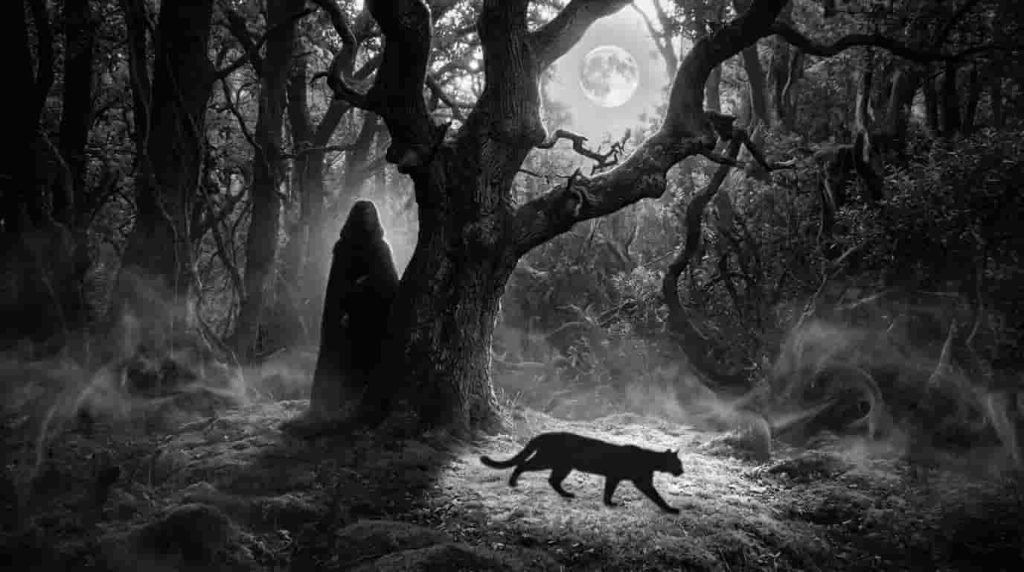
Pope Gregory IX issued an official church decree titled Vox in Rama during thirteen thirty-three. This influential document claimed dark felines served as physical representations of evil forces during secret rituals.
Religious leaders ordered followers to eradicate dark felines from towns to cleanse communities from evil influence. Therefore, religious zealots hunted dark animals across European cities for over two hundred years.
Analyzing Black Cat Magic Allegations in Religious History
Analyzing historic claims of black cat magic highlights how official authority fueled widespread public panic. The decree instructed villagers to capture dark pets and destroy them during public religious gatherings.
Massive reductions in feline populations allowed plague-carrying rat colonies to multiply rapidly across Europe. Ironically, destroying pets caused the terrible Black Death pandemic that killed millions of humans.
- Papal decrees declared dark pets dangerous evil symbols during thirteenth century Europe.
- Public hunts reduced domestic feline populations across major European trading cities drastically.
- Decreased feline presence allowed rat populations to spread deadly disease fleas rapidly.
- Widespread panic cost millions of human lives due to unchecked plague bacteria infections.
Official religious statements transformed harmless house pets into targets of widespread historical violence.
4. Shape Shifting Legends Claimed Witches Became Dark Animals
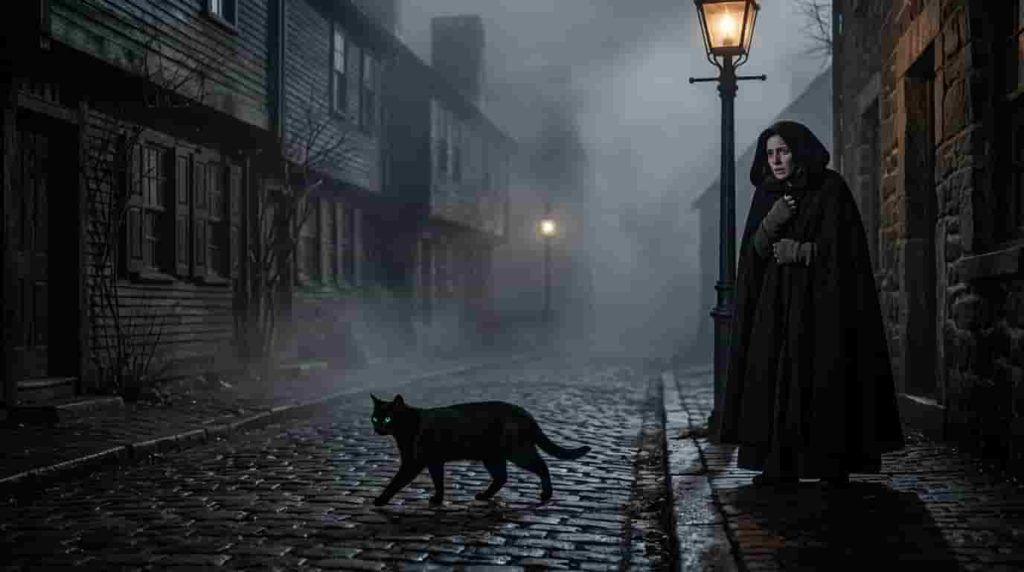
European folklore claimed sorcerers transformed into dark animals to travel through locked doors undetected. Villagers believed a witch could change into a dark feline exactly nine separate times during life.
If a villager injured a stray dark animal at night, they searched for injured women next morning. Finding a bruised woman in the village confirmed her identity as a shape-shifting sorcerer.
Decoding Black Cat Spiritual Meaning and Transformation Myths
Deciphering historical black cat spiritual meaning explains why villagers watched dark animals with constant paranoia. People believed dark felines spied on families and reported secrets back to evil leaders.
Consequently, a pet sitting near a front door caused intense worry for whole households. You can read more about bizarre historical rituals by exploring 7 Strange Cat Superstitions That Refuse To Die today.
Scientific understanding from the American Veterinary Medical Association proves that coat colors result from simple genetic inheritance. Dark pigmentation comes from dense eumelanin protein levels, not magical transformations or evil curses.
Scientific genetics eventually replaced fearful shape-shifting legends with clear biological facts.
5. Pagan Goddess Connections Angered Christian Church Leaders

Before Christianity spread across Europe, ancient cultures honored dark felines as sacred spiritual symbols. Norse mythology featured Freya, a goddess of love, whose heavy chariot was pulled by large felines.
Celtic folklore spoke of Cat Sith, a mysterious dark feline carrying magical power across Scottish highlands. Ancient Egyptians worshipped Bastet, a feline-headed goddess protecting homes from dangerous diseases and evil spirits.
Reclaiming Black Cat Protection Spell Traditions from History
Reclaiming the historical black cat protection spell legacy reveals how church authorities demonized older pagan traditions. Christian leaders worked hard to erase older pagan religions by labeling their sacred symbols evil.
Because pagan cultures respected felines, church officials declared the animals dangerous servants of dark arts. Consequently, ancient symbols of domestic luck became feared symbols of sorcery across medieval Europe.
Ancient stories transformed helpful home guardians into scary figures in modern Halloween culture.
Final Thoughts on Black Cat Witchcraft History
Understanding the history of Black Cat witchcraft shows how fear and ignorance shaped historical beliefs. You now know how night hunting, herbalist companions, and church decrees created dark legends.
Modern science proves dark felines are simply loving domestic pets with beautiful dark fur. Today, dark animals bring affection, playful energy, and deep companionship into millions of modern homes.
Replacing historical superstitions with love helps dark pets find safe homes with caring families. Embracing these sweet companions fills our lives with endless warmth, comfort, and joy every day.
What surprised you most about the historical connection between Black Cat witchcraft and medieval village life? Share your thoughts and personal stories with dark pets in the comments section below!
Frequently Asked Questions
Medieval villagers mistook silent night hunting habits and glowing eyes for signs of dark magic. Solitary herbalists kept dark pets for companionship, causing church leaders to label animals as magical familiars. Official decrees further convinced fearful communities that dark felines served evil forces during secret rituals.
Pope Gregory IX issued Vox in Rama in thirteen thirty-three, linking dark felines to evil rituals. This official religious decree encouraged widespread persecution of dark animals across European towns for centuries. Unfortunately, killing felines allowed plague-carrying rat populations to multiply rapidly across major European cities.
Medieval folklore described a familiar as a magical animal spirit assisting a witch with spells. People believed dark felines carried out secret tasks for sorcerers under cover of darkness. In reality, these animals were simply domestic pets seeking warmth, safety, and food from humans.
Yes, Scottish folklore believed a dark pet arriving at your home brought immediate financial prosperity. Japanese culture views dark felines as powerful good luck charms that attract wealthy suitors for single women. Sailor traditions also valued dark felines aboard ships for safe sea travel and weather protection.
Dark felines produce high levels of melanin pigment, which gives their fur deep black coloration. High melanin levels also color iris tissues inside eyes, producing striking yellow, green, or copper shades. Eye color depends entirely on natural genetic inheritance rather than magical or supernatural forces.