5 Scientific Explanations For Cat Agility
Introduction:
why cats are so agile remains a mystery to many confused pet owners. Have you ever watched your cat leap across a narrow bookshelf with zero effort? Many owners panic when pets chase toys near high ledges. Therefore, uncovering the science behind why cats are so agile brings total peace of mind.
Cats calculate every jump before their paws leave the floor. Researchers study why cats are so agile to understand these lightning fast reflexes. Yet many people remain unaware of the biological secrets driving why cats are so agile. We will explore five scientific reasons explaining why cats are so agile today.
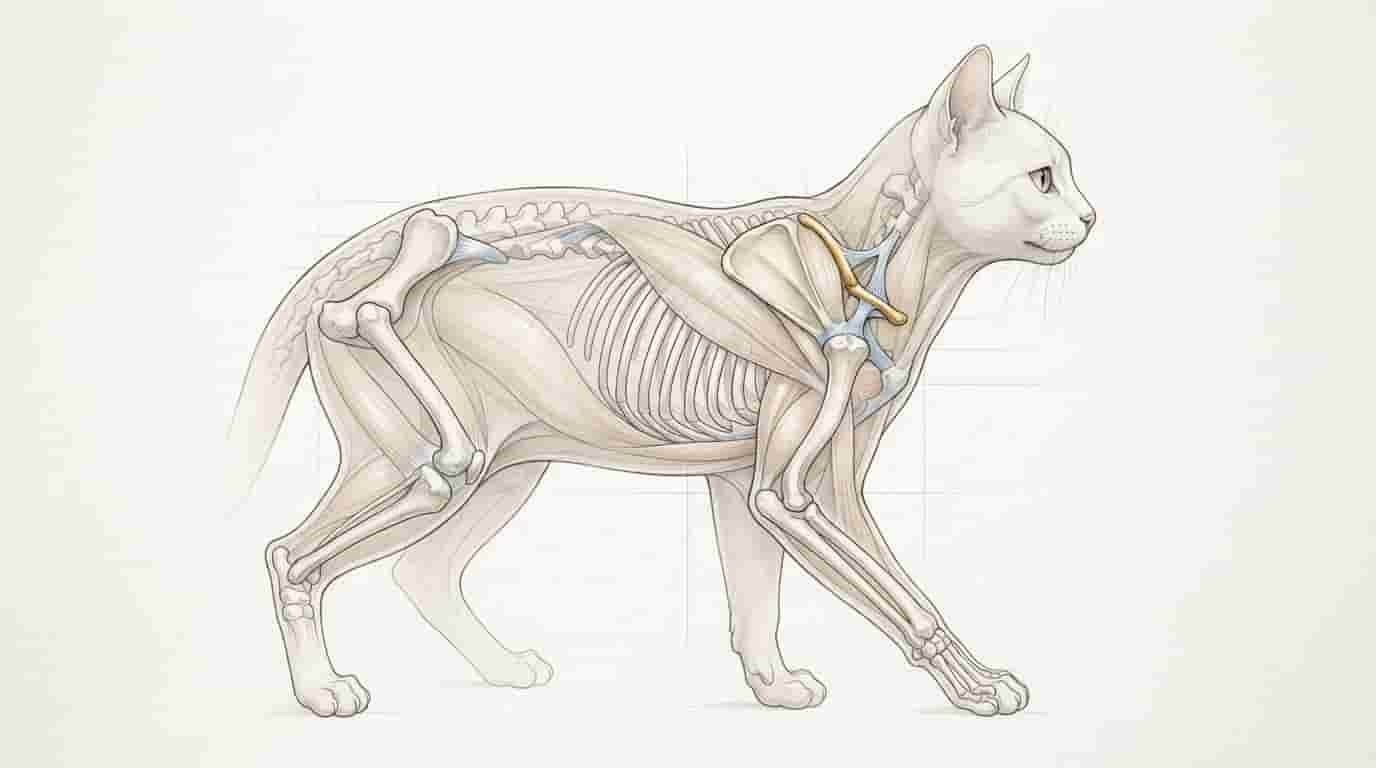
1. Floating Collarbones Boost Why Cats Are So Agile
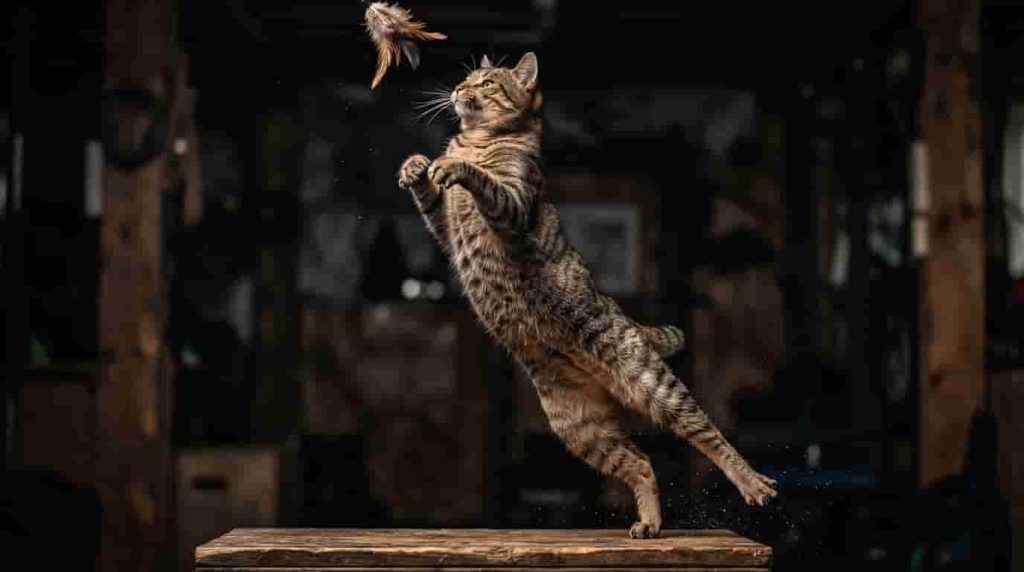
Why cats are so agile starts with a unique skeletal design. Because felines lack a rigid collarbone, why cats are so agile shocks many biology students. Therefore, shoulders compress easily to squeeze through tight gaps.
Dr. Karen Becker from PetMD notes that floating clavicles allow maximum limb extension. As a result, cats maximize why cats are so agile during sudden sprints. This physical trait helps hunters slip past narrow obstacles effortlessly.
Owners often see pets slide under tiny furniture gaps. You can learn more about related skills in our guide on [7 Things Cats Can Do That Most Animals Cannot]. Cats never get stuck because loose bones protect their chest structure.
2. Flexible Spines Power Feline Flexibility
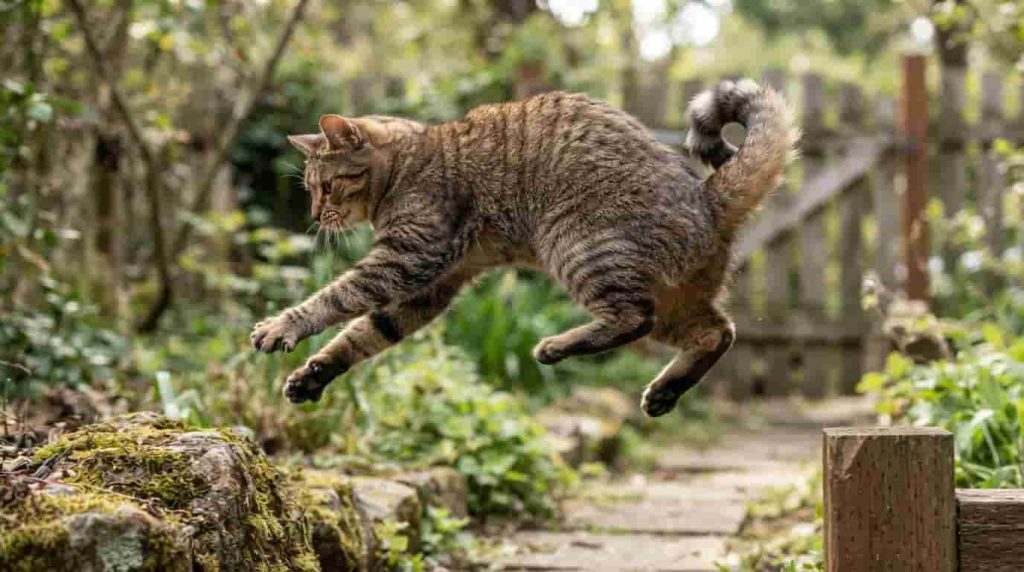
Spines bend like flexible springs during high speed turns. Because extra vertebrae expand movement ranges, why cats are so agile becomes entirely clear. Therefore, cats twist their bodies smoothly while running fast.
Cornell University College of Veterinary Medicine states that spinal disks absorb shock exceptionally well. This flexibility improves why cats are so agile during acrobatic chases. Cats shift directions mid stride without losing speed or balance.
You might notice your cat racing across wide living room spaces. They adjust posture continuously until everything aligns. If you want to explore more about physical traits, check out [6 Ways Cats Outsmart Gravity].
3. Inner Ears Control Cat Movement Patterns
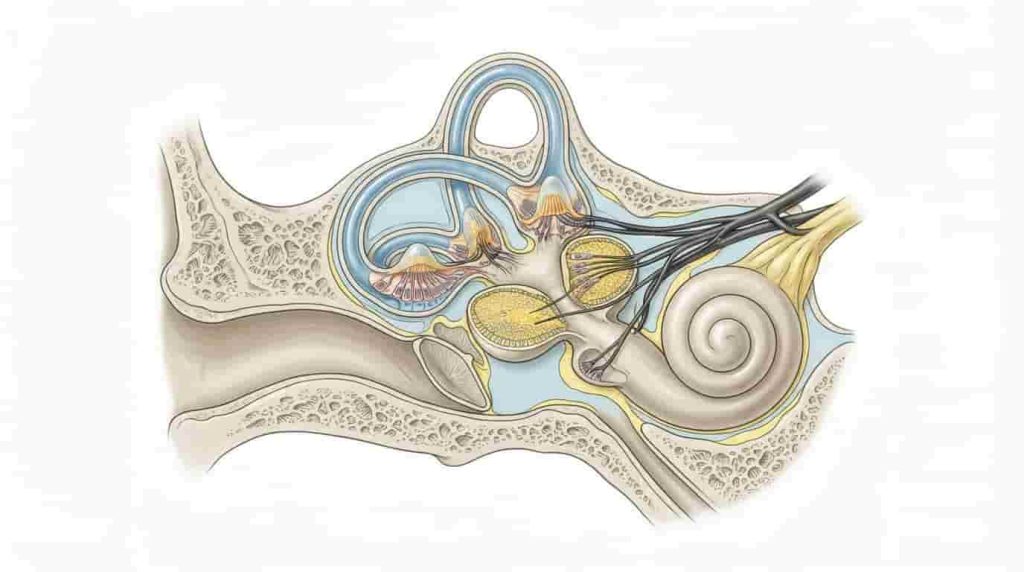
Why cats are so agile relies heavily on inner ear balance systems. Because fluid shifts signal head positions instantly, why cats are so agile protects pets from falls. Therefore, cats always land safely on all four paws.
Many owners wonder how pets correct bad angles during free falls. VCA Animal Hospitals notes that vestibular signals alter rotational speed instantly. This stabilization protects the skeleton from hard impacts.
You can watch your cat sway a tail before leaping. They adjust posture continuously until landing safely. For deeper insights on precision traits, read our article on [6 Reasons Cats Are Built For Precision].
4. Retractable Claws Improve Cat Athletic Abilities
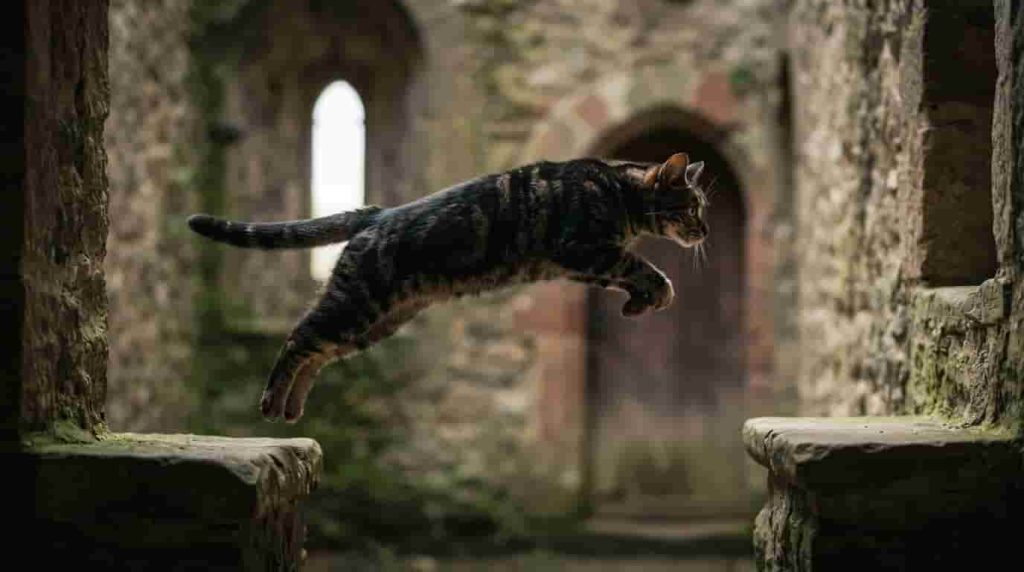
Sharp claws grip surfaces tightly during sudden acceleration bursts. Because claws extend only when needed, why cats are so agile helps pets climb trees. Therefore, cats never slip off vertical or high platforms.
Muscles pull claws outward only when surface traction becomes necessary. This mechanism aids why cats are so agile on carpets and fabrics. Cats flex their toes to lock onto target areas.
Some people trim claws too aggressively. However, blunt nails destroy why cats are so agile and ruin climbing safety. Keep claws healthy so your cat jumps with absolute confidence.
5. Fast Twitch Muscles Fuel Cat Acrobatics

Muscle fibers contract rapidly to create explosive jumping power. Because fast twitch muscles dominate feline bodies, why cats are so agile amazes scientists. Therefore, cats launch into the air from complete rest.
ASPCA experts state that predatory mammals rely on quick bursts of energy. This strength proves why cats are so agile depends on dense muscle power. Scientists admire how fast cats react to sudden sounds.
You can boost your pet mental health with interactive wand toys. Playing games helps indoor pets maintain these sharp physical reflexes. Keep indoor cats active to preserve their natural athletic edge.
Conclusion
why cats are so agile comes down to amazing skeletal and muscular adaptations. We explored five scientific reasons explaining why cats move with such grace. Bones, spines, ears, claws, and muscles work together seamlessly. Therefore, understanding why cats are so agile helps you provide better care for your pet.
What is the most impressive acrobatic trick your cat has performed? Share your stories and experiences in the comments below.
Frequently Asked Questions
Cats use their flexible spines and inner ear balance. They rotate their upper and lower bodies independently. This reflex ensures safe landings every time.
Indoor cats keep their natural athletic instincts throughout life. However, lazy indoor pets might lose muscle tone over time. Regular interactive play helps maintain their agility.
Whiskers act as sensitive touch receptors in the dark. They measure gaps before the cat tries to squeeze through. This prevents bumps and stuck situations.
Athletic breeds like Bengals and Abyssinians show extreme agility. Heavier breeds move slower due to body mass. Age and overall health also affect movement speed.
Provide stable cat trees and clear climbing zones at home. Use feather wands to encourage running and jumping. Regular play sessions keep their reflexes sharp and healthy.