
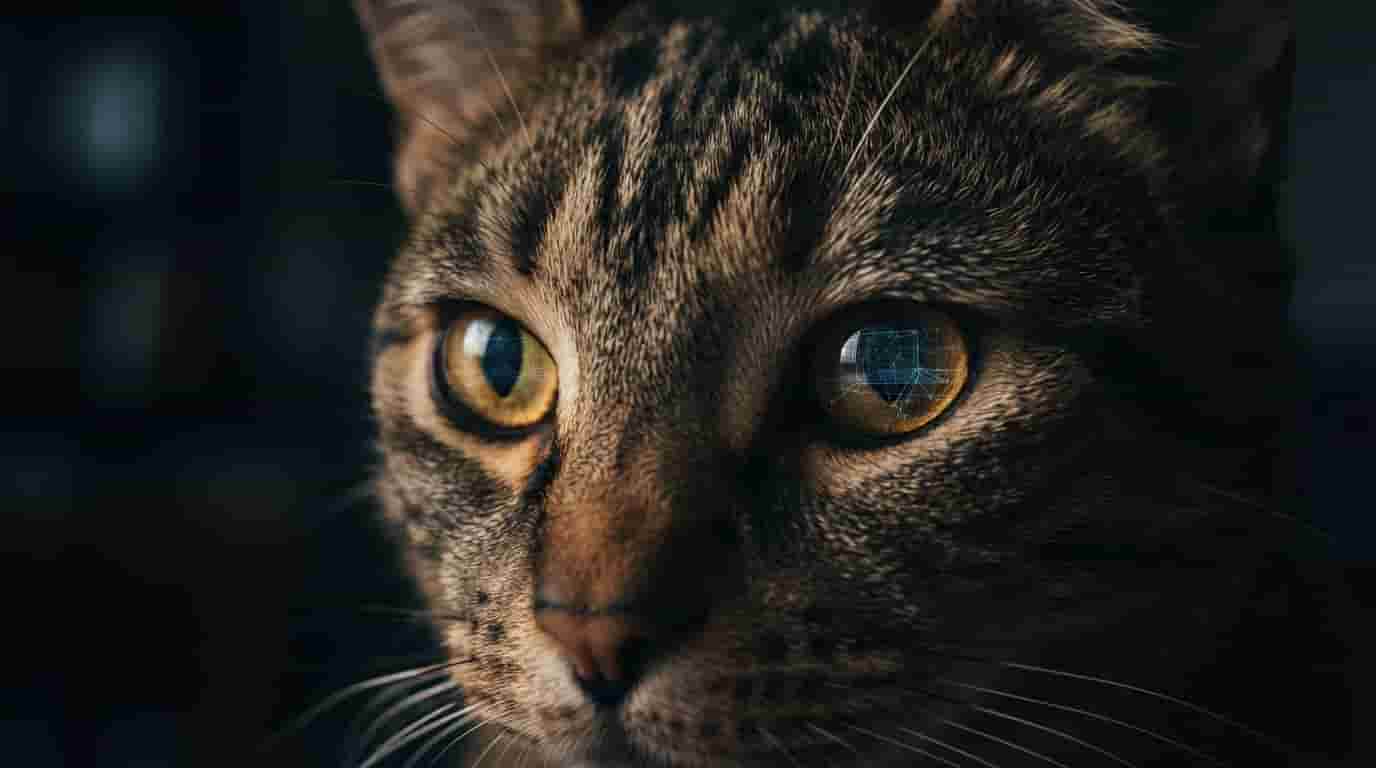
6 Ways Cats Defy Gravity With Their Amazing Abilities
Introduction:
science behind cat jumps explains how your pet leaps onto high shelves without effort. Have you ever wondered how domestic cats achieve such gravity defying feats? Many owners watch in shock as a kitten vaults across an entire room. Therefore, exploring feline biomechanics helps solve this everyday mystery.
Cats calculate distances instantly before takeoff. Scientists study the science behind cat jumps to understand these incredible bursts of power. Yet many people remain unaware of the physical forces at play. We will uncover six amazing ways cats conquer gravity today.
1. Cat Powerful Hind Legs Drive The Launch
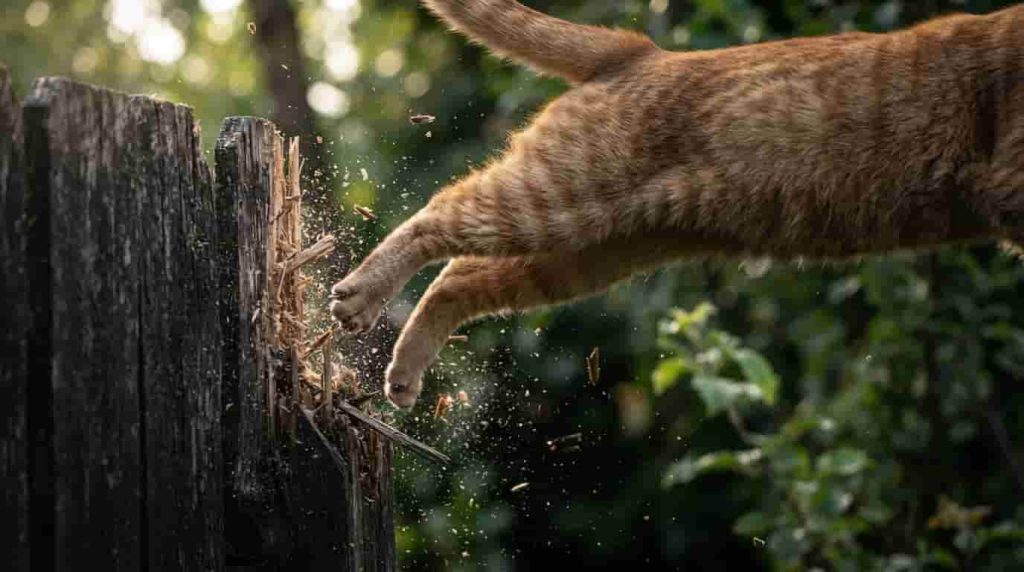
The science behind cat jumps starts in powerful rear limbs. Because hind legs store massive elastic energy, cats spring upward with explosive speed. Therefore, strong muscle fibers push the body higher than expected.
Dr. Karen Becker from PetMD notes that feline hind legs act like coiled steel springs. As a result, cats generate incredible vertical thrust from a complete standstill. This power shocks observers every single time.
Owners often see pets leap straight onto refrigerators. You can learn more about related skills in our guide on [7 Things Cats Can Do That Most Animals Cannot]. Cats never waste energy because their joints lock tightly right before takeoff.
2. Cat Flexible Spines Stretch For Maximum Reach
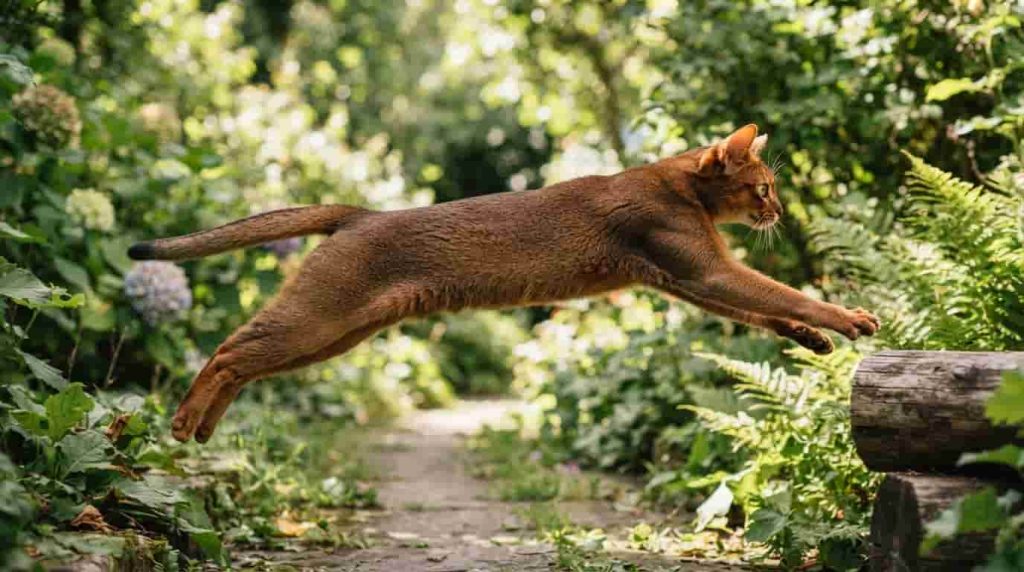
Feline backbones bend and stretch like rubber bands mid air. Because flexible spines expand the reach of every leap, the science behind cat jumps reveals a marvel of nature. Therefore, cats cover vast horizontal distances effortlessly.
Cornell University College of Veterinary Medicine states that extra vertebrae give cats superior spinal mobility. This flexibility improves feline physics during high speed chases. Cats twist their bodies smoothly while airborne.
You might notice your cat jumping across wide furniture gaps. They measure every single inch before launching forward. If you want to explore more about physical traits, check out [5 Scientific Explanations For Cat Agility].
3. Cat Tail Movements Control Mid Air Balance

A cat uses its tail as a dynamic balancing pole. Because rapid tail whipping shifts angular momentum, the science behind cat jumps keeps landings safe. Therefore, cats rarely miss their intended targets.
Many owners wonder how pets correct bad angles during free falls. VCA Animal Hospitals notes that tail movement alters rotational speed instantly. This stabilization protects the skeleton from hard impacts.
You can watch your cat sway a tail before leaping. They adjust posture continuously until everything aligns. For deeper insights on precision traits, read our article on [6 Reasons Cats Are Built For Precision].
4. Cat Front Paws Absorb Massive Landing Forces
Front legs act as advanced shock absorbers upon impact. Because rubbery paw pads cushion the blow, the science behind cat jumps prevents joint damage. Therefore, cats land silently on hard wooden floors.
Special cartilage in the wrists and shoulders dissipates shock waves. As a result, cat jump analysis shows minimal stress on bones. ASPCA experts state that proper paw cushioning protects felines from chronic injuries.
Owners must watch for sudden joint stiffness in older pets. Good floor surfaces protect cat anatomy for jumping during senior years. Keep your home safe with soft rugs near favorite jump zones.
5. Cat Vision And Brains Calculate Trajectories Instantly
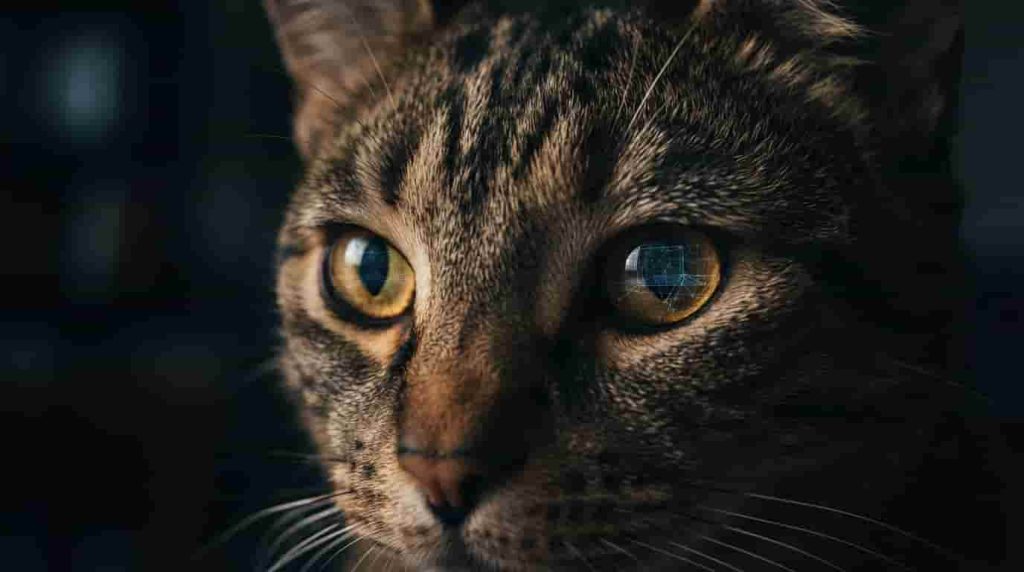
Feline eyes track fast moving targets with total accuracy. Because visual processing happens within milliseconds, the science behind cat jumps guarantees successful landings. Therefore, hunting success relies on rapid mental calculations.
Nerves send visual data from eyes to motor control centers instantly. This speed proves that study on cat pouncing depends on clear depth perception. Scientists admire how quickly cats react to sudden changes.
You can boost your pet mental health with interactive wand toys. Physics of cats jumping becomes obvious when watching toy chases. Keep indoor cats active to maintain these sharp visual reflexes.
6. Cat Claw Grip Secures The Final Destination
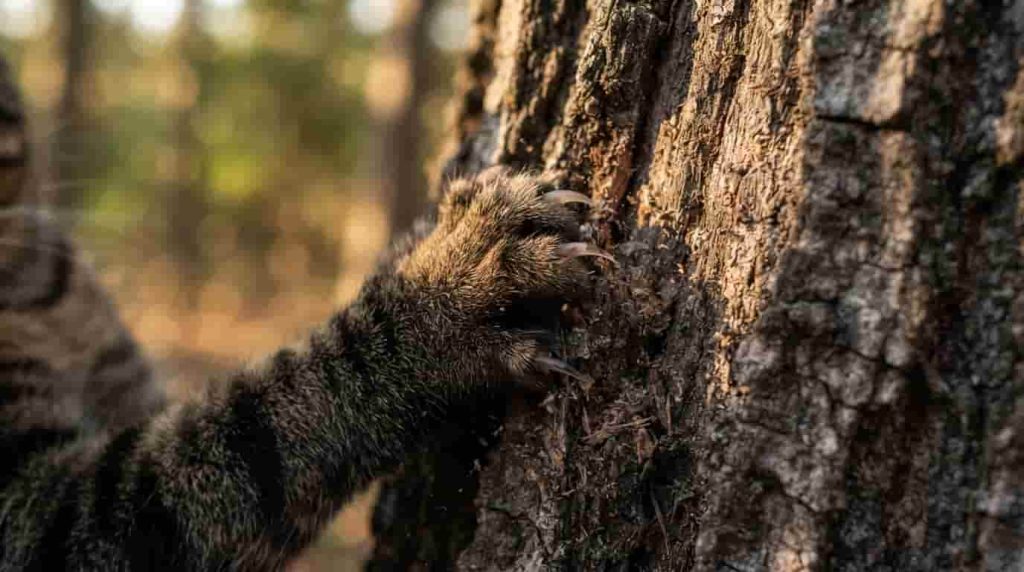
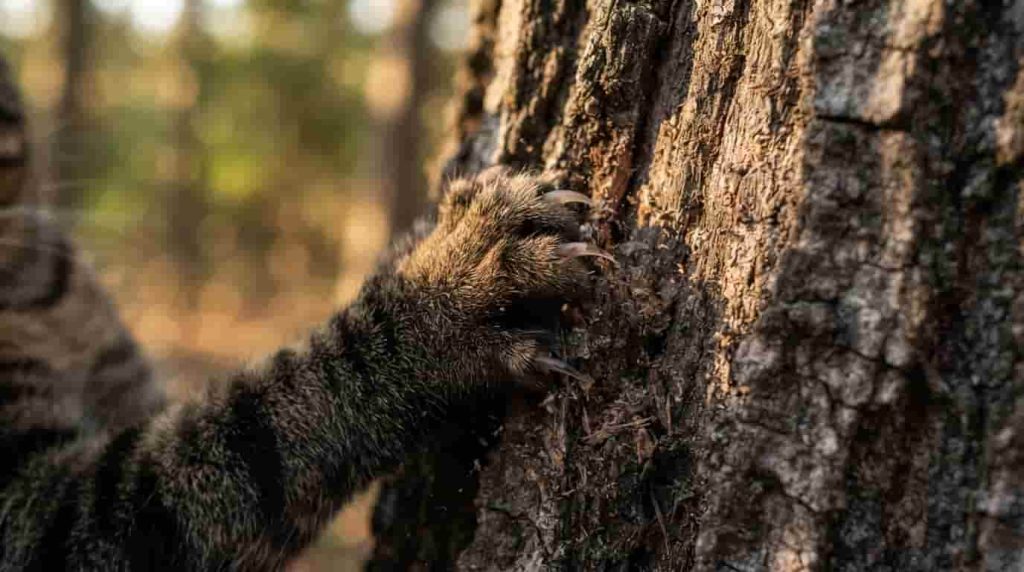
Retractable claws dig into surfaces to finish every jump. Because sharp tips anchor the body securely, the science behind cat jumps ends with a firm grip. Therefore, cats never slip off vertical or high platforms.
Muscles pull claws outward only when surface traction becomes necessary. This mechanism aids biomechanics of cat jumps on carpets and fabrics. Cats flex their toes to lock onto target areas.
Some people trim claws too aggressively. However, blunt nails destroy cat body structure for jumping and climbing safety. Keep claws healthy so your cat jumps with absolute confidence.
Conclusion
science behind cat jumps reveals the astonishing biology powering your feline companion. We explored six amazing ways cats conquer gravity through physics and anatomy. Muscles, spines, tails, paws, eyes, and claws work together seamlessly. Therefore, understanding the science behind cat jumps helps you provide better care for your pet.
What is the highest jump you have ever seen your cat make? Share your stories and experiences in the comments below.
Frequently Asked Questions
Cats use powerful rear leg muscles stored with elastic energy. This explosive strength launches their lightweight bodies upward. Physics allows them to clear several times their height.
Cats use their inner ear balance and flexible spine to twist mid air. Their front paws act as shock absorbers upon impact. This combination prevents serious skeletal injuries.
Not all cats share the exact same leaping ability. Heavy breeds or short legged cats jump lower than athletic breeds. Age and overall health also affect jumping power.
Indoor cats keep their natural jumping instincts throughout life. However, lazy indoor pets might lose muscle tone over time. Regular interactive play helps maintain their athletic edge.
Provide stable cat trees and clear landing zones around your home. Avoid placing high perches over hard uncarpeted floors. Regular vet checkups ensure strong joints and muscles.