7 Things Cats Can Smell That Humans Cannot
Introduction:
Things Cats Can Smell That Humans Cannot often surprise even the most dedicated cat owners. Have you ever noticed your cat staring at a bare wall? They seem focused on something invisible to you. Sometimes they even growl at a space that looks empty.
This mystery happens because they inhabit a different sensory world. Their noses detect layers of reality we simply do not see. We will look at seven specific things they sense every day. You might feel shocked by what they know about your home.
The Secret World of Things Cats Can Smell That Humans Cannot
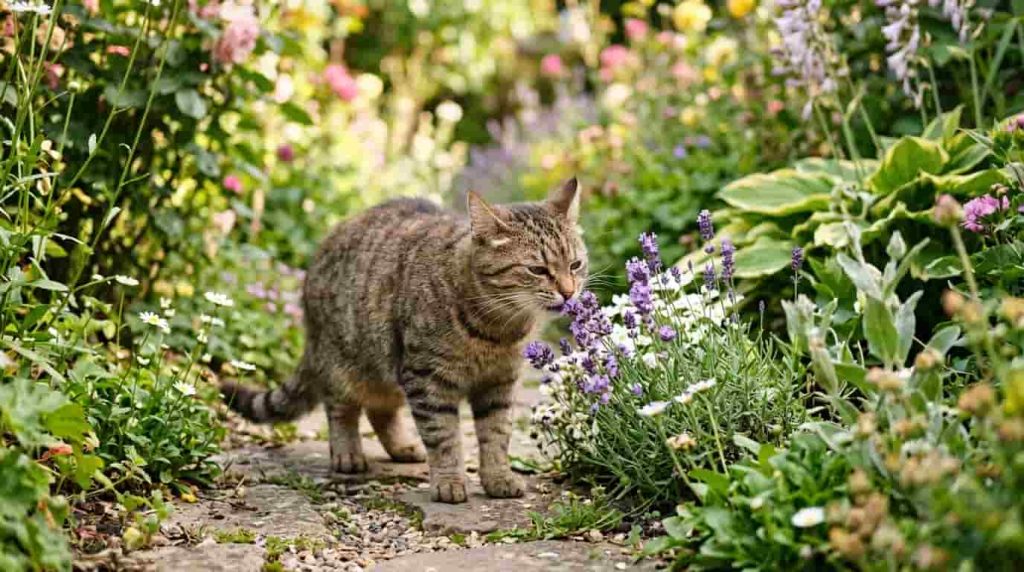
Feline olfactory abilities work much better than our own. While humans see the world, cats smell it in high definition. They track tiny molecules that float through the air. These molecules tell stories about the past and future.
PetMD explains that cats have millions of scent receptors. This massive network allows them to parse complex chemical signals. We perceive only the most obvious odors in our environment. Therefore, your pet lives in a constant stream of information.
If you ever want to know why they act so strangely, read 5 Reasons Cats Trust Their Nose More Than Their Eyes. It explains their reliance on these hidden messages. They prioritize smell for every major decision they make.
7 Specific Items Cats Detect Instantly
Cats pick up things that remain totally neutral to us. Here are seven things they know:
- Fear hormones released by people or other pets.
- Microscopic changes in the weather long before a storm.
- The unique pheromones left by insects in your walls.
- Subtle illness or health shifts in their favorite humans.
- Traces of other animals that walked outside your house.
- The aging process of food items inside your pantry.
- Chemical signals from plants reacting to low sunlight.
Each of these items creates a vivid scent picture for them. They use these clues to map their surroundings constantly. This explains why they investigate everything with such focus. To understand this better, check out 7 Reasons Cats Sniff Everything for more context.
Exploring Cat Odor Perception and Communication
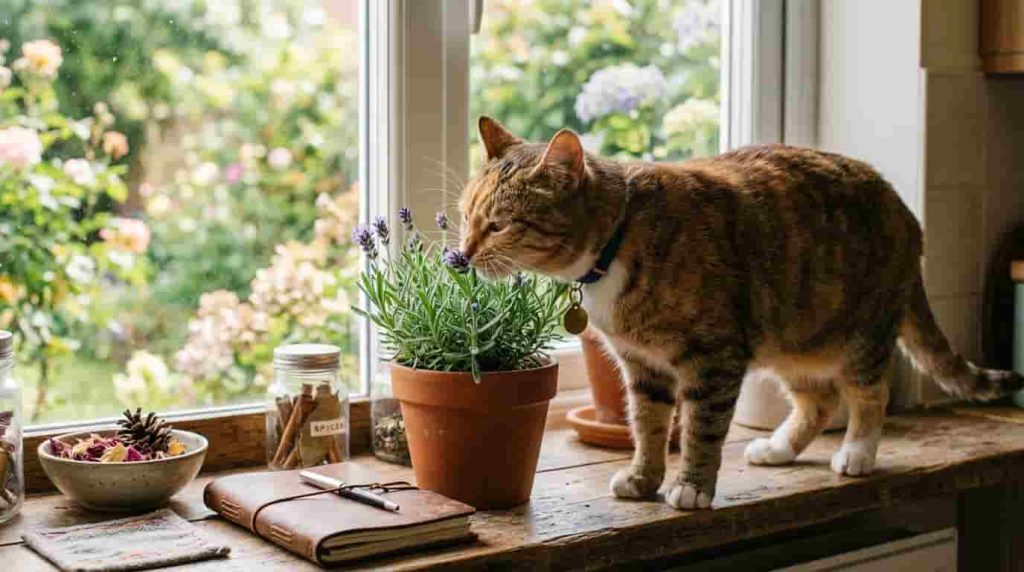
Cat odor perception drives their daily behavior. They use scent to mark territory and define their social group. If a stranger visits, your cat smells the people that guest touched hours ago. This happens because they analyze residual pheromones perceived by cats.
Feline olfaction provides them with a detailed log of history. When you come home, they sniff your clothes to learn your day. They know if you petted a dog or walked through a garden. They track these feline smells without any conscious effort.
One owner felt sick for days before realizing their cat knew first. The cat acted unusually clingy and kept sniffing the owner’s chest. This proves how they detect internal changes in our bodies. Their sensitivity reaches far beyond our own awareness.
Why Your Cat Communicates Through Scents
Cat scent communication is a fundamental part of their social life. They use special glands to leave markers on furniture. You should learn about 7 Ways Cats Use Scent To Recognize People to see how this works. By doing this, they create a familiar scent landscape.
Your home acts as a giant bulletin board for them. They read the messages other animals left on the porch. Then, they write their own replies through scent marking. This keeps their territory feeling safe and established.
Many people think cats only care about food. In reality, they care deeply about their environmental scent profile. A neutral or strange scent causes them significant stress. They prefer a home that smells consistently like themselves and you.
Understanding Animal Pheromones and Sensory Range
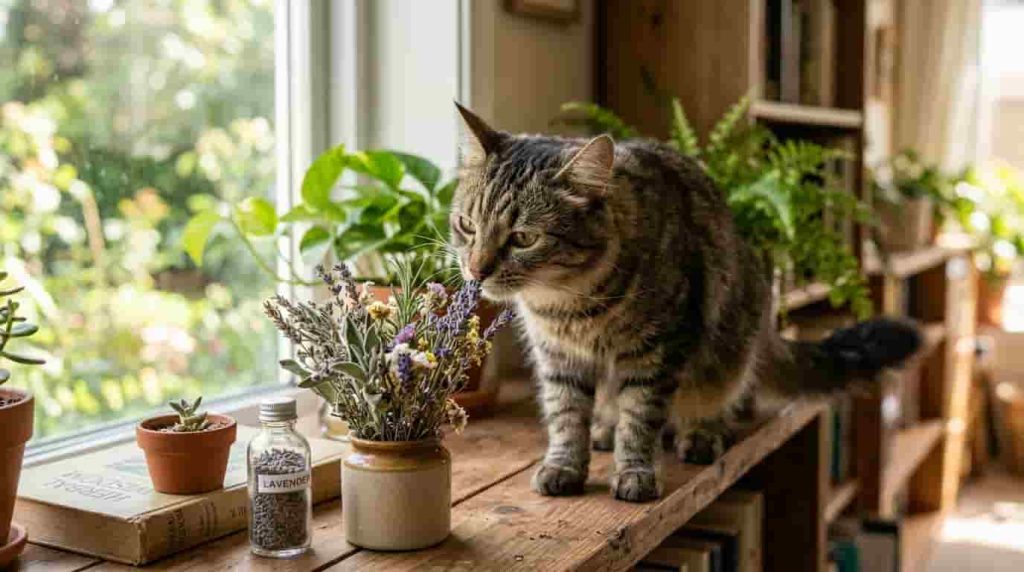
Animal pheromones are invisible to us but loud to cats. These chemicals tell them about the health of other animals. They identify if a visitor is nervous or aggressive immediately. This gives them an edge in any social encounter.
Pet odor detection requires an intense level of brain activity. Their olfactory system occupies a large part of their brain. This demonstrates how vital smelling is for their survival. They essentially think through their sense of smell.
Some cats even detect if you visited a vet’s office. They smell the stress pheromones on your shoes or pants. This leads to them acting cautious when you arrive home. They are very sensitive to these quiet chemical whispers.
The Science Behind Feline Olfaction
The feline olfactory system functions in a way we rarely understand. They have an extra organ on the roof of their mouth. This organ is dedicated to analyzing complex chemical signatures. It acts as a secondary nose for their most important discoveries.
You might notice your cat hold their mouth slightly open. This is them processing a scent through that special organ. They are looking for information that is too subtle for their nose. It represents the height of their sensory exploration.
Never underestimate what your cat finds in your living room. They are constantly scanning for new details and changes. This makes them excellent at detecting things you never will. You live with a tiny, furry detective every day.
How to Protect Your Cat’s Smelling Abilities
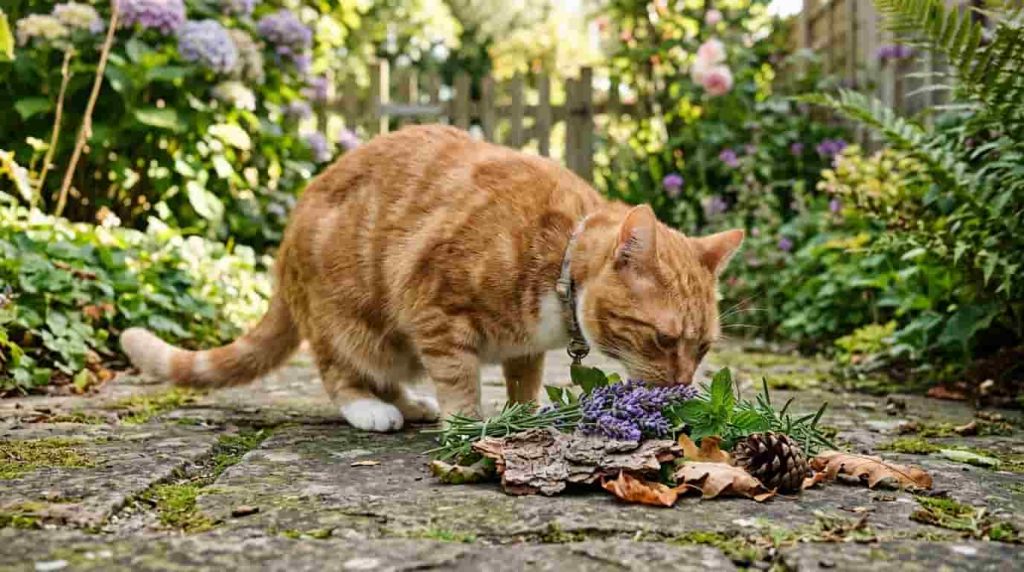
Keeping your cat’s smelling abilities sharp is vital for health. Avoid using heavy, artificial air fresheners in your home. These scents mask the subtle messages they need to process. A clean, fresh home is always the best choice.
Always pay attention to their scent behavior during play. If they stop exploring, it could indicate a health issue. A cat that stops sniffing is a cat that feels unwell. You should always trust your instincts if things change.
Consider the role of diet in their scent detection. High quality food supports a strong immune system. A healthy cat has much better sensory perception than an ill one. Provide the best care to keep their nose alert.
Fostering a Scent Rich Environment
A scent rich environment helps your cat feel secure. Give them safe items like cardboard boxes to keep around. These hold onto their scent and provide comfort during stressful times. They feel much braver with these familiar landmarks.
Respect their need to mark their territory through scratching. Scratching pads are another way they leave their personal scent markers. This is not just bad behavior but a key communication tool. Support their needs to keep them happy and balanced.
Your cat is a master of their own hidden world. They live in a way that we can only guess at. By respecting these talents, you strengthen your bond with them. It makes life together much more rewarding and interesting.
Conclusion
Things Cats Can Smell That Humans Cannot define their daily life. They navigate their world through chemical signals and hidden trails. You now know seven things they detect effortlessly. You are seeing the world through their eyes, or rather, their nose.
Their sensory range makes them truly special and unique animals. Every day, they learn secrets about your home that you miss. Do you ever catch your cat sniffing something you cannot smell? Please share your stories in the comments below.
Frequently Asked Questions
Yes, cats can detect changes in body chemicals and hormones that occur during illness. This is why they may act differently when you are sick.
They are using their Jacobson’s organ on the roof of their mouth to analyze scents. This helps them understand complex pheromones and chemical signals.
While it depends on the scent and the breeze, cats can detect odors from long distances. Their sense of smell is far more sensitive than a human’s.
Yes, they detect stress hormones released by other animals and humans. This helps them decide if a person or pet is safe to approach.
Like humans, cats may experience a decline in smell as they get older. This can lead to a decrease in appetite or interest in play.