Cat Arthritis Care: Making life easier for your stiff senior cat.
Introduction:
Cat Arthritis Care represents an essential responsibility for pet parents watching their cherished companions grow into their senior years. Have you noticed your older pet hesitating before leaping onto their favorite window perch or warm sofa cushion lately? Many owners overlook these subtle lifestyle shifts because they assume a slower pace is just a normal aging trait. Therefore, implementing proactive Cat Arthritis Care helps restore comfort and protects the precious long term mobility of your pet.
This practical guide will examine the complex nature of managing joint issues in aging domestic felines. First, we will show you how to spot the hidden medical warning signs of chronic feline joint pain relief needs. Next, you will discover the most effective veterinary treatments and supportive cat arthritis supplements available on the commercial market. Finally, we will share simple household modifications to make your living spaces fully accessible for a stiff older animal.
Protecting your aging pet requires a supportive environment that accommodates their changing physical needs. Let us explore the mechanics of dynamic Cat Arthritis Care to upgrade your senior pet care routines right now.
Cat Arthritis Care: Spotting Hidden Symptoms of Cat Arthritis Symptoms

Spotting the true indicators of arthritis in older cats requires a very observant eye. Felines naturally hide physical pain to protect themselves from imaginary predators in their environment. As a result, you will rarely hear an arthritic senior pet cry out or limp openly across your living room rug. Instead, managing cat arthritis symptoms requires tracking minor shifts in their daily habits and normal behavioral movements.
Additionally, a stiff pet will often stop grooming the hard to reach areas along their lower back region. This lack of flexibility causes their coat to develop thick mats or heavy flakes of dry dandruff over time. For instance, you should read our comprehensive guide on Cat Hairball Control: Natural remedies to stop the hacking to manage grooming issues. A sudden decrease in flexibility means your aging companion needs targeted Cat Arthritis Care to soothe their aching joints.
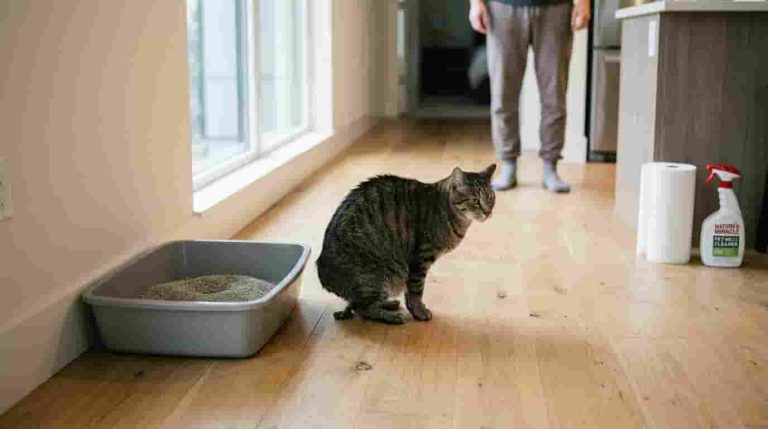
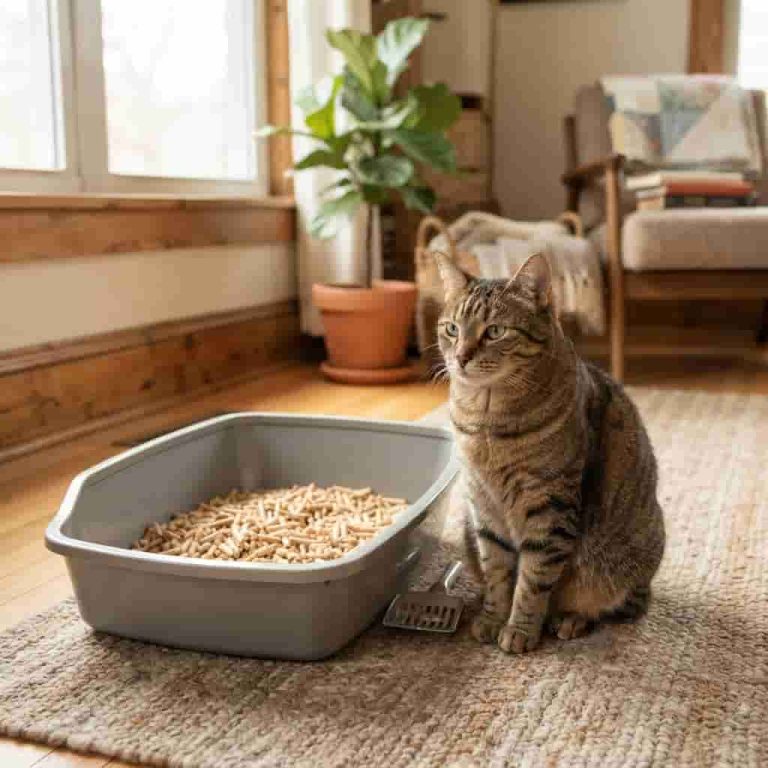
Furthermore, arthritic felines may begin avoiding their litter box because the high plastic entry walls hurt their sore hips. Many people assume their aging animal has developed house soiling habits out of sudden territorial spite. However, a low entry box can fix this issue instantly by removing the physical barrier to regular elimination. Let us look at how common joint health signs differ as your domestic companion ages.
| Feline Life Stage | Common Mobility Sign | Typical Joint Health Status |
| Mature Adults 7 to 10 Years | High speed running with fluid leaps | Smooth cartilage surfaces with zero inflammation |
| Senior Pets 11 to 14 Years | Hesitating before jumping up onto high chairs | Mild thinning of fluid inside major limb joints |
| Geriatric Felines 15+ Years | Walking with stiff hind legs and sleeping often | Widespread wearing of bone surfaces requiring care |
Modifying Your Indoor Environment for Stiff Senior Animals
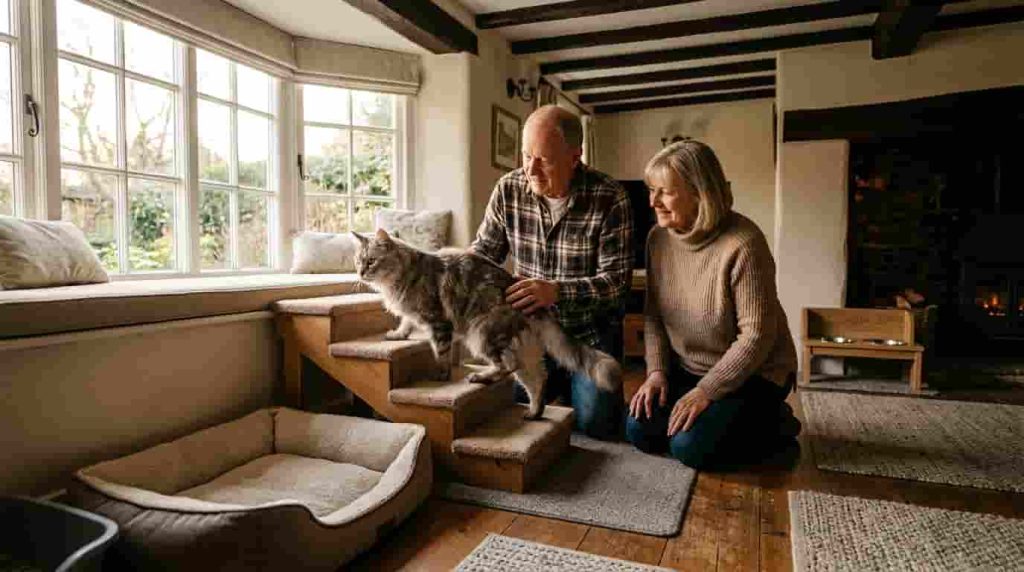
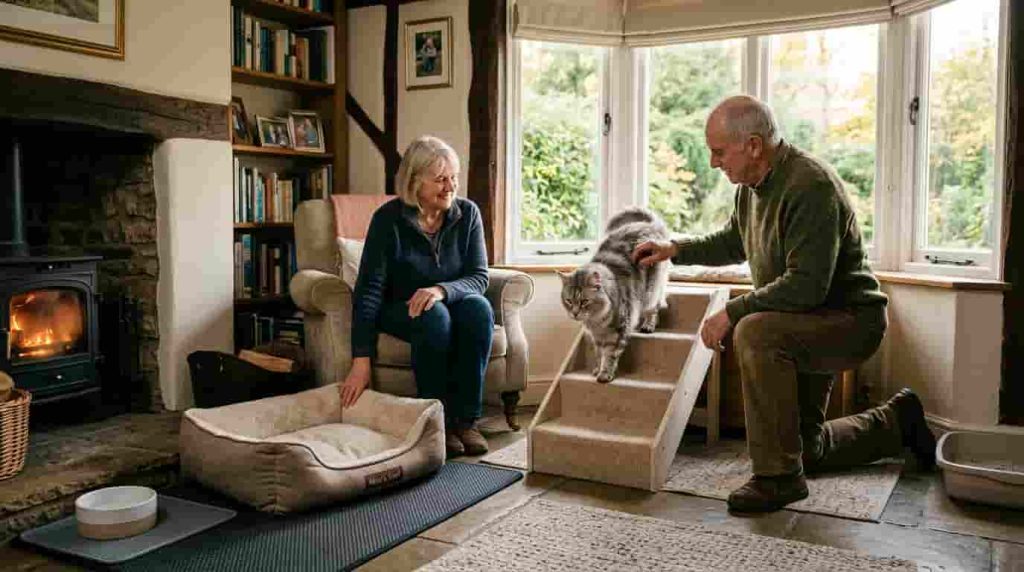
Creating an accessible apartment layout forms the core foundation of holistic cat arthritis care for your aging pet. You can place sturdy wooden steps next to your bed so your companion can climb up without jumping. This simple furniture addition protects their delicate front shoulders from the hard impact of landing on bare floors. For example, a local pet owner named Tunde noticed his fourteen year old calico struggling to reach the couch.
He installed a carpeted ramp, which allowed his sweet older animal to glide up to her favorite spot safely. This real life case shows how minor household updates improve the daily lives of felines dealing with joint pain. Additionally, raise their ceramic food and water bowls a few inches off the floor using a small wooden block.
Elevated feeding dishes allow your older pet to eat comfortably without straining their neck or spine. These simple adjustments provide immediate feline arthritis relief by removing daily physical stress from the sore skeletal system. Let us look at how managing body weight can further improve joint comfort.
Managing Weight Profiles to Reduce Skeletal System Strain
Controlling daily food portions is a vital part of implementing an effective arthritis treatment for cats. Extra body weight places immense physical strain on worn joints, which accelerates the breakdown of cartilage tissue over time. To protect your pet, review our detailed guide on Cat Obesity Risks: How to help your fat cat lose weight today. Lowering their weight reduces baseline inflammation and allows your senior companion to move around with greater freedom.
Inspecting Ear Health During Weekly Senior Grooming Sessions
Maintaining great overall health requires checking for secondary issues while you care for your older animal’s joints. Senior felines who cannot scratch their own heads often accumulate wax or debris inside their canals quite easily. For practical tips, discover our article on Cat Ear Mites: How to Spot, Clean and Treat Infected Ears Fast right away. Keeping the ears clean ensures your pet remains free from painful parasitic bugs while they heal.
Veterinary Medicine and Advanced Arthritis Treatment for Cats
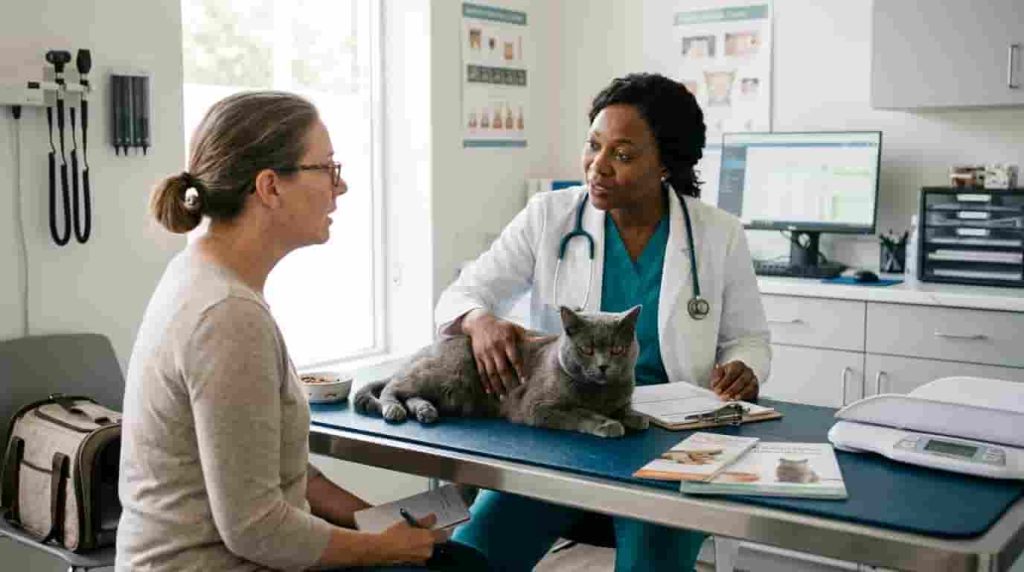
Medical Cat Arthritis Care requires a formal diagnosis from a professional veterinarian before you buy any treatments. According to long term feline medical studies published by the Cornell University College of Veterinary Medicine, over ninety percent of senior cats show signs of joint issues on x-rays. Your doctor will gently palpate the limbs to find the exact source of discomfort. Next, they may prescribe cutting edge arthritis supplements for cats to slow down joint tissue damage.
Furthermore, modern veterinary medicine offers target monthly protein injections that block pain signals right at the nerve site. This advanced cat arthritis treatment provides incredible relief without causing any harsh irritation to your pet’s stomach lining. You can easily combine these medical options with natural remedies for cat arthritis to maximize their comfort.
For instance, high quality fish oils rich in omega fatty acids help reduce swelling inside the joints naturally. Adding these nutrients to their morning food supports joint health for cats without causing negative side effects. Let us look at the best ways to structure a safe daily supplement routine.
Selecting High Quality Supplements for Daily Mobility Support

Choosing the right components for holistic cat arthritis care involves looking for pure chondroitin and glucosamine formulations. These natural compounds assist the body in repairing worn cartilage surfaces and increasing fluid production inside the joints. Consistent usage helps your older animal maintain flexibility, making it a cornerstone of smart Cat Arthritis Care routines.
Providing Warm Therapeutic Sleeping Zones Across the House
Placing thick orthopedic memory foam beds in warm areas gives your sore pet an ideal place to rest. Cold drafts can worsen joint stiffness, so keep these sleeping pads away from drafty doors or air conditioners. This simple step ensures your companion wakes up feeling loose and comfortable every single morning.
Designing Low Impact Exercise Routines for Aging Felines
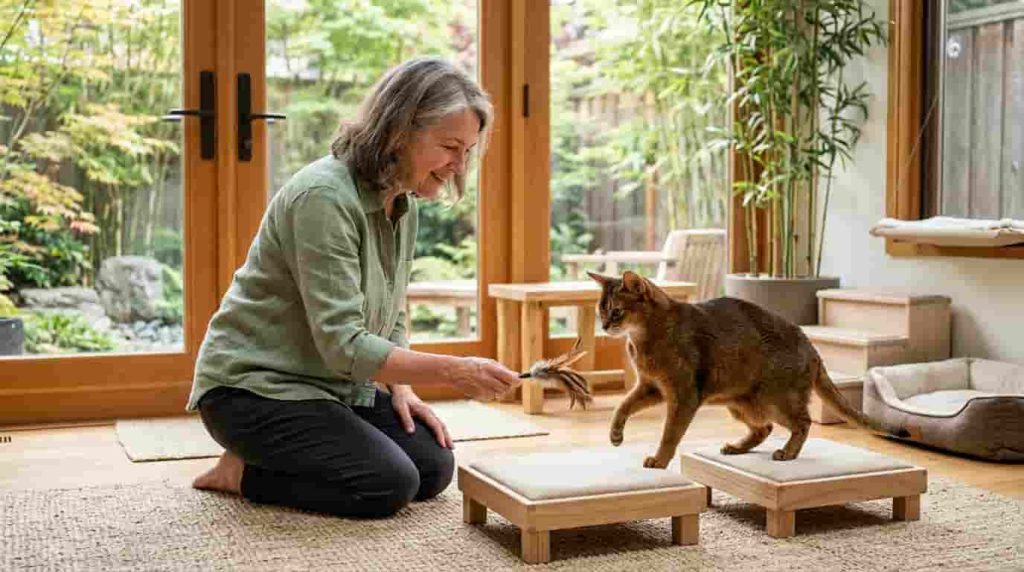
Maintaining gentle movement is crucial for managing cat arthritis because total rest causes muscles to weaken quickly. You should encourage your senior pet to participate in brief, low impact play sessions twice a day. Use a soft feather wand to trail slowly along the floor instead of making them leap high into the air.
This gentle tracking game stimulates their mind while keeping their leg muscles toned and supportive of loose joints. Your careful pacing ensures the animal receives excellent cardiovascular benefits without experiencing sudden physical pain or exhaustion.
Combining targeted movement with proper Cat Arthritis Care guarantees your friend enjoys an excellent quality of life. Taking these simple precautions helps keep your aging companion vibrant, happy, and fully integrated into your family life. Let us review the primary checklist for keeping your senior animal completely comfortable at home.
- Swap out deep litter boxes for low sided pans to allow easy entry.
- Brush your senior pet daily to help them clean areas they can no longer reach.
- Place extra water dishes on every floor of your house to limit long walks.
- Schedule wellness blood tests twice a year to monitor internal organ functions.
Conclusion
In conclusion, delivering excellent Cat Arthritis Care requires a compassionate mix of environmental updates, weight control, and proper veterinary support. By learning to recognize silent pain indicators like poor grooming habits, you can intervene before stiffness limits their world. These simple changes remove daily obstacles and allow your senior companion to navigate the house with complete confidence.
Always consult a veterinarian to discuss advanced treatments and pair those choices with daily cat arthritis supplements for optimal results. Your steady attention ensures your favorite older pet feels thoroughly supported, loved, and deeply comfortable through their twilight years. With proper Cat Arthritis Care strategies, you can make life easier for your stiff senior cat.
Has your beautiful senior pet started using a new ramp or sleeping spot to keep their sore joints comfortable? Please share your heartwarming aging stories and drop your unique health questions in the comment section down below!
Frequently Asked Questions
The earliest signs include an unexpected reluctance to jump onto high surfaces, increased sleeping times, and poor back grooming. You may also notice your pet walking with a slightly stiff gait when they first wake up.
No, you must never give human pain medicines to a cat because over the counter drugs are highly toxic. Even a tiny dose can cause fatal kidney failure or severe stomach ulcers in felines within hours.
These supplements work by supplying essential building blocks like glucosamine to repair damaged cartilage matrices over time. They also increase the thickness of the fluid inside the joint to reduce painful bone friction during movement.
Yes, veterinary acupuncture is a wonderful complementary therapy that helps stimulate blood circulation and releases natural pain relieving endorphins. Many senior felines relax completely during these gentle sessions and show improved mobility within a few weeks.
You should schedule a professional veterinary evaluation every six months for a senior pet on long term arthritis medicine. These regular checkups allow the doctor to adjust doses and run blood tests to ensure internal organs stay healthy.