Cat Ear Mites: How to Spot, Clean and Treat Infected Ears Fast.
Introduction:
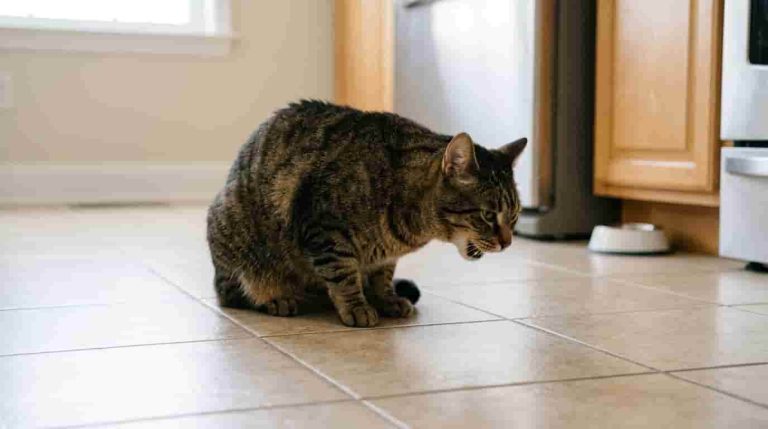
Cat Ear Mites cause severe discomfort and intense scratching for millions of indoor and outdoor pets around the world. Have you noticed your favorite feline shaking its head violently while scratching around its neck area lately? Many owners overlook these early warning signs because they think their companion just has a simple itch. Therefore, mastering the process of eliminating Cat Ear Mites helps restore comfort and protects your pet from ear canal damage.
This expert guide will examine how microscopic parasites spread rapidly inside the delicate tissue of the ear flaps. First, we will show you how to spot the distinct symptoms of ear mites in cats safely. Next, you will discover the most effective veterinary ear mite medication for cats available on the market today. Finally, we will share step by step cleaning techniques to clear out dark debris without hurting your animal.
Protecting your pet requires moving past unsafe home remedies for ear mites in cats to find reliable treatments. Let us look closely at how simple daily observations can improve your domestic pet care routine starting today.
Cat Ear Mites: The Biological Nature of Feline Ear Mites
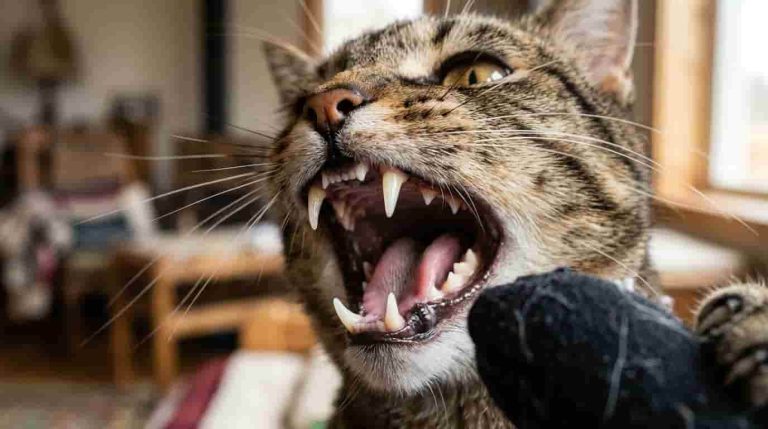
Understanding the true threat of Cat Ear Mites requires looking at the life cycle of these tiny parasites. The main culprit behind these infections is a microscopic surface mite called Otodectes cynotis, which feeds on ear wax. These active bugs crawl around inside the canal, causing intense itching and severe inflammation for your domestic friend. Therefore, a minor ear mite infestation in cats can quickly turn into a painful secondary skin infection.
Additionally, these highly contagious pests pass between household animals easily through brief sleep contacts or shared grooming sessions. Felines can pick up a feline ear mite infestation if they play near infected neighborhood animals outdoors. Many people assume that indoor animals are completely safe from these irritating microscopic external bugs.
However, human family members can accidentally carry these resilient pests inside on their outdoor shoes or clothing items. This easy transmission path explains why active ear mite prevention in cats remains a vital responsibility for owners. Let us examine how different ear conditions look to help you identify what affects your pet’s wellness.
| Ear Condition Category | Visible Debris Appearance | Main Behavioral Symptom |
| Ear Mite Colonization | Dark brown crunchy discharge resembling dry coffee grounds | Constant head shaking and hard scratching behind ears |
| Bacterial Ear Infection | Yellow or green moist fluid with a sour smell | Holding the head tilted toward one side continually |
| Excessive Wax Buildup | Light golden smooth paste with zero odor | Mild rubbing against carpet edges during the afternoon |
The Serious Behavioral Impact of Constant Parasitic Irritation

Living with an active ear mite treatment for cats delay can completely destroy your pet’s normal routine. The continuous crawling sensation inside the flaps causes immense stress, which often stops felines from resting comfortably. For example, a local pet owner named Joke noticed her indoor cat scratching its ears until they bled.
She realized that the intense discomfort was making her peaceful animal highly irritable around other household pets. She read our detailed guide on Cat Obesity Risks: How to help your fat cat lose weight last week. Keeping her companion trim improved its overall immune system function, helping it fight off the skin irritation faster.
Consequently, the healthy animal stopped hiding under the bed because the painful scratching cycle ended after proper care. This real life case shows why protecting cat ear health requires quick action against external parasites. Let us look at how other underlying health problems can complicate your pet’s recovery process.
Controlling Excess Shedding to Keep Ear Ingress Clear
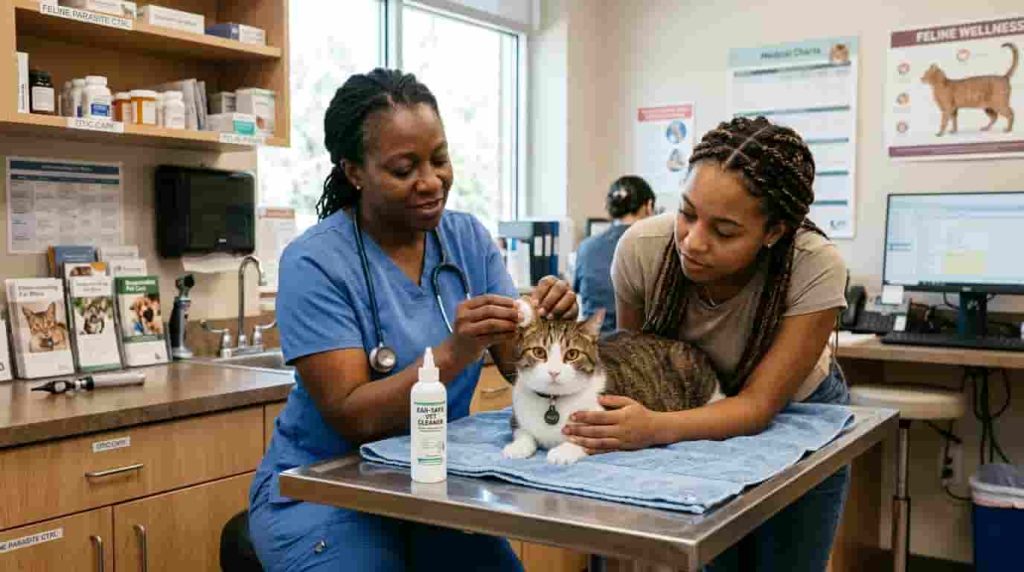
Anxious animals often groom themselves frantically when they deal with the constant stress of an active parasitic infestation. This excessive self licking behavior causes them to swallow massive columns of fur during their daily grooming routines. For helpful tips, discover our article on Cat Hairball Control: Natural remedies to stop the hacking immediately. Stopping the fur accumulation ensures their digestive tract stays clear while you treat the itchy ear canals.
Managing Senior Joint Stiffness During Ear Treatment Sessions
Holding an older pet still for ear drops can prove difficult if the animal suffers from joint discomfort. Arthritic felines feel sudden pain when you twist their neck or hold their front limbs during cleaning sessions. To assist your senior pet, view our advice on Cat Arthritis Care: Making life easier for your stiff senior cat today. Keeping their joints comfortable makes the necessary medical application process much easier for both you and your pet.
Finding the Best Professional Treatment for Ear Mites in Cats
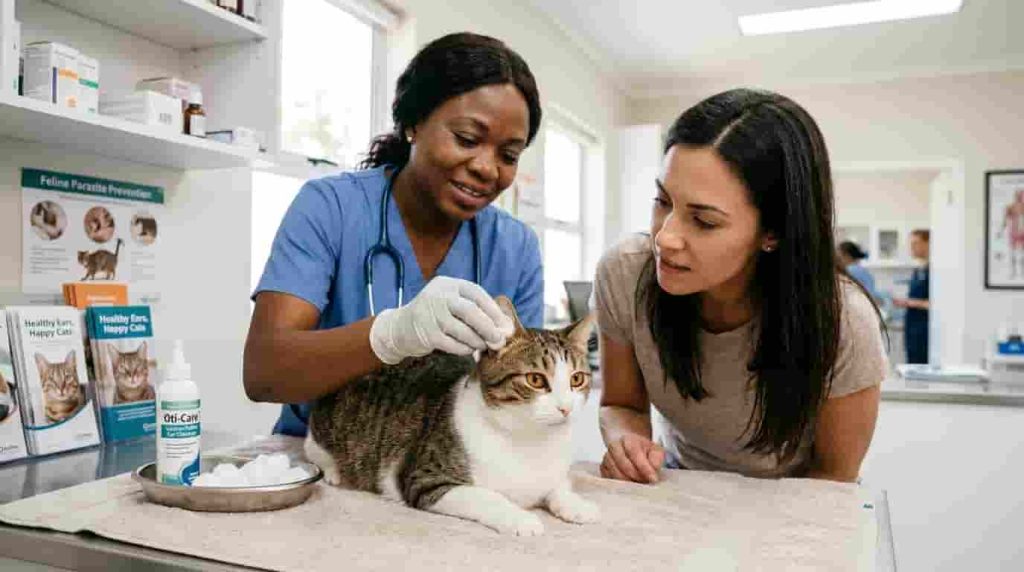
Eliminating Cat Ear Mites requires a modern prescription solution rather than using ineffective natural remedies for cat ear mites. Old school home methods like pouring olive oil into the canal rarely kill the microscopic eggs successfully. When you rely on these unverified options, the surviving eggs hatch a week later to restart the cycle. Therefore, you must consult a veterinary doctor to obtain a modern topical spot on treatment.
According to clinical parasitic research published by the Cornell University College of Medicine, modern spot on treatments are highly effective. A single dose applied to the back of the neck kills the parasites within twenty four hours. Furthermore, these professional medications stay in the system for thirty days to break the reproduction loop completely. Let us look at how to clean out the leftover crusty debris safely after applying medication.
How to Get Rid of Ear Mites in Cats Using Safe Cleaning Steps
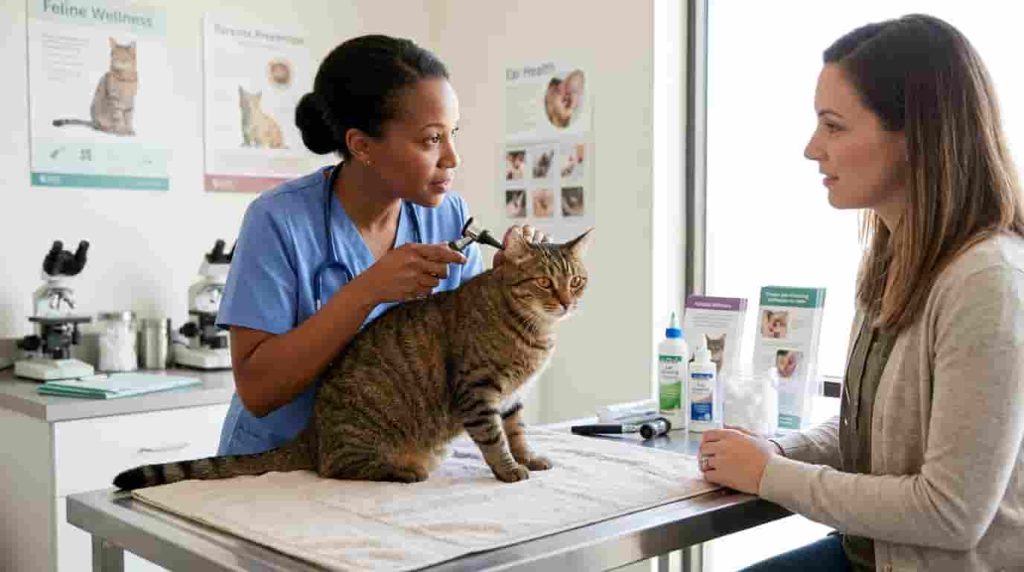
Clearing the dark discharge caused by Cat Ear Mites requires a very gentle touch to avoid tearing the eardrum. Never insert a pointed plastic cotton swab directly down into the dark horizontal canal of your pet’s head. These hard sticks push the infected wax deeper inside, which can cause permanent hearing loss for your companion. Instead, follow these safe cat ear mite remedies steps to flush the canal cleanly at home.
First, warm a bottle of professional ear cleaner by holding it in your hands for two minutes. Next, squeeze three large drops of the warm fluid directly into the open ear opening of your pet. Gently massage the base of the ear flap for thirty seconds to loosen up the crusty discharge. Also, allow your domestic companion to shake its head to bring the deep debris up to the surface.
Finally, wipe away the loose dark pieces using a clean, dry paper towel or a soft cotton ball. This simple cleaning habit accelerates healing and ensures the topical treatment for ear mites in cats works perfectly. Let us review the primary checklist for maintaining clean, healthy feline ears throughout the entire year.
- Inspect the inside of your pet’s ear flaps weekly for any dark brown discharge.
- Wash all household pet bedding in hot water to kill escaping microscopic parasites.
- Apply monthly flea and mite preventative drops to the skin regularly.
- Keep outdoor roaming stray felines away from your indoor pet’s living spaces.
When to Contact a Veterinarian for Advanced Ear Issues

Differentiating simple Cat Ear Mites from serious inner ear damage requires monitoring your pet’s balance after cleaning. If your animal companion continues to tilt its head or stumbles while walking, seek immediate veterinary medical attention. This loss of coordination indicates that the parasitic infestation has punctured the thin membrane of the eardrum.
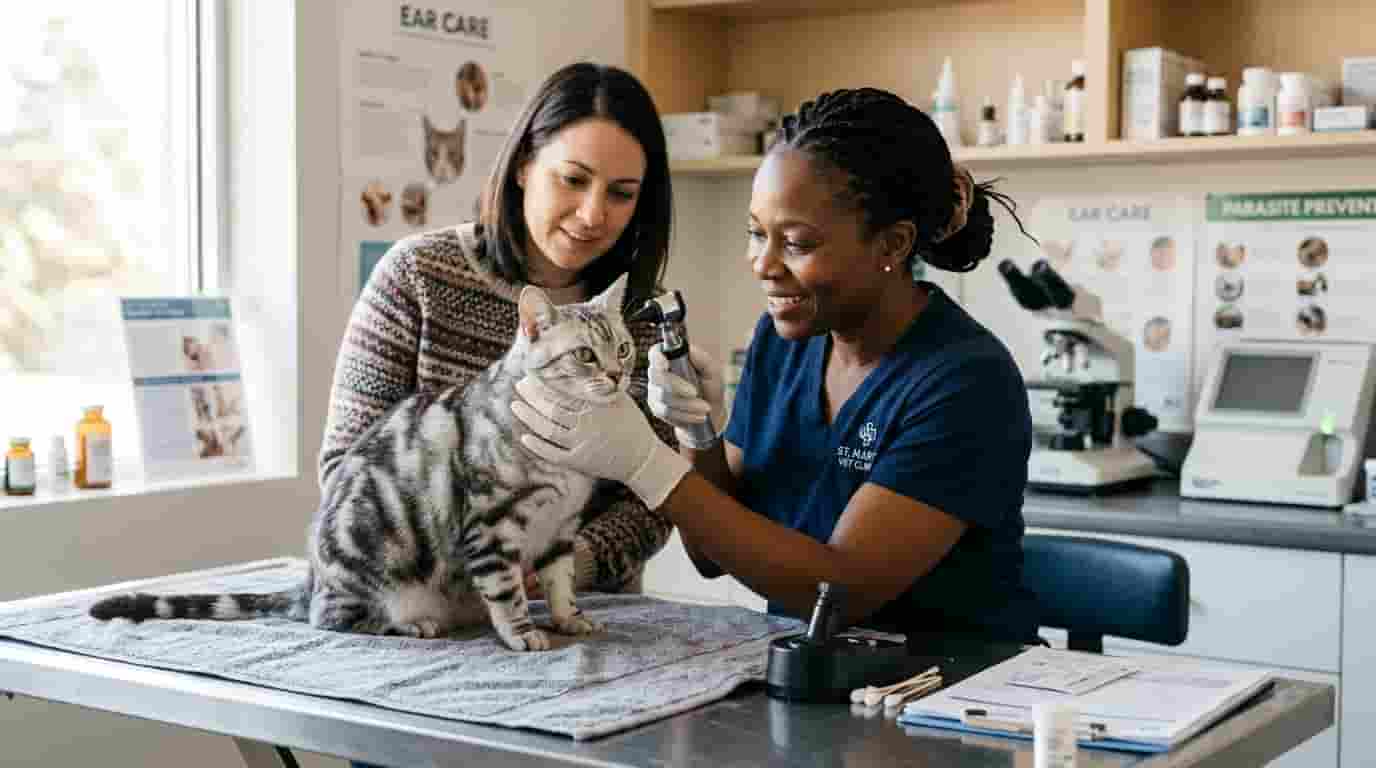
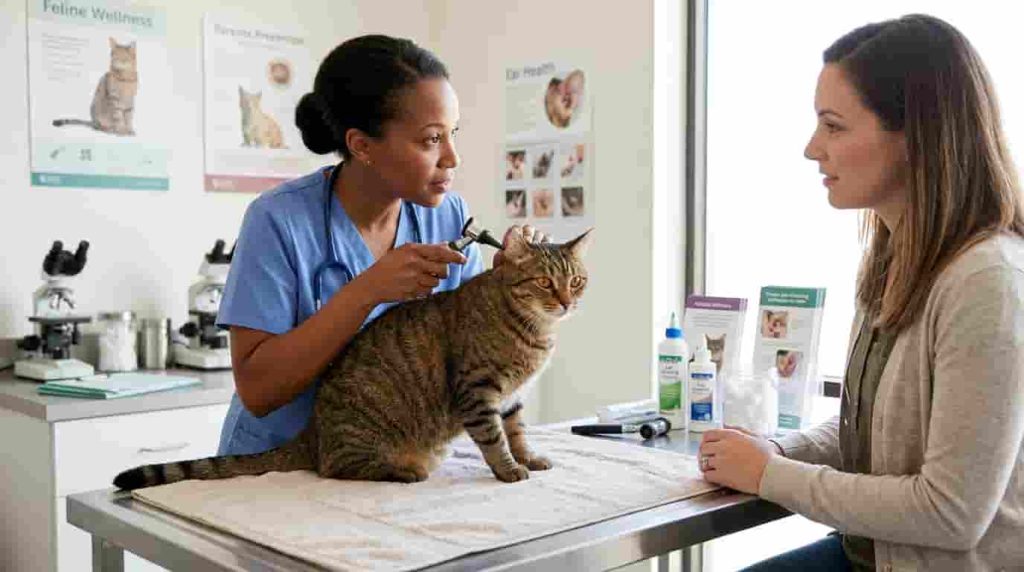
Therefore, you should contact VCA Animal Hospitals to schedule an urgent professional otoscopic evaluation. A trained doctor will look deep inside the skull using a lighted scope to check for tissue damage.
If they find a tear, they will prescribe special ear drops that do not harm the delicate hearing nerves. Acting quickly protects your pet from experiencing total deafness or severe neurological complications down the line. Your careful monitoring keeps your beloved companion happy, energetic, and completely safe from long term health hazards.
Conclusion
In conclusion, defeating persistent Cat Ear Mites requires quick identification, proper topical medication, and gentle ear canal cleaning habits. By learning to recognize the distinct coffee ground debris, you can step in before serious infections develop. These simple preventative steps eliminate the intense itching that causes your domestic friend to injure its own skin.
Always utilize modern veterinary spot on treatments and avoid using unverified oil mixtures inside the sensitive ear canal. Your consistent care will ensure your favorite animal companion stays playful, flexible, and emotionally secure through every season. With the right strategies in place, you can conquer Cat Ear Mites and maintain a healthy home.
Has your beautiful domestic friend ever dealt with a stubborn case of ear pests after visiting an outdoor park? Please share your successful treatment stories and drop your unique pet health questions in the comment section down below!
Frequently Asked Questions
You will see your pet shaking its head constantly and scratching its ears until the skin turns red. The inside of the ear flaps will also contain a dry, dark brown discharge that looks like coffee grounds.
The most reliable treatment is a prescription topical spot on medication obtained from your local veterinary clinic. This modern medicine spreads through the skin to kill all active adult parasites and emerging larvae fast.
Humans can occasionally develop a mild skin rash if they cuddle an infected animal companion closely. However, these specific microscopic parasites cannot survive or reproduce on human skin for more than a few days.
You should clean the visible outer canal twice a week using a gentle veterinary fluid during the treatment phase. Avoid over cleaning because excessive rubbing can irritate the delicate skin lining and delay the healing process.
No, most home remedies like olive oil or garlic drops fail to clear out the infection completely. You must use certified cat ear mite medication to dissolve the tough outer shells of the parasitic eggs.