
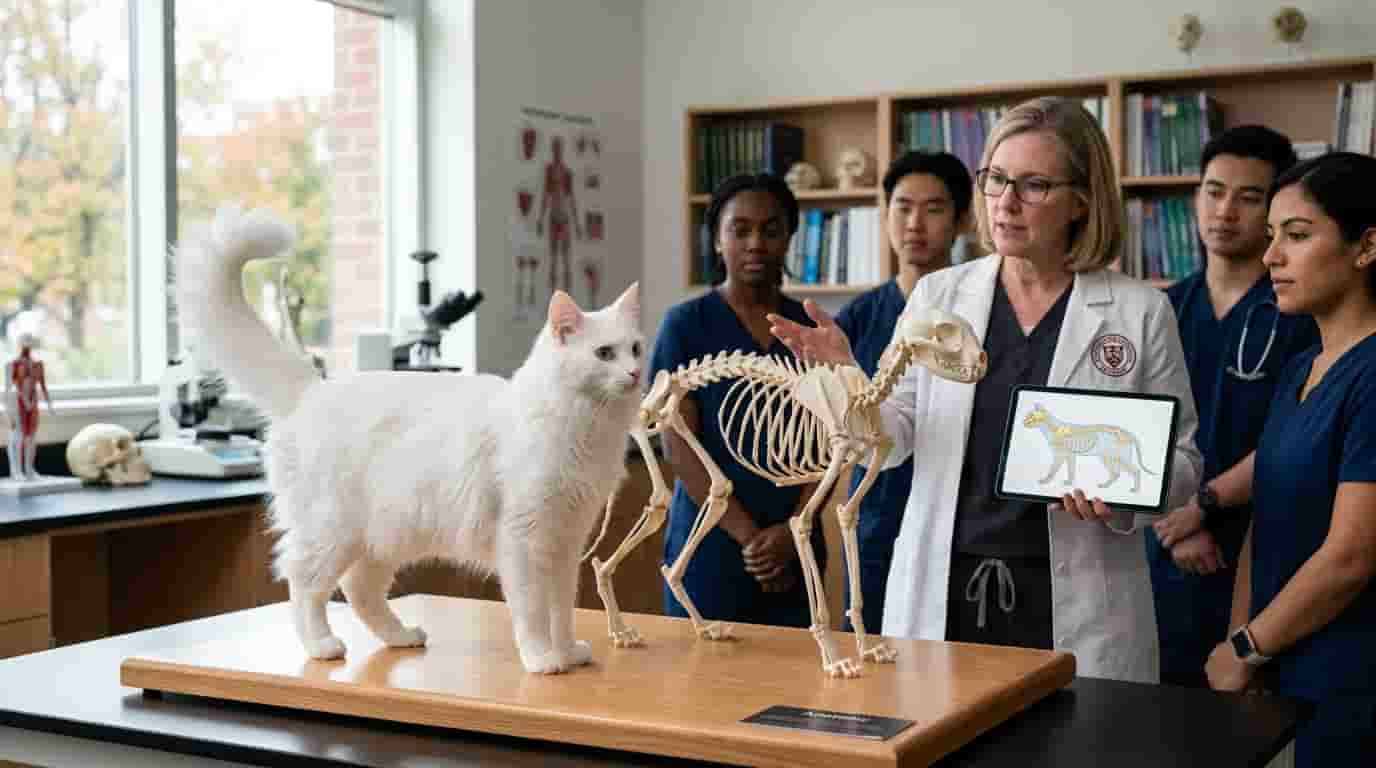
Scientists Explain Why Cats Have More Bones Than Humans
Cat skeleton structure explains why your pet jumps so high and lands so softly. Scientists recently confirmed that cats possess more bones than humans. A typical adult cat has 230 bones, whereas humans only have 206. These extra bones allow for incredible feline agility. Researchers studied the feline skeletal system to map these unique anatomical differences clearly.
Understanding the Feline Skeletal System
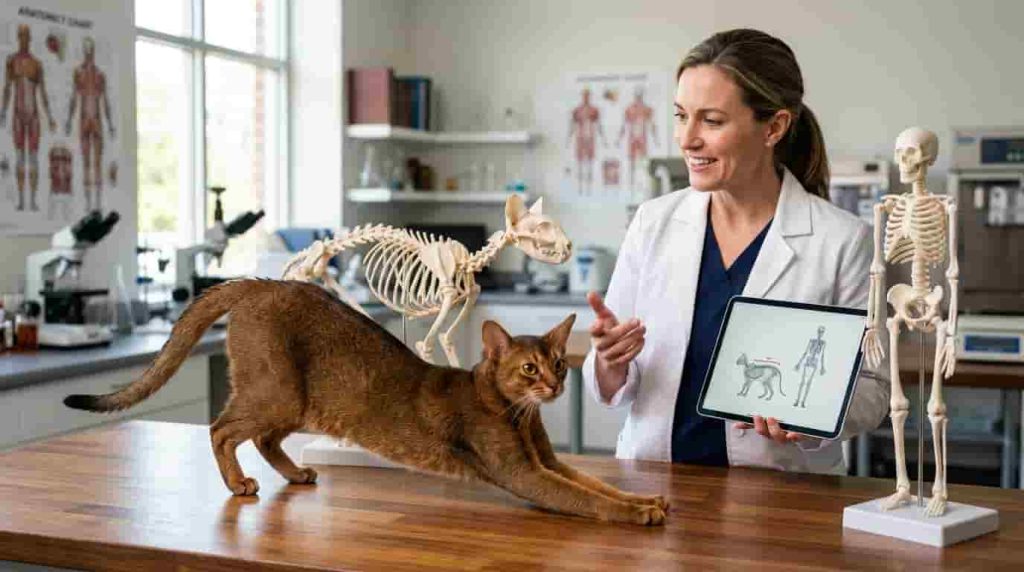
The cat skeleton consists of more bones because of its specialized tail and flexible spine. Humans lack a tail, but cats use theirs for balance during jumps. Additionally, cats possess a free floating clavicle. This specific bone structure allows them to squeeze through tight spaces easily.
According to PetMD, the feline anatomy evolved to support a predatory lifestyle. Their collarbones do not attach to other bones. Therefore, cats gain a much wider range of motion than other mammals. This unique setup also acts as a shock absorber.
You might wonder how your cat survives high falls. Their skeletal structure cushions the impact effectively. Furthermore, cats often have excellent night vision, as shown in Cats Can See in Six Times Less Light Than Humans, Study Explains. Their entire body works together to make them masters of stealth.
Why Cat Anatomy Matters to Owners
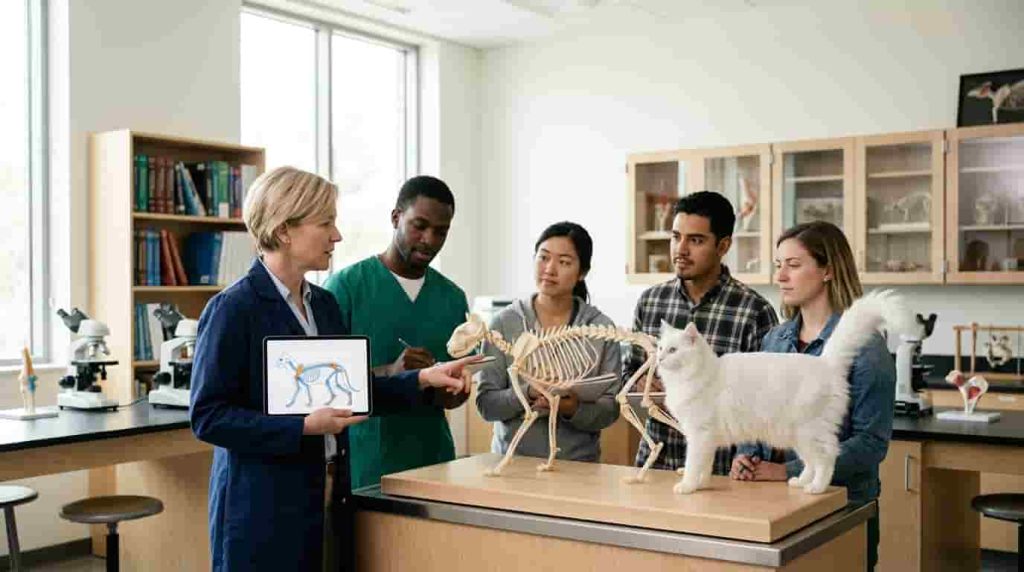
Knowing about the cat skeleton helps you protect your pet. Because they are so flexible, cats often hide injuries well. You must monitor their movement for any subtle changes. If your cat stops jumping, they might feel pain in their joints.
Think about your cat leaping onto a tall bookshelf. They calculate the distance using their eyes and core muscles. However, their bones absorb the landing force effortlessly. This feline skeletal system requires proper nutrition to stay strong. Calcium and vitamin D remain essential for maintaining healthy feline bones.
Always check your cat for signs of discomfort after rough play. Additionally, you should observe their nose for health indicators. Interestingly, Scientists Say Every Cat Has a Unique Nose Print for identification. Regular vet visits ensure your cat maintains a healthy skeletal structure for years.
Insights into Cat Skeleton Anatomy

The domestic cat skeletal system remains a marvel of natural engineering. Scientists mapped the cat skeleton diagram to identify every joint. They found that a cat’s spine contains more vertebrae than a human’s. This increased count enables the famous feline arch.
Furthermore, cats can twist their bodies in mid-air. They rotate their front half separately from their back half. This ability relies entirely on their specialized cat bones. As a result, they land on their feet almost every time.
Researchers also track how physical changes affect aging cats. Sometimes, a cat’s appearance shifts as they get older. For example, New Research Reveals Why Some Cats’ Eye Color Changes suggests underlying health shifts. Always keep an eye on your pet’s physical development.
Practical Steps for Cat Parents

You should prioritize your cat’s bone health through diet. Consult your veterinarian about high quality protein sources. Protein supports the muscles that surround the cat skeleton. Without strong muscles, their bones experience extra strain.
Consider how your cat interacts with furniture at home. Do they struggle to climb or jump? If yes, provide ramps to reduce impact. This simple change protects their joints from long term wear.
Finally, keep your cat at a healthy weight. Obesity puts unnecessary pressure on the feline skeleton. A lean cat moves more gracefully and lives longer. Please share this news with other pet parents! Follow our page for more updates on animal anatomy.
Frequently Asked Questions
Cats have extra bones in their tails and a flexible spine to support their extreme agility and balance.
Yes, but the clavicle is free floating and not attached to other bones, which aids in their flexibility.
An average adult cat has approximately 230 bones, which is more than the 206 bones found in humans.