
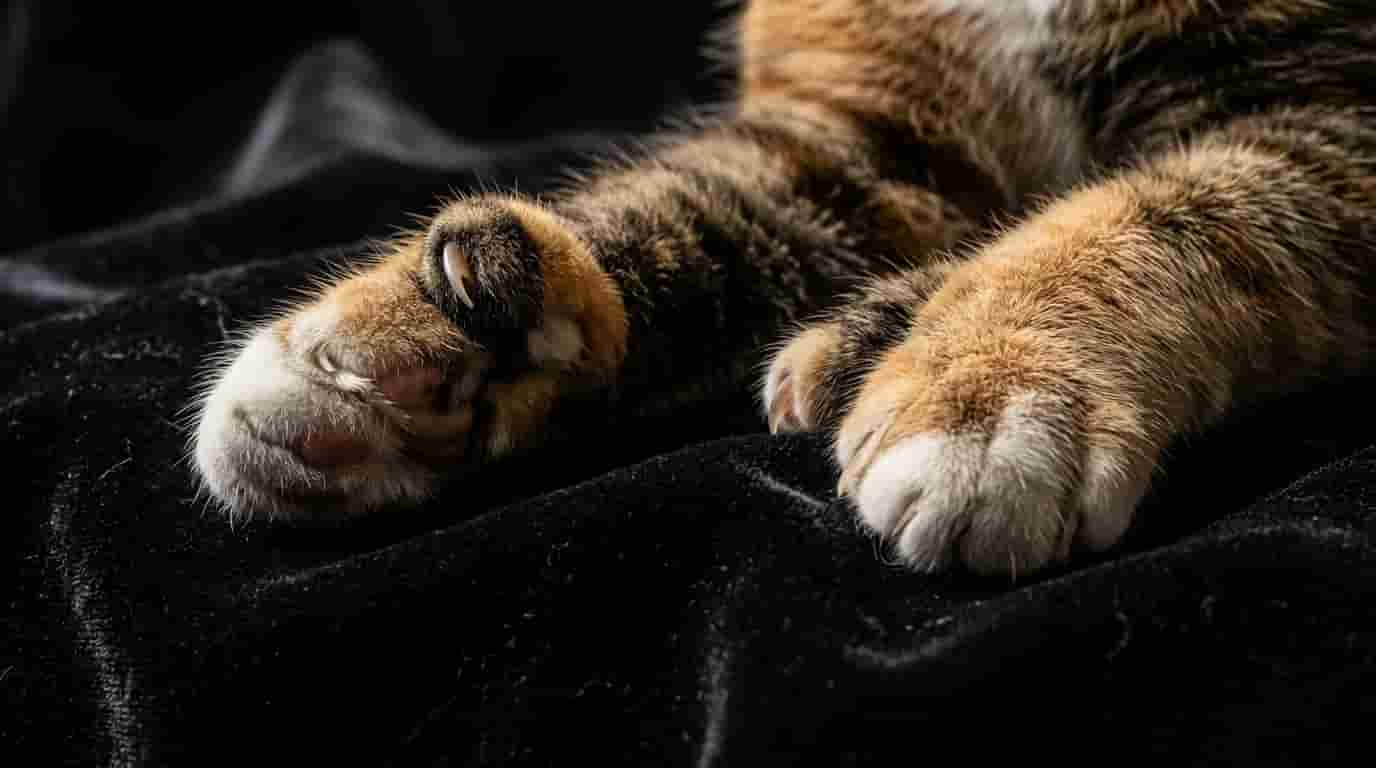
Polydactyl Cats: Why Some Cats Are Born With Extra Toes
Introduction:
Polydactyl cats look like they are wearing mittens. Some have six toes on one paw. Others have seven or even eight. At first glance, it seems strange. However, this trait is more common than most cat owners realize.
So why does it happen? Is it dangerous? Does it affect how a cat walks or hunts?
These are the questions we will answer. First, let’s clear up a common myth. Many people think extra toes are a birth defect. That is not quite true. Polydactyl cats carry a genetic mutation, and in most cases, it causes no harm at all.
In fact, some of the most famous cats in history were polydactyl. One writer loved them so much that his home is still filled with their descendants today.
Curious yet? Keep reading. By the end of this article, you will understand exactly why some cats are born with extra toes, which breeds are known for it, and how to care for a polydactyl cat properly.
What Causes Polydactylism in Felines?
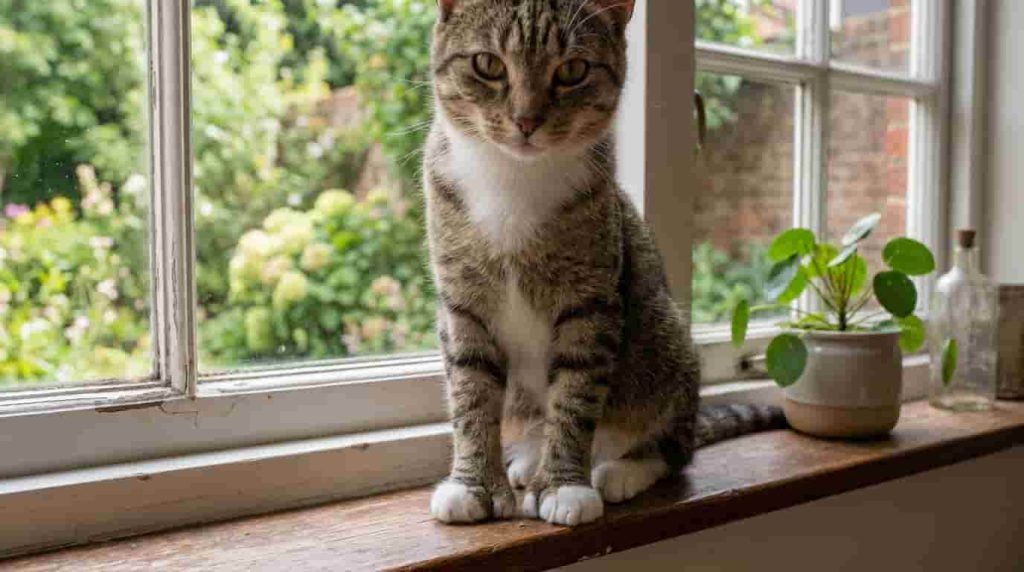
Polydactylism in felines comes from a genetic mutation. This mutation affects a gene involved in limb development before birth. As a result, kittens can be born with extra toes on their front paws, back paws, or both.
This genetic mutation in cats is dominant. Therefore, if one parent carries it, kittens have a high chance of inheriting extra toes. Breeders and vets have studied this trait for decades.
Additionally, the mutation is not linked to any disease. It does not shorten a cat’s life. It simply changes the shape of the paw.
Most polydactyl cats have five or six toes per paw. However, some rare cases show seven or more. Veterinary sources such as VCA Animal Hospitals confirm that extra toes rarely cause mobility problems when properly maintained.
How Many Extra Toes Can a Cat Have?
A normal cat has eighteen toes in total. Front paws usually have five toes each. Back paws usually have four toes each.
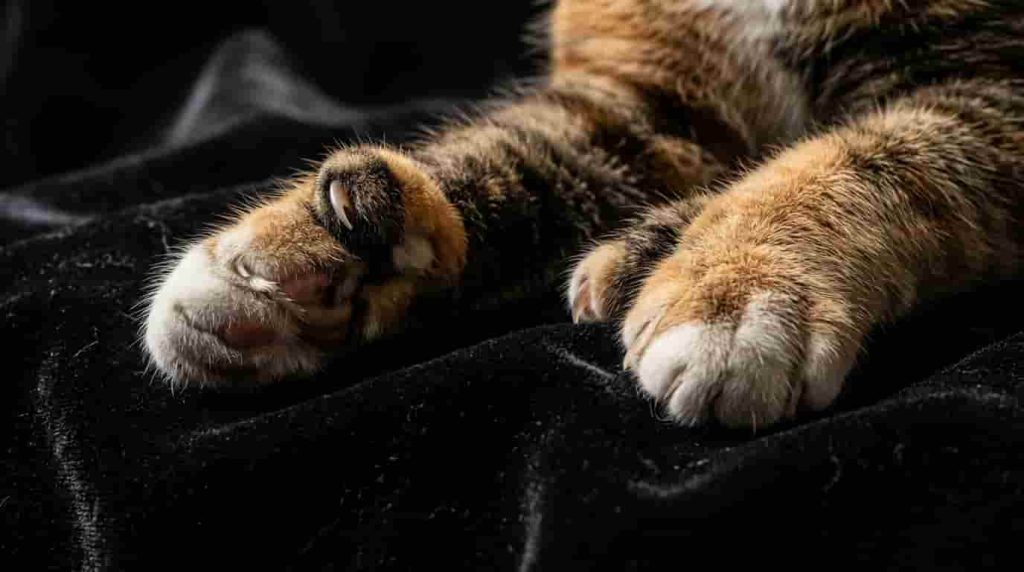
Polydactyl cats break this pattern. Some have six toes on every paw. Others only show the trait on their front feet. As a result, no two polydactyl cats look exactly alike.
Famous Polydactyl Cats Throughout History
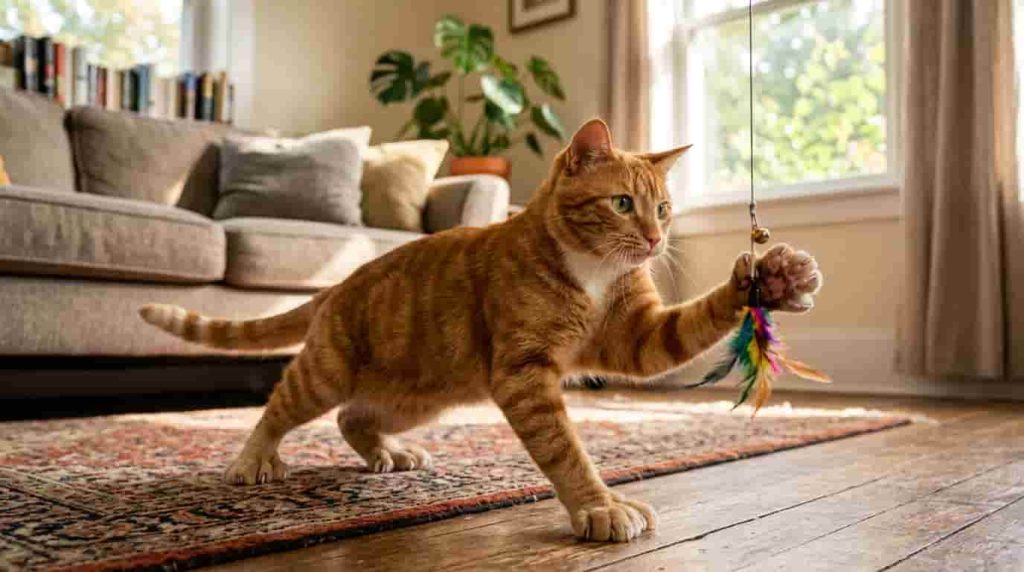
Famous polydactyl cats have captured public attention for generations. The most well known example involves author Ernest Hemingway. He received a six toed cat from a ship captain, and he adored it.
Today, dozens of Hemingway cats still live at his former home in Key West, Florida. Many of them carry the same genetic mutation feline lovers find so charming.
Sailors once believed polydactyl cats brought good luck at sea. Extra toes were thought to improve balance on rocking ships. Consequently, many sailors kept them as beloved companions during long voyages.
This history adds a fun layer to an already fascinating trait. It also explains why polydactyl cats are more common along certain coastal regions in the United States and Britain.
Cat Breeds With Extra Toes
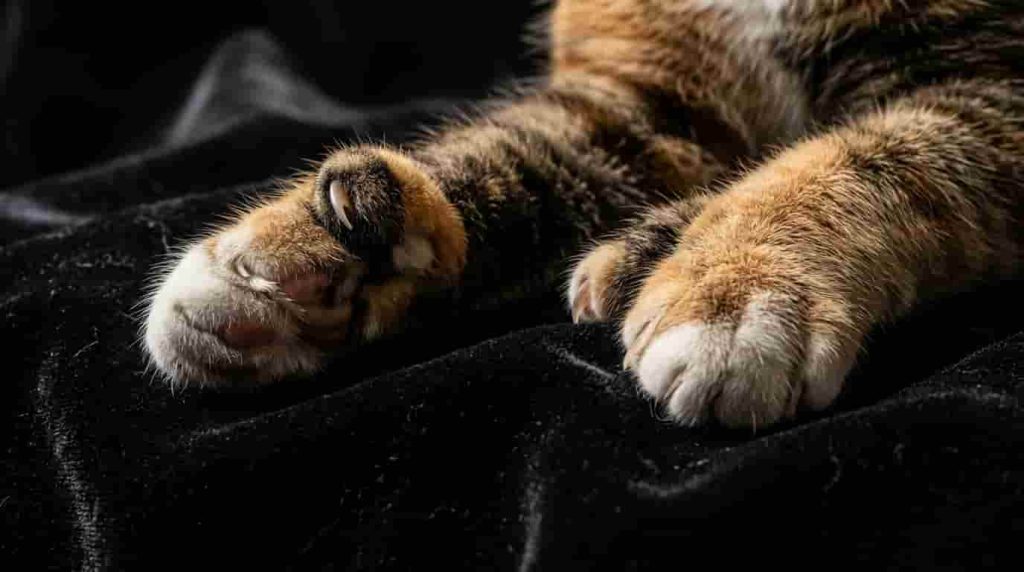
Cat breeds with extra toes are not limited to one type of cat. Polydactylism can appear in almost any breed, including mixed breed cats.
However, it is seen more frequently in:
- Maine Coon cats
- American Shorthair cats
- British Shorthair cats
- Various mixed breed farm cats
Maine Coons are especially known for this trait. Their wide, extra toed paws may have helped them walk more easily through snow. This is a popular theory, though it has not been fully proven.
If you enjoy unusual cat breeds, you might also like Turkish Van Cat: The Rare Cat That Loves Swimming. Unlike most cats, this breed jumps into water without hesitation.
Polydactyl Cat Characteristics Owners Should Know
Polydactyl cat characteristics go beyond the toes themselves. Many owners say these cats have wider paws overall. This can give them a sturdier stance when climbing or jumping.
Some owners also report that their cats use their front paws almost like hands. They pick up toys, tap on doors, or bat at objects with impressive precision.
Polydactyl Cat Care and Health Tips
Polydactyl cat care is mostly the same as caring for any cat. Still, a few small adjustments help keep their paws healthy.
First, check their nails regularly. Extra toes often mean extra claws, and some claws may grow at unusual angles. Because of this, nails can become overgrown and uncomfortable if ignored.
Next, trim nails every two to three weeks. Overgrown claws can curl into the paw pad, which is painful and can lead to infection.
Also, watch for signs of limping or discomfort. While rare, some polydactyl cats develop radial hypoplasia, a condition affecting the bone structure of the leg. According to PetMD, this condition is uncommon but worth monitoring in cats with unusually large or complex toe clusters.
Finally, schedule regular vet checkups. A veterinarian can confirm that your cat’s paws are developing normally and catch any issues early.
Unique Cat Paws and Everyday Life
Unique cat paws rarely cause problems for daily activities. Most polydactyl cats run, jump, and scratch just like any other cat.
In fact, many owners say their cat’s extra toes make grooming routines more interesting. There are simply more nails to trim during each session.
Polydactyl Cat Adoption Opportunities
Polydactyl cat adoption opportunities exist at many shelters across the country. These cats are not rare enough to require specialized breeders, so adoption is often the easiest and most affordable option.
Shelters rarely charge extra for polydactyl cats. Their unique paws do not affect their price, health insurance needs, or daily care requirements.
If you want a cat with a distinctive look, consider checking local shelters first. You might also enjoy learning about the Khao Manee Cat: The Rare Diamond Eyed Cat From Thailand, another breed known for its unusual physical traits.
For something even more unexpected, the Lykoi Cat: The Natural Werewolf Cat That Shocked the World offers a completely different kind of rare appearance.
Polydactyl Cat Facts Worth Sharing
Polydactyl cat facts continue to surprise even experienced cat owners. Here are a few worth remembering:
- Polydactylism in cats is caused by a single dominant gene.
- Extra toes usually appear on the front paws first.
- Maine Coons are among the most common polydactyl cat breeds.
- Hemingway cats remain one of the most famous examples in history.
- Most polydactyl cats live completely normal, healthy lives.
According to Cornell University College of Veterinary Medicine, genetic mutations like this one are generally harmless and pose no long term threat to a cat’s wellbeing.
Final Thoughts on Polydactyl Cats
Polydactyl cats are proof that nature loves variety. A simple genetic mutation created a trait that has fascinated sailors, writers, and cat lovers for centuries.
Their extra toes rarely cause problems. Instead, they often add charm, character, and a little extra grip for climbing and playing.
So the next time you see a cat with mitten like paws, you will know exactly why. Have you ever met a polydactyl cat? Share your story in the comments below.
Frequently Asked Questions
No, they are not extremely rare. They appear regularly in certain regions and breeds, especially along the eastern coast of the United States.
Usually not. Most polydactyl cats live pain free lives. Regular nail trims help prevent discomfort.
Maine Coon cats are the breed most associated with this trait, though it can appear in many breeds.
Yes. Most polydactyl cats walk, run, and jump exactly like any other cat.
Yes. It is caused by a dominant gene, so kittens have a high chance of inheriting it from an affected parent.