Cat Screen Door: Durable screens that stand up to sharp claws.
Introduction:
Cat screen door options solve a massive headache for pet parents every single summer. Why do ordinary mesh entryways shred into thin dangling threads whenever a playful pet spots a flying bird outside?
You open your back porch entrance to welcome a fresh evening breeze into your home. Suddenly, your energetic pet leaps straight up the mesh frame, sinking needle-sharp claws deep into lightweight vinyl threads.
A loud popping noise echoes across your quiet porch as the thin fabric splits completely open. Your heart stops instantly because your curious pet now peers through a fresh gaping hole toward busy outdoor streets.
Standard fiberglass screening material simply cannot resist sharp feline claws or sudden heavy impacts. Consequently, curious pets escape into neighborhood yards while unwanted bugs fly straight inside your living room.
How can home owners enjoy fresh summer air without risking sudden pet escapes?
Heavy vinyl coated polyester mesh provides incredible strength that regular bug netting lacks. Upgrading to reinforced materials creates a secure home environment for every indoor animal.
A sturdy cat screen door transforms flimsy porch barriers into rugged protective shields. Let us explore how modern pet mesh materials keep your active companions safe inside.
Why Standard Screen Mesh Fails Against Sharp Claws
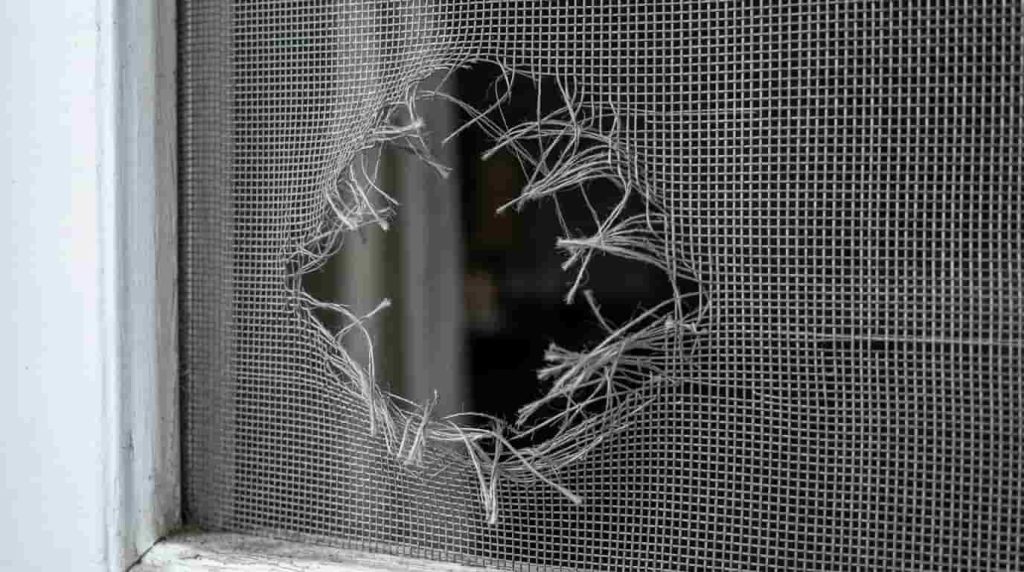
A weak cat screen door ruins summer relaxation because basic fiberglass netting lacks structural tensile strength. Sharp claws easily pierce soft vinyl coatings and slice through delicate inner threads within seconds.
Repeated climbing creates loose sagging pockets that weaken frame tension over time. Eventually, tiny claw holes join together into giant tears that allow sudden pet escapes.
Upgrading to Heavy Duty Cat Proof Screen Door Mesh
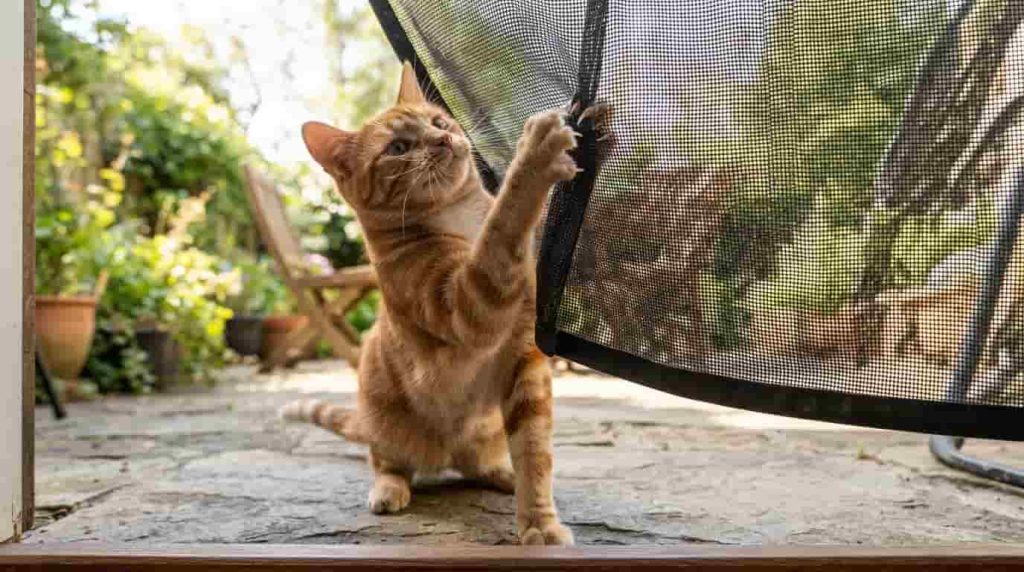
Replacing flimsy netting with a cat proof screen door protects your home frame investment long term. Heavy vinyl coated polyester strands resist sharp claws up to seven times better than standard fiberglass materials.
Thick woven strands prevent fraying even when energetic pets scramble up screen frames after moths. Thick mesh construction also stops sudden impacts from popping screen splines out of aluminum frames.
Installing a cat screen door gives you instant peace of mind whenever front doors stay open. Choosing heavy mesh keeps your home secure while fresh air circulates through every room.
Modern Options for a Magnetic Cat Screen Door
Setting up a magnetic cat screen door offers fast hands free access for busy human family members. Heavy duty magnetic strips along center seams snap shut automatically after anyone walks through the opening.
High energy magnets hold vertical seams tightly closed against strong summer wind gusts. Heavy bottom weights prevent netting from blowing open and tempting curious pets to wander outside.
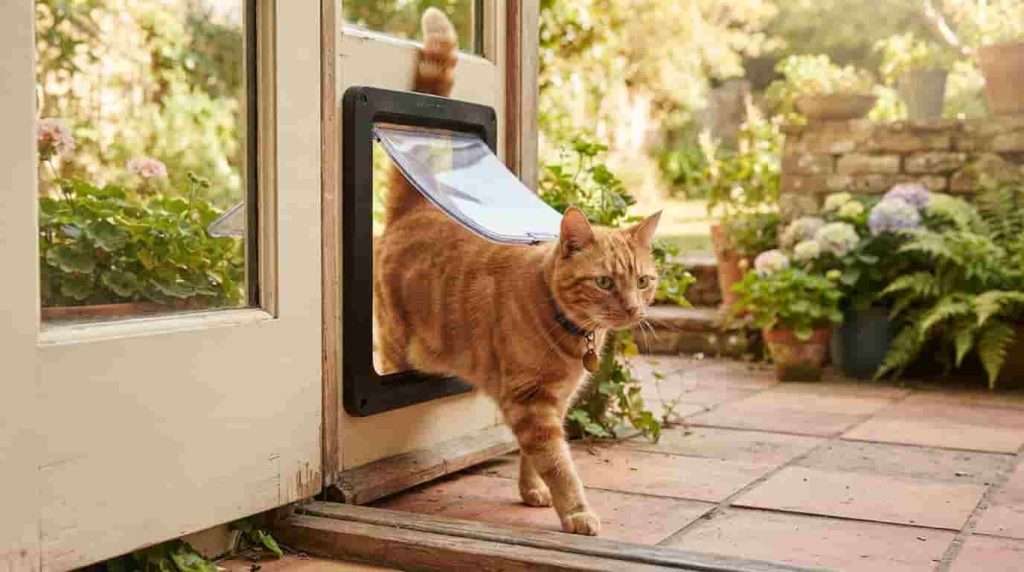
Installing a Screen Door with Cat Flap Access
Adding a screen door with cat flap hardware gives indoor pets controlled freedom to explore enclosed patios. Built in locking latches let you restrict access during late night hours or stormy weather easily.
Rigid plastic flaps swing smoothly on top hinges without pinching delicate tails during passage. Snap on plastic covers block cold winter drafts completely during chilly seasonal months.
Proper indoor environmental control prevents stress induced litter box accidents across your home space. Learn how to protect interior flooring by reading Cat Wood Floor: Best ways to clean pee without ruining the finish today.
A strong cat screen door combined with built in flap latches keeps your home secure day and night.
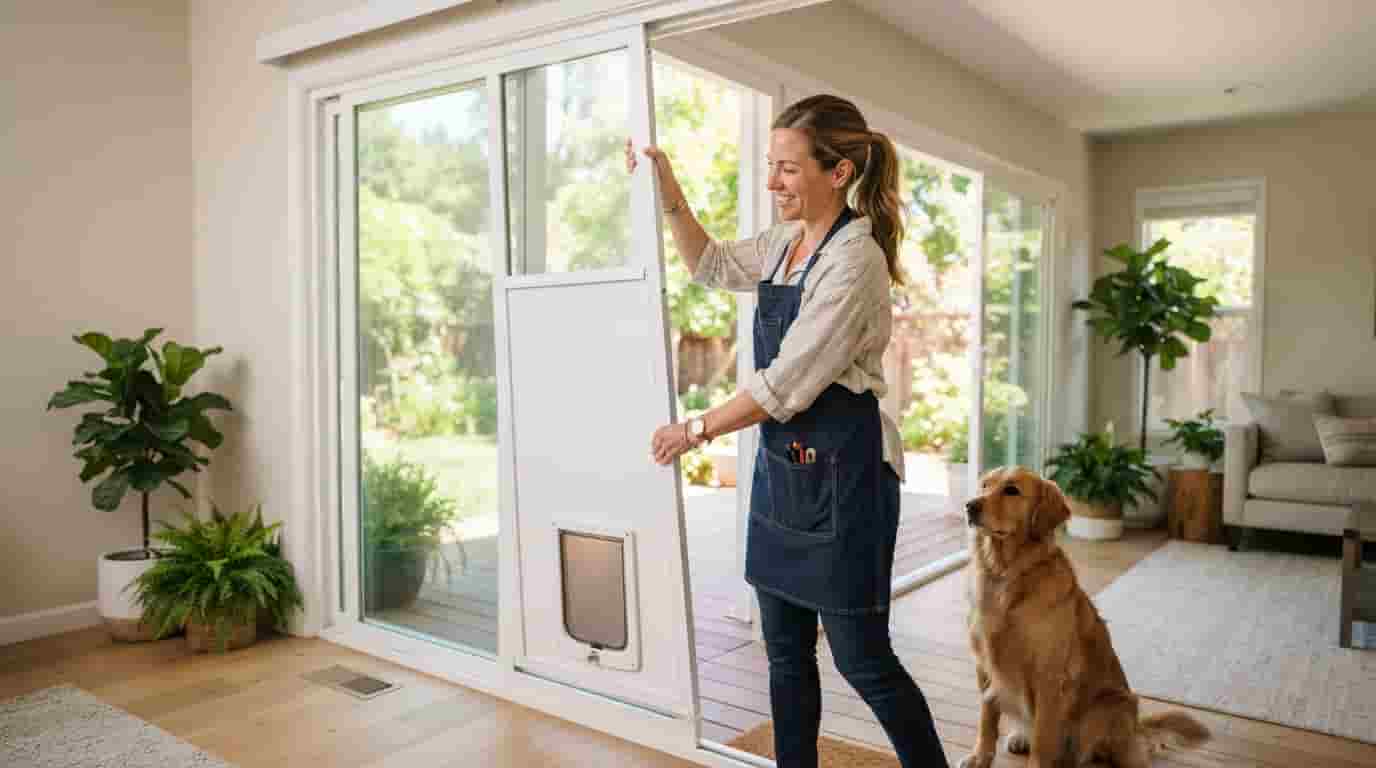
Installing a Sliding Cat Door for Patio Frames
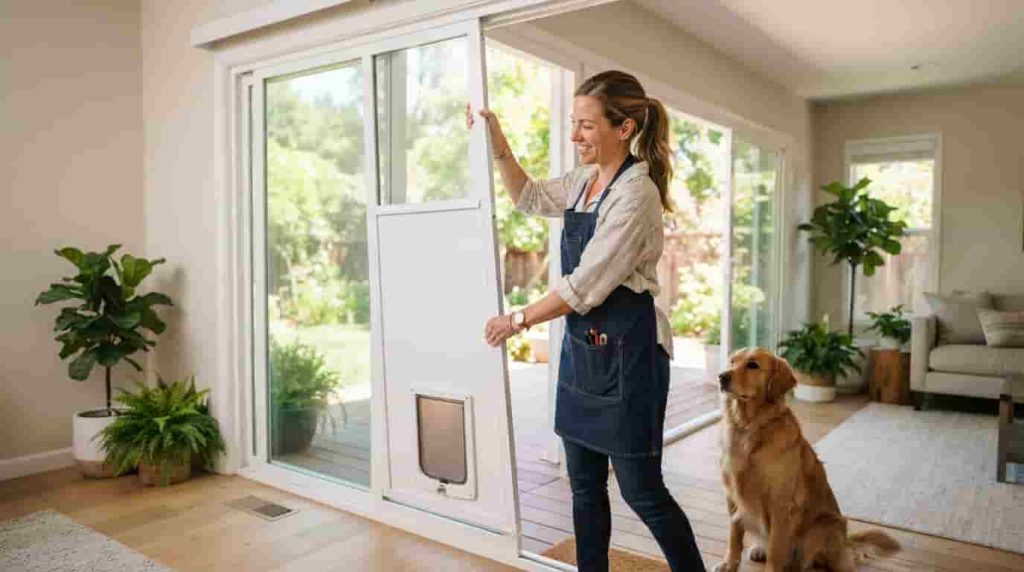
Fitting a sliding cat door panel onto existing track frames requires minimal household hand tools. Heavy patio doors slide smoothly while specialized insert panels fit securely inside side jams.
Adjustable spring loaded top sections lock insert panels firmly into upper tracks without drilling holes. Weather stripping strips fill side gaps tightly to stop cold air leaks and tiny insects.
Fitting a Screen Door for Sliding Glass Door with Cat Door
Selecting a screen door for sliding glass door with cat door hardware maximizes fresh air circulation indoors. Experts at the Humane Society of the United States emphasize that secure screen barriers prevent accidental pet escapes while providing vital environmental enrichment.
Pet parents residing in high rise apartment buildings need specialized fall prevention barriers across high windows. Discover critical high rise balcony protection methods by reading Cat Balcony Safety: Using netting to prevent high rise falls right now.
Installing a cat screen door panel on sliding glass tracks keeps indoor air moving during warm summer months.
Securing Interior Spaces with a Cat Door for Interior Door
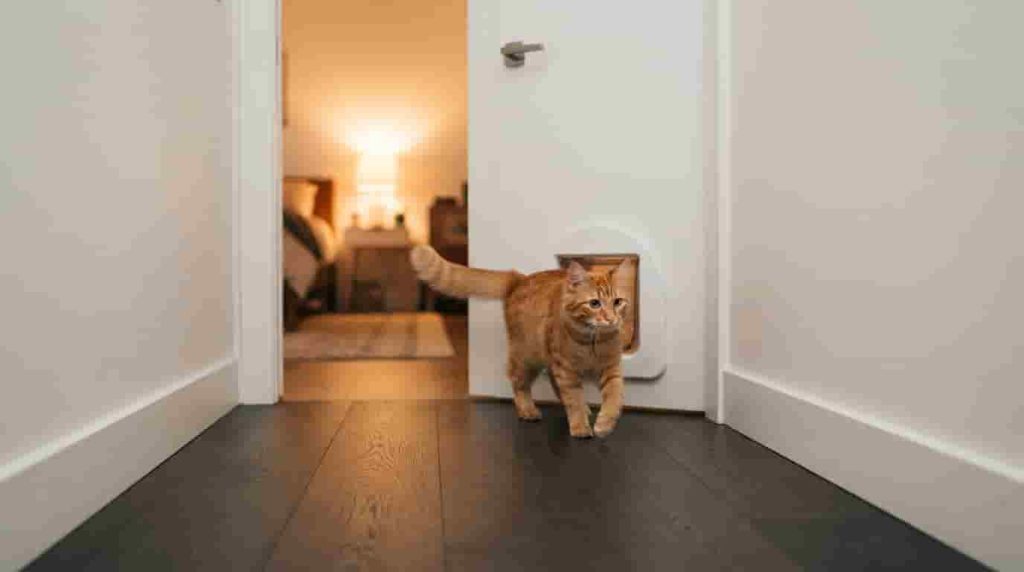
Using a cat door for interior door installations creates private retreat zones away from loud house guests. Cutting neat access holes through hollow core interior doors takes less than twenty minutes with a basic jigsaw.
Two piece plastic frames snap tightly around cut wood edges to shield paws from sharp wood splinters. Mounting entry latches on laundry room doors keeps messy litter boxes hidden from main living areas.
Choosing the Best Screen Door for Cats and Indoor Spaces
Finding the best screen door for cats involves matching frame material with your pet’s daily activity level. Heavy extruded aluminum frames resist bending much better than lightweight plastic frames during rough play.
Consider these smart features when selecting pet door for screen door setups:
- Heavy vinyl coated polyester screen mesh that resists sharp claws.
- Strong magnetic center closures that snap shut automatically.
- Four way locking latches on rigid pet flaps for security.
- Reinforced aluminum frame corners that resist sudden pet impacts.
A sturdy cat screen door setup provides reliable daily protection across every entry point in your home. Small apartments require smart vertical space planning to keep energetic pets active and happy indoors.
Explore creative small space enrichment solutions by reading Cat Apartment Living: Keeping a cat happy in a tiny space for expert advice.
Simple Step by Step Cat Door Installation Tips

Completing a cat door installation on existing screens requires basic household tools and careful measuring work. First, measure your pet’s shoulder height to position lower flap frames correctly above floor level.
Place the outer frame ring against your screen mesh and mark inner mounting holes clearly. Next, snap matching inner and outer frame rings tightly together over the screen material.
Mounting a Pet Door for Cats on Frame Netting
Securing a pet door for cats requires slicing away center screen mesh using a sharp utility knife. Smooth any rough plastic edges carefully before letting curious pets explore the new opening.
Medical resources from the American Veterinary Medical Association note that providing safe outdoor views reduces stress and behavioral anxiety in indoor pets.
A solid cat screen door frame ensures smooth swinging action every time your pet uses the flap. Testing magnetic closures after installation prevents accidental stickiness or misalignment.
Versatile Solutions Using a Cat Door for Window Frames
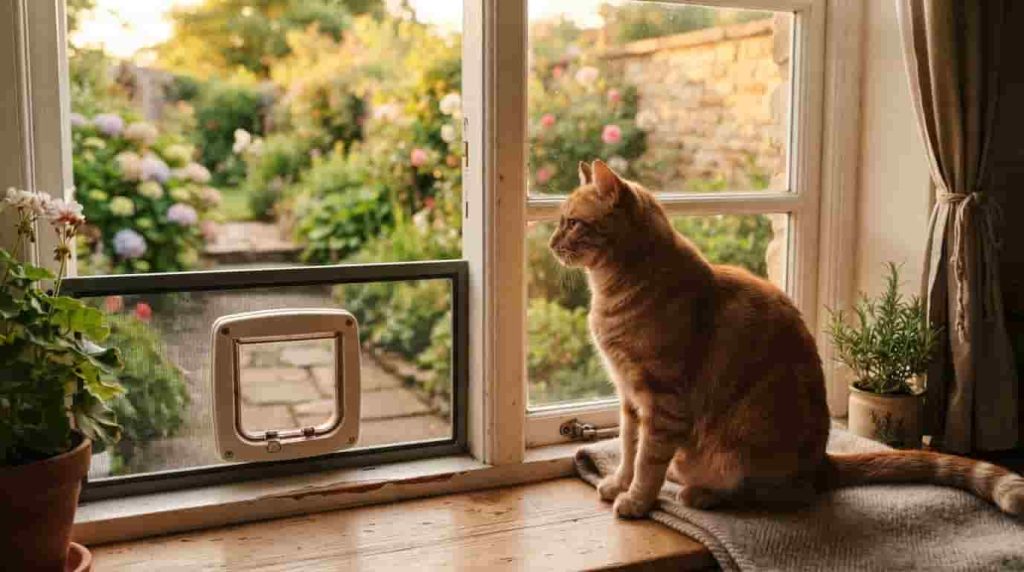
Mounting a cat door for window tracks lets indoor pets access secure outdoor cat patios easily. Custom aluminum window inserts fit standard sash tracks tightly without altering original window frames.
Locking side clips secure window inserts against solid frames to prevent unwanted human entry from outside. Insulated plastic flaps block cold drafts effectively while allowing full daytime sun exposure.
Choosing a Small Cat Door for Window Inserts
Selecting a small cat door size prevents larger neighborhood animals from squeezing inside your home uninvited. Installing a magnetic cat flap door panel ensures that only your pet moves through window tracks.
A heavy duty cat screen door panel turns drafty windows into safe sunshine portals. Adding a cat door insert panel keeps your indoor environment comfortable year round.
Final Steps for Choosing Your Ideal Cat Screen Door
Choosing a durable cat screen door protects your beloved pets while letting natural summer breezes inside. Upgrading to heavy vinyl coated mesh stops claw tears and prevents sudden pet escapes permanently.
Magnetic center closures and rigid flap latches offer seamless hands free access for every family member. Installing reinforced screen panels creates a safe home environment where indoor pets thrive daily.
Which durable screen setup works best for your home patio entrance? Share your personal screen door experiences and installation tips in the comments section below!
Frequently Asked Questions
Heavy duty pet screen mesh made from vinyl coated polyester resists sharp feline claws easily. It offers up to seven times more strength than standard fiberglass screening material. Pets cannot slice or tear reinforced pet mesh during daily climbing play.
Snap matching inner and outer frame rings tightly together over your existing screen fabric. Use a sharp utility knife to cut away the screen material inside the frame opening. Smooth all rough plastic edges before allowing your pet to pass through.
Heavy duty magnetic screen doors feature strong central magnetic strips that snap shut instantly after entry. High energy magnets resist wind gusts and prevent curious pets from pushing mesh panels open. Always choose reinforced pet mesh models for maximum frame security.
Measure the distance from your cat’s chest to its floor paws to calculate lower frame height. Measure your cat’s widest body points across shoulders or hips to pick correct flap dimensions. Add two inches to total width measurements for comfortable daily movement.
Quality cat window inserts feature rigid aluminum frames and internal locking security pins. Locking mechanisms prevent humans from opening window panels from outside while your pet uses flaps freely. Always engage side safety locks when leaving home unattended.