Cheetoh Cat: The Spotted Cat With a Wild Look
Introduction:
Cheetoh Cat lovers often wonder how a domestic house pet grows bigger than most small dogs while staying incredibly gentle. What happens when a visionary breeder intentionally crosses two separate spotted domestic breeds to create a gentle giant?
A quiet Saturday morning turns surprising when a massive fifteen-pound feline leaps silently onto your kitchen counter. Your eyes register the bold cheetah spots along its long, muscular spine.
This athletic companion looks like a dangerous jungle predator patrolling your hallway. Yet, this giant pet purrs loudly and nudges your hand for soft chin scratches.
Cat breeder Carol Hughes created this special breed in two thousand four across the United States. She wanted to develop a feline with a fierce wild appearance and a sweet, dependable temperament.
Genetic tests confirm a surprising fact about these muscular house companions. These massive felines carry zero wild DNA despite their striking wild appearance.
Hughes combined specific domestic lines to produce a large, gentle animal that loves human affection. The result created a sweet home companion that looks like a miniature cheetah.
The Cheetoh Cat offers pet owners an unbelievable mix of massive size, wild beauty, and dog-like devotion. Let us explore the origins, physical traits, and caring routines for this extraordinary domestic pet.
The Origin and History of the Cheetoh Cat
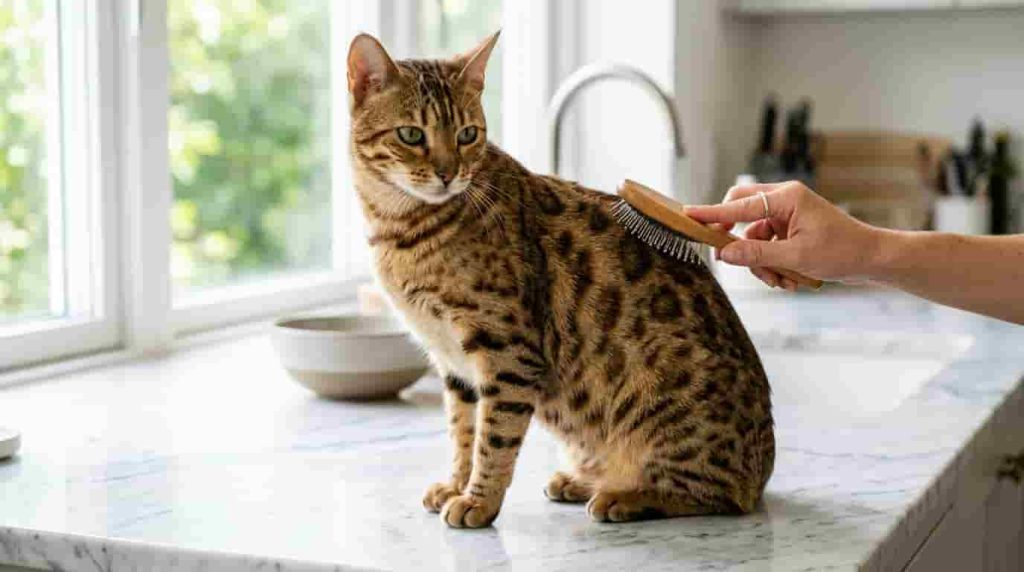
The Cheetoh Cat history began when Carol Hughes crossed specific generations of Bengal cats with Ocicats. She carefully chose specific bloodlines to prioritize gentle temperaments over unpredictable wild behaviors.
Her deliberate choices produced offspring that grew larger than both parent breeds combined. The United Feline Organization officially recognized this unique bloodline in two thousand four.
Exploring Essential Cheetoh Cat Information and Heritage
Learning basic cheetoh cat information reveals why these gentle giants attract so many pet lovers. Breeders specifically created these animals to offer exotic looks without the legal restrictions of wild hybrids.
Unlike early hybrid crosses, these domestic companions adapt quickly to modern household routines. Owners enjoy bold leopard spots without worrying about aggressive instincts or destructive indoor behavior.
Other breeders used pure domestic lines to craft spotted house pets for conservation awareness. Read about another famous domestic creation by exploring California Spangled Cat: The Rare Leopard-Like Cat right now.
This careful breeding process guarantees a steady, loving companion for your household.
Unique Physical Features and Cheetoh Cat Size Expectations
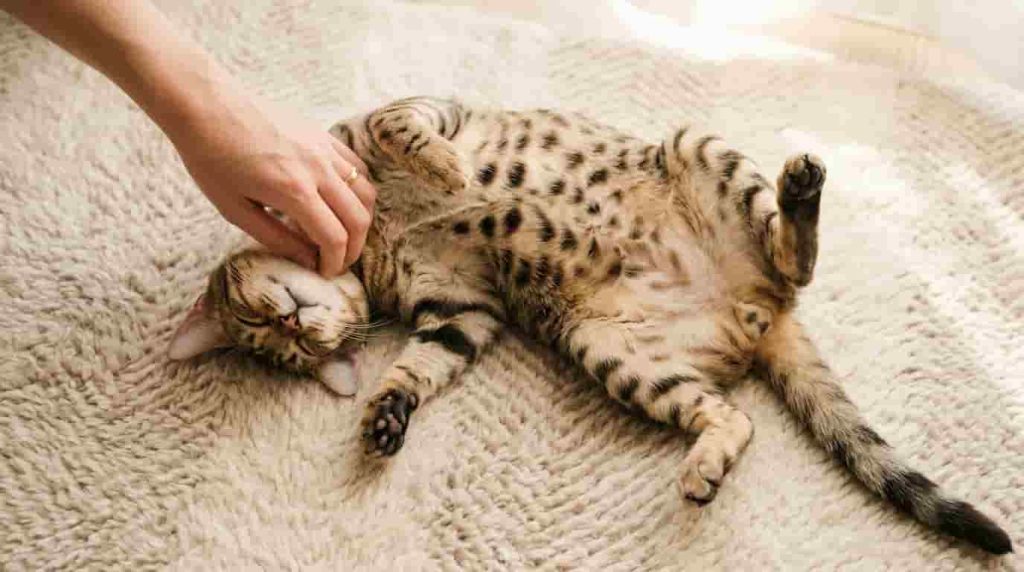
Dramatic cheetoh cat size traits instantly set these impressive animals apart from standard domestic felines. Adult males easily weigh between fifteen and twenty-one pounds of lean muscle.
Female companions usually weigh between twelve and fifteen pounds when fully grown. Long legs and high shoulder blades create a low, creeping walk that mimics wild jungle cats.
Recognizing Key Cheetoh Cat Characteristics in Coat Patterns
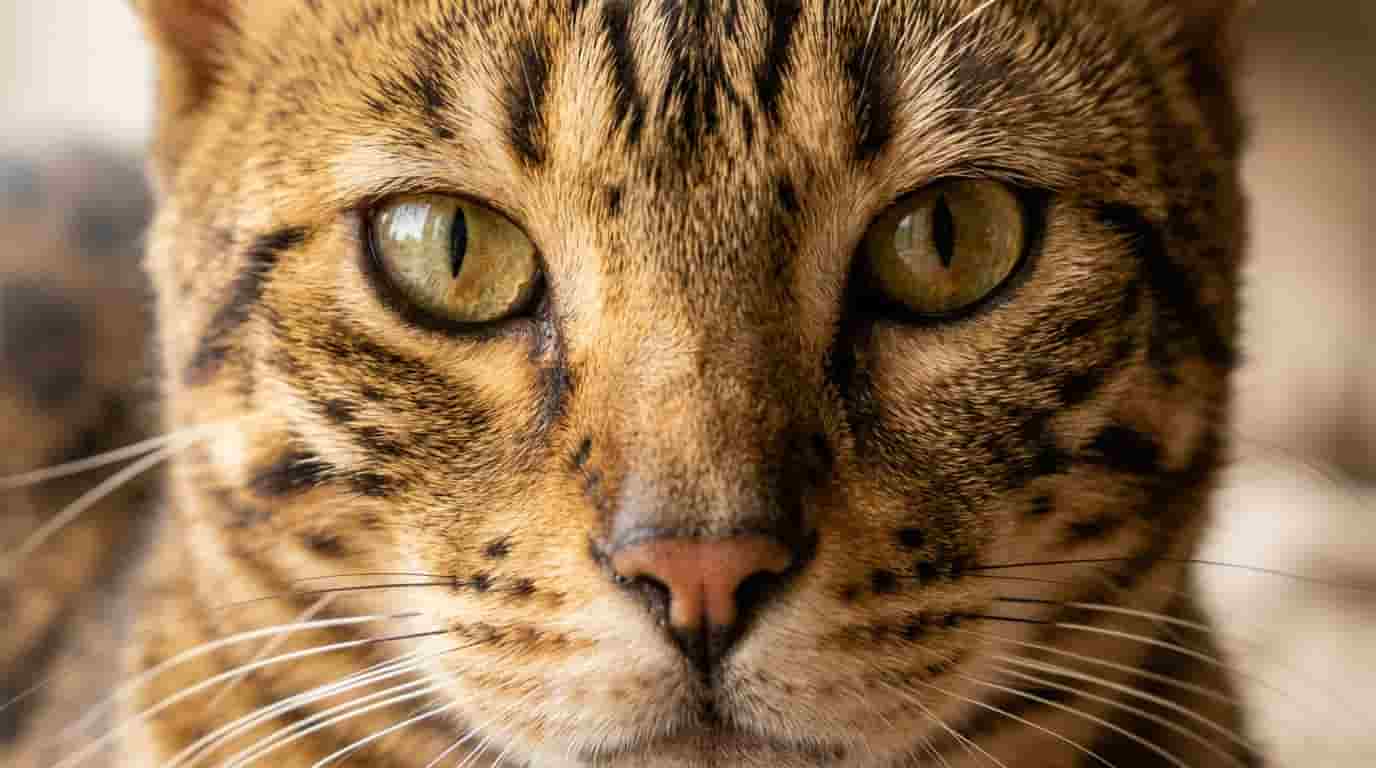
Striking cheetoh cat characteristics include velvet-soft coats covered in bold spots or rosette markings. Traditional tawny coats display dark brown or black spots over warm gold fur backgrounds.
Silver varieties feature jet-black spots over icy white undercoats, highlighting strong muscle lines clearly. Cinnamon coats showcase warm reddish markings over pale cream fur shades that shine brightly under sunlight.
Pet lovers drawn to spotted domestic animals often compare different physical traits across breeds. Discover a fully domestic spotted pet by visiting Ocicat cat: The Wild-Looking Cat With No Wild DNA today.
These distinctive markings turn every everyday stride into an impressive visual display.
Understanding Sweet Cheetoh Cat Personality and Behavior
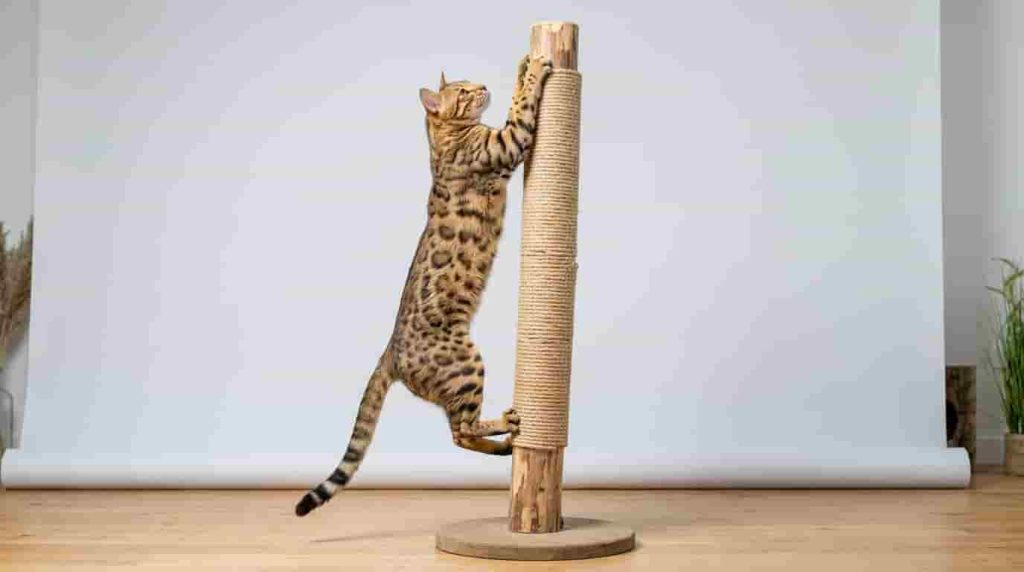
The loving cheetoh cat personality surprises visitors who expect a distant or aggressive animal. These giant pets seek out human lap time, purring loudly while resting heavy heads against your arm.
They form deep emotional bonds with children, following family members from room to room like loyal dogs. High intelligence helps them master interactive games, opening doors and fetching toys easily.
Nurturing Dynamic Cheetoh Cat Temperament Attributes
Understanding relaxed cheetoh cat temperament patterns helps owners create rich home environments. According to behavioral guidelines from the Cat Fanciers’ Association, large athletic pets need daily interactive play to stay healthy.
These confident companions enjoy climbing tall cat trees to observe busy households from high perches. They rarely display fear around house guests, greeting new visitors with friendly chirps and nudges.
Owners interested in world-record athletic companions often study various energetic breeds carefully. Explore lightning-fast indoor runners by reading Egyptian Mau cat: The Fastest Domestic Cat Breed today.
Their social nature makes them fantastic choices for active families with multiple pets.
Daily Cheetoh Cat Care and Grooming Guidelines
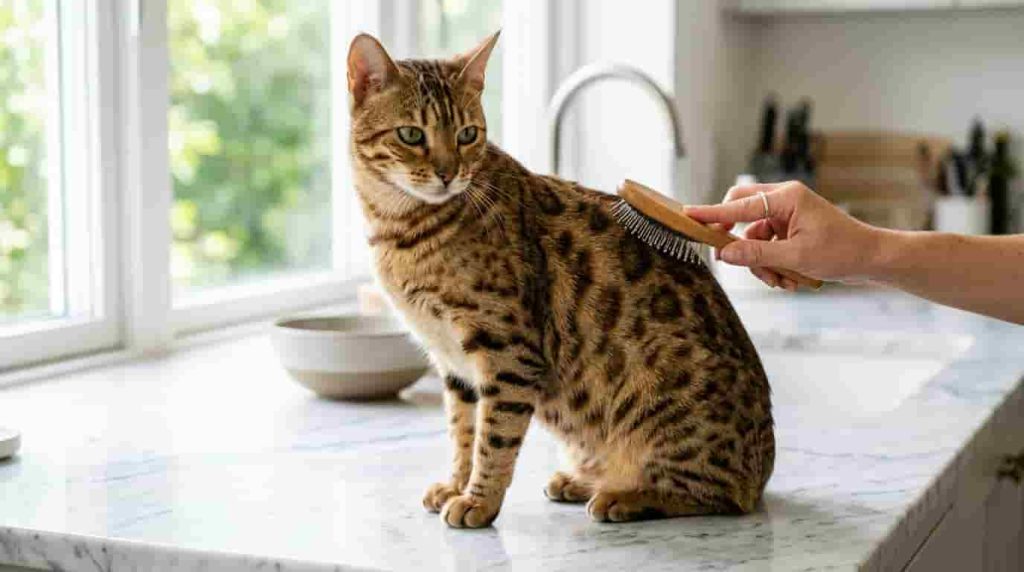
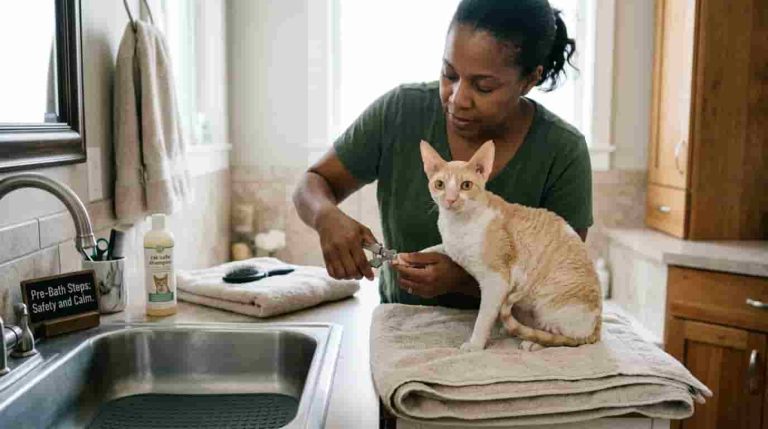
Proper cheetoh cat care remains simple because short, plush coats shed very little hair. Weekly brushing with a soft rubber slicker removes loose fur while spreading natural skin oils evenly.
Trimming heavy claw tips every two weeks protects household furniture during energetic indoor play sessions. Wiping inner ears gently with damp cotton pads prevents wax buildup and common infections.
Maintaining Optimal Health in the Cheetoh Breed
Supporting healthy growth in the cheetoh breed requires nutrient-rich food formulas packed with quality meat protein. Large body frames need proper joint support to maintain agility throughout their adult lives.
The American Veterinary Medical Association recommends annual veterinary checkups to monitor weight, joints, and heart health. The average lifespan for a healthy Cheetoh Cat ranges between twelve and fourteen years.
Simple health habits keep your large companion thriving year after year:
- Feed high-protein meat diets to nourish heavy muscle mass properly.
- Provide large, sturdy climbing trees that support heavy body weight safely.
- Brush short fur weekly to maintain a glossy, sleek coat texture.
- Schedule annual checkups with your veterinarian to track joint development.
Consistent daily attention ensures your large companion enjoys a vibrant, active life.
Finding Ethical Cheetoh Cat Breeders and Price Expectations
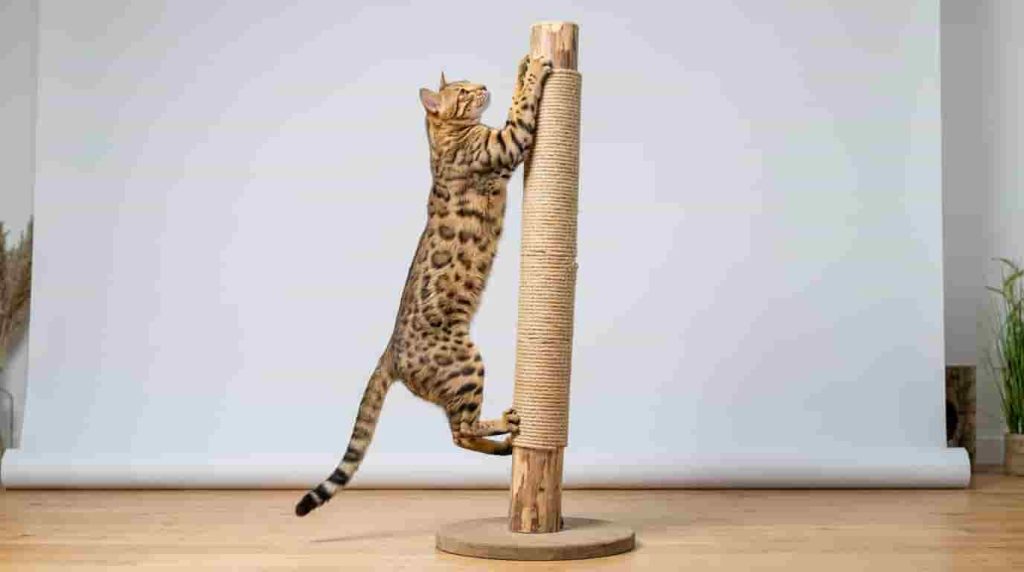
Finding healthy cheetoh cats requires contacting specialized cheetoh cat breeders who conduct proper genetic testing. Ethical breeders screen parent animals for heart issues and knee problems before planning litters.
Expect a typical cheetoh cat price to range between eight hundred and fifteen hundred dollars for pets. Show-quality kittens or rare color variations may command higher prices depending on availability.
Searching for a Cheetoh Cat for Sale Safely
Searching for a cheetoh cat for sale requires careful verification of breeder credentials and health records. Reputable breeders provide official registration papers, vaccination history, and health guarantees before adoption.
Socialized kittens explore new rooms boldly, showing friendly curiosity toward human touch and new sounds. Bringing home a healthy kitten fills your household with joyful energy and sweet companionship.
Every Cheetoh Cat brings dramatic wild looks and deep affection into modern living rooms. This gentle giant quickly becomes an irreplaceable member of your loving home.
Final Thoughts on the Cheetoh Cat
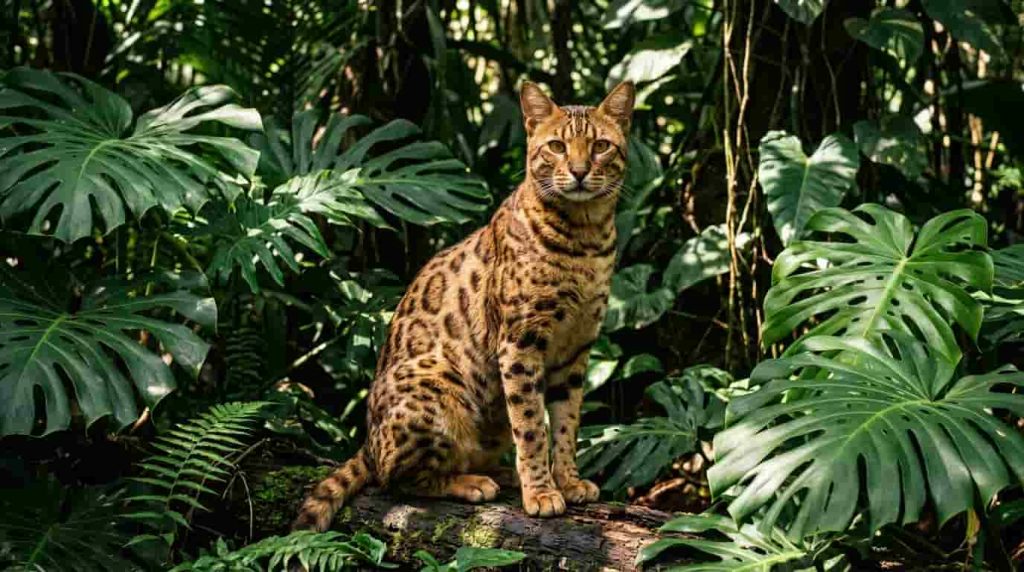
The Cheetoh Cat represents an extraordinary achievement in domestic feline breeding and gentle companionship. You now know how Carol Hughes crossed Bengal and Ocicat lines to create this spotted giant.
Their massive size, wild cheetah spots, and sweet nature make them ideal household family pets. Basic grooming routines, high-protein nutrition, and daily interactive play keep these large animals healthy for life.
Owning a Cheetoh Cat brings exotic wild style together with sweet domestic devotion into your living space. Embracing their loving spirit transforms your home into a sanctuary of joy and wonder.
What surprises you most about the massive size and sweet nature of the Cheetoh Cat? Share your thoughts and personal pet stories in the comments section below!
Frequently Asked Questions
No, the Cheetoh Cat carries zero wild feline DNA in its genetic makeup. Breeders created the line by crossing specific generations of Bengal cats and Ocicats. They offer striking wild spots combined with completely domestic, gentle temperaments.
Adult males typically weigh between fifteen and twenty-one pounds of lean muscle. Females usually weigh between twelve and fifteen pounds when fully mature. Their long legs and heavy bones make them significantly larger than standard house pets.
Yes, they possess patient, friendly personalities that adapt wonderfully to active family environments. Their confident nature helps them handle play sessions with respectful children very well. Early socialization ensures sweet, dependable behavior around family members of all ages.
No, their short, plush coats shed very little loose fur inside modern homes. Weekly brushing with a rubber brush easily controls loose hair and dander buildup. Their sleek fur coat remains low-maintenance compared to long-haired breeds.
Pet kittens from registered ethical breeders usually cost between eight hundred and fifteen hundred dollars. Prices vary based on coat markings, bloodline rarity, and breeder location. Always choose breeders who provide complete health testing documentation.