What Is the Best Cat Breed for Families? 10 Friendly Breeds for Kids and Households
Introduction: What Is the Best Cat Breed for Families?
What Is the Best Cat Breed for Families? Choosing a feline companion that meshes seamlessly into a busy, multi-person household is a rewarding yet complex undertaking. Unlike choosing a pet for a single owner, a family cat must navigate diverse personalities, varying daily schedules, unpredictable noise levels, and sometimes interactions with children or other household pets.
There is no single “perfect” breed for every home. Instead, the ideal choice depends on a careful balancing act of temperament, activity level, grooming commitments, and lifestyle compatibility. While breed tendencies provide an exceptionally helpful roadmap, every cat possesses an individual personality that ultimately dictates how well they adapt to domestic life. This guide explores the best family-friendly cat breeds to help you find your household’s perfect match.
What Is the Best Cat Breed for Families?
Give the Direct Answer First
While countless wonderful breeds exist, certain felines consistently earn top marks for household living due to their resilient, adaptable, and social dispositions. Standout candidates include the Ragdoll, Maine Coon, American Shorthair, Birman, and British Shorthair. These breeds are widely celebrated for blending well into family routines, though individual temperament should never be taken as an absolute guarantee.
What Makes a Cat a Good Family Pet?
When evaluating potential feline additions, families should look for specific behavioral traits:
- Friendly and social temperament: Enjoying human company rather than permanently hiding under a bed.
- Adaptability: Remaining calm and flexible when household routines shift or guests visit.
- Appropriate energy level: Matching the household’s pace, whether high-energy or relaxed.
- Patience: Tolerating respectful interaction from children without unwarranted aggression.
- Compatibility: Living peacefully alongside other pets like dogs or resident cats.
- Manageable maintenance: Aligning with the family’s willingness to handle grooming and care duties.
Why Personality Matters as Much as Breed
Two cats from the exact same litter can exhibit drastically different personalities—one might be a bold explorer while the other is a shy lap warmer. Meeting an individual cat beforehand or adopting a well-socialized adult whose personality is already fully formed can take much of the guesswork out of the selection process.
10 Best Cat Breeds for Families
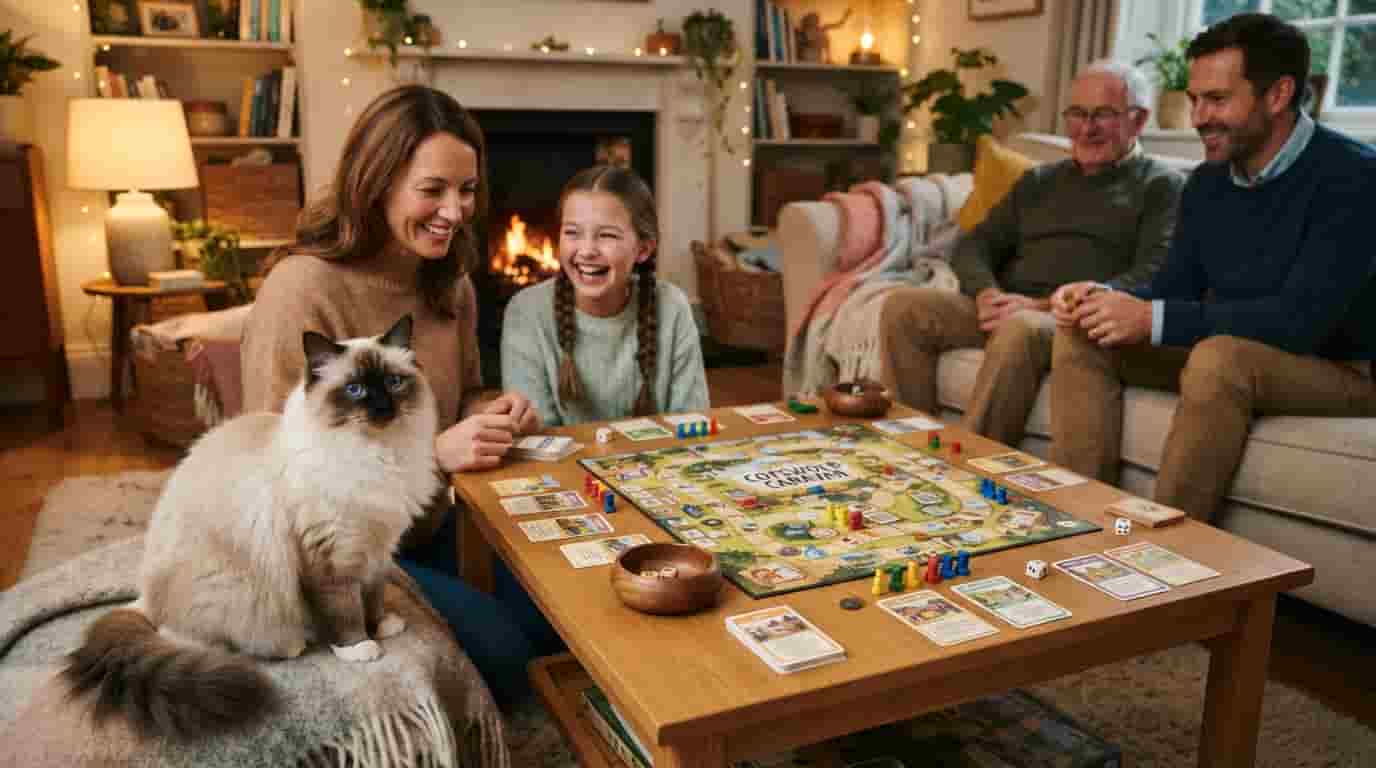
1. Ragdoll
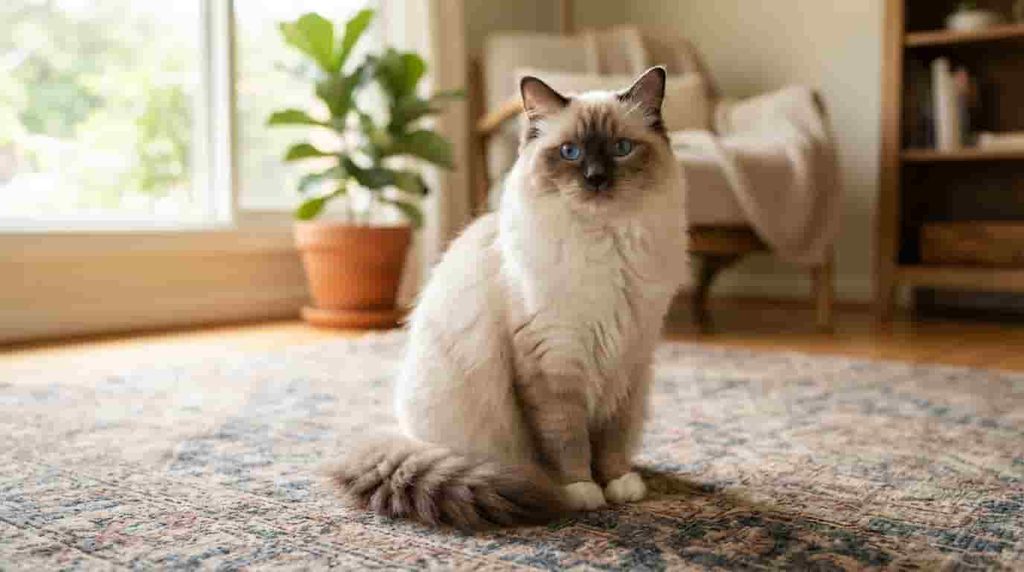
- Temperament: Gentle, sweet, and deeply affectionate.
- Behavior: Famous for going limp with pleasure when cradled, they thrive as calm, social companions.
- Activity Needs: Moderate; they enjoy interactive play without bouncing off the walls.
- Grooming: Requires regular brushing to maintain their semi-long coat.
- Best for: Families looking for an affectionate, relaxed, and deeply loving cat.
2. Maine Coon
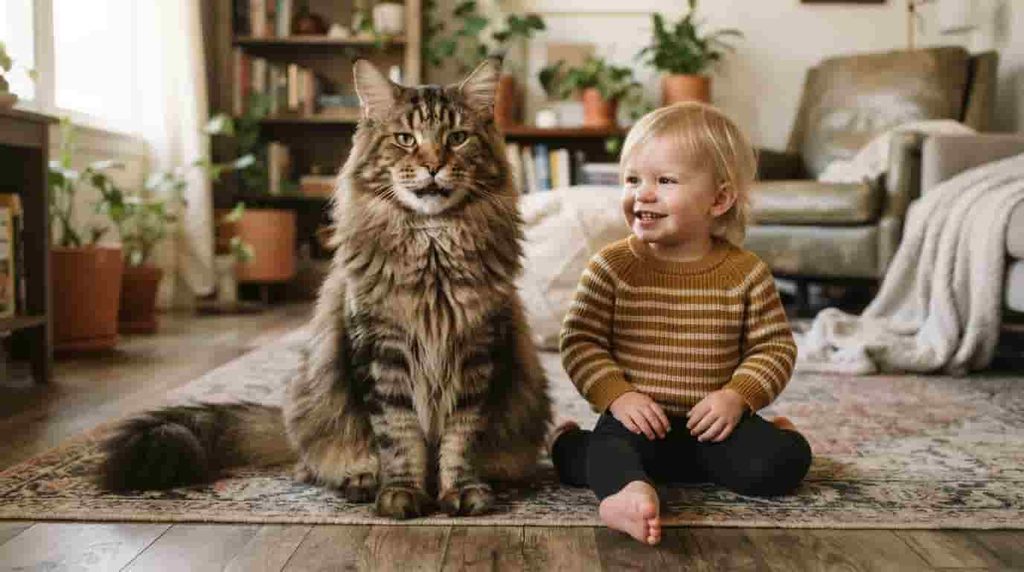
- Temperament: Friendly, sociable, and remarkably good-natured.
- Behavior: Large, playful, and sturdy, often participating in family games and greeting visitors at the door.
- Activity Needs: Moderate to high; they love exploring and stretching their legs.
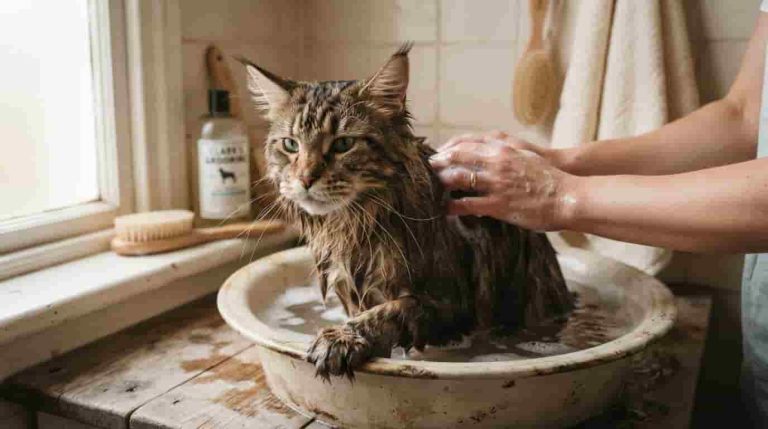
- Grooming: Requires weekly brushing due to their heavy, water-resistant coat.
- Best for: Interactive households wanting a large, playful companion.
3. American Shorthair
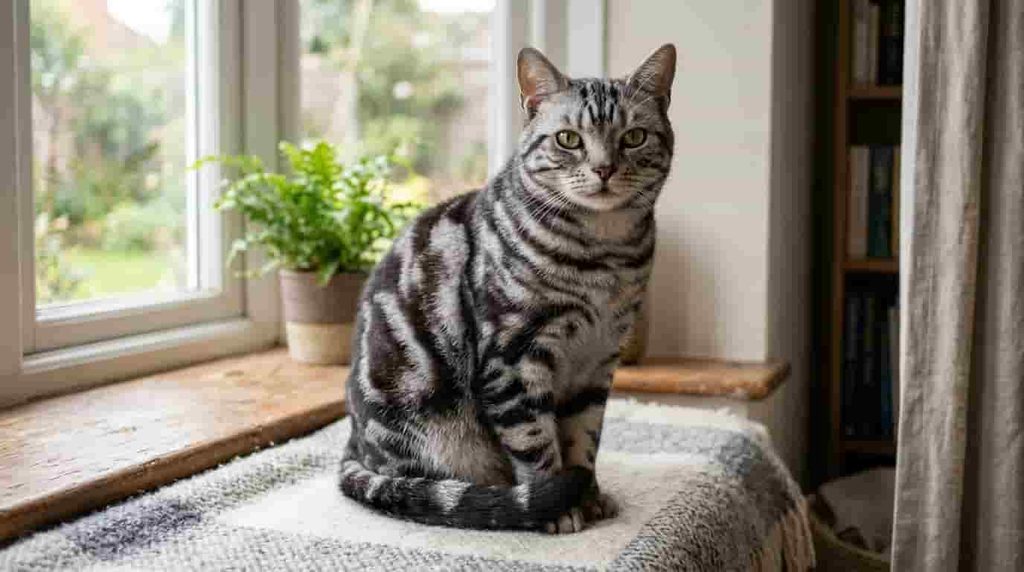
- Temperament: Adaptable, easygoing, and exceptionally balanced.
- Behavior: Sturdy enough for active homes while remaining steady and patient.
- Activity Needs: Moderate.
- Grooming: Low maintenance thanks to an easy-care short coat.
- Best for: Families looking for a robust, adaptable, all-around wonderful pet.
4. Birman
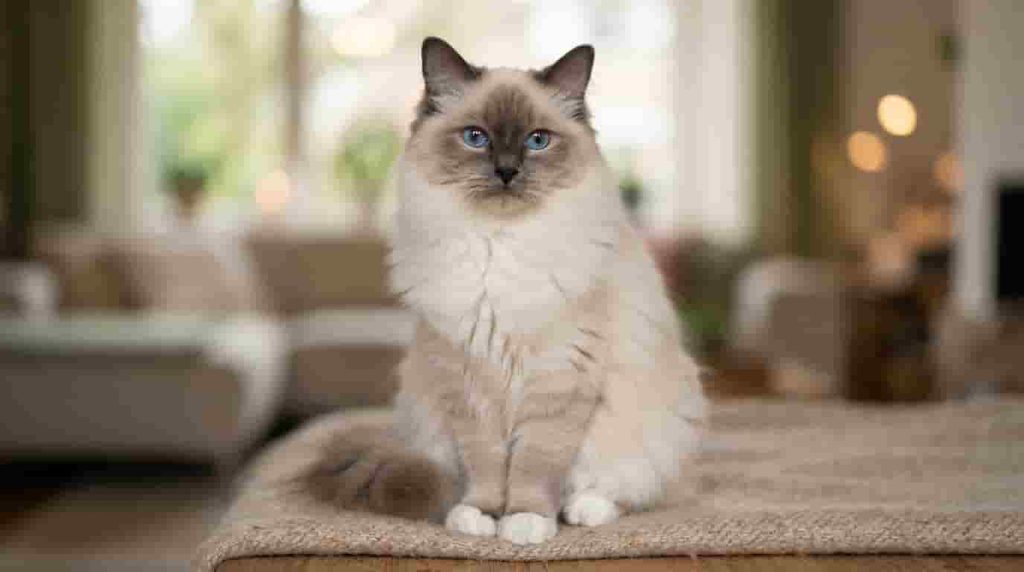
- Temperament: Gentle, affectionate, and quietly sociable.
- Behavior: Enjoys being near family members, sitting on laps, and engaging in polite play.
- Activity Needs: Moderate; an ideal balance of calm and interactive companionship.
- Grooming: Moderate coat maintenance.
- Best for: Families wanting a social cat without excessive energy demands.
5. British Shorthair
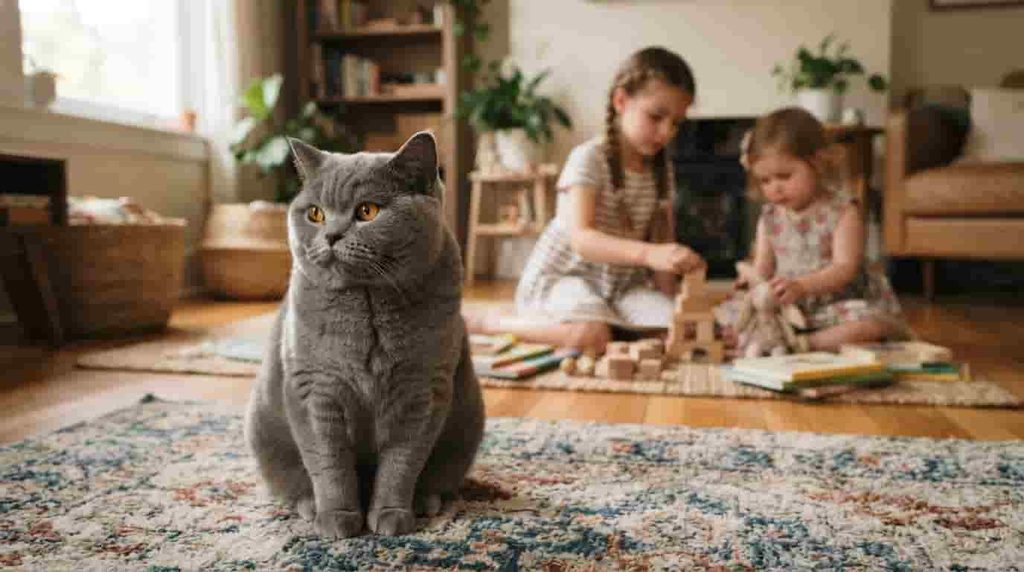
- Temperament: Calm, steady, and independent.
- Behavior: Prefers a quieter environment and enjoys being in the same room without demanding constant physical contact.
- Activity Needs: Low to moderate.
- Grooming: Simple weekly brushing for their dense short coat.
- Best for: Households with older children or those preferring a quieter, independent cat.
6. Burmese
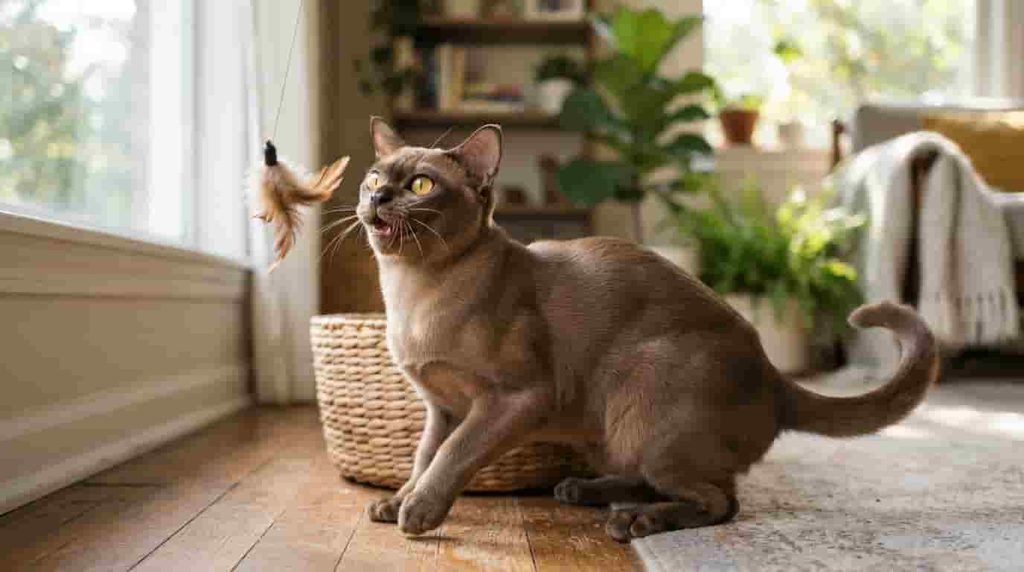
- Temperament: Social, highly people-oriented, and playful.
- Behavior: Deeply devoted to family life, often acting almost dog-like in its desire to be involved in every activity.
- Activity Needs: Moderate to high; thrives on regular human engagement.
- Grooming: Low maintenance.
- Best for: Active families wanting a highly interactive and loving family pet.
7. Siberian
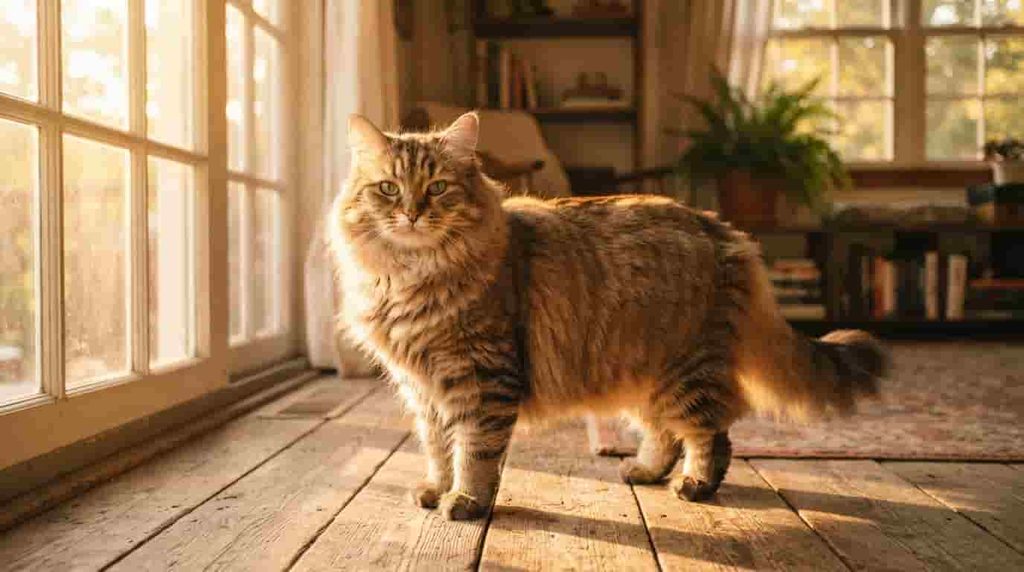
- Temperament: Affectionate, agile, and playful.
- Behavior: Highly adaptable to household hustle and bustle, showing fierce loyalty to family members.
- Activity Needs: Moderate.
- Grooming: Requires regular brushing, particularly during seasonal coat changes.
- Best for: Families wanting an interactive, robust cat who don’t mind routine grooming.
8. Exotic Shorthair
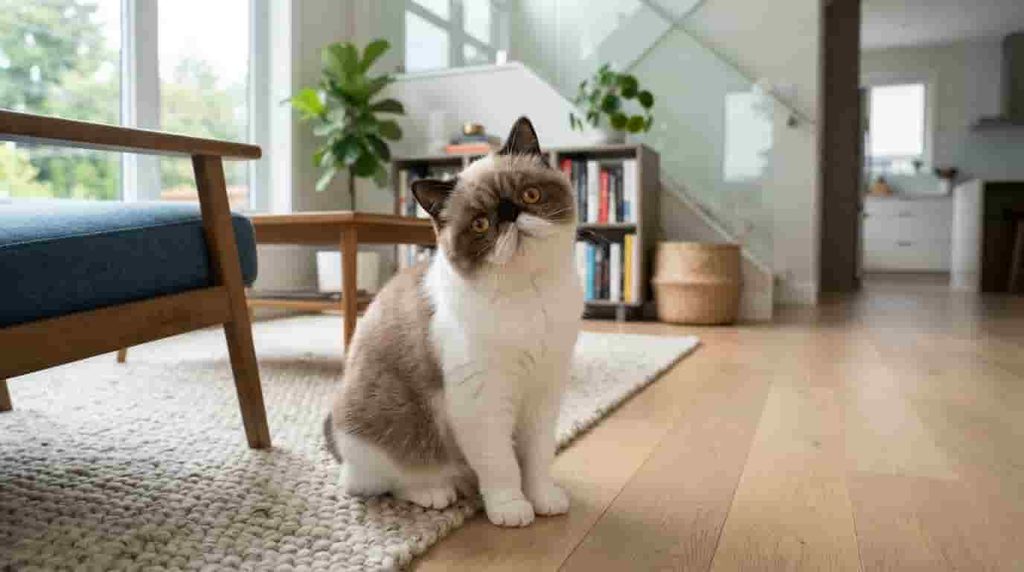
- Temperament: Calm, sweet, and affectionate.
- Behavior: Shares the peaceful, easygoing nature of the Persian but features a shorter, plush coat.
- Activity Needs: Low to moderate.
- Grooming: Moderate brushing required.
- Best for: Families looking for a relaxed companion with lower grooming demands than a longhair.
9. Cornish Rex
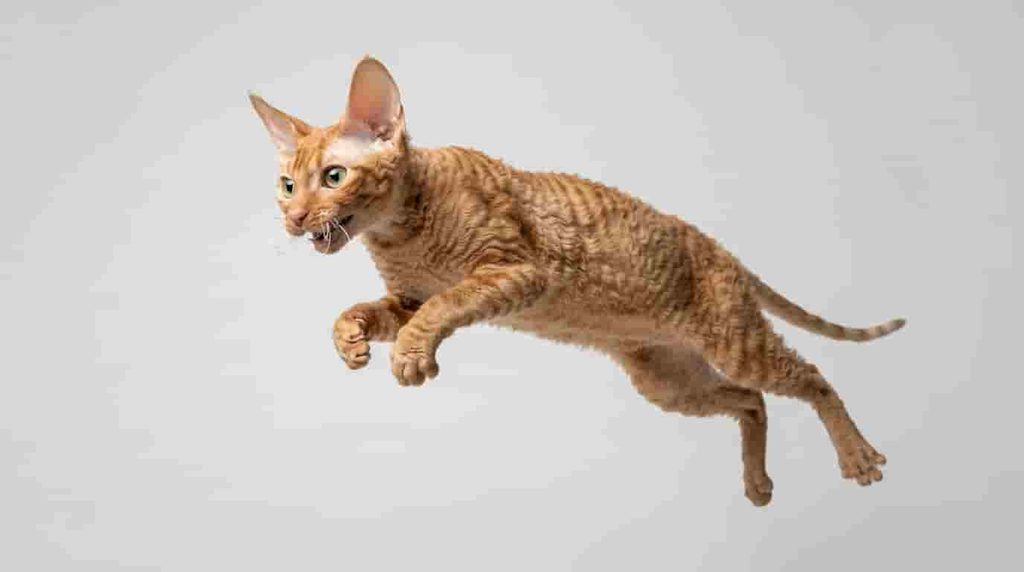
- Temperament: Playful, active, and outgoing.
- Behavior: Possesses a unique rippled coat and a high-energy desire to investigate everything happening in the house.
- Activity Needs: High; needs robust play and mental enrichment.
- Grooming: Low maintenance.
- Best for: Energetic families with older children who enjoy an active, playful pet.
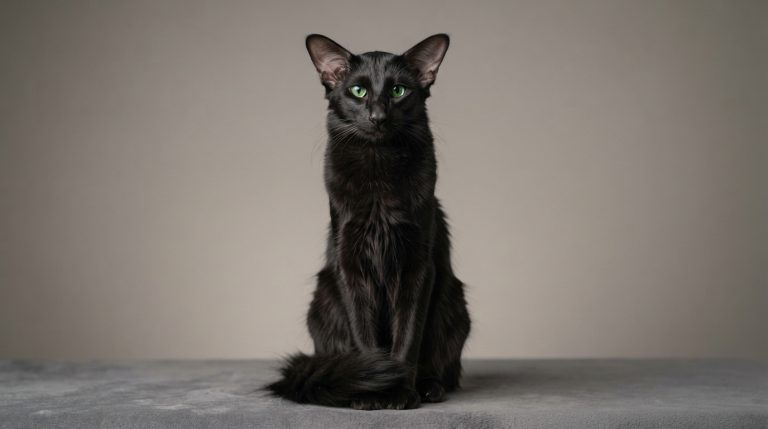
10. Abyssinian
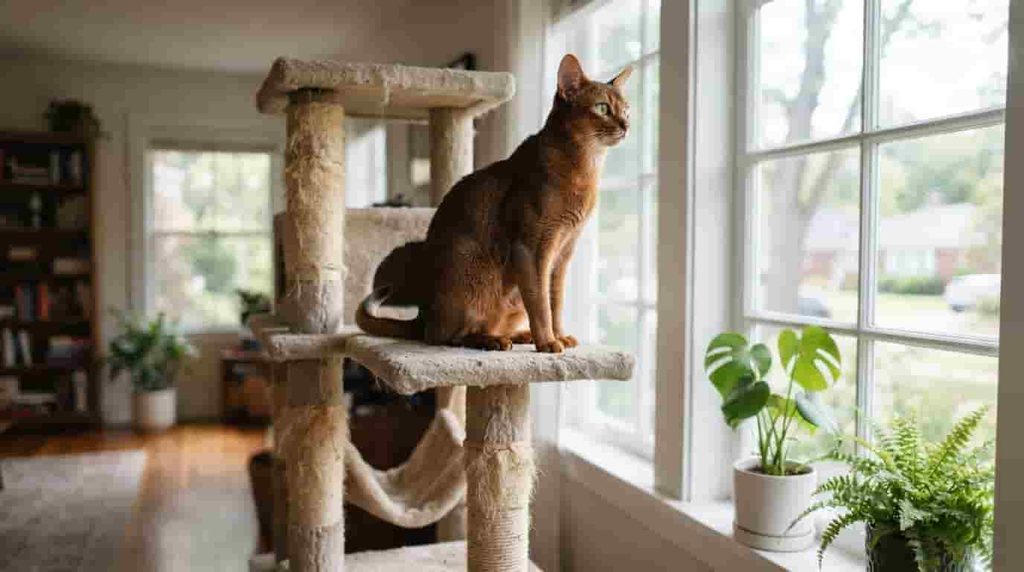
- Temperament: Curious, intelligent, and energetic.
- Behavior: Loves climbing, exploring, and engaging in games, proving that a great family cat does not have to be sedentary.
- Activity Needs: High.
- Grooming: Low maintenance.
- Best for: Very active households able to provide continuous mental stimulation and play.
Comparison Table: Which Family Cat May Suit Your Home?
| Cat Breed | General Temperament | Energy Level | Grooming Needs | May Suit |
| Ragdoll | Gentle and affectionate | Moderate | Moderate | Calm, social families |
| Maine Coon | Friendly and playful | Moderate | Higher | Interactive households |
| American Shorthair | Adaptable | Moderate | Low | Many family lifestyles |
| Birman | Gentle and social | Moderate | Moderate | Families wanting companionship |
| British Shorthair | Calm and independent | Low to moderate | Low | Quieter households |
| Burmese | Social and playful | Moderate to high | Low | Highly interactive families |
| Siberian | Affectionate and playful | Moderate | Higher | Active families |
| Exotic Shorthair | Calm and affectionate | Low to moderate | Moderate | Relaxed households |
| Cornish Rex | Playful and energetic | High | Low | Active families |
| Abyssinian | Curious and energetic | High | Low | Very active households |
What Is the Most Family-Friendly Cat?
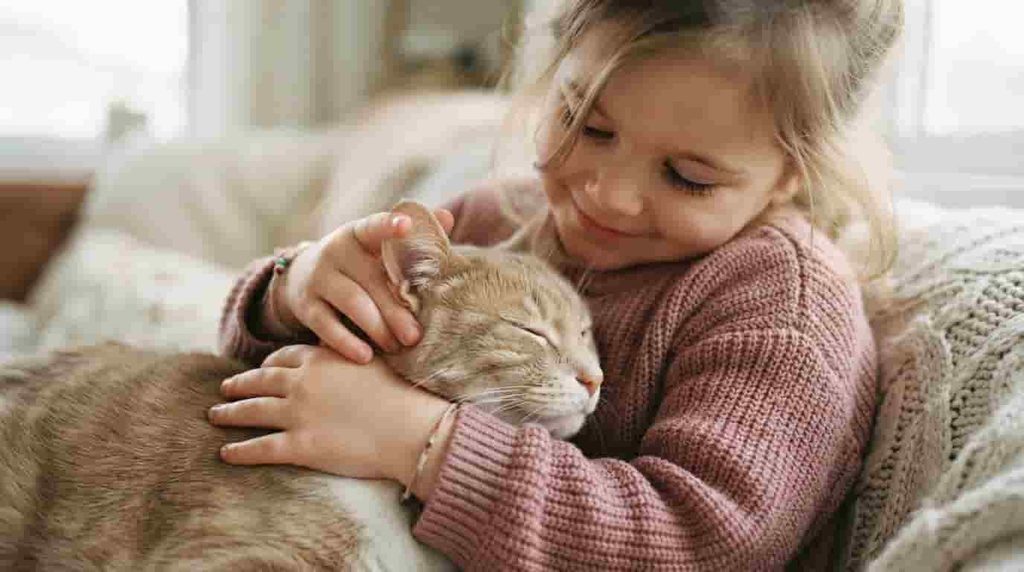
When determining the ultimate family-friendly cat, the answer depends entirely on your household’s definition of compatibility. If you prioritize deep affection and supreme calm, the Ragdoll shines. If you want a robust, playful companion that keeps up with lively kids, the Maine Coon or American Shorthair excels. For families seeking an especially affectionate, people-loving bond, exploring insights on Which Is the Friendliest Cat Breed? 10 Breeds Known for Being Affectionate
provides fantastic guidance. Ultimately, the best cat is one whose individual temperament harmonizes with your family’s daily rhythm.
Best Cat Breed for Families With Kids
Bringing a cat into a home with children requires careful planning and realistic expectations. Parents must evaluate the children’s ages, how they handle animals, and whether the cat enjoys active environments or needs quiet retreat spaces. For readers who want a dedicated, comprehensive breakdown focused specifically on children, you can explore What Is the Best Cat Breed for Children? 10 Friendly Breeds for Kids
Essential Rules to Teach Children:
- Always let the cat approach first rather than cornering it.
- Never pull tails, ears, or whiskers.
- Respect the cat while it is sleeping or eating.
- Always use gentle hands and recognize when the animal wants space.
What Is the Best Cat for a Family With Allergies?
No cat breed is truly hypoallergenic, as allergic reactions stem from proteins found in feline saliva, skin oils, and dander rather than just shedding fur. Families dealing with allergies should arrange extended, in-person visits with a specific cat before committing, keeping expectations realistic.
What Is the Best Cat for Families With Dogs?

Successfully integrating a cat into a home with dogs depends heavily on individual temperaments, controlled introductions, and proper training. Look for confident, bold cats that do not startle easily at canine movement, and always ensure the cat has secure vertical pathways (like tall cat trees or wall shelves) where dogs cannot reach them.
What Is the Best Cat for a Young Family?
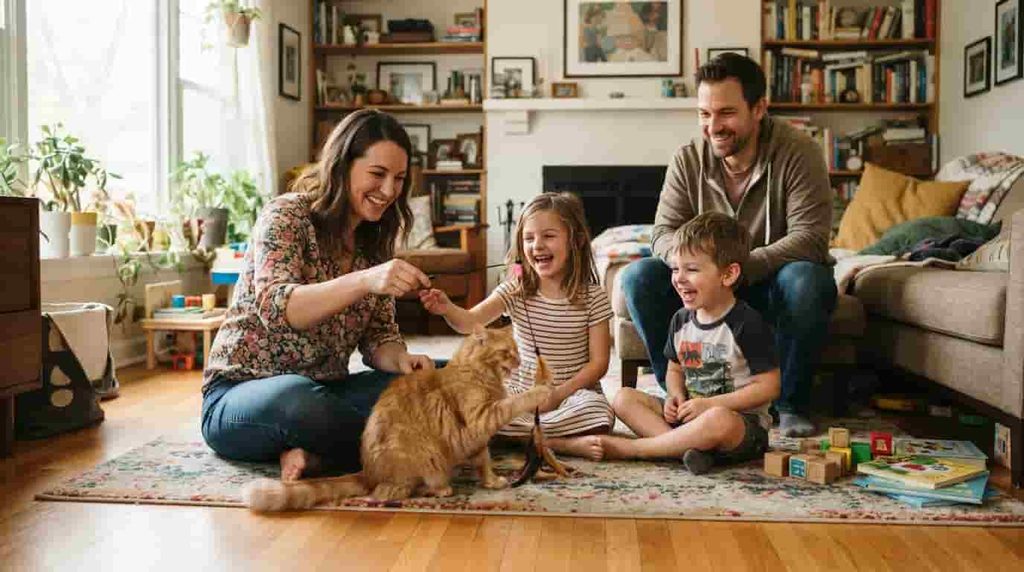
Households with toddlers and young children require exceptionally patient, adaptable cats.
- Hypothetical Example: A family with a toddler and a fast-paced schedule might adopt a mature, adult rescue cat with a documented history of living peacefully with children. Conversely, a family with older pre-teens who love interactive games might choose an energetic, playful breed like a Burmese.
Best Kittens for a Family: Should You Choose a Kitten or an Adult Cat?
Choosing a Kitten
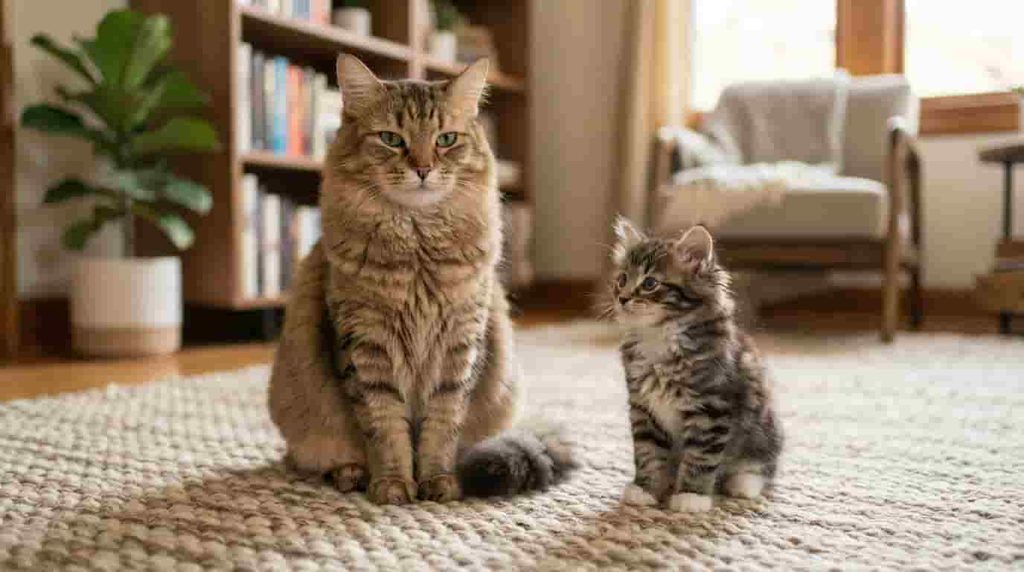
Kittens offer endless entertainment, but their sharp claws, high energy, and developmental biting phases can easily overwhelm small children. Furthermore, a kitten’s adult personality remains largely unpredictable.
Choosing an Adult Cat
Adult cats offer fully established temperaments, allowing shelters to tell you precisely whether a specific cat loves children, tolerates noise, or prefers a quiet lap.
Choosing a Senior Cat
Senior cats are typically mellow and make wonderful companions for quieter homes, though they may require specialized veterinary care.
What Is the Best Household Cat for Your Lifestyle?
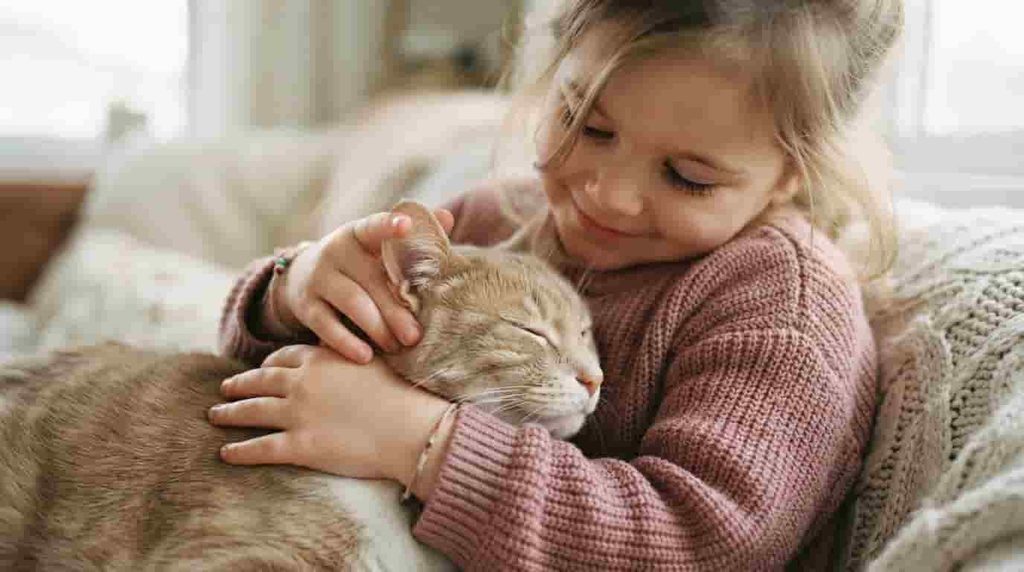
Choose Based on Activity Level
- Active families: Will love high-energy, engaging breeds that enjoy games and human interaction.
- Quieter families: Flourish with calm, moderately active companions or peaceful cats like those featured in What Is the Calmest Cat Breed? 10 Peaceful Breeds to Consider.
Choose Based on Grooming Commitment
Consider whether your family has time for daily brushing (longhairs) or prefers easier weekly maintenance (shorthairs).
Choose Based on Affection vs. Independence
Decide whether your household wants a constant lap warmer or a cat that enjoys comfortable companionship from across the room.
Is a Calm or Lazy Cat Better for a Family?
While a relaxed cat sounds ideal on paper, low energy does not automatically mean family-friendly. Some extremely low-energy cats dislike handling and prefer complete solitude. For readers specifically seeking lower-energy companions, reviewing options in What Is the Laziest Cat Breed? 10 Calm and Easygoing Breeds
can help clarify which mellow breeds tolerate family life best.
Common Mistakes When Choosing a Family Cat
- Choosing based only on appearance: Prioritizing looks over temperament and care requirements.
- Assuming every cat in a breed behaves identically: Ignoring individual personality differences.
- Ignoring grooming requirements: Underestimating the time needed to maintain long coats.
- Choosing a kitten without considering the work: Forgetting about intensive training and supervision needs.
- Expecting a cat to tolerate rough handling: Failing to teach children proper boundaries.
- Ignoring existing pets: Skipping slow, methodical introductions.
- Choosing a low-energy cat without engagement: Assuming a calm cat requires zero mental stimulation.
How to Help a New Cat Adjust to Family Life
- Prepare a quiet starting space: Set up food, water, a litter box, and a cozy hiding bed in a low-traffic room.
- Allow gradual introductions: Let the cat explore at its own pace without overwhelming it with too many family members at once.
- Teach children respectful behavior: Reinforce gentle handling and personal space boundaries.
- Create a predictable routine: Keep feeding, play, and rest times consistent.
- Provide safe retreat areas: Install elevated perches and quiet hiding zones.
What Is the 3-3-3 Rule for Cats?
The 3-3-3 rule is a popular guideline outlining a newly adopted rescue cat’s adjustment timeline:
- First 3 days: The cat may feel overwhelmed, hide, or eat very little as it processes a brand-new environment.
- First 3 weeks: The cat begins settling into household routines, learning sounds, and starting to show its true personality.
- First 3 months: The cat feels fully secure, building complete trust and bonding deeply with family members.
Every cat adjusts at its own pace, but patience and stability guarantee a smooth transition.
Conclusion: What Is the Best Cat Breed for Families?
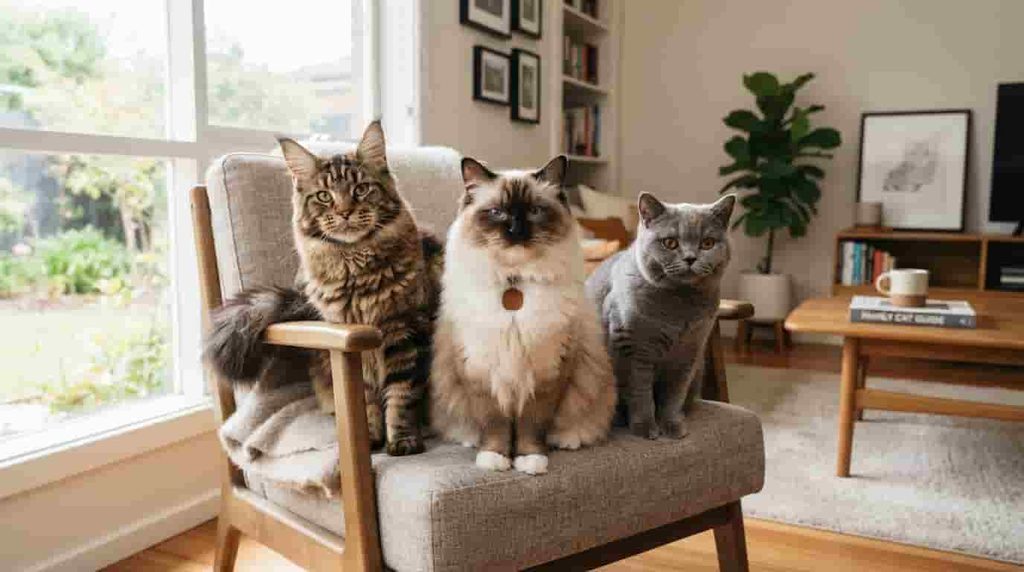
What Is the Best Cat Breed for Families? While breeds like the Ragdoll, Maine Coon, and American Shorthair offer wonderful foundations of patience and sociability, the ultimate family cat is one whose unique personality fits your household’s lifestyle. Combined with adult supervision, proper training, and mutual respect, a well-chosen feline companion will become a beloved member of your family for years to come.
Which qualities matter most to your household when choosing a family cat? Share your thoughts below!
Frequently Asked Questions
1. What is the most family-friendly cat?
Breeds like the Ragdoll, Maine Coon, and American Shorthair are widely considered top family-friendly choices due to their steady, adaptable, and affectionate temperaments.
2. What are the top 10 friendliest cats?
Popular friendly breeds include the Ragdoll, Maine Coon, American Shorthair, Birman, British Shorthair, Burmese, Siberian, Exotic Shorthair, Cornish Rex, and Abyssinian, though individual personalities vary.
3. What is the best cat breed for a family with young children?
Families with young children benefit most from calm, patient, and resilient breeds like the Ragdoll or Birman, paired with strict adult supervision.
4. Are male or female cats better for families?
An individual cat’s socialization, upbringing, and temperament matter far more than its sex.
5. What should I look for when choosing a family cat?
Prioritize temperament, energy level, grooming needs, compatibility with children or dogs, and how well the cat’s needs fit your family’s daily routine.