
6 Cat Myths People Still Believe Today
Introduction:
Cat myths confuse well-meaning pet parents when sudden indoor behavioral problems appear at home. Why do millions of loving pet parents unknowingly follow outdated care advice that actually harms feline health?
A typical evening turns stressful when your favorite pet refuses its dinner bowl or hides behind sofa cushions. Your mind races as you try remembering advice from old family members or random internet forums.
Every feline owner encounters confusing health advice while searching for simple answers online. Many traditional house habits rest on old misunderstanding rather than modern biological science.
Ancient cultures passed down false beliefs about feline dietary needs and independence for hundreds of years. Modern scientific research continuously proves that these popular legends about cats create real medical risks inside homes.
Uncovering true biological facts protects pets while strengthening your daily bond with domestic companions. Science helps us replace dangerous habits with safe medical routines that keep animals thriving.
These cat myths reveal how easily harmless stories become accepted care routines across modern society. Let us examine six persistent misunderstandings that every modern cat owner needs to stop believing today.
1. Cat Myths Claim Milk Is Healthy for Adult Felines
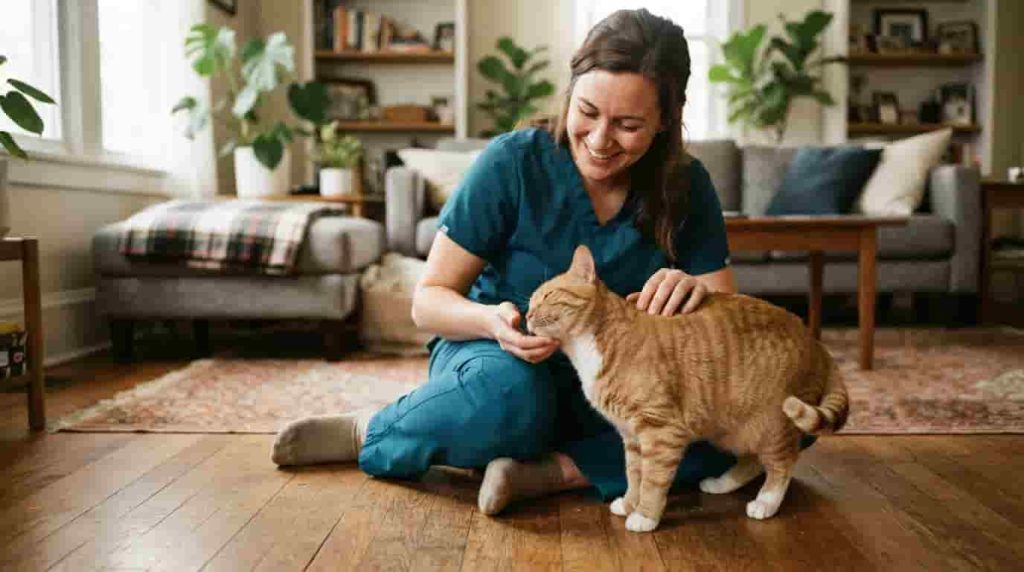
Cartoons consistently depict happy farm felines sipping sweet white milk from small ceramic saucers. Many pet owners offer cow milk as a special reward without realizing the painful digestive consequences.
Adult felines actually lose essential digestive enzymes needed to process dairy sugars after weaning from mother milk. Consequently, drinking cow milk triggers severe abdominal cramps, painful gas, and watery diarrhea in adult animals.
Debunking Cat Myths About Traditional Feline Diet Practices
Debunking cat myths regarding dietary needs helps owners select proper hydration sources for home pets. Fresh clean water provides ideal hydration without causing intestinal upset or dangerous dehydration risks.
Offering specialized cat-safe milk formulas occasionally satisfies cravings without disrupting sensitive stomach balances. You can explore how old cultural stories influenced animal care by reading 7 Strange Cat Superstitions That Refuse To Die today.
Veterinary insights from the Cornell Feline Health Center confirm that adult felines need high-protein meat diets rather than dairy products. Providing species-appropriate nutrition prevents chronic digestive trouble and supports long-term organ health.
Healthy dietary habits ensure your pet maintains steady energy and strong digestion throughout life.
2. Felines Always Land Safely on Their Feet During Falls
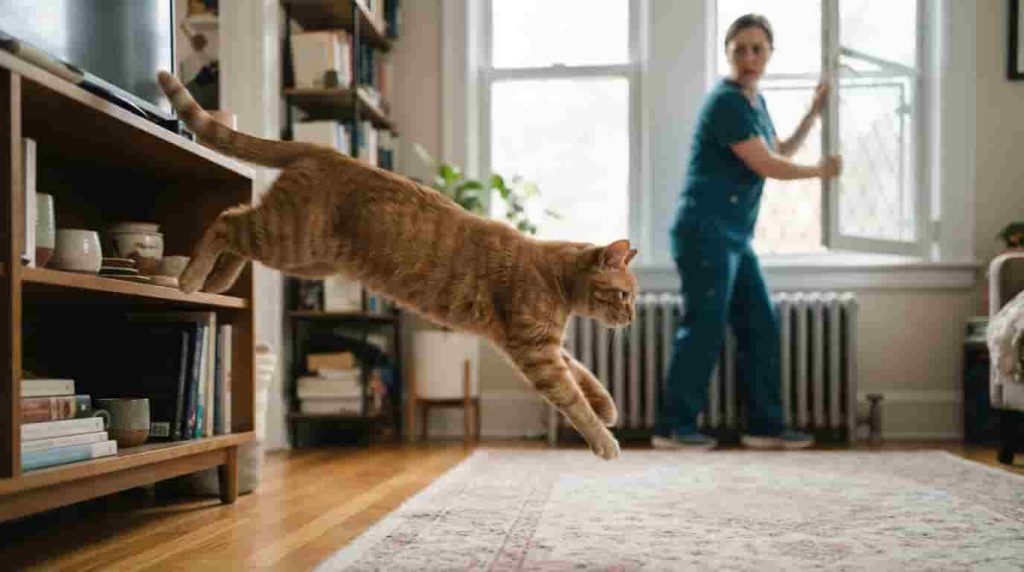
Observing a leaping pet perform acrobatic aerial turns creates an illusion of complete gravity immunity. People assume indoor felines easily survive falls from balcony railings or high apartment windows.
Felines possess a natural righting reflex that rotates their bodies in midair during unexpected slips. However, short fall distances do not allow enough time for bodies to complete proper aerial rotation.
Understanding Common Misconceptions About Cats and High Fall Hazards
Common misconceptions about cats regarding fall safety cause serious physical injuries in urban apartment settings. High falls frequently result in broken jawbones, fractured legs, or severe internal bleeding for indoor pets.
Veterinarians call this medical condition high-rise syndrome because urban pets jump after passing birds or insects. Installing secure window screens protects curious pets from dangerous falls during warm summer months.
Historical fear also created strange stories about dark felines during medieval times across European cities. Discover how dark stories began by exploring 5 Reasons Black Cats Were Linked To Witchcraft right now.
Preventing window accidents keeps active animals safe while enjoying outdoor sights from indoor perches.
3. Purring Always Signals Complete Happiness and Comfort
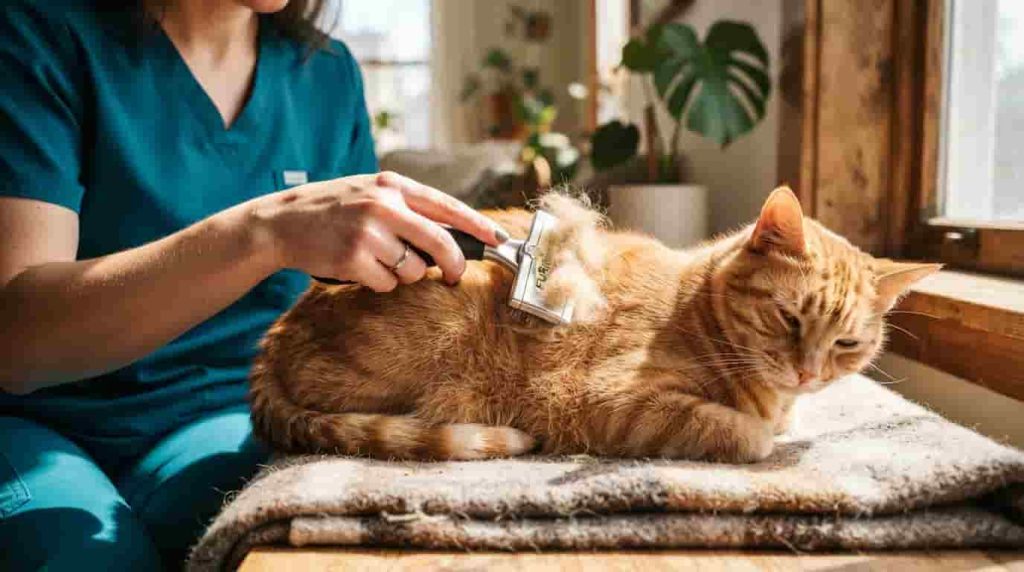
Hearing a soft rhythmic vibration while petting your companion usually brings great joy to your heart. Most people assume purring indicates absolute contentment, deep relaxation, or affectionate connection with humans.
Felines actually purr during moments of severe physical pain, intense fear, or extreme psychological stress. Mother felines purr during labor contractions to soothe themselves and guide newborn kittens toward warmth.
Analyzing Cat Behavior Myths and Vocal Communication Signals
Analyzing cat behavior myths helps owners identify subtle distress calls before medical emergencies worsen at home. Low-frequency purring vibrations between twenty and one hundred forty hertz promote muscle healing and ease breathing.
Therefore, sick animals purr to comfort themselves when feeling vulnerable or physically exhausted inside quiet rooms. Observing accompanying body language like flattened ears helps owners recognize when pets need immediate medical help.
- Check for tense facial muscles or flattened ears during purring episodes.
- Look for hiding behavior under furniture during loud Purring moments.
- Monitor breathing rates to catch underlying pain or respiratory distress early.
- Contact your veterinarian if purring accompanies sudden lethargy or appetite loss.
Recognizing true communication signals allows you to provide comfort whenever your companion feels sick.
4. Indoor Cats Do Not Need Vaccinations or Parasite Protection
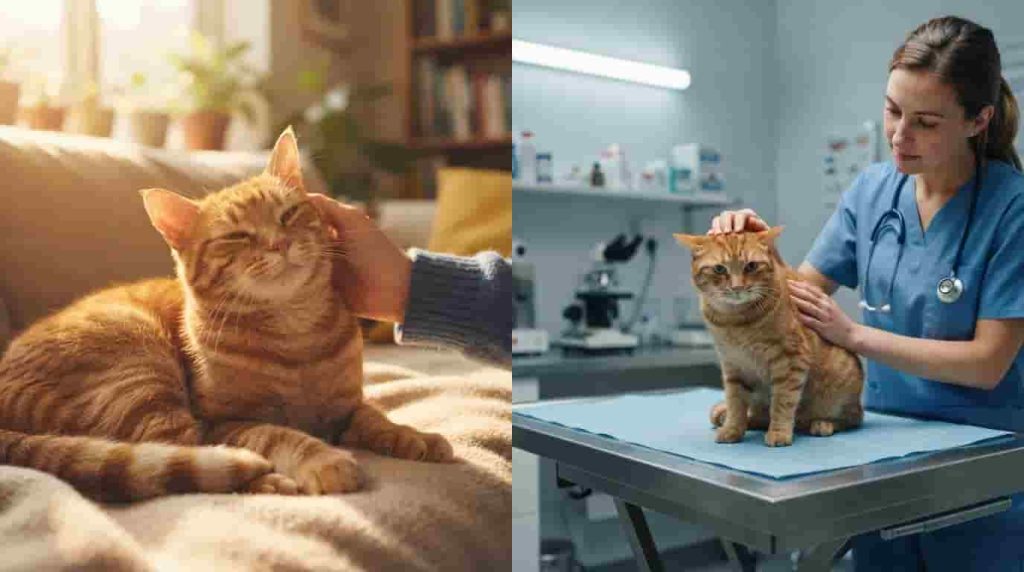
Many owners believe indoor pets remain completely safe from infectious diseases and harmful parasites inside homes. People skip yearly veterinary checkups because indoor animals never roam outdoor streets or wooded yards.
Infectious viruses travel inside homes on human shoes, clothing items, and grocery delivery boxes daily. Furthermore, blood-sucking mosquitoes enter open doors easily, carrying deadly heartworm larvae directly to indoor pets.
Debunking Feline Myths Regarding Indoor Environmental Dangers
Debunking feline myths about indoor safety helps owners maintain essential preventive care schedules year-round. Fleas hitchhike indoors on human pants, quickly infesting soft carpet fibers and upholstered furniture pieces.
The American Veterinary Medical Association stresses that every house pet requires core vaccinations and flea preventatives. Routine blood screenings catch silent organ diseases early before visible symptoms disrupt daily pet comfort.
Global folklore also shaped unique cultural views on dark feline luck across different continent regions. Learn about global perspectives by reading 7 Black Cat Superstitions From Around The World today.
Consistent preventive medicine protects indoor companions against invisible biological threats lurking near home entrances.
5. Felines Are Solitary Animals That Dislike Social Bonding
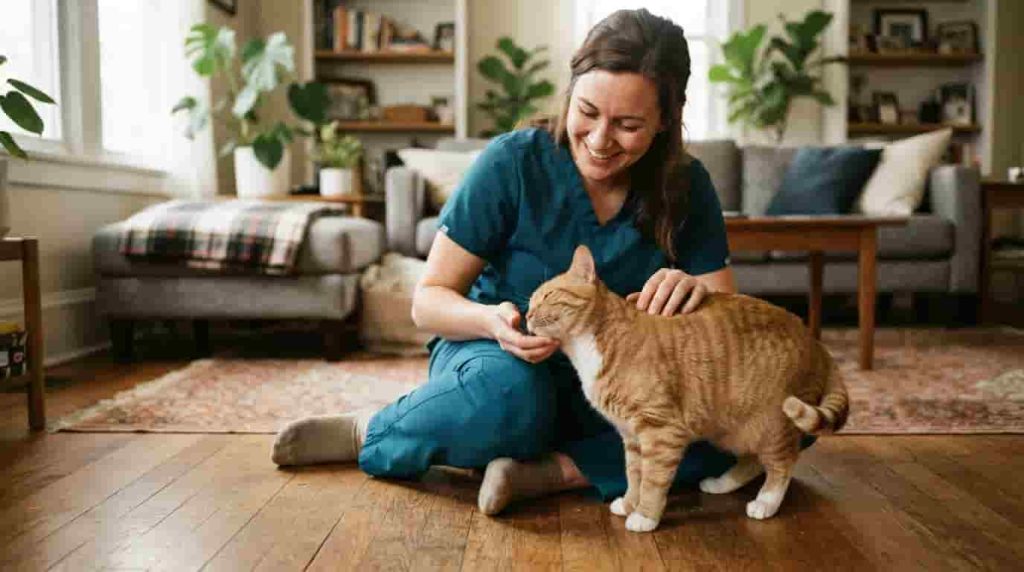
People frequently describe house felines as cold, distant animals that prefer complete isolation from humans. Popular media portrays pets as selfish creatures that only interact with owners during evening mealtime.
Felines naturally form rich social hierarchies when living inside stable multi-pet home environments with humans. They display deep affection by rubbing scent glands against human legs, grooming hair, and sleeping nearby.
Exploring Feline Folklore and Social Relationship Dynamics
Feline folklore often paints these animals as independent solitary hunters that need zero emotional affection. In reality, isolated pets suffer severe separation anxiety when owners leave home for extended business trips.
Understanding feline body language helps owners build strong lifelong friendships with affectionate home companions. Respecting personal physical boundaries encourages shy animals to initiate gentle contact on their own terms.
- Allow pets to approach your hand gently before offering head scratches.
- Provide elevated cat trees where nervous pets observe family activity safely.
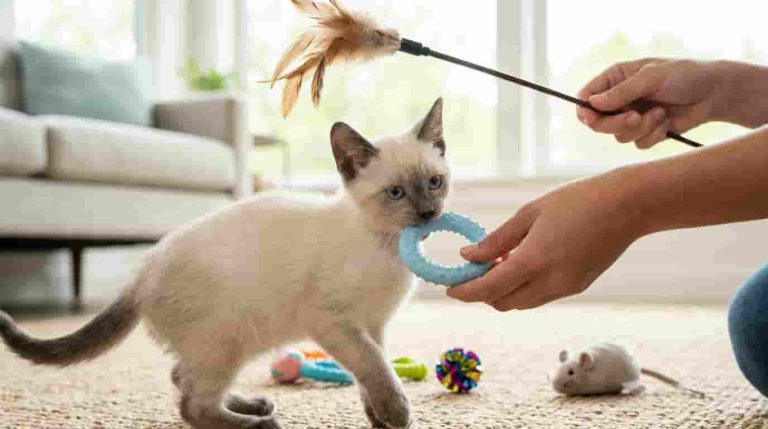
- Schedule regular interactive play sessions using wand feather toys daily.
- Create predictable daily meal routines to build trust and security.
Patience transforms shy companions into loyal friends that greet you warmly at front doors.
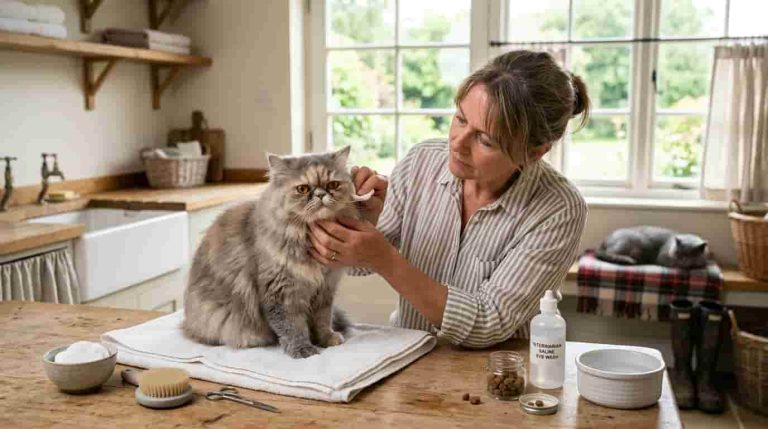
6. Shaving Feline Fur Keeps Pets Cool During Summer Heat
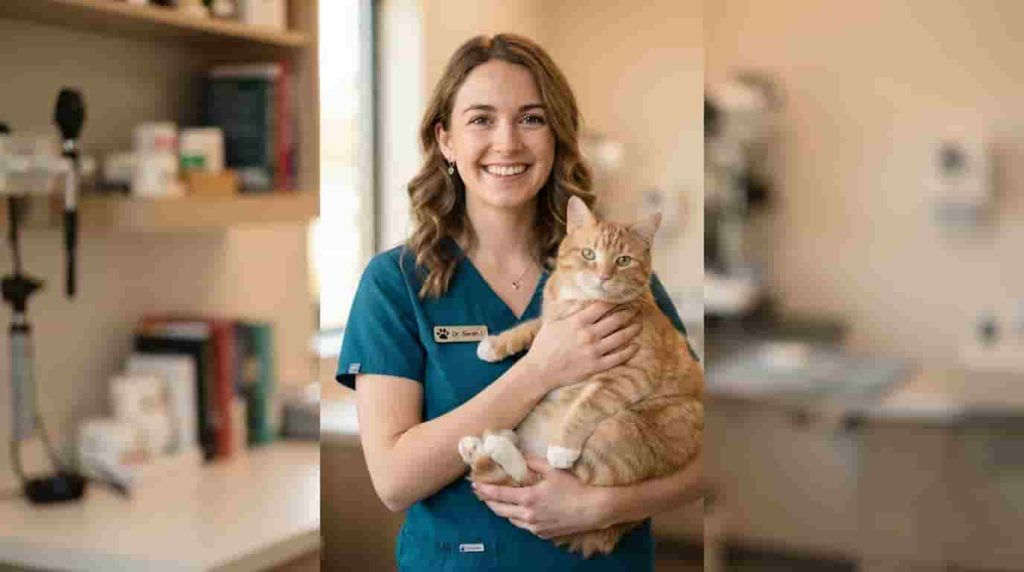
Summer heat waves prompt well-meaning owners to shave dense feline fur coats down to bare skin. People assume heavy fur traps scorching summer heat, making pets uncomfortable inside warm residential rooms.
Feline fur coats function as natural insulation, regulating body temperatures efficiently during both hot and cold weather. Double coats trap cool air near skin surfaces while blocking scorching sun rays from damaging tissue.
Uncovering The Truth Behind Cat Myths and Coat Care
Uncovering the truth behind cat myths prevents harmful grooming mistakes that expose skin to solar damage. Shaving delicate fur exposes bare skin to severe sunburns, skin cancer risks, and irritating insect bites.
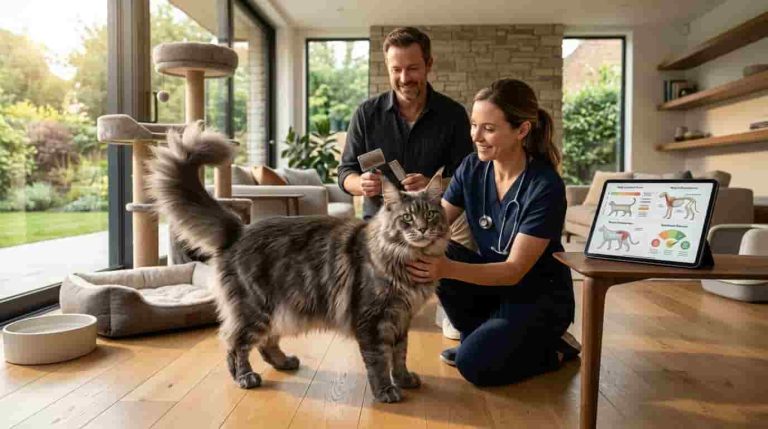
Simple brushing removes trapped undercoat fur, allowing air currents to circulate freely across cooling skin surfaces. Providing cool tiled floors and fresh running water fountains keeps pets comfortable during hot summer afternoons.
Proper grooming care preserves natural insulating fur layers while protecting delicate skin against environmental hazards.
Final Thoughts on Cat Myths
Uncovering accurate facts about cat myths empowers pet owners to make superior health decisions every day. You now know why cow milk harms digestion, why purring signals distress, and why fall reflexes fail.
Replacing old legends with modern veterinary science protects indoor pets against preventable injuries and chronic illnesses. Regular preventive care, species-appropriate nutrition, and safe window screens ensure long happy lives for home companions.
Learning true biological facts strengthens our ability to provide loving, effective care for our animals. Embracing modern pet science transforms daily care routines into rewarding experiences filled with comfort and joy.
Which of these cat myths surprised you the most during your reading today? Share your personal pet experiences and favorite care tips in the comments section below!
Frequently Asked Questions
Adult felines lack sufficient lactase enzymes needed to digest lactose sugars present in dairy milk properly. Drinking milk causes painful stomach cramps, intestinal gas, and severe diarrhea in adult domestic animals. Fresh clean water provides safe hydration without causing distressing digestive system reactions.
Yes, fleas travel indoors on human footwear and clothing before jumping onto indoor home pets. Mosquitoes also fly through open doors easily, carrying dangerous heartworm larvae directly to indoor animals. Veterinarians recommend year-round parasite prevention for all indoor felines.
No, felines also purr when experiencing intense fear, physical pain, or severe psychological stress levels. Low-frequency purring vibrations help ease breathing, reduce pain, and promote natural bone and tissue healing. Owners should observe overall body language to determine emotional health.
No, shaving feline fur disrupts natural body temperature regulation and exposes bare skin to sunburns. Double coats trap cool air against skin while blocking harsh sun rays and insect bites naturally. Regular brushing removes loose fur while keeping natural insulating layers intact.
Felines jump after passing birds or flying insects without realizing the dangerous height distance involved. Their righting reflex requires sufficient falling time to rotate bodies safely before hitting ground surfaces. Installing sturdy window screens prevents high-rise falls and severe physical injuries.