How to Prevent Single Kitten Syndrome: Tips for Raising a Well-Adjusted Cat
Introduction:
Single Kitten Syndrome happens when a lone young cat grows up without sibling feedback, leading to surprising behavioral problems later. Why does a cute six week old pet suddenly turn into a tiny wild terror that bites ankles relentlessly?
Sarah brought home a sweet rescued orphan named Oliver. She spent every evening cuddling him, buying colorful feather toys, and filling his dish with gourmet treats.
Everything seemed perfect until Oliver reached five months old. Suddenly, normal gentle play sessions turned into painful surprise attacks on human hands.
Sarah could not understand why her loving little companion bit so hard during simple petting moments. Was Oliver secretly aggressive, or did something critical go missing during his early development months?
Young felines learn vital social boundaries from their mothers and littermates during early play sessions. When a young cat bites a sibling too hard, the sibling squeals loudly and runs away immediately.
This instant feedback teaches growing animals how to control their sharp claws and teeth naturally. Without a companion to teach these crucial lessons, a young pet develops confusing behavioral patterns.
Understanding cat psychology helps you fix these troublesome habits before they become permanent adult traits. Let us explore how you can replace missing feline feedback and raise a calm, confident pet.
Recognizing Early Signs of Single Kitten Syndrome

Understanding Single Kitten Syndrome begins with spotting subtle shifts in daily play style and human interactions. Lone young cats often treat human feet and hands as prey objects because no feline companion directs their energy.
They pounce from hidden corners, ambush bare ankles, and bite down harder than normal pets do during play. Consequently, simple evening relaxation on the sofa turns into a stressful experience for unsuspecting owners.
Spotting Lonely Kitten Behavior Signals Early
Spotting lonely kitten behavior signals helps pet parents address developing cat behavior issues before habits harden permanently. Look out for intense clinginess followed immediately by sudden, unexplained biting or scratching during gentle petting.
Excessive vocalization during quiet hours also signals frustration from a lack of stimulating social interaction. You can discover more about nightly vocalizing issues by reading Why Is My Kitten Crying All Night? Causes and Solutions right now.
Veterinary behaviorists at the American Veterinary Medical Association note that early social isolation distorts normal play boundaries in growing animals. Recognizing these behavioral cues early gives you a clear roadmap for positive home training adjustments.
Unlocking Feline Psychology and Social Learning
Mother cats teach critical emotional discipline during early nursing and play periods. If an orphan faces early rejection, they miss essential lessons about bite inhibition and emotional self control.
You can learn about maternal rejection patterns by exploring How to Tell if a Mother Cat Is Rejecting Her Kittens today.
Without maternal guidance, a young animal struggles to process intense excitement during daily house play. Thus, overstimulation triggers sudden aggressive outbursts rather than natural, peaceful rest cycles.
Applying Treatment for Single Kitten Syndrome Principles
Effective treatment for single kitten syndrome relies on creating structured, predictable play routines that mirror sibling feedback. Never use your bare hands or fingers as direct play objects during daily interactions.
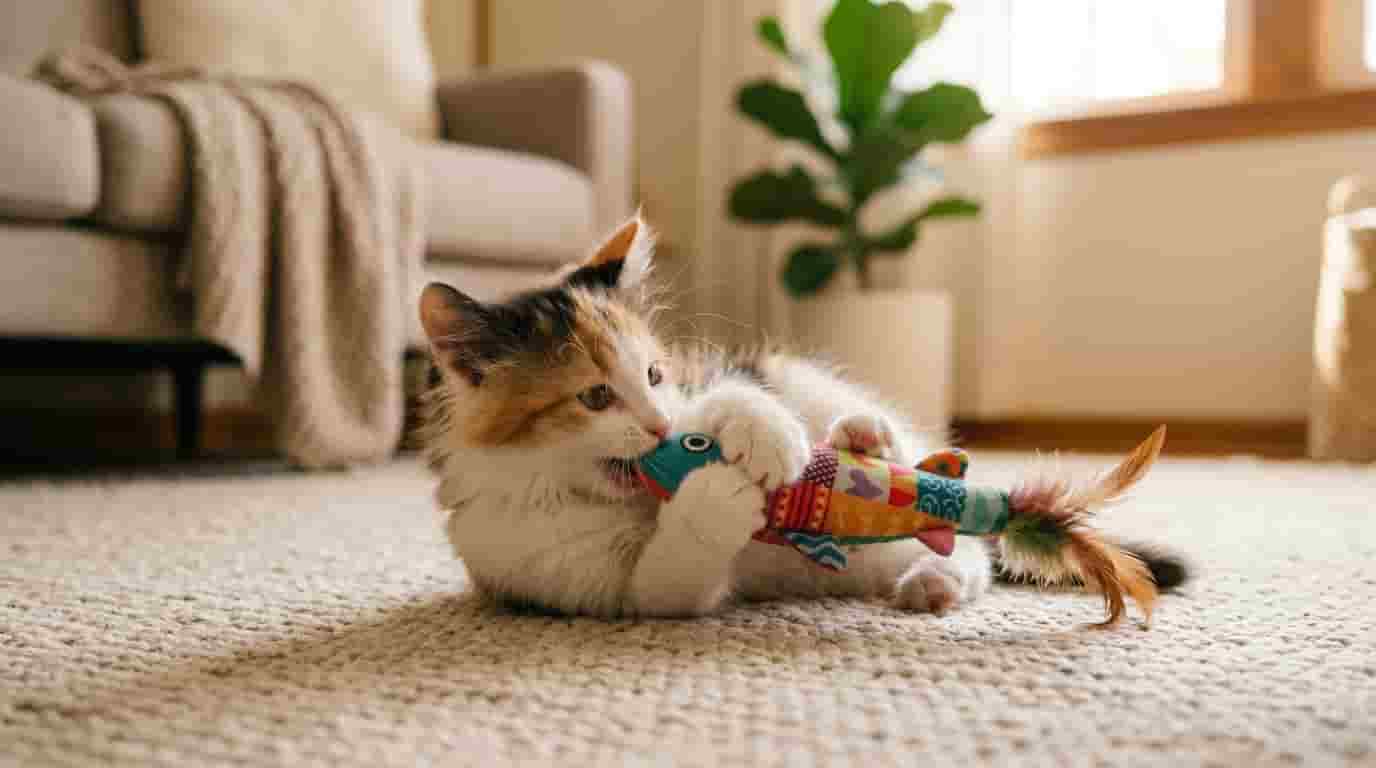
Instead, direct aggressive pouncing toward long wand feather toys and soft kicking pillows that absorb sharp claw energy.
- Redirect active biting toward long wand toys and soft plush kickers immediately.
- Stop all physical attention instantly when sharp teeth touch human skin.
- Freeze completely and walk away to show that hard biting ends all fun.
- Reward soft, gentle interaction with tasty treats and quiet verbal praise.
Consistent reactions teach young animals that gentle play keeps human attention going strong.
Implementing Essential Kitten Enrichment Activities
Providing rich mental stimulation prevents destructive cat behavior problems caused by long afternoon boredom spells. Single young pets store massive stamina that requires constructive outlets throughout the day.
When left alone without mental challenges, bored animals invent chaotic games like shredding furniture or knocking over lamps.
Creating Smart Kitten Companionship Alternatives at Home
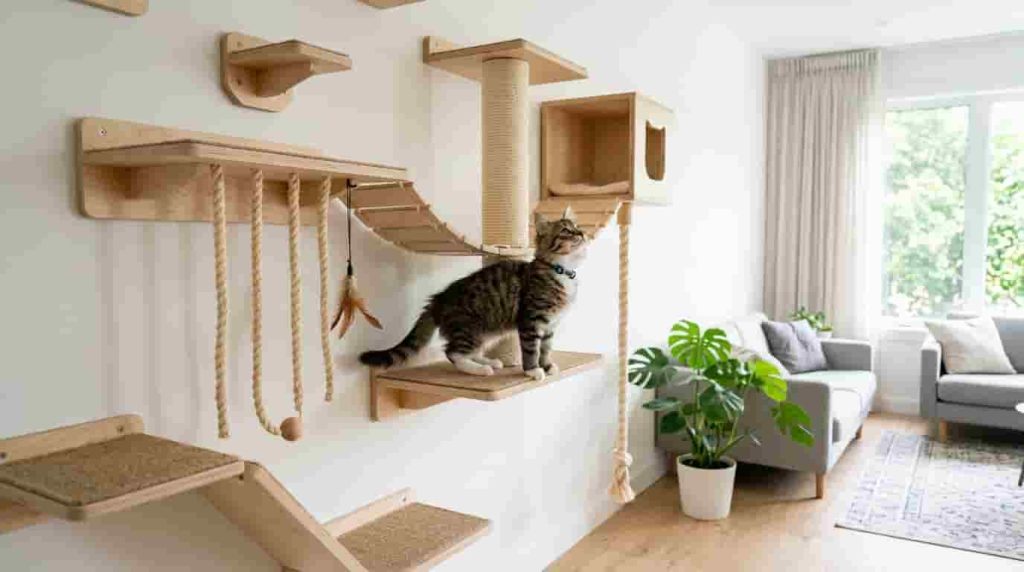
Designing interactive environments serves as effective kitten socialization tips for busy single pet households. Position elevated cat trees near sunny windows so your pet watches outdoor birds and passing squirrels safely.
Scatter puzzle treat toys across living room floors to encourage natural foraging and problem solving skills.
You can also read about growth tracking and nutritional needs in Why Is My Kitten Not Gaining Weight? Common Causes and What to Do today.
Specialists at the Cornell Feline Health Center emphasize that daily environmental enrichment reduces stress and anxiety significantly. Engaging toys keep growing minds active, calm, and satisfied throughout quiet home hours.
Teaching Play Bite Inhibition and Physical Limits
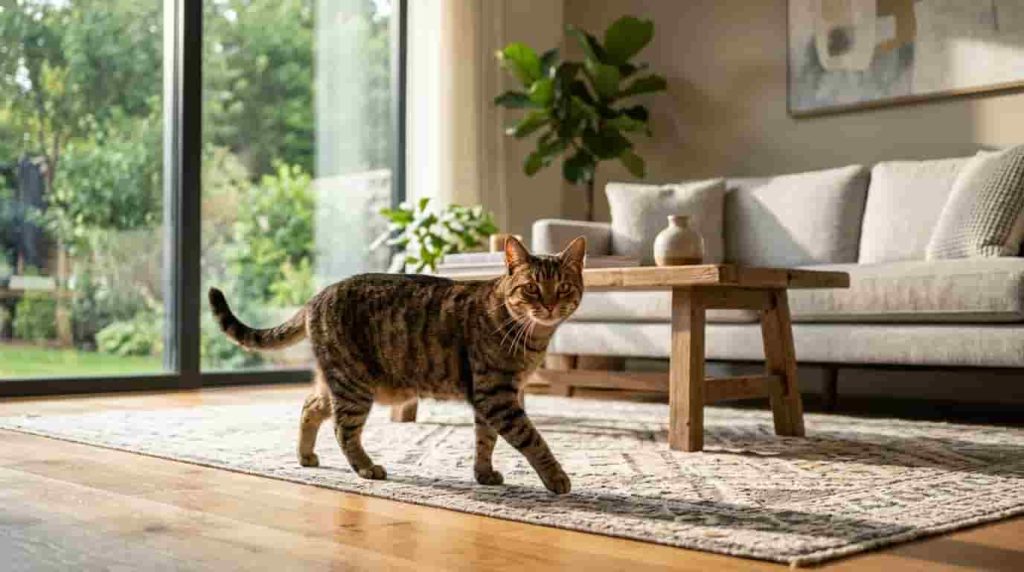
Teaching bite inhibition requires patience, calm body language, and consistent discipline from every family member. When your pet bites your hand during play, make a high pitched squeal sound immediately.
Relax your hand completely instead of pulling away quickly, which triggers natural hunting instincts.
Then, walk away quietly and ignore your pet for two full minutes until they settle down.
Managing Cat Behavior Problems with Calm Boundaries
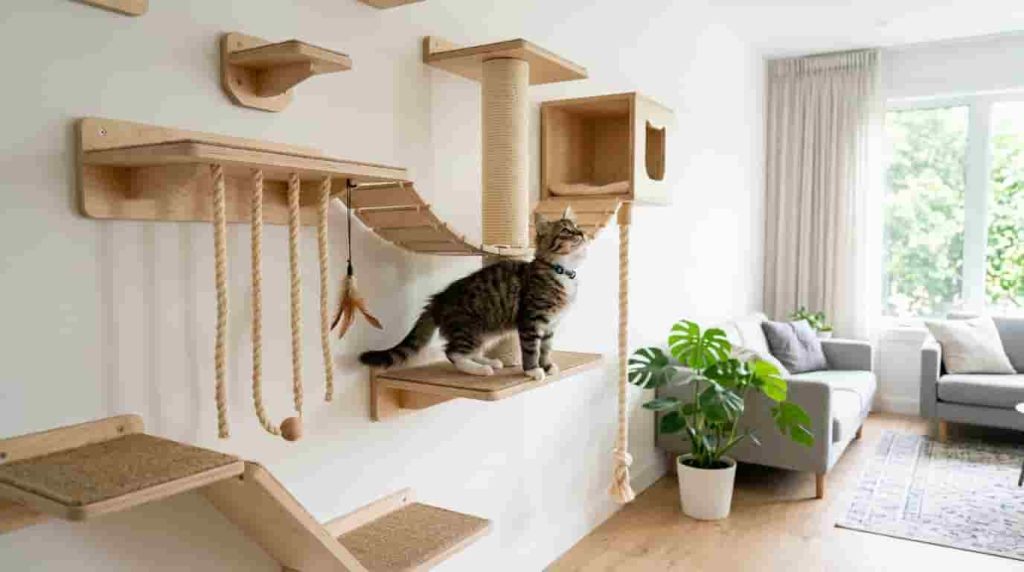
Mastering calm reactions offers proven ways for coping with single kitten syndrome during active play sessions. Never scold, spray water, or strike a young animal for rough biting behaviors.
Physical punishment increases fear and defensive aggression, making behavioral issues much worse over time.
- High pitched squeals signal that biting hurts human skin.
- Freezing hands prevents triggering predatory chasing instincts.
- Walking away quietly demonstrates that rough play terminates fun.
- Returning with wand toys redirects play energy safely.
Calm emotional responses show your pet that gentle behavior delivers the best rewards.
Considering Second Cat Adoption for Lasting Balance

Adopting a second young cat of similar age often resolves single kitten issues naturally and quickly. Two young animals chase, tumble, and groom each other, burning off boundless physical energy together.
They provide continuous feedback about bite force, keeping each other socially balanced and happy.
Applying Feline Behavior Therapy Through Paired Adoption
Applying feline behavior therapy concepts through paired adoption creates ideal social harmony inside your home. Paired pets entertain each other while you work, preventing loneliness and separation stress.
If you choose to raise a single kitten, commit to active daily play sessions and structured social training.
- Pair animals of similar age and energy levels for best social results.
- Introduce new pets slowly using scent swapping and separate room boundary setups.
- Provide multiple litter boxes and feeding stations to prevent territory conflicts.
- Enjoy watching two pets groom and play together peacefully.
Proper companionship ensures your pet grows into a confident, affectionate adult feline.
Final Thoughts on Single Kitten Syndrome
Preventing Single Kitten Syndrome requires structured play, clear bite boundaries, rich home enrichment, and loving patience every single day. You now understand how early sibling feedback shapes pet behavior, feline welfare, and lifelong home harmony.
Applying these practical tips transforms rough play into gentle, affectionate companionship for your entire household.
Replacing play frustration with clear daily training builds a deep, trusting bond with your young cat. Embracing these simple care habits helps your pet grow into a calm, well adjusted adult companion.
Does your young cat ever ambush your feet when you walk past? Share your personal experiences and training stories in the comments section below!
Frequently Asked Questions
Single Kitten Syndrome describes behavioral issues that develop when a kitten grows up without littermates. Common signs include rough play biting, scratching hands, intense clinginess, and poor emotional self control. Young animals miss out on vital social feedback that teaches proper bite inhibition during early months.
Stop biting by making a high pitched squeal sound and freezing your hands completely when teeth touch skin. Walk away immediately and ignore your pet for two minutes to show that rough play ends human attention. Always redirect active play toward long wand toys and plush kickers rather than bare fingers.
Yes, adopting two kittens together allows them to teach each other proper bite limits through daily play. Paired young animals burn off excess energy together, which prevents boredom, destructive habits, and loneliness naturally. Two pets keep each other socially balanced and entertained while you attend to daily work.
Yes, adult cats can learn gentle play habits through consistent daily behavior training and positive reinforcement. Redirect rough play toward toys, reward soft interactions with treats, and maintain predictable daily routines. Patience and clear boundaries help older cats unlearn rough biting habits over time.
A single young pet needs at least three to four interactive play sessions lasting fifteen minutes every day. Use wand teasers and rolling balls to run your pet until they tire out naturally. Following play sessions with nutritious meals satisfies hunting instincts and promotes peaceful resting periods.