How Do I Know If My Cat Trusts Me? 15 Signs of feline Trust
Introduction
Your cat may follow you from room to room, yet run away the moment you reach out to pet them. Does that mean they trust you? Feline behavior is often nuanced, making it easy to misread what your cat is trying to communicate. How do I know if my cat trusts me is a common question among cat owners who want to understand their pet’s inner world. Trust in cats is rarely proven by a single, isolated action; instead, it is shown through a consistent pattern of relaxed behaviors and comfort in your presence.
Every cat has a unique personality. A shy, independent cat may display trust much more subtly than an outgoing, lap-loving feline. This guide explores 15 clear signs of feline trust, examines how cat body language and cat behavior trust signs reveal security, and outlines practical steps on building trust with your cat.
How Do I Know If My Cat Trusts Me?
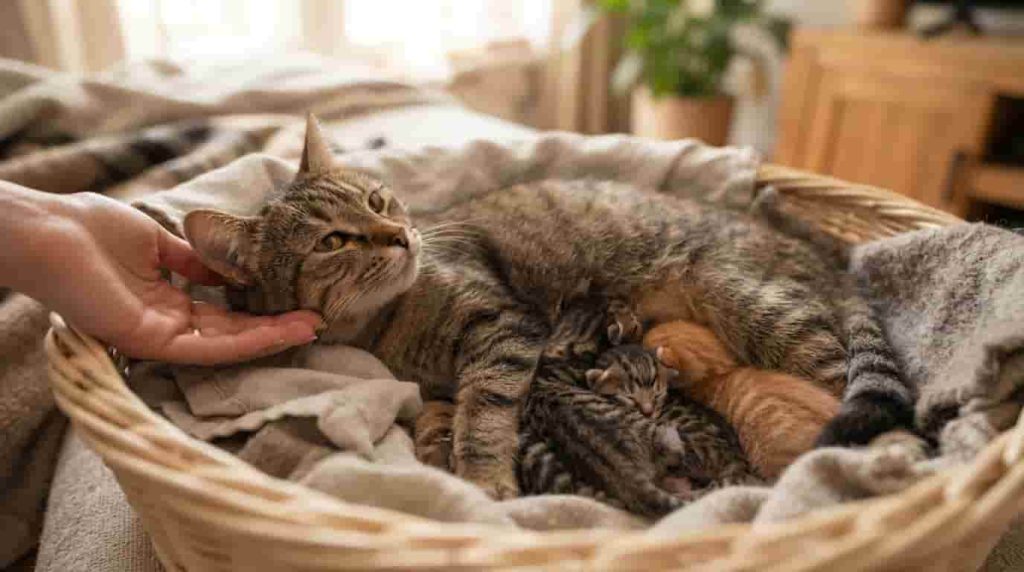
A cat generally shows trust when it feels safe enough to relax around you, approach you voluntarily, rest near you, show vulnerable body positions, and maintain completely normal behavior in your presence. Trust is different from simply wanting food or looking for a quick meal. It requires consistency, context, and a deep understanding of your cat’s daily habits.
Interestingly, a cat can deeply trust someone without necessarily being high-maintenance or overly affectionate. Feline trust indicators focus primarily on safety, whereas affection focuses on social bonding.
Trust vs. Affection in Cats
- Trust looks like: Relaxing in your presence, remaining nearby without demanding attention, sleeping openly, and allowing normal handling without defensive reactions.
- Affection looks like: Rubbing against your legs, seeking active petting, kneading your lap, and sitting directly on you.
While these two concepts often overlap, they are not identical. Recognizing this distinction helps you appreciate how your cat expresses security.
15 Signs Your Cat Trusts You

No single sign guarantees absolute trust. The strongest evidence is a consistent pattern of comfortable, relaxed behavior over time.
1. Your Cat Relaxes Around You
A cat experiencing high stress has rigid muscles and a defensive posture. If your cat displays loose body posture, rests comfortably, and exhibits normal, unbothered behavior when you walk into the room, it is a primary indicator of trust.
2. Your Cat Sleeps Near You
Sleeping puts a cat in a vulnerable state where they cannot easily monitor potential threats. Choosing to rest near you indicates a high degree of comfort and security.
3. Your Cat Shows You Their Belly

Exposing the belly reveals a cat’s most vulnerable body parts. However, showing the belly is usually a sign of comfort rather than an invitation to rub their stomach.
4. Your Cat Makes Slow Blinks at You
Slow blinking is a classic sign of relaxed facial behavior. When a cat looks at you and slowly closes and opens their eyes, they are communicating that they feel safe enough to let their guard down.
5. Your Cat Rubs Against You
Rubbing against your legs, hands, or furniture is a form of scent-marking and social contact. It demonstrates that your cat accepts you as part of their safe territory.
6. Your Cat Chooses to Stay Near You
Whether they sit quietly in the same room or follow you from room to room just to hang out, voluntary proximity is a strong sign of feline trust.
7. Your Cat Seeks You Out
If your cat actively approaches you after you have been separated or comes to greet you when you enter a space, they view you as a source of comfort.
8. Your Cat Plays Freely Around You
Play requires a safe environment. A cat that feels secure will show normal exploratory, hunting-style play, and energetic bursts without hesitation.
9. Your Cat Grooms or Socially Interacts With You
Cats use mutual grooming as a powerful social bonding tool. If your cat licks your hand or clothing, they are treating you like a trusted member of their social group.
10. Your Cat Kneads Around You
Often called “making biscuits,” kneading is a comforting, instinctive behavior left over from kittenhood. Doing this near or on you reflects deep relaxation.
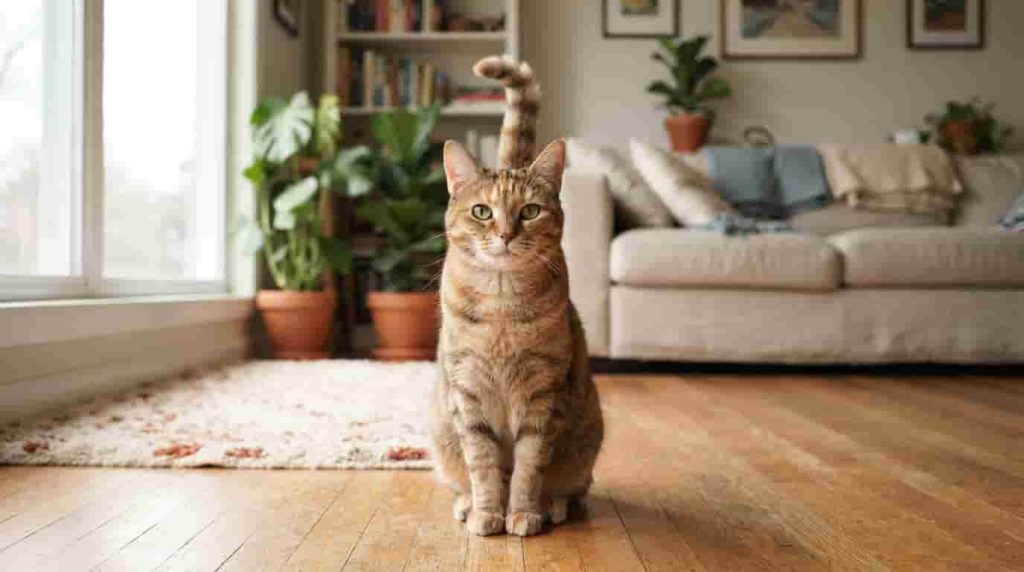
11. Your Cat Greets You
An approachable, vocal, or tail-up greeting when you return home highlights that your cat looks forward to your presence.
12. Your Cat Allows Gentle Handling
Tolerance of appropriate handling—such as brief chin scratches or gentle back petting—reflects comfort. Always respect your cat’s boundaries and stop when they signal discomfort.
13. Your Cat Turns Its Back or Sits With Its Back to You
Turning away from you means the cat feels comfortable enough not to monitor your every move, demonstrating profound peace of mind.
14. Your Cat Shows Vulnerability Around You
Stretching out fully, sleeping flat on their side, or exposing vulnerable areas in open spaces means your cat trusts the safety of their environment.
15. Your Cat Behaves Normally Around You
Eating, grooming, exploring, and sleeping according to a regular routine in your presence is arguably the most reliable overall indicator that your cat trusts your home and your company.
Does My Cat Trust Me If She Shows Her Belly?

Exposing the belly can be a sign that the cat feels comfortable enough to expose a vulnerable area in your presence. However, it does not automatically mean the cat wants physical contact with its belly.
To interpret this correctly, look at the broader context, including relaxed posture, soft facial expressions, loose ears, and a calm tail. Do not automatically reach for the belly; let your cat determine whether physical contact is welcome.
Does My Cat Trust Me If She Sleeps Next to Me?

Choosing to sleep close to you can indicate comfort and security. Sleeping is a deeply vulnerable activity, making proximity a strong trust signal.
However, sleeping position should always be interpreted in context. A cat can trust you completely without sleeping right next to you, as individual cats have unique preferences for sleeping locations. Sleeping beside you is a possible trust signal, not a mandatory test of trust.
Does My Cat Trust Me With Her Kittens?
A mother cat’s behavior around people varies significantly. A cat that remains completely relaxed around you while caring for kittens may be showing a high level of comfort, allowing you nearby without becoming defensive.
Never assume every mother cat wants people handling her kittens. Always respect the mother’s space, monitor her body language carefully, and prioritize the safety and peace of the family.
How Do You Tell If a Cat Trusts You?
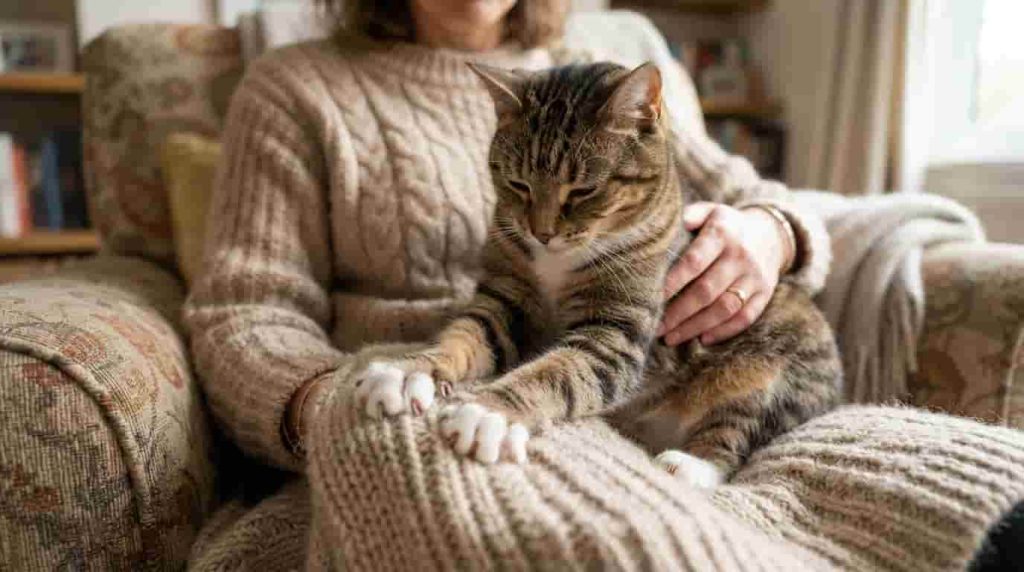
Evaluating your cat’s trust requires looking at daily patterns rather than a single interaction. Ask yourself whether your cat regularly:
- Chooses to approach you voluntarily
- Relaxes around you
- Sleeps or rests nearby
- Displays soft, loose body language
- Allows appropriate interaction without fear
- Behaves normally in your daily presence
No single behavior can confirm trust entirely. Personality, age, previous life experiences, and environmental changes all influence how a cat expresses security. The ultimate takeaway is that trust is defined by the repeated absence of fear combined with voluntary, relaxed interaction.
How Cats Show Trust Through Body Language
Understanding cat body language trust signs helps decode what your cat is feeling from moment to moment.
Relaxed Ears and Face
Ears held in a natural, forward or slightly tilted position, combined with relaxed facial muscles and soft eyes, indicate peace.
Loose Body Posture
Muscles that are soft rather than tense, alongside comfortable stretching and sprawling sleeping positions, show a cat feels secure.
Voluntary Proximity
Choosing to approach, sit nearby, and remain close without being restrained proves the cat wants to share space with you.
How Can I Build Trust With My Cat?

If you want to strengthen your bond and gain a cat’s trust, patience and consistency are essential.
- Let Your Cat Approach You: Avoid chasing, cornering, or forcing interaction. Give your cat full control over social contact.
- Respect Your Cat’s Boundaries: Stop petting immediately when the cat shows signs of discomfort, such as tail twitching or skin rippling.
- Keep Daily Routines Predictable: Maintain consistent feeding schedules and familiar household routines to create a secure environment.
- Use Positive Experiences: Engage in interactive play, offer gentle praise, and provide food rewards when appropriate.
- Learn Your Cat’s Body Language: Recognize subtle signs of relaxation and early warnings that the cat needs space.
- Give Your Cat Safe Spaces: Ensure your cat has access to quiet hiding areas, elevated perches, and secure resting spots.
- Be Patient: Earning your cat’s trust takes time. Avoid expecting immediate affection.
- Avoid Punishment: Never use frightening or intimidating interactions, as punishment undermines a cat’s sense of safety.
Will My Cat Trust Me Again?
A damaged relationship does not mean trust cannot be rebuilt. While you cannot rush the timeline, rebuilding trust depends heavily on the cause of fear, your cat’s individual personality, and the consistency of future interactions.
Give your cat space, return to predictable daily routines, avoid forcing physical affection, and offer positive, calm experiences. Progress is often gradual, so watch for tiny signs of returning relaxation.
Does My Cat Not Trust Me?
Signs of discomfort or fear can include persistent hiding, avoiding your approach, flattened or tense body posture, and defensive responses.
However, do not confuse independence with distrust. Some cats naturally prefer distance or have independent personalities. If your cat chooses not to sit on your lap, it does not mean they lack trust. If you notice sudden or severe behavior changes, consult a veterinarian to rule out underlying pain or illness.
Do Cats Prefer Female Owners?
Individual cats often show personal preferences for specific people, but these preferences are not universally tied to gender. Factors like interaction style, voice pitch, movement patterns, daily routine, and gentle handling matter far more to a cat than human gender.
Can Cats Sense a Good Person?
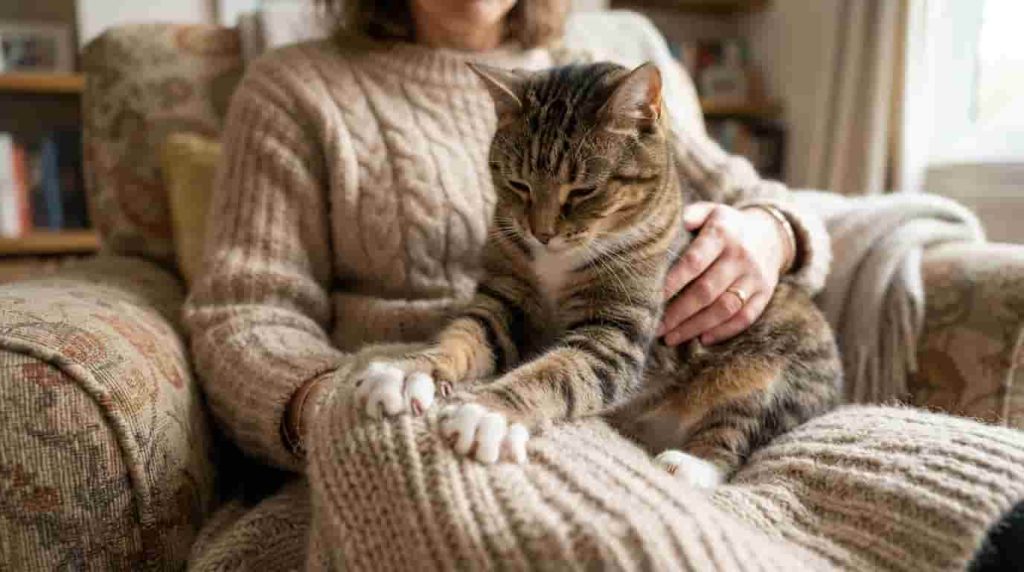
Cats carefully observe human behavior and environmental cues. They react strongly to calm, predictable interactions versus threatening movements. However, this does not mean cats possess a mystical ability to judge moral character. A cat is simply more comfortable with someone who moves calmly, respects boundaries, and gives them space.
Do Cats Care If You Cry?
Cats notice subtle changes in human voice tones, movement patterns, facial behavior, and routine. While some cats may approach a distressed owner to investigate or offer comfort, others may stay at a distance or maintain normal routines. Understanding emotional distress varies greatly from cat to cat.
Trust vs. Love: Are They The Same?
Trust and love are closely related but distinct experiences. Trust means feeling safe and secure around someone, while affection involves seeking out positive social interaction.
To explore this connection further, read How Do I Know If My Cat Loves Me? 15 Signs of a Strong Bond
, which details how emotional attachment differs from physical safety.
Trust vs. Happiness: How Are They Connected?
A trusting relationship contributes heavily to a cat feeling secure, but trust and happiness are separate concepts. Happiness encompasses broader environmental factors, physical well-being, mental enrichment, and daily routine.
To learn more about your cat’s overall satisfaction, check out Is My Cat Happy? How to Tell If Your Cat Is Truly Happy
.
Can Cats Choose a Favorite Person Because They Trust Them?
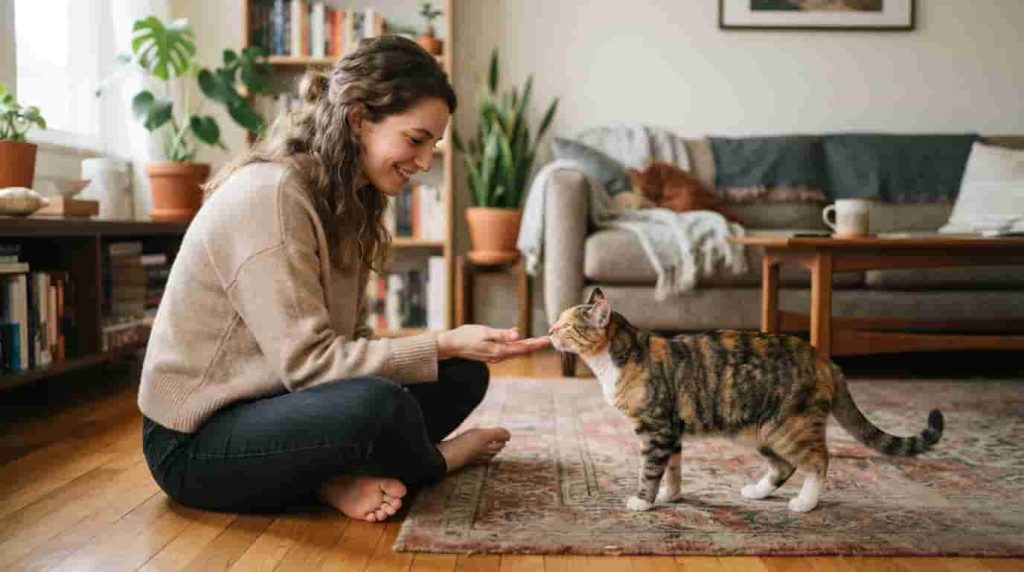
A cat naturally develops a stronger preference for people who consistently make them feel safe and respected. Trust is a major component of this bond, though favorite-person behavior also depends on who provides food, play, and predictable comfort.
Discover more about this dynamic in How Do Cats Choose Their Favorite Person? What Makes Them Pick You
.
Frequently Asked Questions About Cat Trust
The strongest indicators include voluntary proximity, relaxed body language, showing vulnerability, and maintaining normal, comfortable behavior in your presence.
Exposing the belly can indicate comfort and security, but it is rarely an invitation for a belly rub.
Choosing to sleep near you is a wonderful sign of comfort and security, though not every trusting cat chooses to sleep directly beside its owner.
Yes, trust can often be successfully rebuilt over time through patience, consistency, predictable routines, and respectful interactions.
Cats respond sensitively to how people behave around them, but this reflects their reaction to calm human actions rather than an innate judgment of moral character.
Conclusion — How Do I Know If My Cat Trusts Me?
Understanding feline trust comes down to recognizing patterns rather than searching for one dramatic gesture. True trust is built on relaxation, voluntary interaction, vulnerability, and mutual respect for individual feline personalities. Remember that patience is key when building or rebuilding trust with your pet. Your cat does not need to sit on your lap or sleep right beside you to prove they trust you.
Which of these signs does your cat show most clearly in your daily life?