Cat Water Lapping: The physics of how cats drink without a mess.
Introduction:
Cat Water Lapping looks like pure magic to most pet owners. Do you ever watch your pet drink and wonder about the process? Dogs slop liquid everywhere while they quench their thirst. Conversely, cats leave the floor perfectly dry after drinking. You probably notice this strange difference every single day. The secret hides inside their very rough and textured tongues.
They do not scoop liquid like a spoon at all. Instead, Cat Water Lapping uses a highly complex scientific method. We will break down this incredible feat of nature together. Therefore, you will finally understand their neat and tidy habits. Many owners struggle to keep their pets drinking enough daily. Because cats evolved in dry climates, they naturally avoid stagnant pools.
Consequently, they possess very specific pet water consumption habits today. You will learn exactly how to support their healthy cat habits. First, we must look at the science behind their behavior.
The Physics Behind Cat Water Lapping
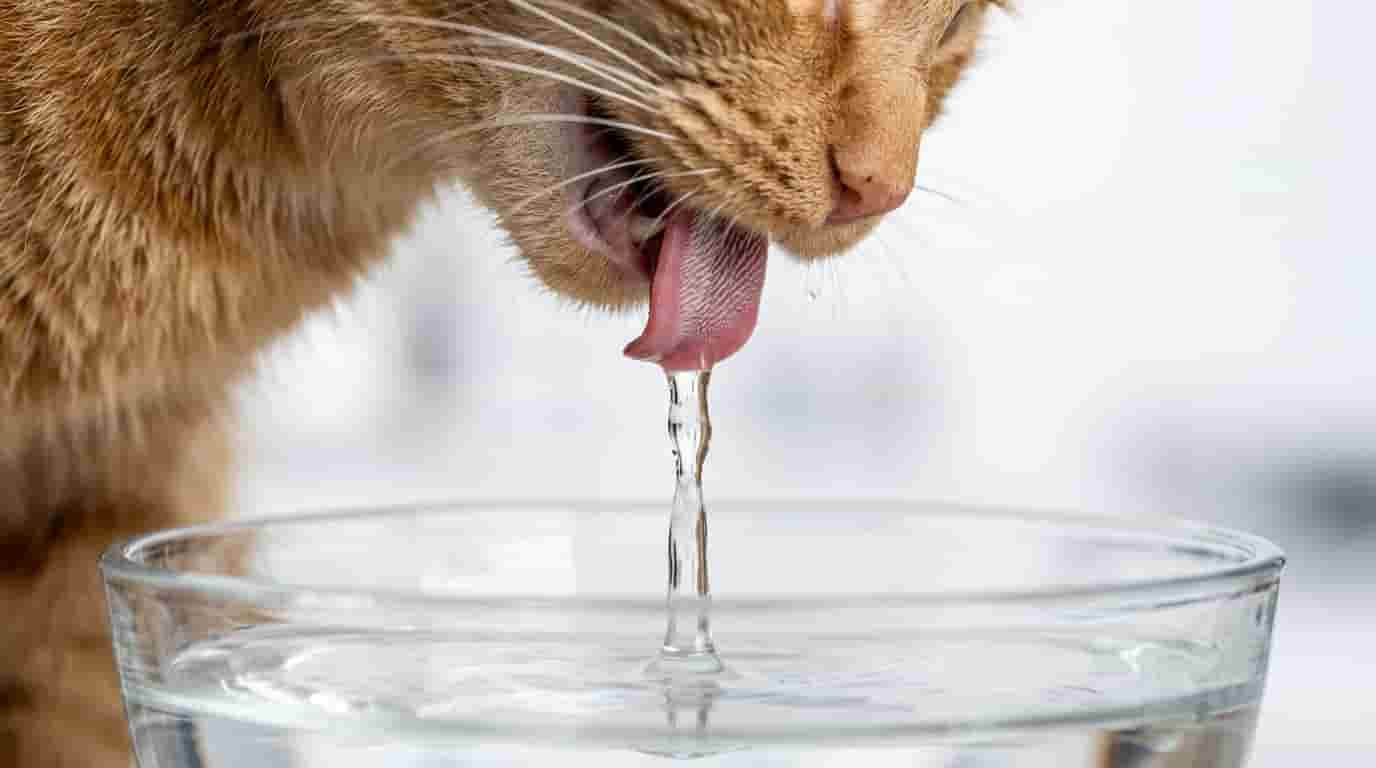
Have you ever filmed your pet drinking in slow motion? The footage reveals an absolutely beautiful sequence of fast events. First, the cat extends their tongue straight downward into the bowl. Then, they curl the tip backward in a rapid motion. This fast movement lightly strikes the surface of the liquid. They never actually break the surface tension of the water.
Instead, they pull their tongue upward very quickly. As a result, a delicate column of liquid rises into the air. Cat Water Lapping relies entirely on this rising liquid column. The cat simply bites the top of the column to swallow. Gravity eventually pulls the rest of the liquid back down. However, the cat snaps their mouth shut right before this happens.
This perfect timing keeps their face completely dry. You can easily see why how cats drink water fascinates scientists. Researchers even study this process to build better fluid robots.
Understanding Feline Hydration Needs
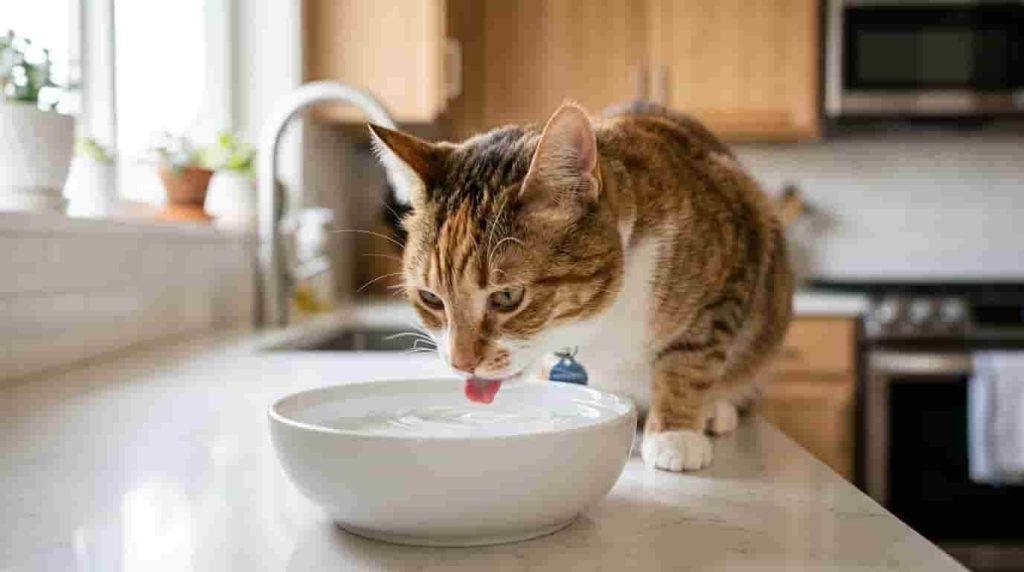
You might wonder why they developed such a delicate system. Their habits originated in the harsh environments of their ancestors. Desert cats needed to keep their whiskers clean and dry always. A wet face attracts dirt and causes immense physical discomfort. Therefore, Cat Water Lapping became a permanent survival trait over time. Understanding these traits helps you provide better cat wellness tips.
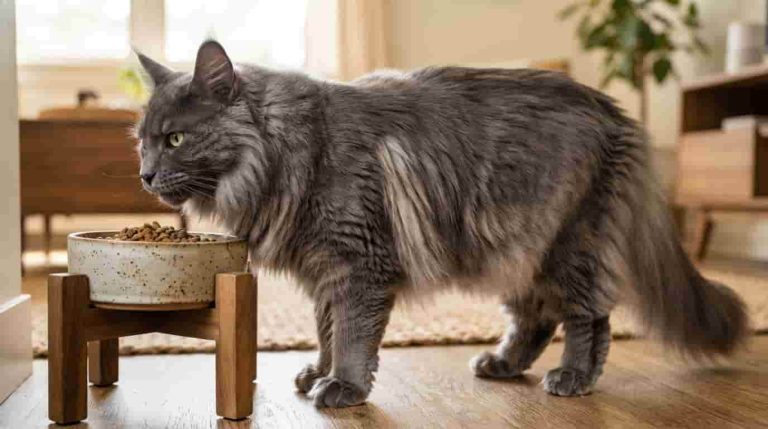
You must cater to their specific evolutionary needs at home. Sometimes, cats exhibit other strange behaviors around their food bowls too. For example, read Cat Paw Dipping: Why some cats use their feet to eat. to understand their tactile needs. Because they rely on their senses, presentation matters deeply everywhere. You should always ensure their bowls remain wide and shallow. Deep bowls cause whisker fatigue and discourage normal pet water consumption.
We will explore more ways to fix this problem shortly. Next, you must consider the quality of their resources.
Observing Cat Drinking Behavior At Home
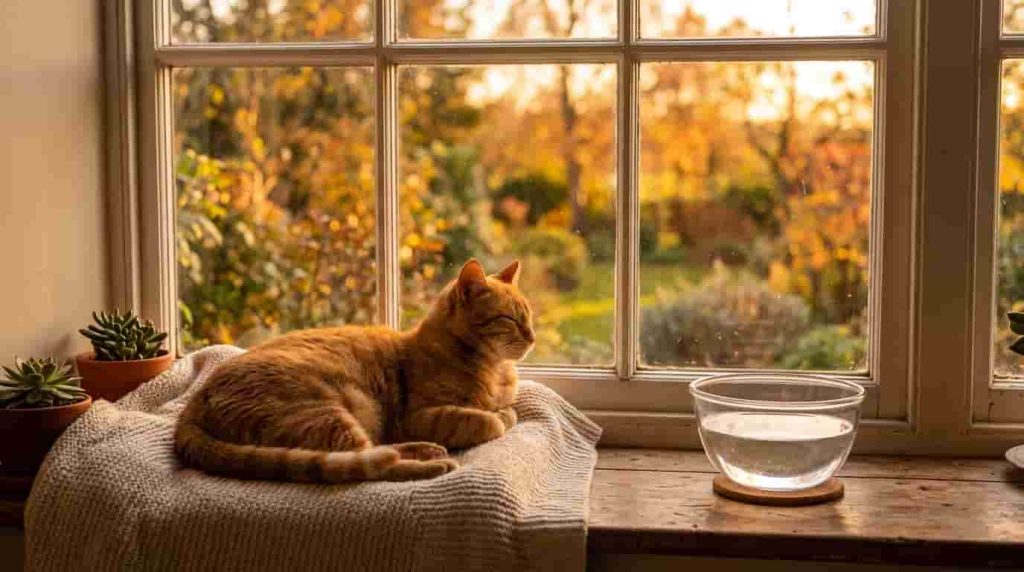
Every pet owner knows that cats prefer fresh, moving sources. They often ignore the expensive bowl you place on the floor. Instead, they beg for a few drops from the bathroom sink. This preference stems directly from their wild and ancient ancestry. Furthermore, stagnant pools often contain harmful bacteria in nature. Also, your pet instinctively seeks out running streams to stay safe.
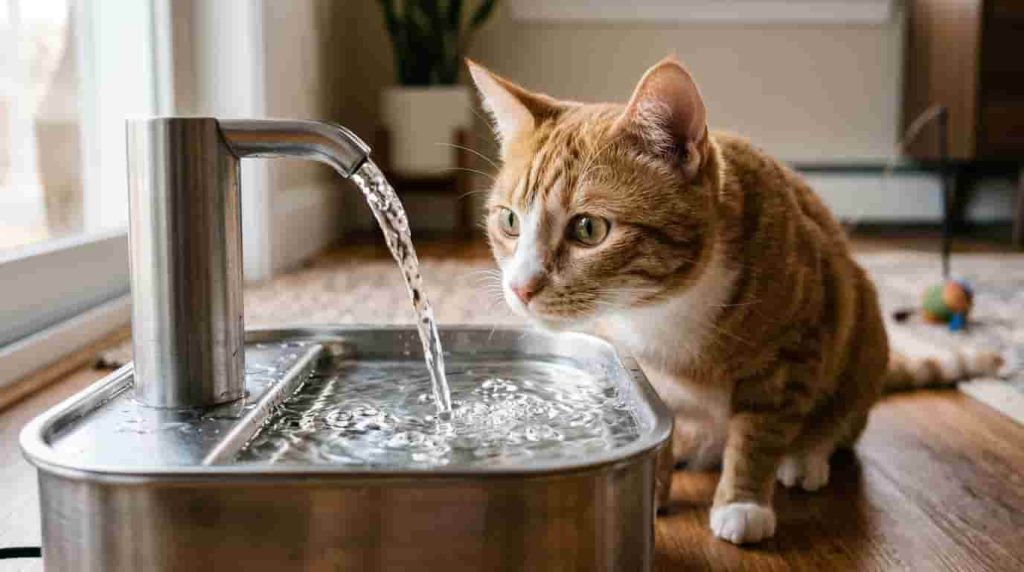
Additionally, moving water sounds much more appealing to their ears. You can use this knowledge to your advantage at home. Therefore, providing a fountain is a great way of encouraging cat hydration. The gentle flow mimics a natural spring perfectly for them. First, one owner, Sarah, noticed her cat refused a standard bowl entirely. Her pet would only drink when someone turned on the tap.
This real life example shows how stubborn they act sometimes. She solved the issue by purchasing a quiet, continuously flowing fountain. As a result, Cat Water Lapping happened much more frequently indoors.
Solving Common Cat Drinking Patterns
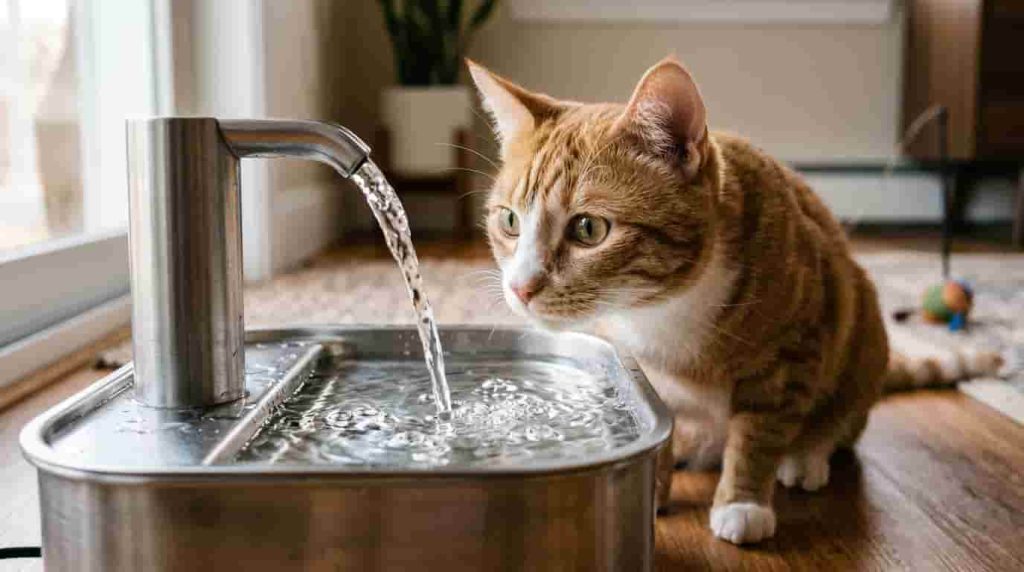
First, Sarah found that her cat started drinking twice as much. Also, you can achieve similar results by making small changes today. Sometimes, cats even test their resources before consuming them at all. Check out Cat Food Sniffing: Why they check the smell before the taste. to learn about their senses. Additionally, they use their powerful noses to evaluate everything they consume. If a plastic bowl smells funny, they will simply walk away.
Therefore, you should switch to stainless steel or ceramic options immediately. These materials do not hold onto bad smells or harmful bacteria. You will notice a major improvement in their daily habits. Furthermore, keep their food and bowls in completely separate locations. In the wild, cats never eat near their main drinking source. They instinctively know that food contaminates their precious drinking supply.
Cat Water Lapping behavior evolved to avoid these dirty sources. Finally, separating these stations promotes better cat health and hydration naturally.
Medical Insights On Water Intake For Cats
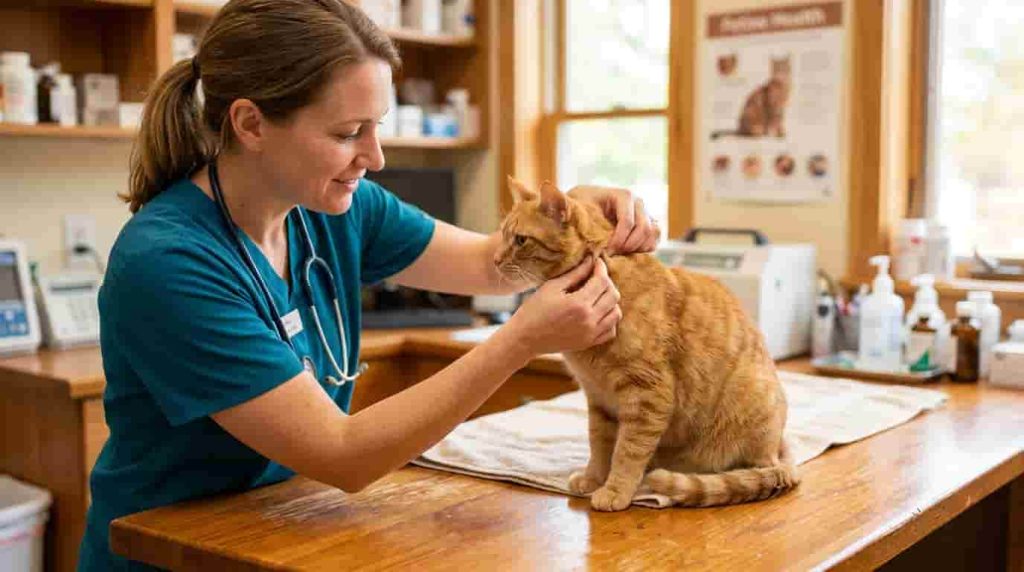
First, veterinary experts strongly emphasize the need for adequate daily fluids. Experts at Cornell University College of Veterinary Medicine recommend monitoring their daily intake. Additionally, a healthy cat needs about four ounces of liquid daily. You must track this amount to prevent severe kidney issues later. Because they naturally consume low amounts, you must stay vigilant. Furthermore, wet food provides a massive boost to their daily fluid totals.
Next, you should mix a little warm liquid into their canned meals. This simple trick increases their total moisture intake without any fuss. Keeping cats hydrated protects their urinary tract from painful blockages. Also, Cat Water Lapping requires energy and specific physical coordination. If your pet feels sick, they might stop doing it altogether. A sudden drop in liquid intake signals a major medical emergency.
Therefore, you should contact your veterinarian immediately if you notice this change. Always act fast when you observe strange physical symptoms.
Keeping Cats Hydrated With Safe Placement
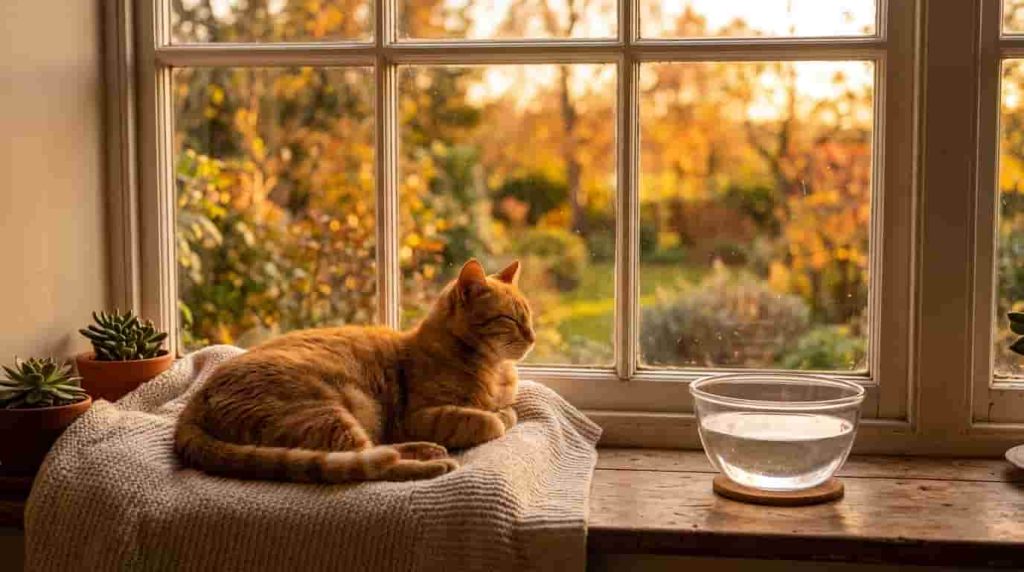
Where you place the bowl matters just as much as material. High traffic areas often stress cats and prevent them from resting. Therefore, you should choose a quiet corner away from loud household appliances. Also, make sure they have a clear view of the room. Cats feel vulnerable when they lower their heads to drink. Because they feel threatened easily, Cat Water Lapping stops immediately in loud areas.
Providing a secure environment is essential for promoting cat health daily. You want them to feel completely relaxed during every single visit. Sometimes, cats try to drink from your personal cups instead. If they jump onto your prep spaces, you need to intervene. You can read Cat Counter Surfing: Stopping your pet from stealing dinner. for helpful training advice. Finally, redirecting them to their own safe spot creates a happier household.
Encouraging Cats To Stay Hydrated Easily
Cat Water Lapping remains a brilliant example of natural engineering. You now know exactly how they keep their whiskers so dry. Furthermore, you understand why they prefer running streams over stagnant puddles. You possess the knowledge to improve their environment today. First, start by upgrading their bowls to shallow ceramic dishes immediately. Then, consider adding a quiet fountain to your living room space.
You will likely see an immediate positive change in their routine. As a result, Cat Water Lapping will become a frequent, healthy sight in your home. Your dedication directly impacts their longevity and daily comfort. Because you provide the best resources, they thrive under your care. Always monitor their habits and consult a vet when things change. You are the best advocate for their long term wellness.
Every small adjustment you make creates a huge positive difference. Therefore, you ensure their kidneys stay flushed and their energy remains high. Finally, Cat Water Lapping happens fast, but its benefits last a lifetime. You should celebrate these quirky, beautiful behaviors every day. Observe your pet closely to learn their specific personal preferences. Do you use a fountain or a regular bowl for your pet?
Please share your experience with Cat Water Lapping in the comments below! We love hearing how you keep your furry friends happy and healthy.
Frequently Asked Questions
Cat Water Lapping relies on a fast backward tongue curl. First, they pull a column of liquid up and bite it quickly. This precise timing keeps their face and the floor completely dry.
Some cats prefer to lick liquid off their paws for safety. Also, they do this to check the depth of the bowl. Therefore, providing a wider bowl often stops this behavior completely.
Yes, a water fountain encourages cats to drink much more often. They naturally prefer moving liquids over stagnant bowls. Furthermore, a fountain mimics a fresh stream and keeps the liquid clean.
A healthy adult cat needs about four ounces per five pounds. You can boost this amount by feeding them wet canned food. Finally, always monitor their habits to catch any sudden changes early.
They often knock bowls over to make the liquid move. Because they struggle to see still liquids, moving it helps them focus. Consequently, you should buy a heavy ceramic bowl to prevent major spills.