
Is My Cat Happy? How to Tell If Your Cat Is Truly Happy
Introduction: Is My Cat Happy?
Is My Cat Happy? Wondering how your feline companion truly feels is a common experience for pet owners, especially because cats communicate so differently from humans. Knowing how a cat feels can be challenging, as they rarely show their emotions in obvious ways. Ultimately, happiness is better judged through a consistent pattern of behaviors and body-language cues rather than one isolated action.
A content feline will typically display relaxed body language, normal eating and grooming habits, playfulness, comfortable social interaction, peaceful resting, and a healthy interest in their environment. Every cat possesses an individual personality, meaning what looks like contentment for one cat might look different for another. However, sudden behavior changes often deserve closer attention. This article explores how to recognize a happy cat, understand cat behavior, and discover practical ways to support overall feline well-being.
How Do I Know If My Cat Is Happy?
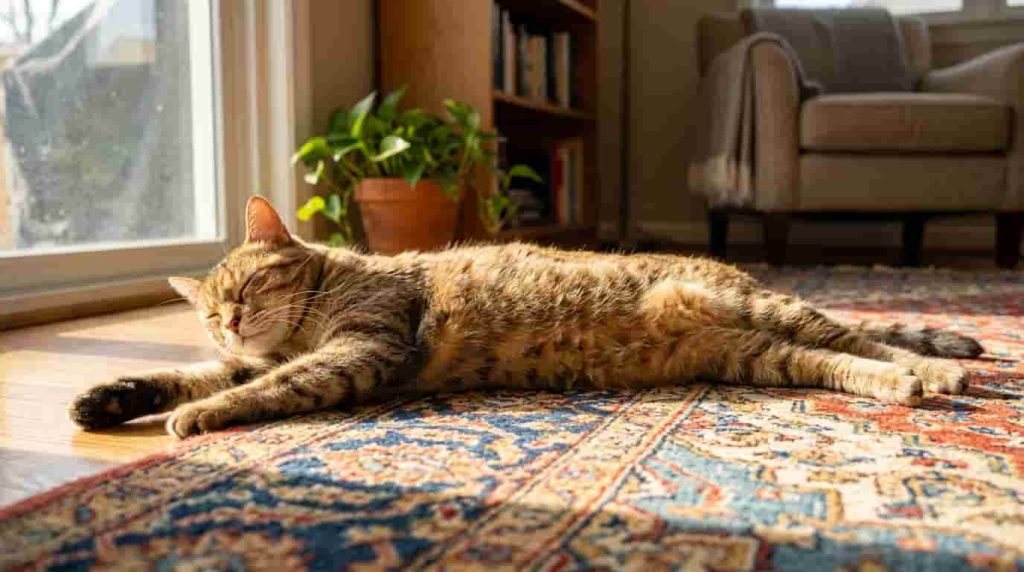
Determining whether your cat is content comes down to observing a combination of relaxed body language, normal daily habits, social comfort, curiosity, and appropriate activity levels. Rather than relying on a single moment, look for an overall routine that shows your cat feels secure and fulfilled in their home.
The Most Common Signs of a Happy Cat
- A relaxed body: Loose posture, comfortable resting positions, and an absence of persistent muscle tension.
- Healthy-looking grooming habits: Regular self-grooming that keeps the coat maintained normally without over-grooming or neglect.
- Normal appetite: Eating according to its usual daily routine without unexplained major changes.
- Play and exploration: Active interest in toys and exploring familiar surroundings appropriately for the individual cat.
- Comfortable social behavior: Choosing to spend time near people, initiating friendly interaction, and showing relaxed responses to familiar faces.
- Peaceful sleep: Resting comfortably and choosing safe, familiar sleeping areas.
- Curiosity: Watching household activities with interest and investigating new, non-threatening stimuli.
Why One Sign Does Not Prove a Cat Is Happy
A single purr, tail position, or sleeping posture does not tell the whole story. Cats purr when they are stressed or in pain, and a sleeping cat is not always a happy cat. Encouraging owners to look at patterns and changes from their cat’s normal behavior provides a much more accurate picture of their emotional state.
What Does a Happy Cat Look Like?
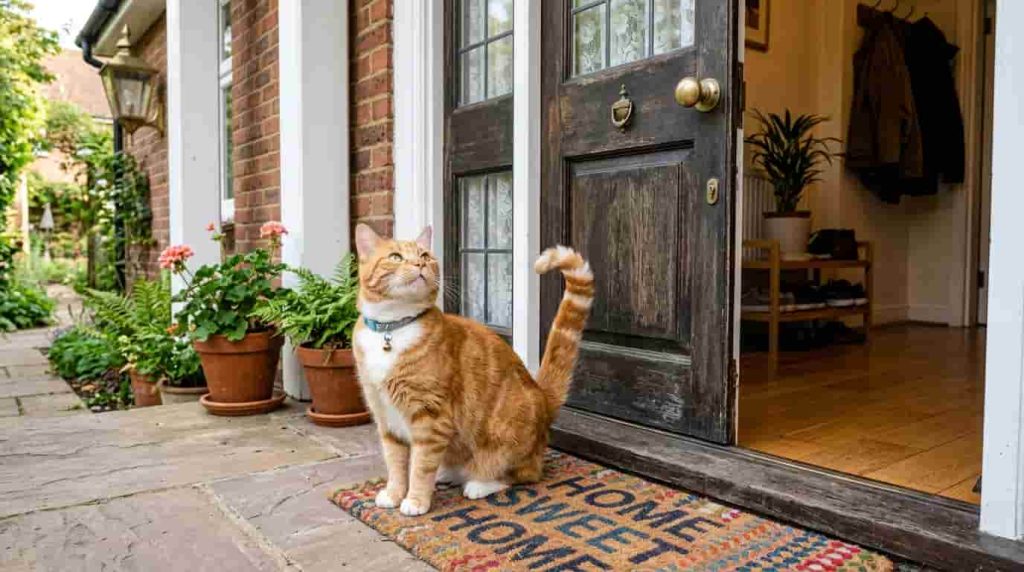
Understanding happy cat body language requires looking at the face, posture, and movement together to gauge how safe and relaxed a cat feels.
Relaxed Ears, Eyes, and Face
A content cat typically has soft, forward-facing or slightly tilted ears without being pinned back or swiveling anxiously. Their eyes may be half-closed, blinking slowly, or wide and soft with curiosity. Comfortable eye contact happens when a cat feels safe, but context always matters since staring can sometimes signal tension.
A Relaxed Body and Comfortable Posture
Loose muscles are a hallmark of a happy cat. When resting, they often sprawl out, curl into a tight, relaxed cinnamon roll, or stretch out fully. They easily settle into their preferred sleeping areas because they feel completely secure in their environment.
Tail and Movement Clues
Tail position needs to be interpreted alongside the rest of the body. While a tail held high with a slight curve at the tip often indicates a friendly greeting, a stiff or twitching tail can mean irritation. Calm, fluid movement versus signs of tension or agitation will tell you a lot about their current mood.
Affectionate Behaviors
Happy cats frequently show affection through rubbing against people, sitting nearby, seeking attention, and kneading with their paws. However, cats vary widely in how they show affection. Some are vocal and clingy, while others express love simply by sharing the same room with you.
Is My Cat Happy When It Purrs?
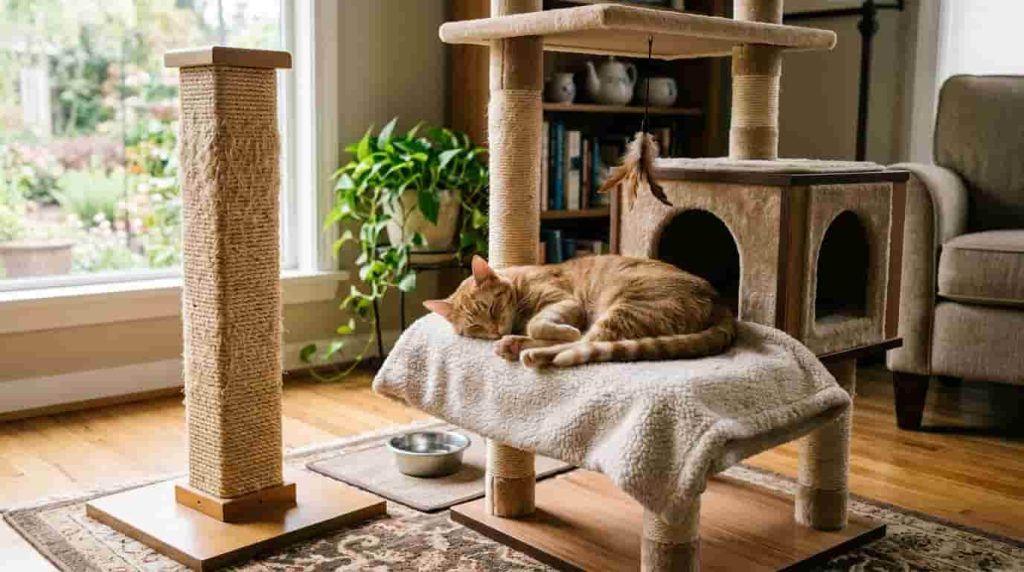
Purring is often associated with contentment, but it should not automatically be treated as definitive proof of happiness. While cats frequently purr during positive experiences like resting in your lap, they also purr when frightened, stressed, or experiencing pain as a self-soothing mechanism.
When Purring May Be a Positive Sign
Purring is a reliable indicator of a happy cat when it is accompanied by a relaxed body, a comfortable environment, voluntary interaction, and normal behavior around familiar people.
Why You Should Look at the Whole Cat
Context prevents misinterpretation. By evaluating the surrounding environment, body posture, and facial expressions alongside the purr, you reinforce the article’s central principle: look for behavioral patterns rather than relying on one isolated clue.
Is My Cat Happy to See Me?
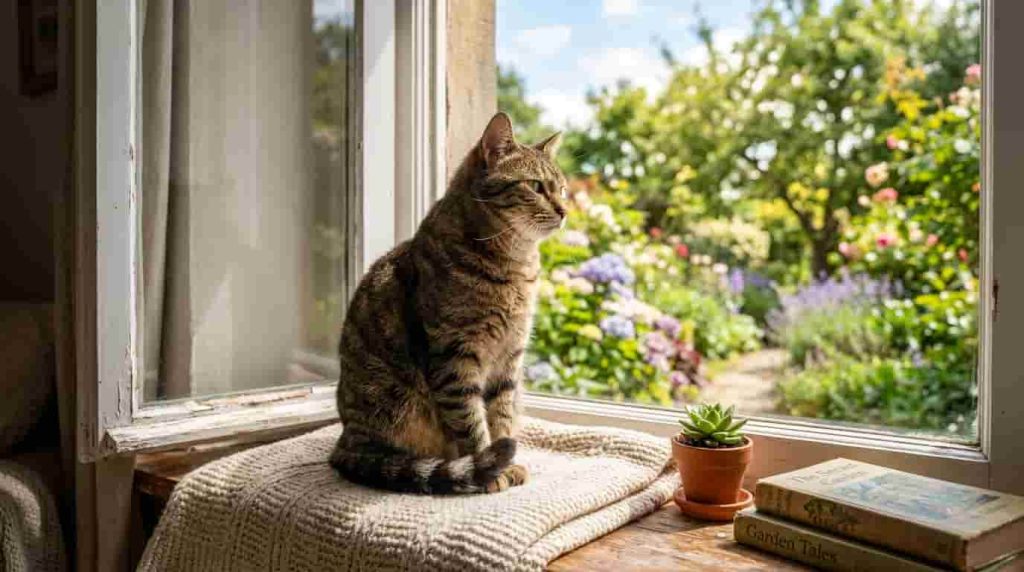
Observing your cat’s reaction when you enter a room is a great way to gauge their social feelings toward you. Signs that may show positive social anticipation include approaching when you enter, rubbing against you, vocalizing softly, following you around, choosing to sit nearby, initiating interaction, and relaxing in your presence.
It is important to remember that cats have different social styles. A quiet cat may show affection through calm proximity rather than obvious excitement, and high-energy behavior should never be equated with greater happiness.
When discussing affection and social behaviors, you can explore How Do I Know If My Cat Loves Me? 15 Signs of a Strong Bond
to see how deep attachments manifest. Additionally, understanding how a cat’s happiness connects to their individual preferences can be further explored in How Do Cats Choose Their Favorite Person? What Makes Them Pick You
.
Is My Cat Happy Indoors?
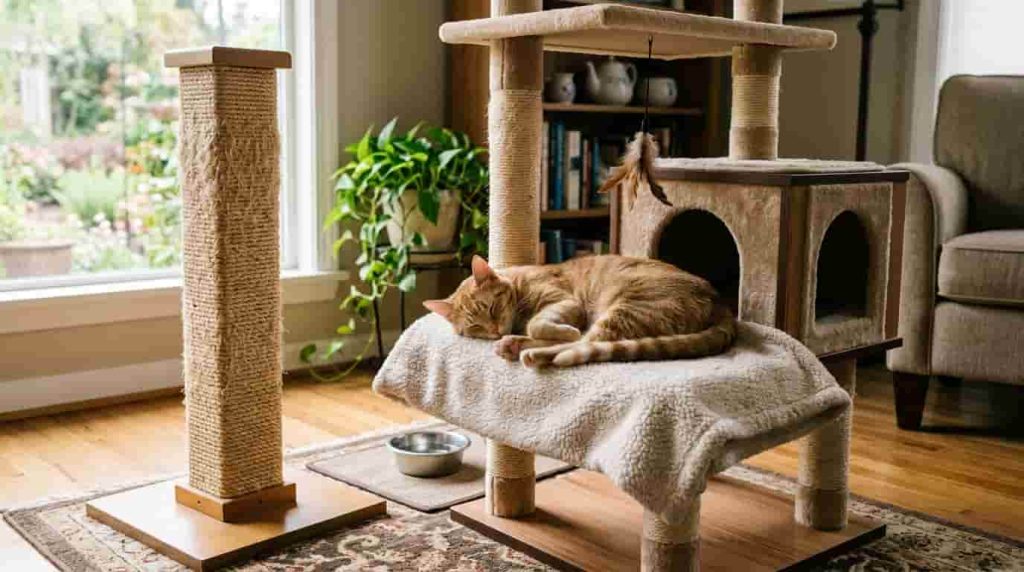
Indoor living can provide a wonderfully safe and comfortable environment when a cat’s physical, social, behavioral, and enrichment needs are met. Every cat has individual preferences, but indoor setups can easily be optimized for feline satisfaction.
What Helps an Indoor Cat Stay Content?
- Safe resting areas and comfortable beds
- Vertical spaces like cat trees and shelves
- Hiding places to retreat to when overwhelmed
- Scratching opportunities to maintain claws and stretch muscles
- Interactive play to satisfy predatory instincts
- Appropriate food, fresh water, and accessible litter boxes
- Opportunities to explore safely and predictable daily routines
Signs an Indoor Cat May Need More Enrichment

If an indoor cat displays persistent boredom-like behavior, reduced engagement, excessive attention-seeking, destructive behavior, or significant changes from normal routines, they may need more stimulation. Indoor happiness is not about making the home constantly entertaining; it is about giving the cat appropriate choices, security, and opportunities to behave naturally.
Can a Single Cat Be Happy?
Living alone does not automatically mean a cat is unhappy. Individual temperament matters significantly; some cats thrive on substantial human interaction and prefer being the sole ruler of the household, while others enjoy feline companionship.
Signs Your Single Cat Is Doing Well
Watch for normal eating, regular grooming habits, playful bursts of energy, curiosity during exploration, restful sleep, comfortable interaction with family members, stable routines, and a general interest in their surroundings.
How to Support a Single Cat
Provide daily interaction, offer appropriate play and enrichment, give the cat safe places to retreat, rotate activities rather than constantly introducing overwhelming stimulation, and allow the cat to choose when to interact. Do not assume that getting another cat is automatically the solution for a cat that appears withdrawn.
How Can I Tell If My Cat Is Unhappy?

Balancing our understanding of feline well-being requires recognizing when a cat may be struggling or feeling distressed.
Behavioral Changes to Watch For
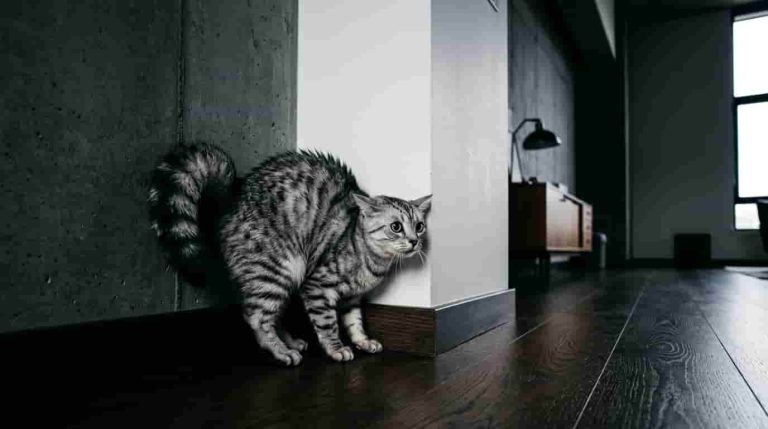
Potential warning signs of unhappiness or stress include withdrawal, reduced interest in normal activities, changes in appetite, changes in grooming habits (such as over-grooming or unkempt fur), increased hiding, unusual aggression or irritability, changes in litter-box behavior, and major disruptions in sleep or activity patterns.
Why Changes Matter More Than Personality
A naturally quiet cat is not automatically unhappy, but a naturally playful cat suddenly becoming withdrawn is much more meaningful. Always compare behavior with your cat’s normal baseline. Because sudden or persistent behavior changes can sometimes be associated with underlying illness, pain, stress, or medical problems, consulting a veterinarian is appropriate when changes are unexplained or concerning.
How Can I Keep My Cat Happy?
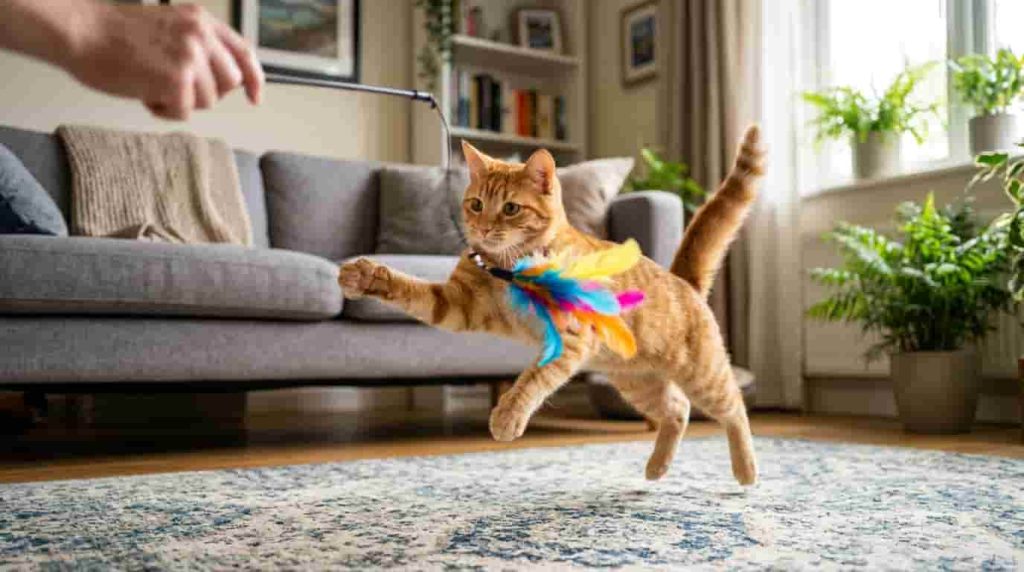
Moving from recognition to practical action ensures your cat enjoys a fulfilling, enriched life.
8 Practical Ways to Support Feline Happiness
- Provide daily play: Use activities appropriate for the cat’s specific age and energy level.
- Create safe resting spaces: Give the cat quiet places where it can relax undisturbed.
- Offer opportunities to climb and explore: Use vertical space and environmental enrichment where appropriate.
- Maintain predictable routines: Consistency makes daily life much easier and less stressful for cats.
- Respect your cat’s boundaries: Let the cat move away when it wants space.
- Provide appropriate scratching options: Give acceptable vertical and horizontal outlets for normal scratching behavior.
- Use food-based enrichment appropriately: Incorporate puzzle feeders or foraging opportunities where suitable.
- Pay attention to individual preferences: Recognize that not every cat enjoys the same toys, handling styles, or types of interaction.
Common mistakes that can reduce a cat’s comfort include forcing physical affection, ignoring environmental enrichment, assuming every cat likes the same activities, punishing normal feline behavior, and overlooking sudden changes in health or routine. As you build trust and respect boundaries, reviewing resources like How Do I Know If My Cat Trusts Me? 15 Signs of Feline Trust
can help you fine-tune your approach.
Happy vs. Comfortable
A cat’s well-being is much broader than visible excitement or constant playfulness. Happiness in cats does not look like perpetual motion. A content cat often spends substantial time sleeping, grooming, watching the environment from a sunny window, and choosing quiet companionship. A calm, predictable life is a very positive sign of a secure pet rather than evidence of boredom.
How Can I Say “I Love You” in Cat?

Communicating affection effectively involves speaking your cat’s language. You can show love by respecting personal space, using gentle interaction, offering play sessions, maintaining predictable care, paying attention to body language, and allowing the cat to initiate contact.
Let your cat decide how much interaction it wants. Respecting boundaries strengthens the relationship and builds mutual trust, acknowledging that cats experience and express affection differently than humans do.
Frequently Asked Questions About Cat Happiness
Look for consistent patterns of relaxed body language, normal daily habits, and positive social engagement. A happy cat typically eats well, plays, grooms normally, and rests peacefully.
Yes, many cats thrive wonderfully as only pets when their mental and physical needs are met. Adequate enrichment and quality human interaction keep single cats very content.
Purring often accompanies positive experiences, but it is not a standalone happiness test. Cats also purr to self-soothe when stressed or in pain, so always evaluate the context.
Tail movement in cats can carry many different meanings ranging from curiosity to irritation. Always interpret tail behavior together with posture, ears, eyes, and the current situation.
An indoor cat can live a wonderful life when its environment supports exercise, exploration, rest, scratching, play, and security. Meeting these fundamental needs prevents indoor boredom.
Conclusion — Is My Cat Happy?
Is My Cat Happy? Assessing feline happiness relies on observing a combination of body language, daily habits, social behavior, play, curiosity, grooming, appetite, and resting behavior. Every cat expresses comfort differently, making it vital to watch for changes from your cat’s normal baseline. Creating a safe, enriched, and predictable environment supports lifelong feline well-being and strengthens your connection. Which specific behavior first made you realize that your cat was truly content and happy in your home?