Cat Pine Litter: Pros, Cons, Safety and How It Works
Introduction
Cat Pine Litter. Many cat owners want a litter that effectively controls odor, produces less dust, and offers a more natural option for their home. The short answer is that Cat Pine Litter can be a suitable and highly effective choice for many cats, but its unique texture, natural scent, maintenance needs, and individual cat preferences all play a major role in its success.
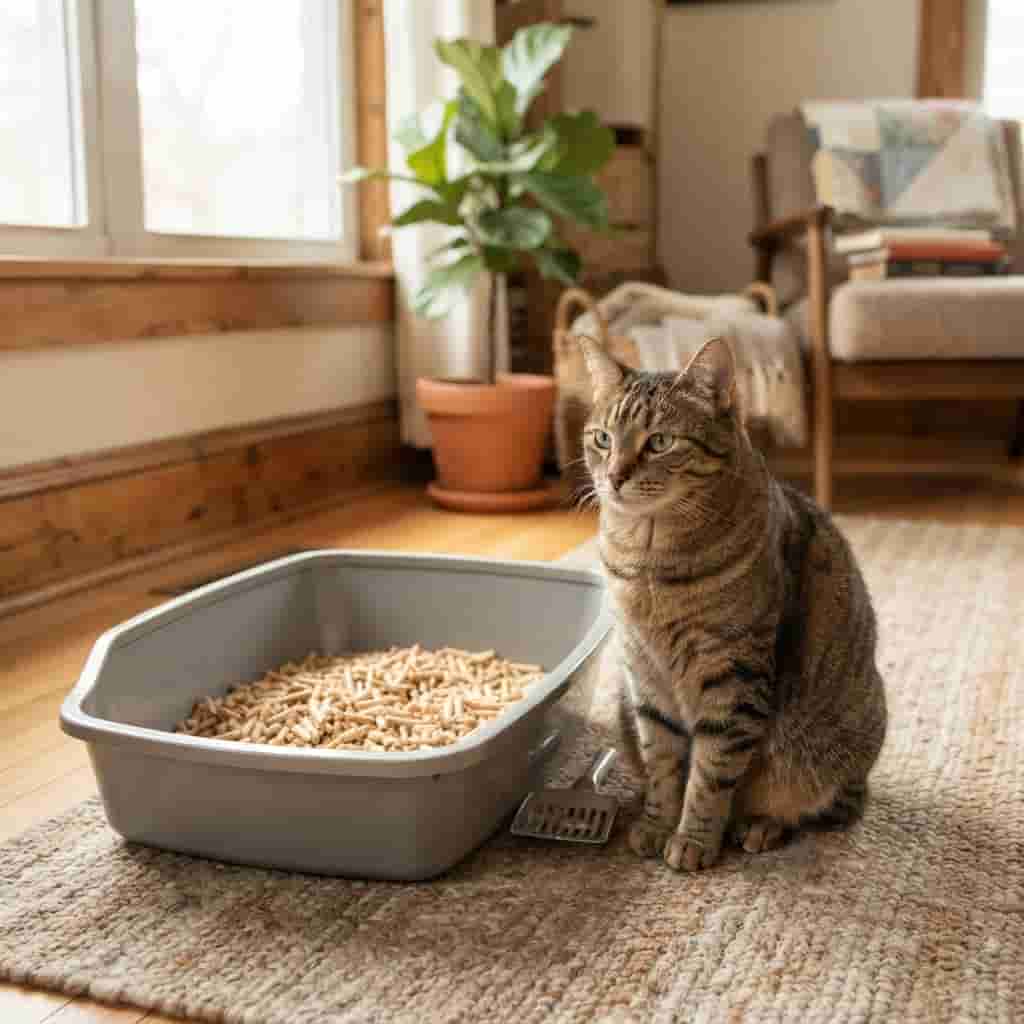
Pine litter is most commonly sold in compressed pellet form, though other processed textures exist. This guide explores how pine litter works, its key benefits and drawbacks, safety considerations, how often it needs to be changed, and how to decide whether it suits your particular cat.
What Is Cat Pine Litter?
How Is Pine Cat Litter Made?
Cat pine litter is manufactured from recycled or sustainably harvested pine wood that has been processed, dried, and compressed into absorbent litter products. Because different brands and manufacturers use varying processing methods, owners should always check specific product packaging and manufacturer instructions.
Pine Pellets vs. Other Pine Litter Textures
- Pellet-style litter: Features hard, cylindrical pine pellets that hold their shape until exposed to moisture.
- Finer or broken-down textures: Some alternative pine products feature softer or pre-crumbled consistencies.
Texture significantly impacts cat acceptance, scooping methods, tracking around the house, and your overall daily cleaning routine.
How Does Pine Cat Litter Work?
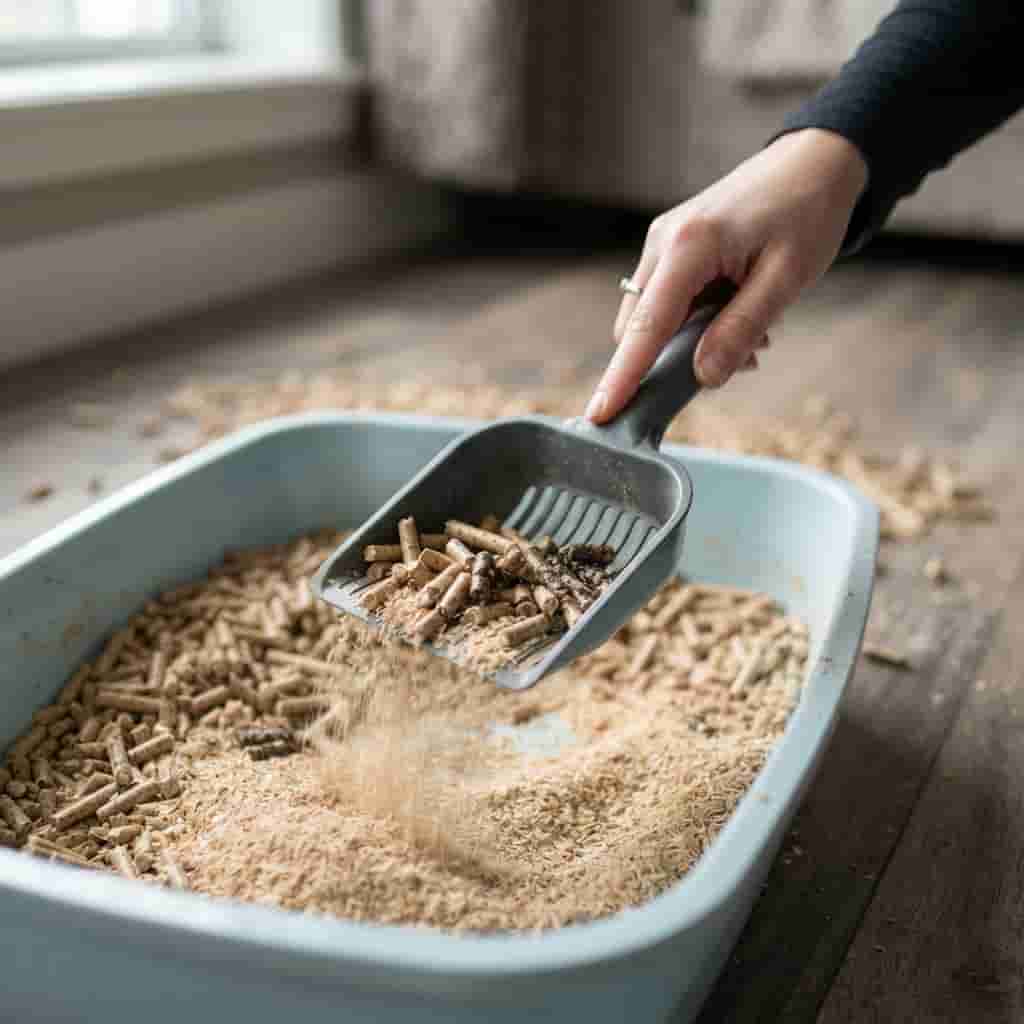
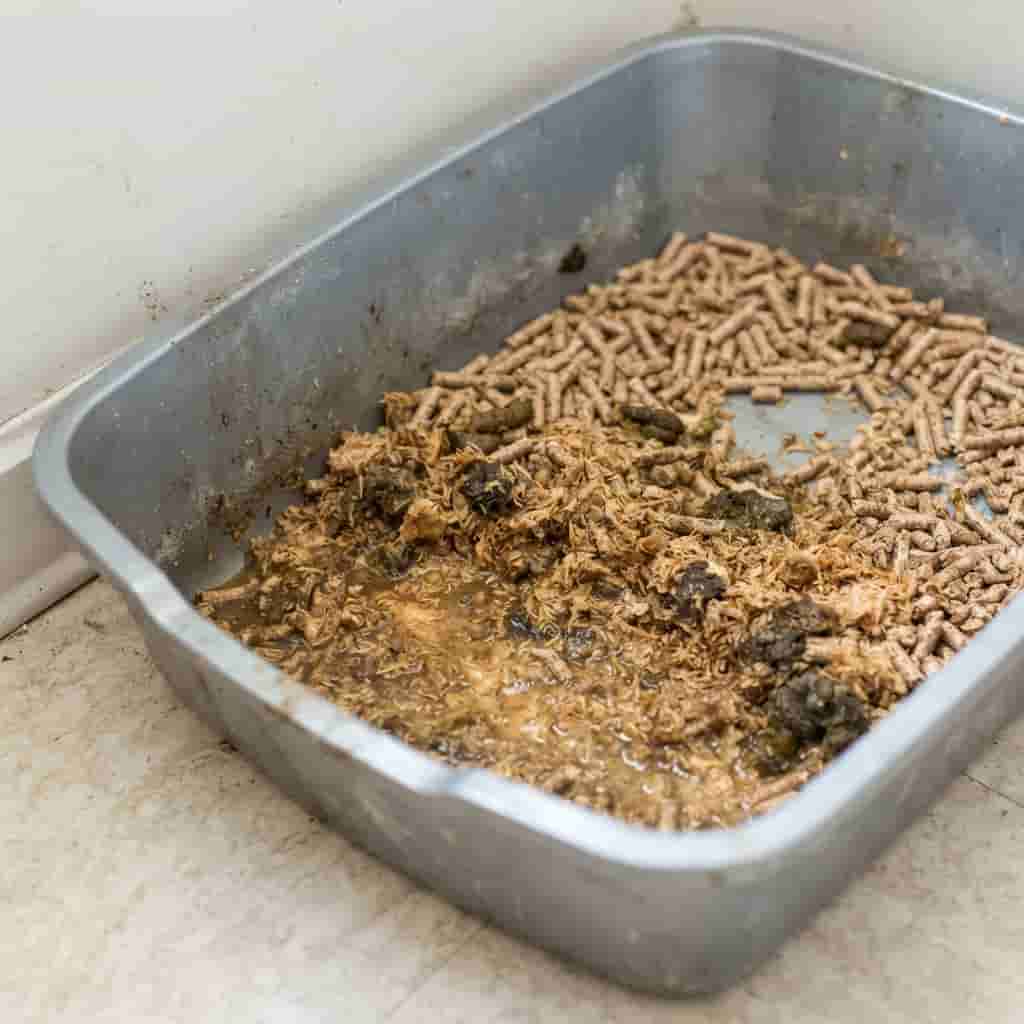
Unlike traditional clay litters that rely on chemical clumping agents, pine litter works through natural absorbency. When cats urinate, the moisture is absorbed by the compressed wood. Depending on the product formulation, the wetted pellets break down and crumble into a soft, sawdust-like material.
How Pine Litter Handles Urine
The wood fibers rapidly soak up liquid. As the pellets become saturated, they disintegrate into sawdust. Regular removal of this used material is essential to keep the box fresh.
How Pine Litter Helps With Odor Control
Pine features a naturally clean, pleasant scent that neutralizes ammonia smells effectively. While many owners appreciate this natural aroma, odor control cat litter performance can still vary depending on the brand and how frequently the box is maintained.
Do You Need a Sifting Litter Box?
While a cat pine litter sifter or sifting litter box can make separating intact pellets from the used sawdust very easy, a specialized box is not strictly required. Many owners successfully manage pine pellets using standard boxes and specialized scooping techniques tailored to the product.
Is Cat Pine Litter Good for Cats?
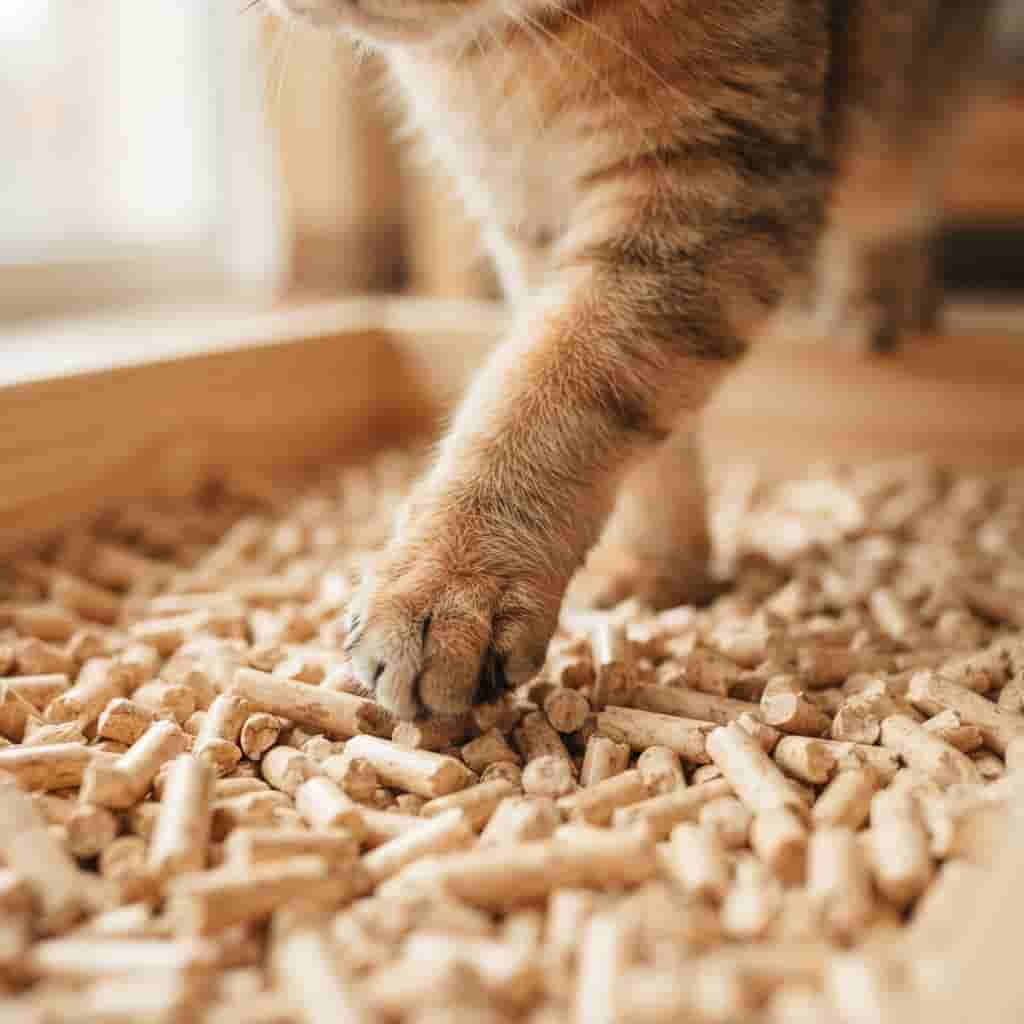
Pine litter works wonderfully for many cats, but feline acceptance can vary. The best cat litter is ultimately the one that is appropriate for your pet and consistently used without causing litter box avoidance. Always observe your cat’s behavior closely when introducing a new product.
Potential Benefits for Cats
- Made from natural materials
- Often produces significantly less airborne dust compared to traditional clay
- Features a clean, natural scent rather than harsh artificial chemicals
- High absorbency in quality formulations
When a Cat May Not Like Pine Litter
- The firm, woody feel of pellets under sensitive paws
- A sudden change in long-established litter box textures
- The distinct natural scent of pine
- Disruption to their normal routine
Cat Pine Litter Pros and Cons
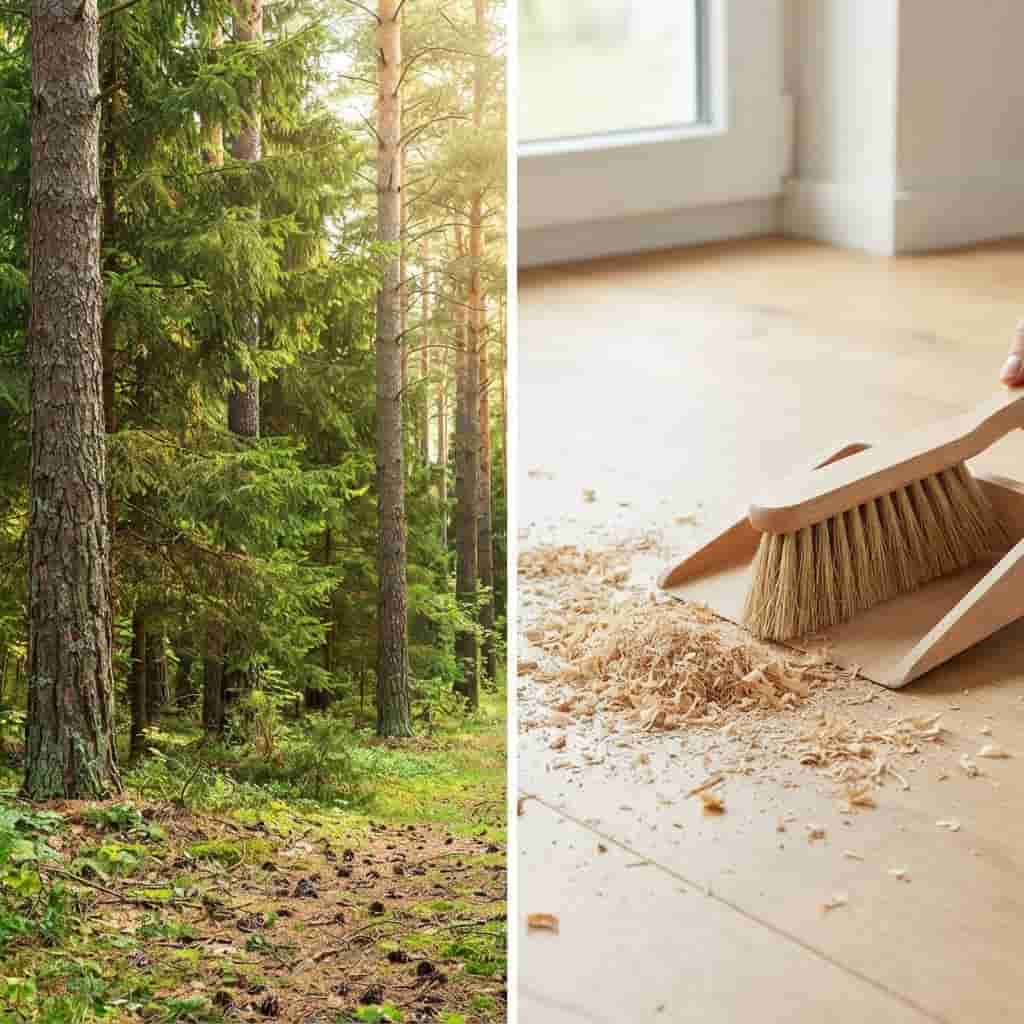
Pros of Pine Cat Litter
- Derived from natural materials
- Excellent natural odor management
- Low-dust production protects sensitive respiratory tracts
- Pellet forms reduce messy tracking outside the box
- Highly appealing to owners seeking biodegradable cat litter or sustainable cat litter solutions
Cons of Pine Cat Litter
- Some cats dislike stepping on hard pellets
- Saturated pellets break down into sawdust, requiring a different cleaning approach
- Odor control may not meet expectations in multi-cat homes if not scooped regularly
- Sudden transitions can lead to litter box rejection
Is Cat Pine Litter Safe?
Safety depends on the specific product, its purity, and how it is maintained. Because quality pine litter is kiln-dried, harmful phenols and oils are removed during manufacturing, making it safe for general feline use. Always check packaging and follow manufacturer instructions. If a cat shows unusual reactions, persistent respiratory signs, or litter box aversion, consult a veterinarian.
Can Cats Be Sensitive to Pine Litter?
True allergies to processed pine are uncommon, but individual sensitivities to texture or dust can occur. If your cat appears uncomfortable or avoids the box, investigate potential physical sensitivities.
What About Kittens?
Kittens explore their environments with high curiosity and may occasionally taste litter. While pine is natural, monitor kittens closely and consult your veterinarian if you have specific safety concerns.
How Often Do You Change Pine Cat Litter?
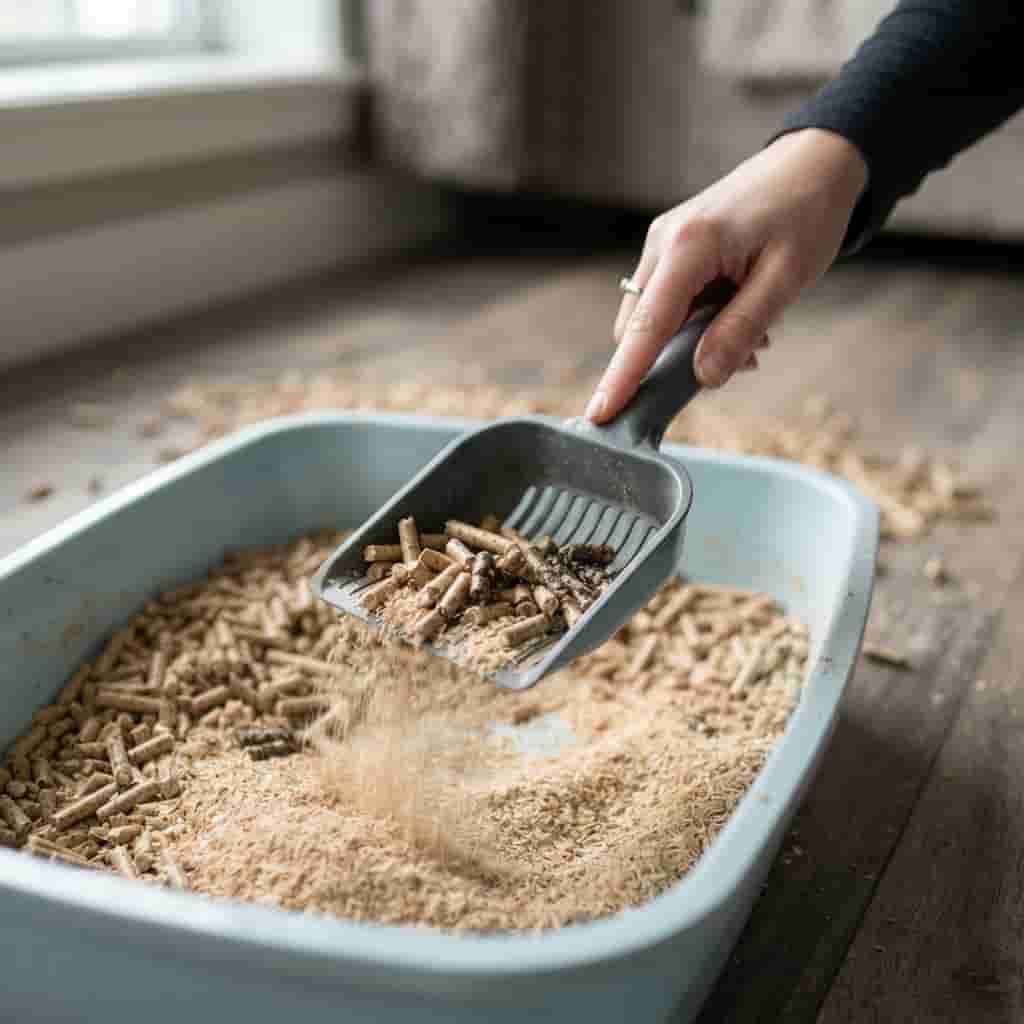
The exact cleaning schedule depends on the number of cats sharing the box, the specific pine product used, the litter box design, and how quickly the material becomes saturated.
Daily Cleaning
Scoop out solid waste daily. If using a pellet system, sift or shake the box to allow the broken-down sawdust to fall to the bottom, then remove the sawdust layer.
Full Litter Changes
While daily upkeep handles daily waste, the entire litter box eventually needs to be emptied, washed thoroughly with mild soap, and refilled with fresh pine according to product recommendations.
How to Use Pine Pellet Cat Litter
- Choose the Right Litter Box: Select a standard open/covered box or a sifting cat pine litter box depending on your preferred cleaning style.
- Add the Recommended Amount: Pour in enough depth as advised by the manufacturer—usually around 1 to 2 inches of pellets.
- Remove Solid Waste Regularly: Scoop out feces daily to maintain hygiene.
- Manage Broken-Down Pellets: As pellets absorb urine and turn to sawdust, sift or scoop out the loose wood dust.
- Clean and Refill the Box: Perform regular full box refreshes to prevent lingering odors.
How to Switch Your Cat to Pine Litter
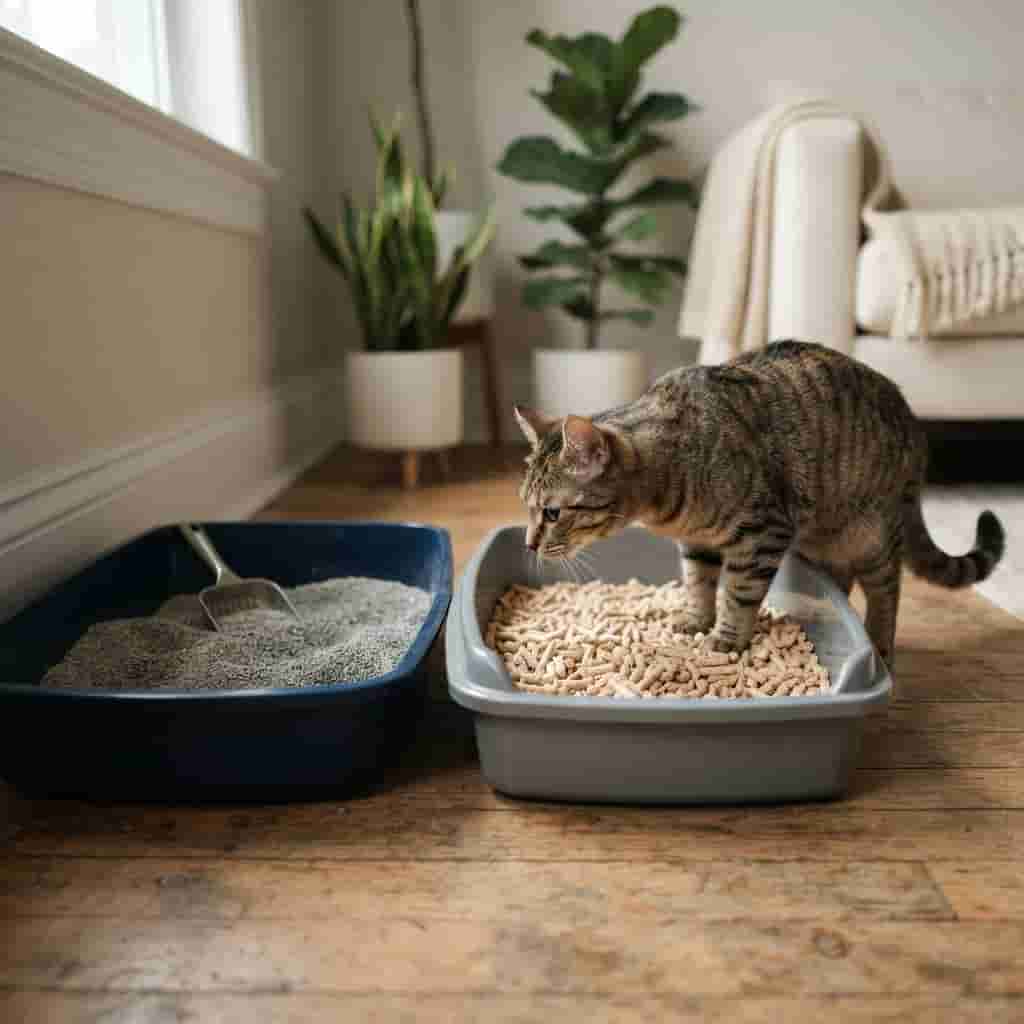
Sudden changes can startle cats and lead to bathroom accidents. Introduce new litters gradually.
A Simple Gradual Transition
- Start with a box filled mostly with your cat’s familiar litter.
- Add a small handful of pine litter on top.
- Gradually increase the proportion of pine over 7 to 10 days if your cat continues using the box comfortably.
- Slow down the transition if hesitation or avoidance occurs.
Hypothetical Example
For example, a cat owner switching from fine clay litter to large pine pellets may begin with a small amount of pine mixed into the familiar litter. If the cat continues using the box normally, the owner can gradually increase the amount. (Note: This is a hypothetical example for illustration purposes.)
Pine Litter vs. Other Types of Cat Litter
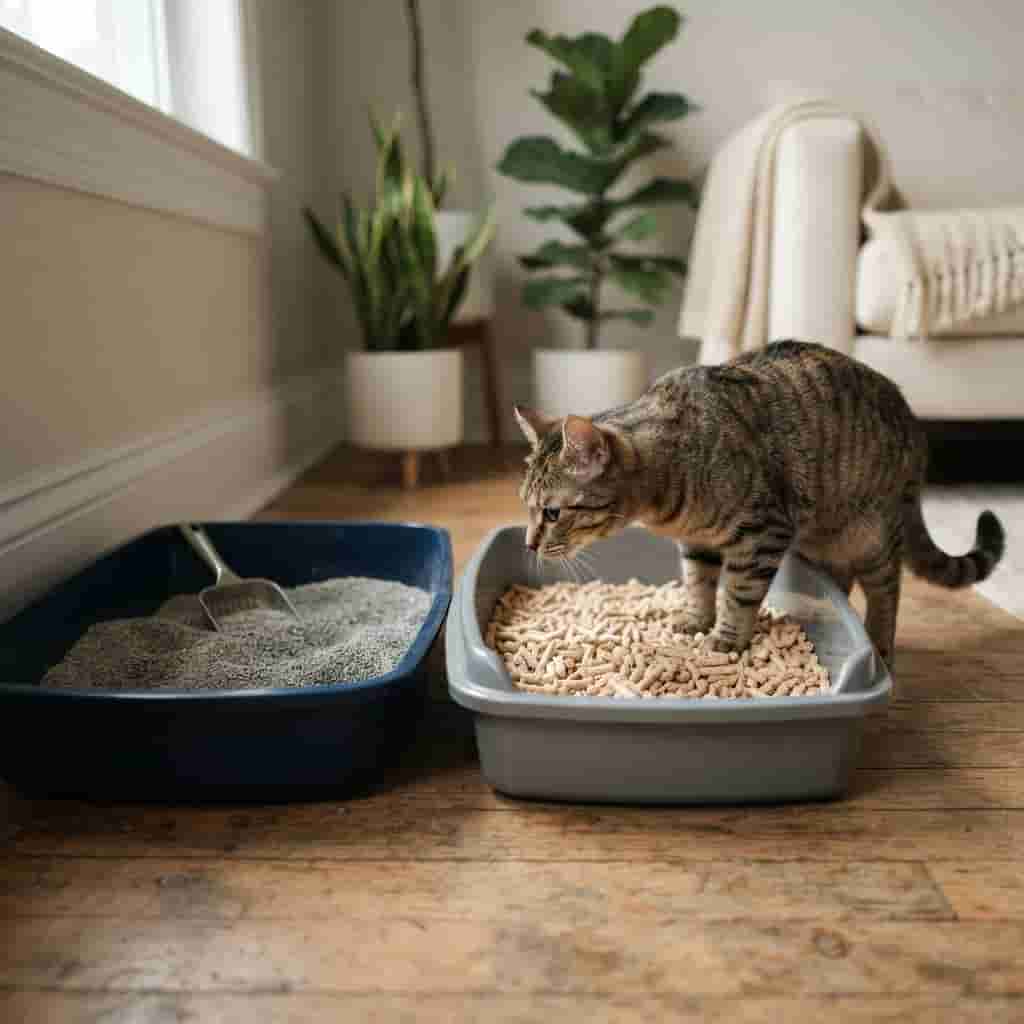
Pine Litter vs. Clay Litter
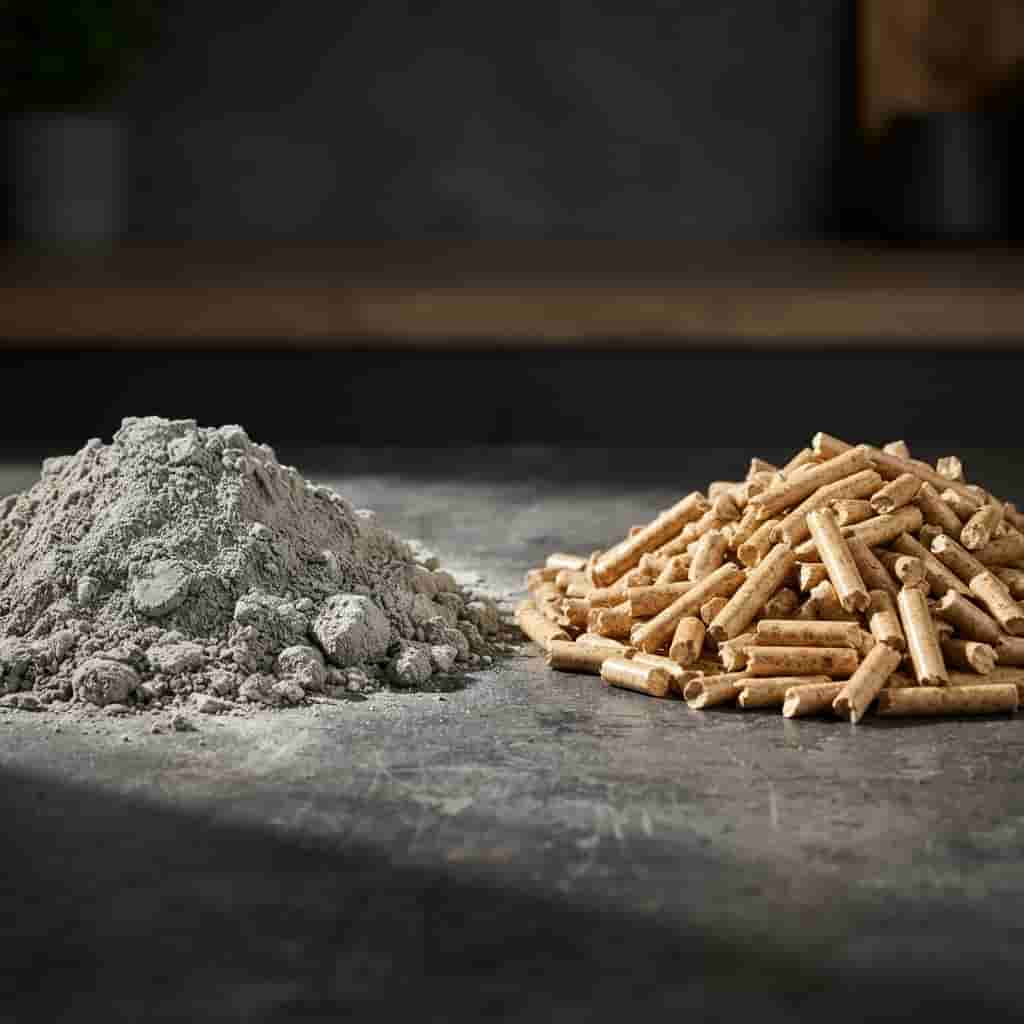
Clay forms rigid clumps, while pine pellets absorb moisture and break down into sawdust. Clay can produce more dust, whereas pine offers a natural wood scent. For a comprehensive look at traditional options, review Cat Clay Litter: Is It Safe and Healthy for Cats?
Pine Litter vs. Paper Litter
Both are eco-friendly and low-dust alternatives to clay. Paper pellets maintain their shape when wet rather than crumbling into sawdust. Learn more about paper options in Cat Paper Litter: Is It Safe, Effective and Worth Using?
Does Scent Matter?
Natural pine aroma is derived directly from the wood, which differs greatly from heavily chemical, artificially scented litters. For further reading, check Cat Scented Litter: Is It Safe and Better Than Unscented?
Common Mistakes When Using Pine Cat Litter
- Switching Too Quickly: Failing to give cats time to adjust to a new texture.
- Using the Wrong Cleaning Method: Treating pine pellets like traditional clumping clay instead of managing the sawdust layer.
- Ignoring Manufacturer’s Instructions: Overlooking specific guidance provided by the brand.
- Assuming Every Cat Will Like Pellets: Forgetting that individual feline preference always overrides owner preference.
Is Pine Litter a Good Eco-Friendly Option?
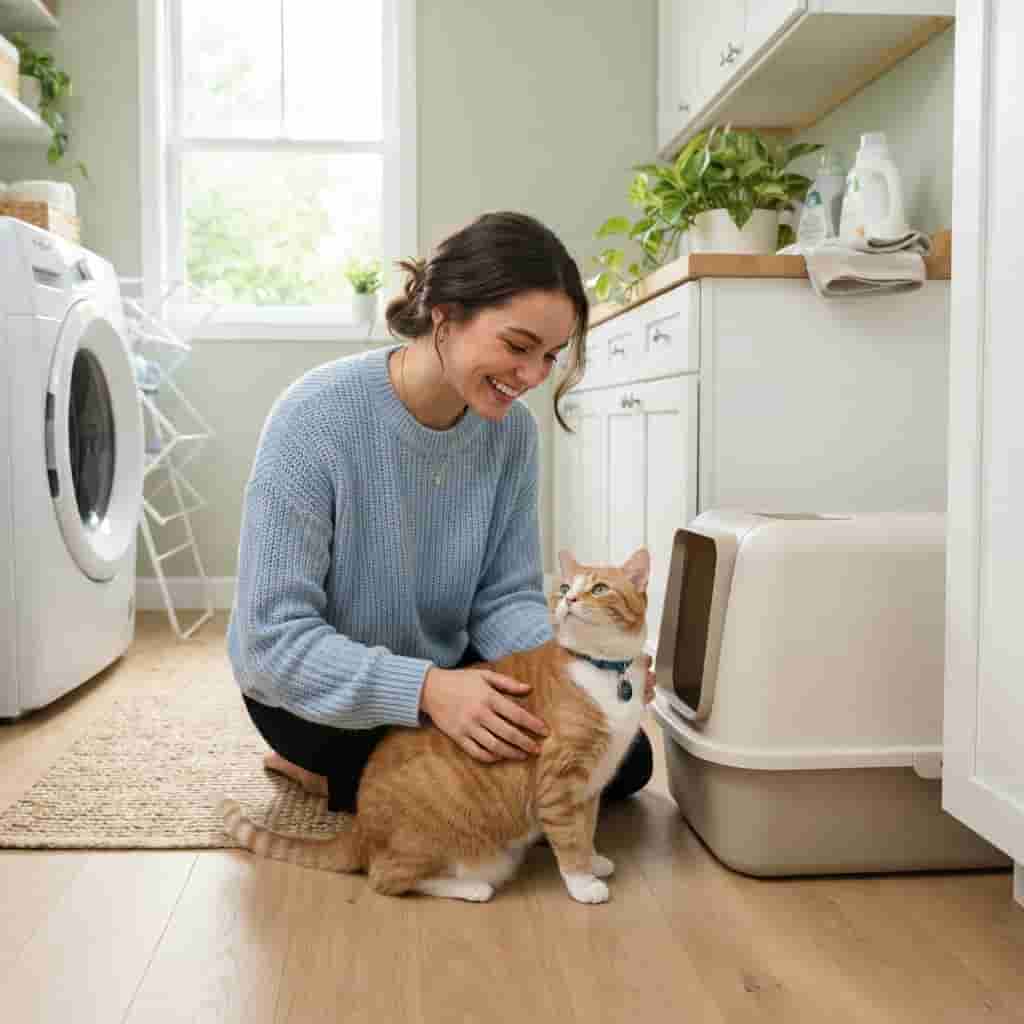
Many owners appreciate pine litter because it serves as a biodegradable cat litter and sustainable cat litter option derived from renewable wood sources. However, total environmental impact depends on manufacturing sourcing, packaging, and local waste disposal guidelines.
Can Pine Cat Litter Be Composted?
Disposal and composting depend entirely on the specific product formulation and local municipal regulations. Never compost cat waste containing parasites if used for food gardens. Always check local waste rules and manufacturer guidance.
Who Should Consider Cat Pine Litter?
Pine litter is ideal for owners looking for a natural cat litter option, a pellet-based system, low-dust performance, and a pleasant natural wood scent as an alternative to clay.
Who May Prefer Another Type of Litter?
Households with cats that strongly reject pellet textures, or owners who prefer traditional scoopable clumping clay without a sawdust management step, may prefer alternative litters.
How to Choose the Best Cat Pine Litter
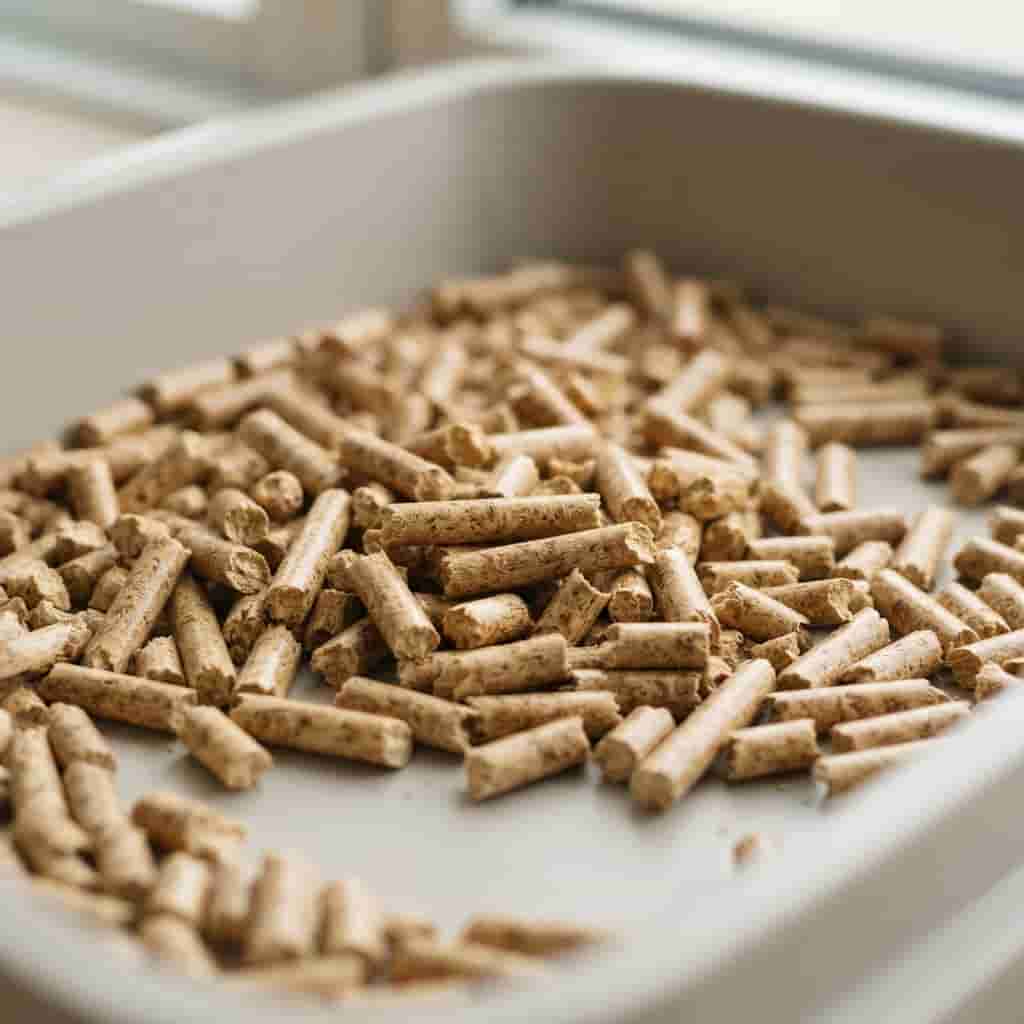
- Pellet Size and Texture: Select a size your cat’s paws will readily accept.
- Dust Level: Choose brands emphasizing low-dust processing.
- Odor Control: Match the product’s absorption capacity to your household size.
- Cleaning Method: Ensure the required maintenance fits your daily schedule.
- Cost and Availability: Look for affordable cat pine litter options that balance quality and ease of maintenance.
Final Thoughts on Cat Pine Litter
Cat Pine Litter can be a highly practical, low-dust, and sustainable option for cats and owners who are comfortable with its unique texture and maintenance style. Success depends heavily on feline acceptance, proper product ingredients, regular cleaning requirements, and natural odor control. No single litter type is universally perfect for every cat, so always let your pet’s comfort guide your choice.
Does your cat prefer natural pine pellets, traditional clay, or another litter variety? Share your experiences below!
Frequently Asked Questions
Pine litter can suit many cats wonderfully, offering natural absorbency and low dust, but individual feline preferences and product specifics matter.
Cleaning frequency depends on your cat count and product absorption speed, but solid waste should be scooped daily and sawdust managed regularly following manufacturer guidelines.
Drawbacks include the firmer pellet texture, required adjustments in cleaning routines for broken-down sawdust, variable feline acceptance, and differing odor control performance.
Most pine pellet products do not form rigid hard clumps like bentonite clay; instead, they absorb moisture and disintegrate into a soft sawdust consistency.
Yes, many cats transition successfully, though a gradual mixing process helps prevent litter box aversion.