Cat Paper Litter: Is It Safe, Effective and Worth Using?
Introduction
Cat Paper Litter. Cat owners frequently search for alternatives that produce less dust, feel softer under delicate paws, or simply offer a gentler option compared to traditional clay litter. The short answer is that Cat Paper Litter can be a very useful, safe, and practical option for many cats, but its effectiveness depends heavily on the specific product, your cleaning routine, odor control needs, and your cat’s personal texture preferences.
Paper litter is manufactured in various forms, including dense pellets and softer, recycled-paper granules. This guide explores what paper litter is, how it works, its safety and effectiveness, key pros and cons, proper cleaning frequencies, and how it compares to pine and clay alternatives.
What Is Cat Paper Litter?
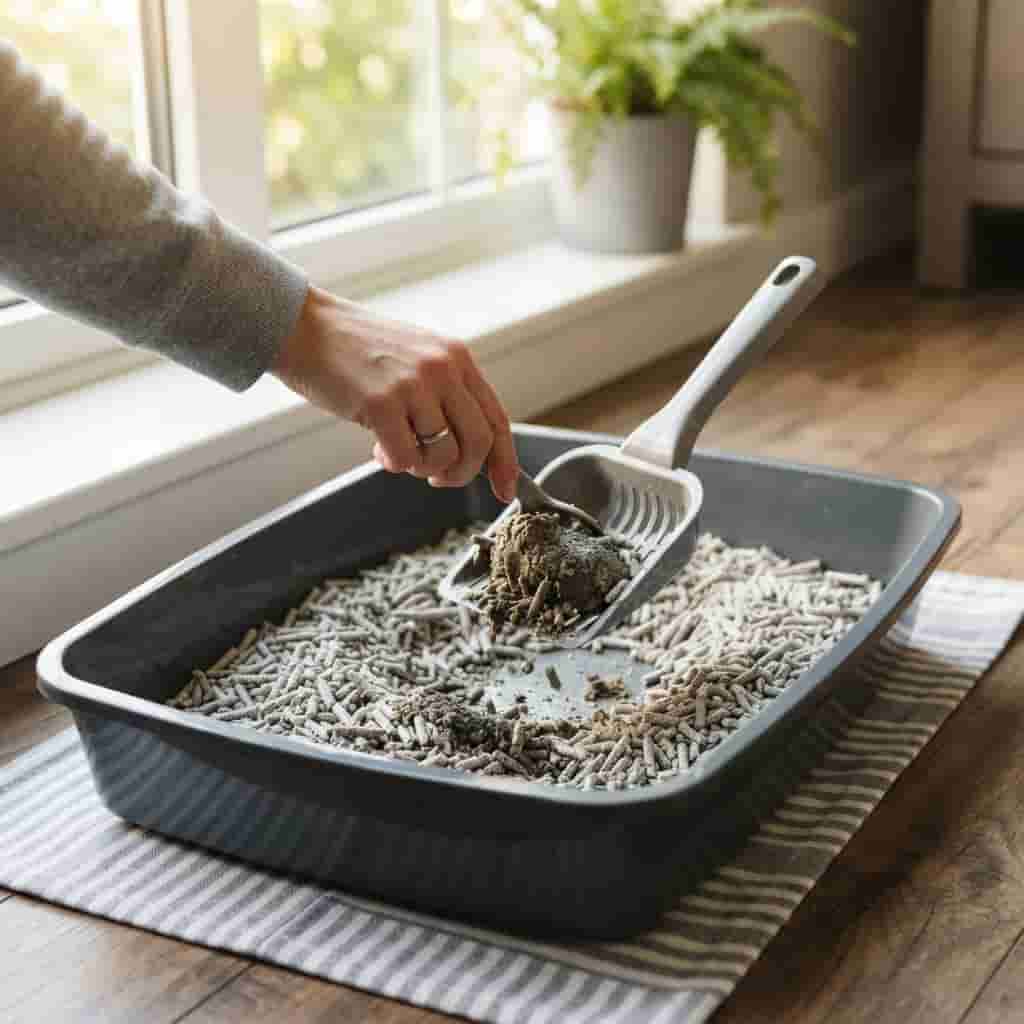
Paper Pellets vs. Softer Paper Litter
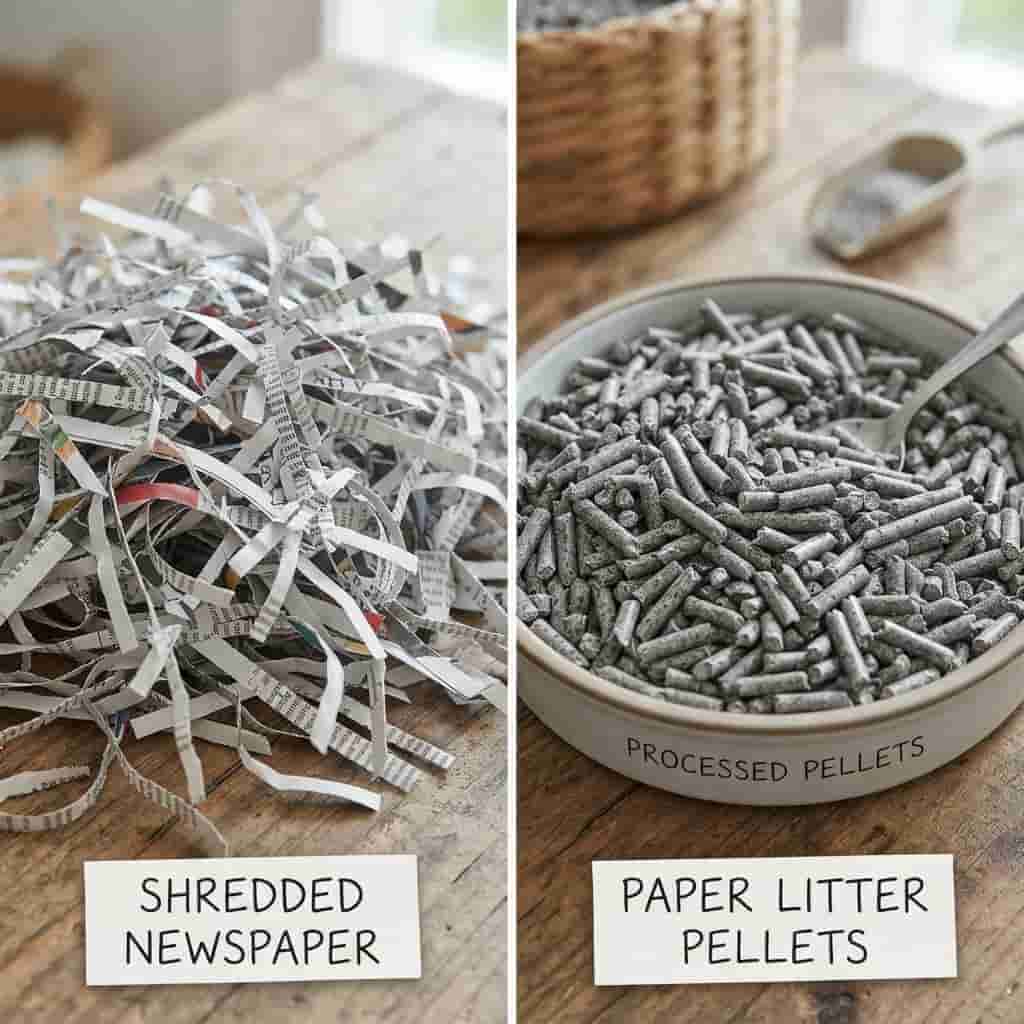
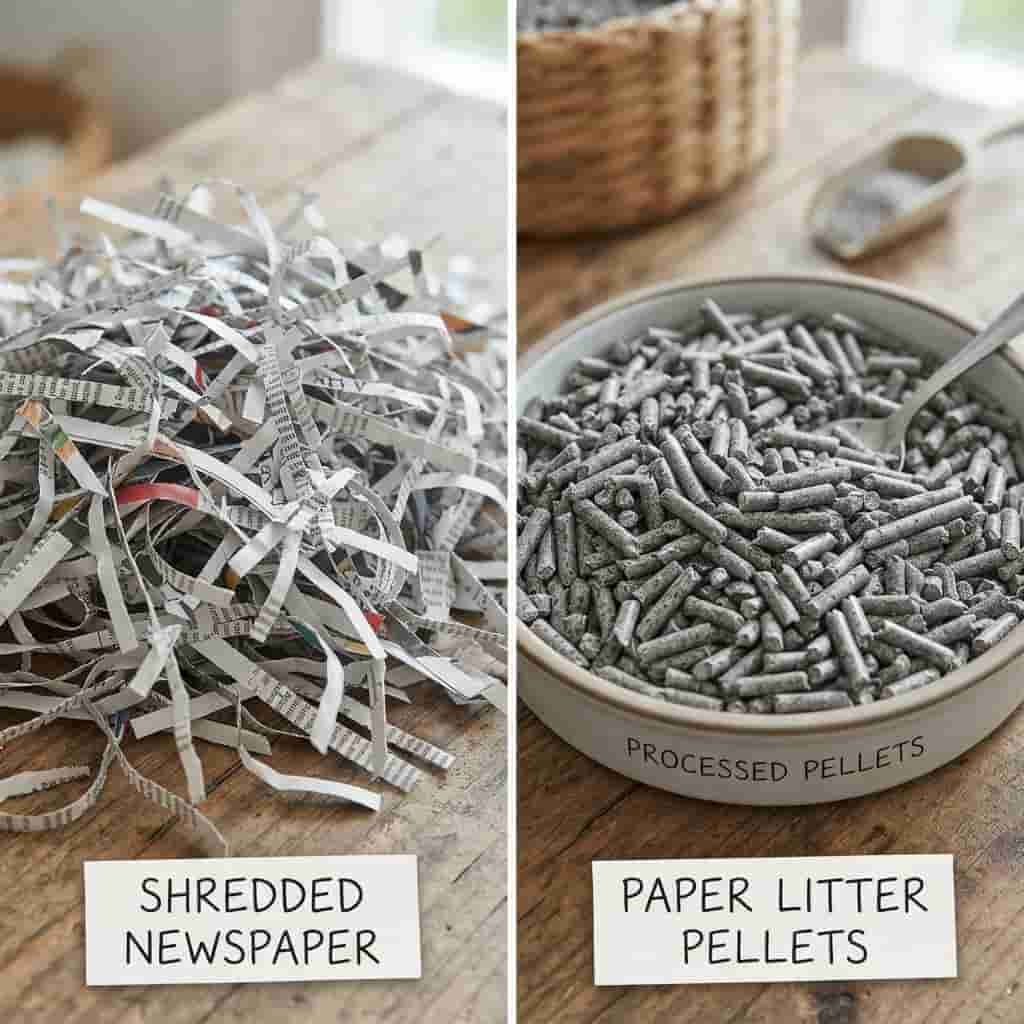
Paper-based cat litter is manufactured primarily from processed or recycled paper materials.
- Paper pellet cat litter: Features firm, cylindrical pellets that hold their shape tightly when exposed to moisture.
- Softer paper litter: Features a looser, fluffier, or more granular consistency that closely mimics softer substrates.
Texture strongly influences cat comfort, tracking across floors, absorbency levels, scooping ease, and overall litter box acceptance.
How Paper Litter Differs From Traditional Clay Litter
Unlike heavy clay products that rely on chemical sodium bentonite to form hard clumps, paper litter absorbs moisture directly into the recycled fibers, typically requiring a different approach to daily maintenance.
How Does Paper Kitty Litter Work?
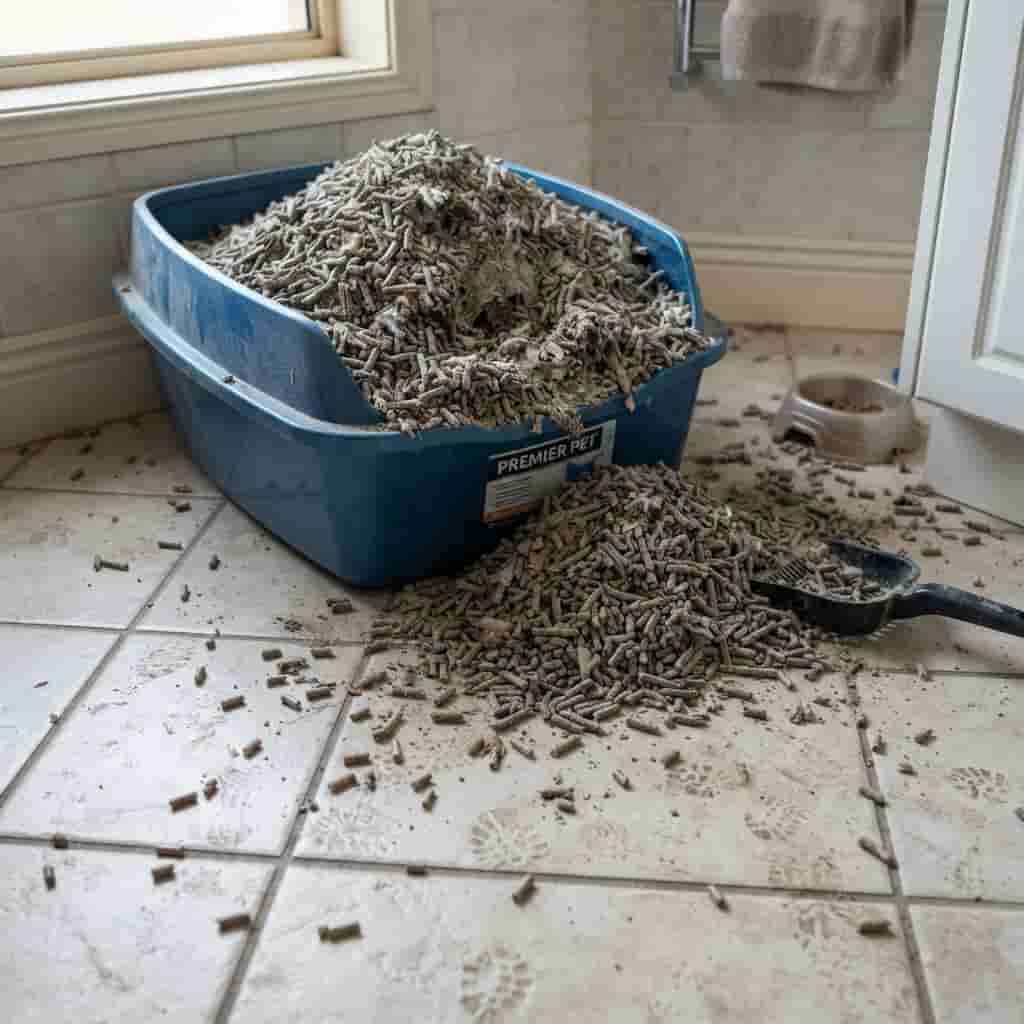
Paper litter absorbs moisture rather than working as a traditional clumping litter. As cats urinate, the paper fibers absorb the liquid. Depending on the exact product formulation, used paper material may soften, swell, or break down, making consistent removal of solid waste and saturated material essential.
How Paper Litter Absorbs Moisture
The recycled paper material acts like a dense sponge, soaking up liquid quickly. However, exact absorption rates vary significantly between different commercial brands.
Does Paper Litter Control Odor?
Odor control paper cat litter performance depends entirely on the specific product, how frequently you scoop, the number of cats using the box, and how well the material handles moisture. Not all paper litters provide identical odor containment.
Does Paper Litter Clump?
Most standard paper litters do not form traditional scoopable clumps like bentonite clay, though some specialty brands incorporate safe binders. Checking product instructions ensures your cleaning style matches the specific formula.
Is Cat Paper Litter Good for Cats?
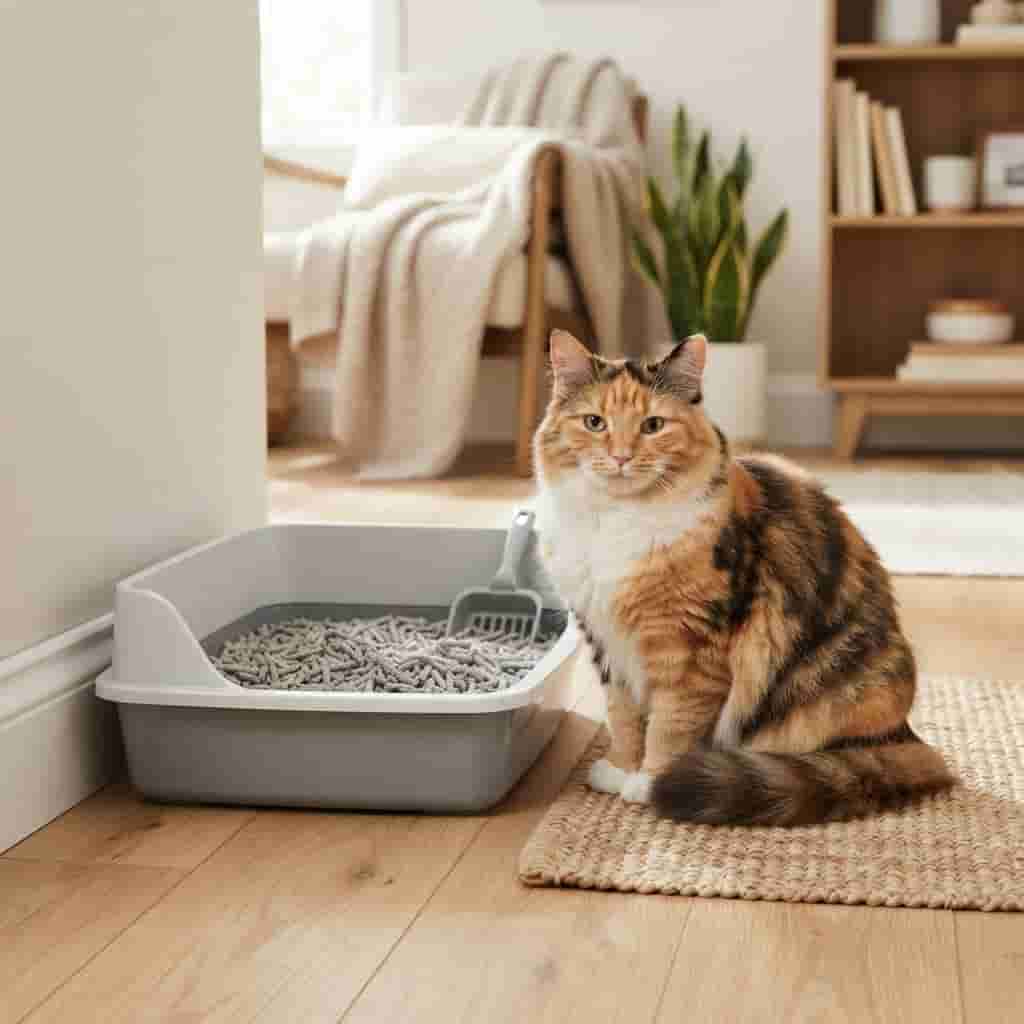
Paper litter works wonderfully for many cats, particularly when the animal accepts the texture and the product fits the household. No single litter material works best for every cat.
Potential Benefits of Paper Litter
- Softer texture options available for sensitive paws
- Generally produces very low dust, protecting respiratory health
- Manufactured from natural or recycled materials
- Serves as an excellent alternative for cats recovering from surgeries or de-clawing procedures
- Dust-free paper cat litter options can greatly benefit sensitive homes
When Paper Litter May Not Be the Best Choice
- Your cat strongly dislikes the pellet or paper texture and avoids the box.
- Odor control falls short of household expectations.
- The litter becomes saturated too rapidly in multi-cat settings.
- You prefer a traditional hard-clumping cleaning system.
Is Cat Paper Litter Safe?
Safety depends heavily on the specific product, its manufacturing ingredients, and proper box maintenance. Always check product packaging and follow manufacturer guidelines. Persistent changes in bathroom habits or unusual health symptoms should always be evaluated by a veterinarian rather than automatically blamed on the litter.
Is Paper Litter a Good Option for Sensitive Cats?
Hypoallergenic cat paper litter options appeal to owners dealing with sensitive pets, though “hypoallergenic” is a marketing description rather than a universal guarantee. Lower-dust formulations generally minimize irritation.
Why Unscented Paper Litter May Be Worth Considering
Unscented cat paper litter avoids chemical fragrances that can overwhelm a cat’s sensitive sense of smell. For a deeper look at scent considerations, read Cat Scented Litter: Is It Safe and Better Than Unscented?
.
What Are the Pros and Cons of Paper Cat Litter?
Pros of Paper Cat Litter
- Manufactured from sustainable paper materials
- Typically produces minimal airborne dust
- Offers a softer texture than hard clay or wood pellets
- Often biodegradable cat paper litter and eco-friendly cat paper litter options
- Highly appealing to owners seeking a natural cat paper litter or sustainable cat litter solution
Cons of Paper Cat Litter
- Odor control performance can vary widely between brands
- Saturated material may require more frequent total replacement
- Wet paper requires different cleaning techniques than hard clay clumps
- Some cats resist the unfamiliar texture initially
How Often Should Paper Cat Litter Be Changed?
Replacement frequency depends on your cat count, box size, product absorbency, and cleaning habits.
Daily Cleaning
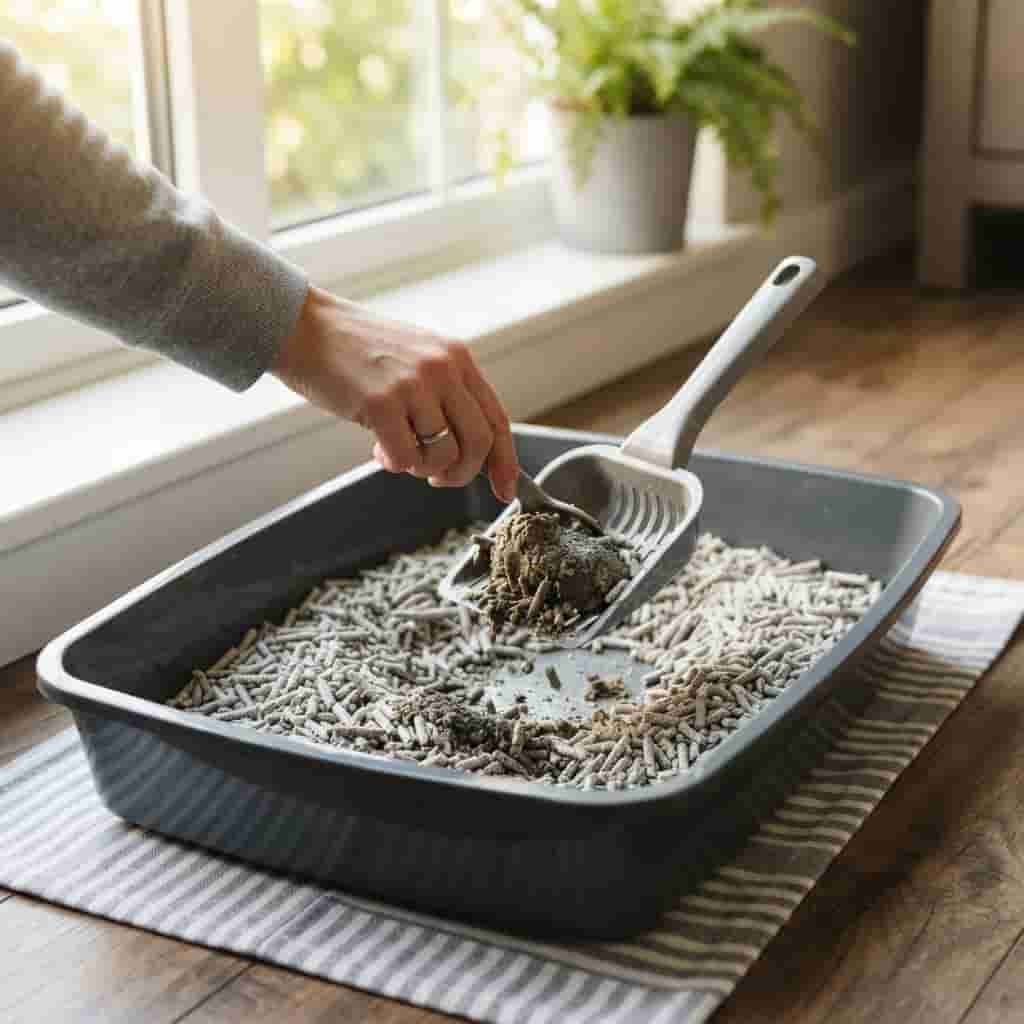
Scoop solid waste daily, inspect for wet or saturated spots, and remove used litter according to product instructions.
When to Replace All the Litter
Perform a complete litter box empty, wash, and refill whenever the material becomes heavily saturated, loses absorbency, or fails to control odors effectively.
How to Use Cat Paper Litter Properly
- Choose a Suitable Litter Box: Provide a cat paper litter box or standard box with comfortable entry dimensions.
- Add the Recommended Amount of Litter: Pour in the depth suggested by the manufacturer.
- Remove Waste Regularly: Consistent daily scooping maintains hygiene.
- Check for Saturated Material: Monitor how well the paper handles liquid moisture.
- Replace and Clean as Needed: Wash the basin regularly to prevent bacterial buildup.
Can I Use Regular Paper as Cat Litter?
Ordinary household paper, such as shredded office paper or newspapers, is not manufactured or treated specifically for cat litter use. It lacks proper absorbency, fails to control odor, and may expose cats to harmful printing inks, dyes, or chemical adhesives. Always use purpose-made commercial cat litters.
How to Switch Your Cat to Paper Litter
Cats can be sensitive to sudden texture or scent changes. Introduce new litters gradually.
A Simple Transition Method
- Start with a box filled primarily with your cat’s familiar litter.
- Add a small amount of paper litter.
- Gradually increase the proportion of paper over a week or more.
- Slow down the transition if your cat shows hesitation or litter box avoidance.
Hypothetical Example
For example, a cat that has always used fine clay litter may initially find paper pellets unfamiliar. A gradual transition can give the cat time to adjust to the new texture. (Note: This is a hypothetical example for illustration purposes.)
Paper Litter vs. Other Types of Cat Litter
Paper Litter vs. Clay Litter
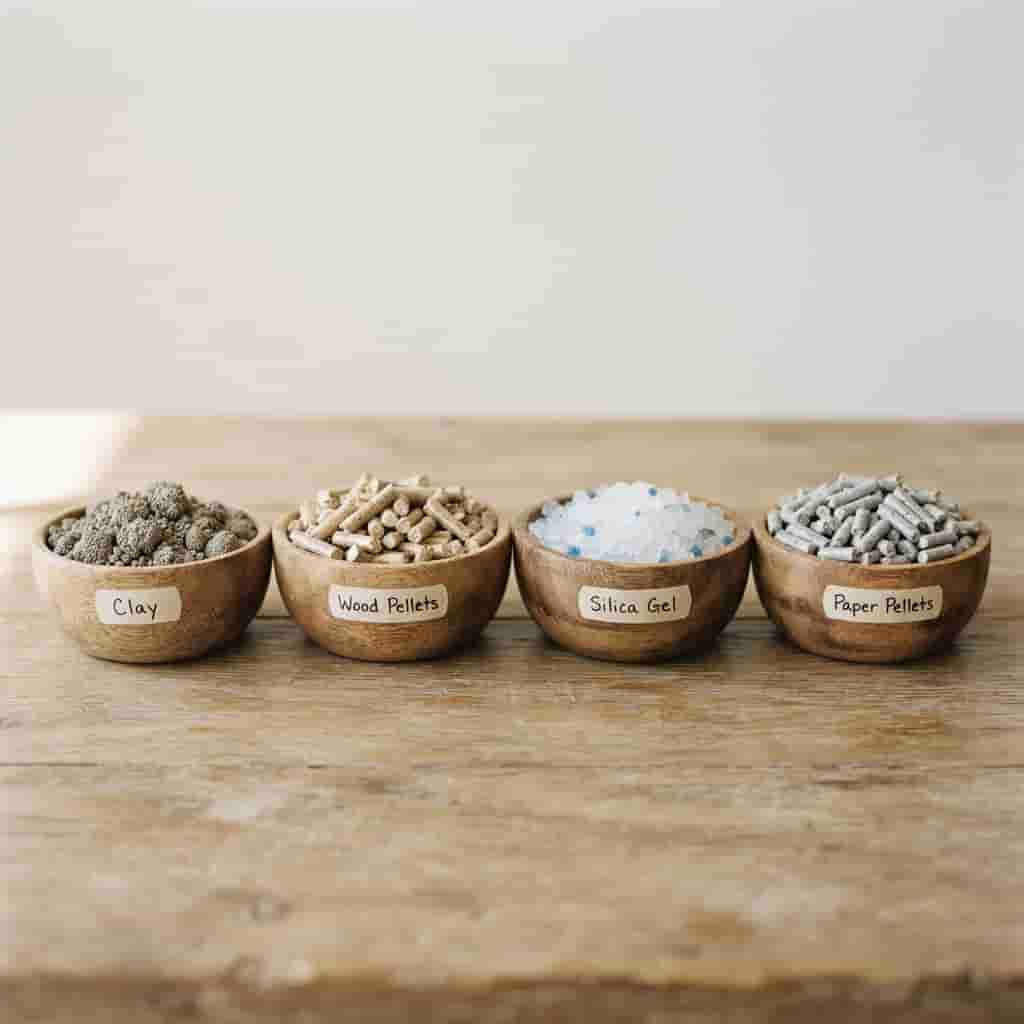
Clay forms hard clumps and can generate more dust, whereas paper offers a soft, low-dust, recycled alternative. For a detailed review of traditional clay products, check Cat Clay Litter: Is It Safe and Healthy for Cats?
Paper Litter vs. Pine Litter
Both are eco-friendly alternatives to clay, but pine pellets typically break down into sawdust when wet, whereas paper pellets generally maintain their shape longer. Learn more in Cat Pine Litter: Pros, Cons, Safety and How It Works
Paper Litter vs. Scented Litter
Artificial fragrances added to litters mask odors chemically rather than absorbing moisture naturally. Review further details in Cat Scented Litter: Is It Safe and Better Than Unscented?
Common Mistakes When Using Paper Cat Litter
- Waiting Too Long to Replace Saturated Litter: Allowing heavily used material to linger, leading to poor odor control.
- Assuming All Paper Litters Work the Same Way: Pellets and loose granules require different maintenance routines.
- Switching Litter Too Quickly: Forcing a sudden transition that triggers box rejection.
- Choosing Based Only on Environmental Claims: Ignoring your cat’s individual comfort in favor of sustainability.
Who Should Consider Cat Paper Litter?
Paper litter is ideal for owners looking for a natural cat litter alternative, low-dust performance, soft textures, unscented formulas, or biodegradable and sustainable options.
Who May Prefer Another Type?
Households requiring aggressive odor management, cats that flatly reject paper textures, or owners devoted to traditional clumping clay may prefer alternative products.
How to Choose the Best Cat Paper Litter
- Consider Dust Levels: Look for low-dust or dedusted formulations.
- Consider Odor Control: Match absorption capabilities to your household size.
- Choose Between Pellets and Other Textures: Select what your cat’s paws tolerate best.
- Check Ingredients and Product Instructions: Read packaging guidelines thoroughly.
- Consider Cost and Replacement Frequency: Evaluate long-term maintenance costs alongside initial purchase price.
Final Thoughts on Cat Paper Litter
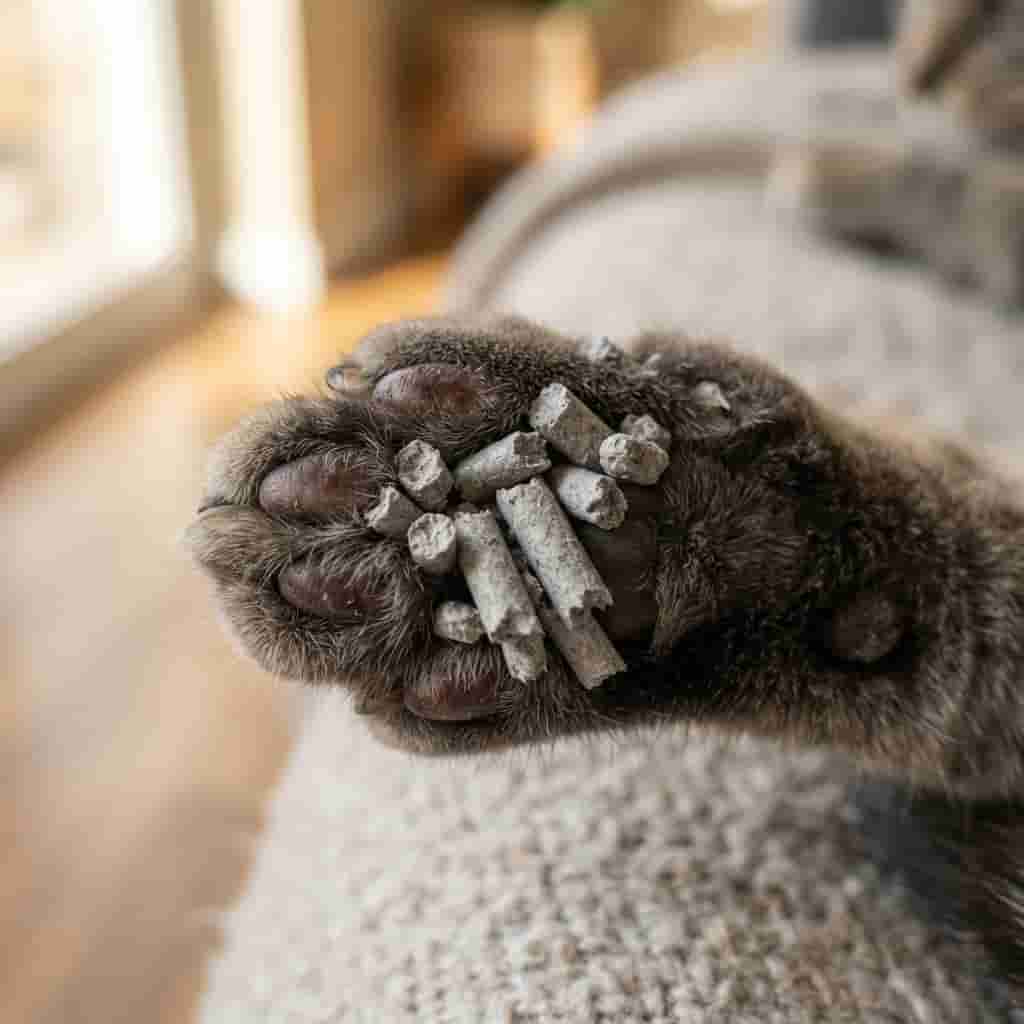
Cat Paper Litter can be a safe, highly practical, and low-dust option for many cats when the product matches household needs and feline preferences. Success relies on proper absorbency, low dust levels, comfortable textures, and consistent hygiene routines. No single litter is universally perfect, so always let your cat’s comfort lead your choice.
What type of litter does your cat prefer, and have you ever experimented with paper-based alternatives? Share your thoughts below!
Frequently Asked Questions
Paper litter can work wonderfully for many cats, offering a soft, low-dust alternative, but individual feline preferences and product quality matter.
Replacement frequency depends on your cat count and product absorbency, but solid waste should be scooped daily and full box refreshes performed as soon as saturation occurs.
Ordinary household paper lacks proper absorbency, fails to control odor, and may contain harmful inks or adhesives, making purpose-made commercial litter essential.
Odor control varies significantly between different paper litter brands and depends heavily on regular scooping and moisture management.
Some products are marketed as flushable cat paper litter, but owners must always verify product instructions and local plumbing and waste regulations before flushing.