Cat Scented Litter: Is It Safe and Better Than Unscented?
Introduction
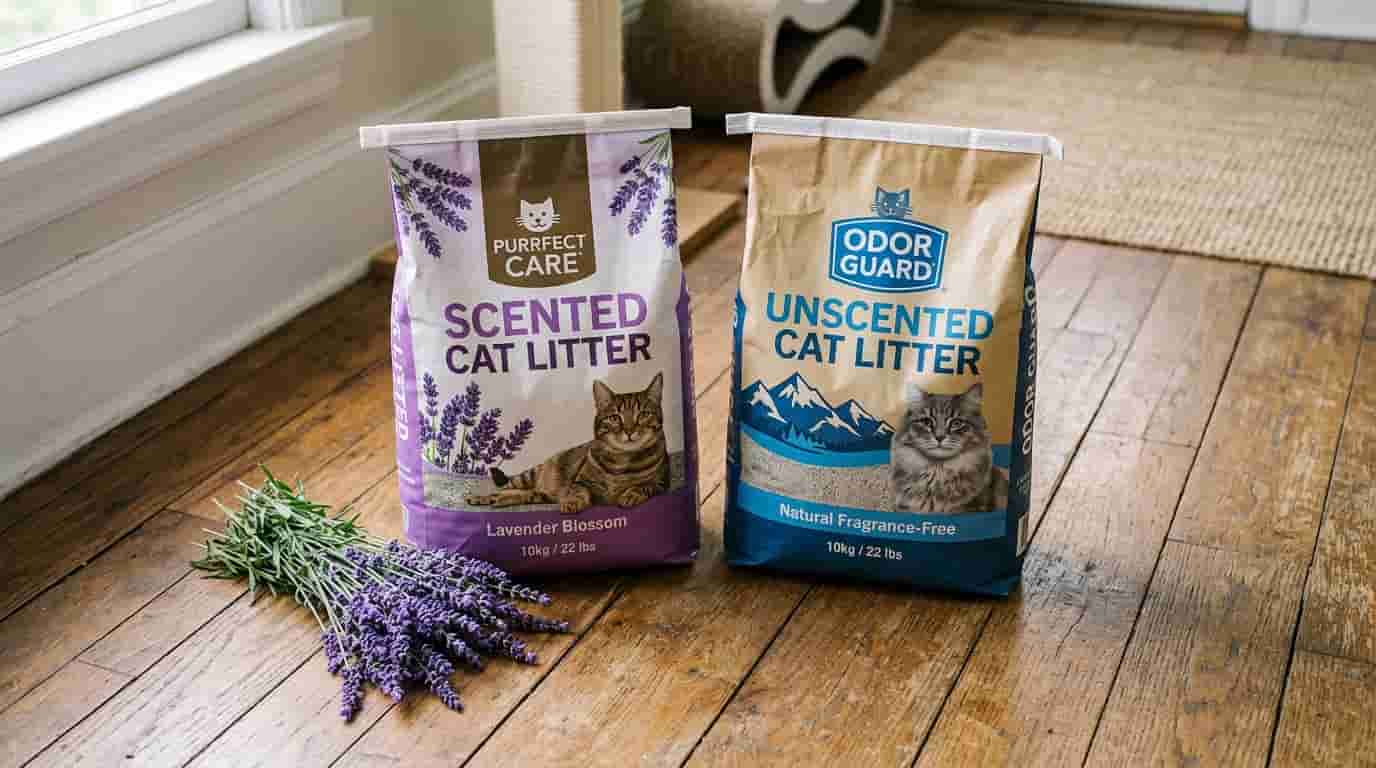
Cat Scented Litter box odors can sometimes make even a meticulously cleaned home feel uncomfortably fresh-smelling. The short answer is that Cat Scented Litter may help mask or manage unwanted smells, but added fragrance is not automatically necessary or suitable for every cat or household.
While some cats accept scented products without any obvious issues, others may dislike the added aroma or experience physical irritation from particular chemicals. This guide explores how scented litter works, its potential benefits and drawbacks, safety considerations, whether cats prefer scented or unscented options, and how to choose the right product for effective odor control.
What Is Cat Scented Litter?
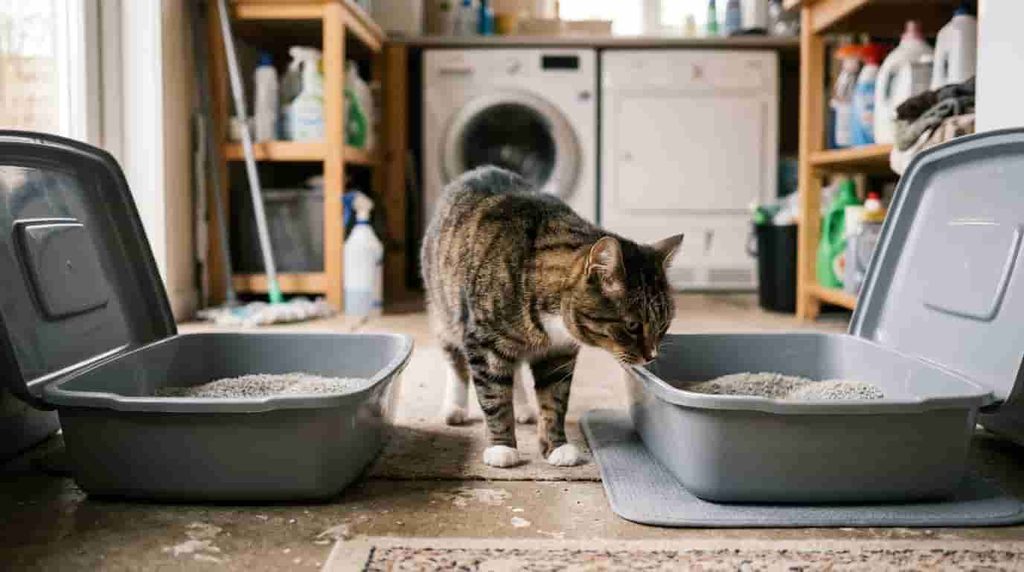
Scented cat litter is manufactured by adding chemical or botanical fragrances to various absorbent litter materials, including clay, paper, wood pellets, and silica crystals.
Common industry terms associated with these products include cat litter with fragrance, fresh-smelling cat litter, scented cat litter pellets, and scented clumping cat litter.
How Does Scented Litter Control Odor?
It is important to understand the difference between masking an odor with fragrance, absorbing moisture, and truly neutralizing waste odors. A strong perfume does not automatically mean superior odor control. While some high-performing products function as an odor eliminating cat litter, others simply layer a pleasant scent on top of underlying ammonia smells.
Different Types of Scented Cat Litter
- Scented clumping litter: Usually clay-based formulas designed to lock in liquid while releasing a steady scent.
- Scented non-clumping litter: Absorbs urine without forming solid blocks while carrying a fragrance.
- Scented pellets: Wood or paper alternatives infused with pleasant aromas.
- Scented crystal litter: Silica gel crystals treated with deodorizing scents.
Is Cat Scented Litter Is Safe?
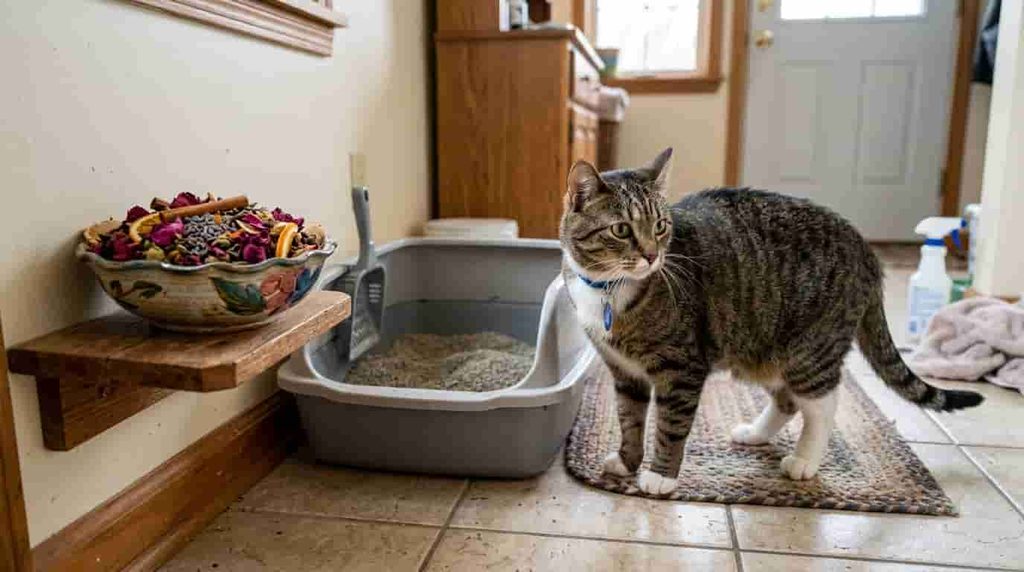
Safety depends heavily on the specific product, its ingredients, and your individual cat. Not every scented litter will suit every feline. Always review manufacturer packaging and ingredient disclosures where available.
Can Fragrances Bother Some Cats?
Cats possess a highly acute sense of smell and can experience individual sensitivities to artificial additives. Signs that a particular litter is causing discomfort include:
- Avoiding the litter box entirely
- Sudden changes in bathroom habits
- Sneezing or apparent physical irritation around the box area
Note: These behaviors should not automatically be diagnosed as a medical allergy, and persistent symptoms warrant veterinary advice.
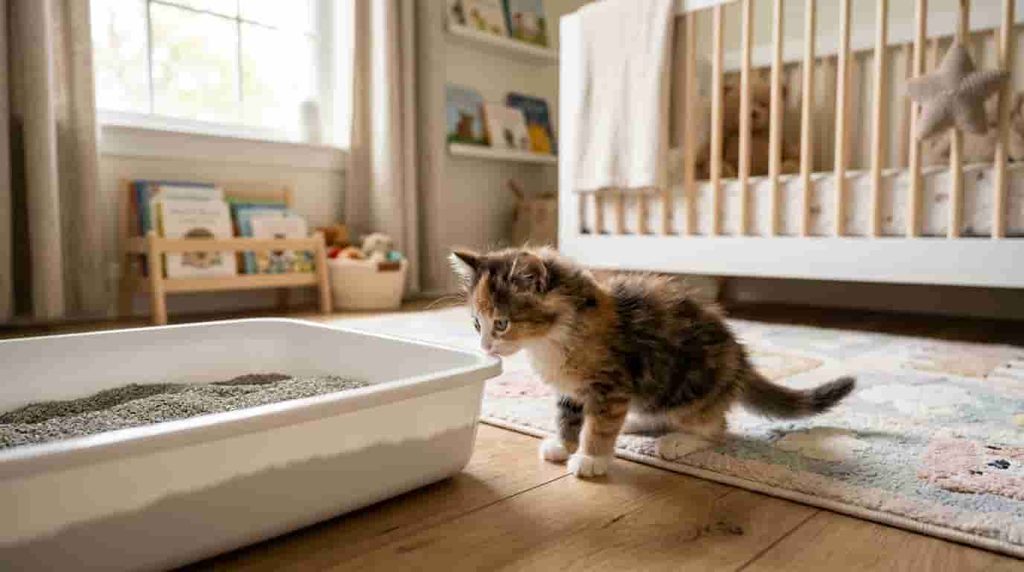
Is Scented Litter Safe for Kittens?
When looking into scented cat litter for kittens, remember that young cats explore their environments very differently from adult cats and may be more vulnerable to respiratory irritation or accidental ingestion. Owners should choose age-appropriate products and follow brand guidelines carefully.
Scented Cat Litter Pros and Cons

Potential Benefits of Scented Litter
- Makes the immediate litter box area smell fresher to human noses.
- Helps certain households manage everyday unpleasant odors.
- Available in diverse materials and formats, offering options for owners seeking a kitty litter with pleasant scent.
Potential Drawbacks of Scented Litter
- Some cats strongly dislike added artificial fragrances.
- Overpowering scents can deter cats from using the box.
- Fragrances can sometimes mask underlying hygiene neglect, hiding the fact that the box needs a complete clean.
Finding the best cat litter for odor control requires managing moisture and waste effectively, rather than relying solely on a powerful perfume.
Do Cats Prefer Scented Litter?
Cat preferences vary significantly from animal to animal. Factors such as litter texture, box cleanliness, room location, and scent all influence whether a cat accepts a product.
Why a Strong Smell May Put Some Cats Off
A fragrance that humans perceive as clean and pleasant can easily overwhelm a cat’s sensitive olfactory system, causing them to seek out alternative places in the house to eliminate.
How to Tell Whether Your Cat Likes the Litter
- The cat enters and uses the box normally without hesitation.
- The cat does not begin eliminating outside the box.
- Bathroom habits remain entirely consistent over time.
Which Is Better: Scented or Unscented Cat Litter?
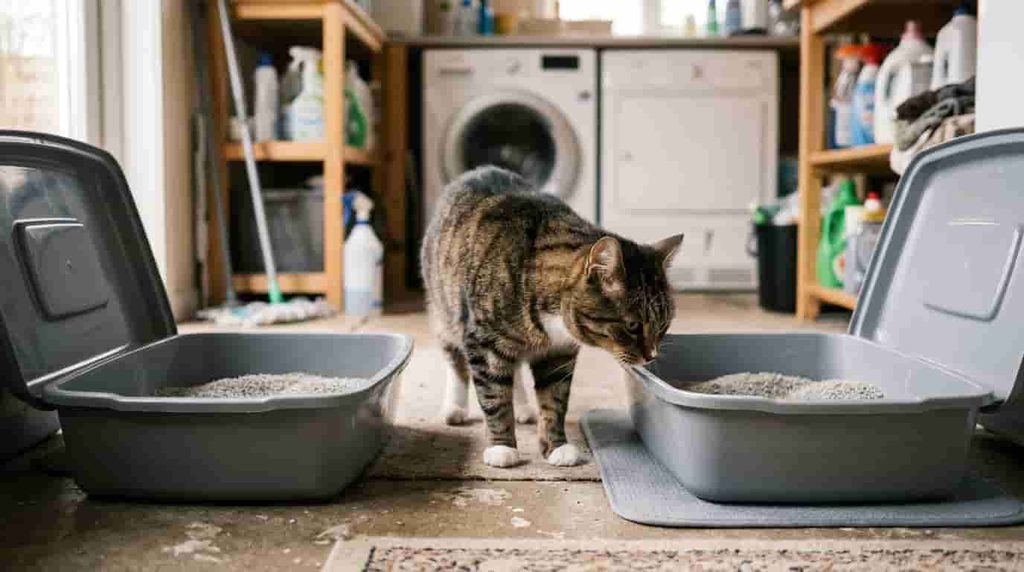
There is no universal winner. The ideal choice depends on your cat’s unique preferences, fragrance sensitivity, household odor needs, and cleaning habits.
When Scented Litter May Work Well
Scented options suit a household if your cat accepts the product comfortably, the fragrance is light and non-overpowering, and the litter excels at absorbing moisture alongside controlling odors.
When Unscented Litter May Be the Better Choice
Unscented options are preferable if your cat shows aversion to scented products, if your household prefers avoiding chemical additives, or if you want to monitor natural health indicators (such as urine odor changes) more easily.
Which Cat Litter Is Best for Smell?
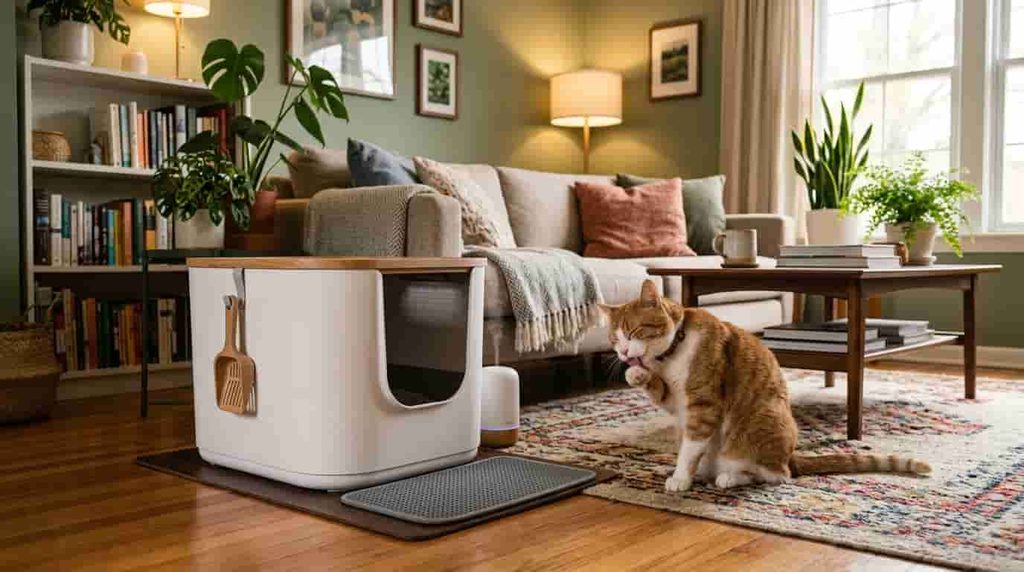
Achieving truly fresh-smelling cat litter relies on several mechanical factors beyond added perfume:
Absorbency
Superior moisture control prevents liquid from pooling and generating strong ammonia gases.
Clumping or Waste Management
An effective scented litter for cats or a traditional clumping formula must allow easy removal of urine-soaked clusters.
Cleaning Frequency
Even the most advanced effective cat litter deodorizer cannot replace physical scooping and scheduled full box washes.
Number of Cats and Box Setup
Multi-cat homes require multiple boxes and more frequent maintenance to ensure lasting odor management. To explore traditional substrates, read Cat Clay Litter: Is It Safe and Healthy for Cats?
.
How to Choose Cat Scented Litter
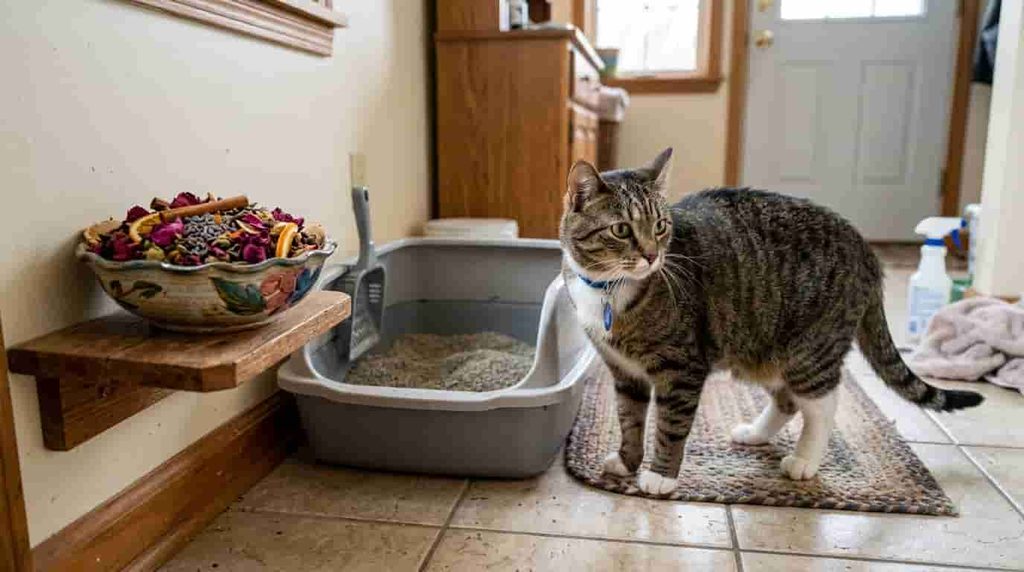
- Check the Litter Material: Scented options span clay, crystals, and natural alternatives. For paper-based choices, review Cat Paper Litter: Is It Safe, Effective and Worth Using?. For wood-based options, see Cat Pine Litter: Pros, Cons, Safety and How It Works.
- Consider Fragrance Strength: Avoid assuming that a stronger smell guarantees better performance.
- Look Beyond the Scent: Evaluate dust levels, tracking, clumping performance, and overall safety.
How to Switch From Unscented to Scented Litter
Sudden changes often trigger litter box rejection. Introduce changes gradually:
- Fill the box mostly with the familiar unscented litter.
- Sprinkle a small amount of the new scented litter on top.
- Gradually increase the scented proportion over 7 to 10 days if the cat uses the box comfortably.
- Stop or reverse the transition if avoidance behavior occurs.
For example, a cat that has always used unscented clay litter may accept a lightly scented product after a gradual transition, while another cat may avoid the new smell immediately.
Common Mistakes When Using Scented Cat Litter
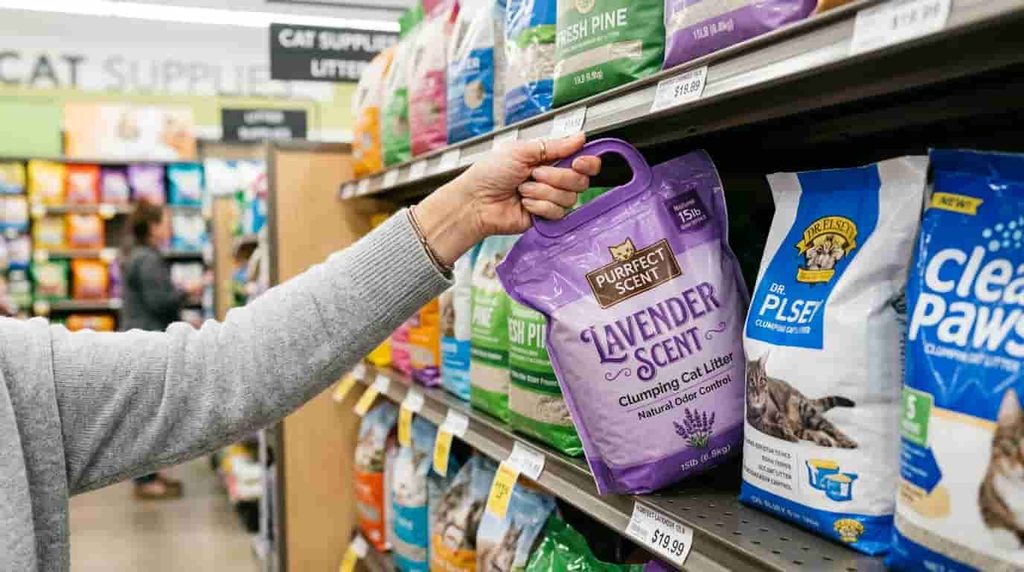
- Using Fragrance to Cover a Dirty Litter Box: Relying on scent instead of regular scooping.
- Switching Products Too Quickly: Failing to give cats an adjustment period.
- Assuming Stronger Fragrance Equals Better Odor Control: Confusing masking agents with true odor elimination.
Natural Fragrances vs. Added Artificial Scents
Products marketed as a natural cat litter with fragrance utilize botanical extracts rather than synthetic perfumes. However, even natural essential oils can occasionally irritate sensitive cats, meaning pet owners must still observe individual feline reactions closely.
Final Thoughts on Cat Scented Litter

Cat Scented Litter can be safe and practical for some households, but it is not automatically superior to unscented alternatives. Success ultimately depends on feline acceptance, careful ingredient awareness, balanced fragrance strength, and strict hygiene routines. Consistent cleaning matters far more than choosing the strongest perfume.
Does your cat prefer scented formulas, or do they refuse anything other than unscented litter? Share your experiences below!
Frequently Asked Questions
Many cats tolerate scented litter without issue, but individual sensitivities and product specifics matter. Always monitor your cat for signs of discomfort or box avoidance.
Cats do not share a single preference. Some accept scented products easily, while others strongly prefer unscented alternatives.
The best litter controls moisture efficiently and allows easy waste removal. Fragrance alone does not guarantee effective odor management.
Clumping formulas make it easier to remove urine-soaked material entirely, which greatly aids odor control, though overall performance still depends on the specific brand.
Yes, but a gradual transition period helps prevent stress and litter box aversion. Watch closely for any behavioral changes after introducing the new product.