
Cat Poison: Symptoms, Common Toxins, Treatment and What to Do
Introduction
Cat Poison. Cats can be exposed to harmful substances in the home, garden, garage, or through inappropriate pet care products. If poisoning is suspected, the most important advice to remember early is to remove the cat from the source if it is safe to do so and contact a veterinarian or animal poison control service immediately.
Symptoms and successful treatment depend heavily on the specific substance, the amount involved, the route of exposure, and how quickly professional veterinary care begins. This guide covers everything you need to know about feline poisoning, including:
- Common signs of poisoning and warning symptoms
- Dangerous foods, human medications, plants, and household chemicals
- What to do immediately and what mistakes to avoid
- Professional veterinary treatment and prognosis
- Practical poison prevention strategies for your home
What Is Cat Poisoning?

Poisoning is defined as illness or injury caused by exposure to a toxic or harmful substance. This exposure can happen through several pathways:
- Eating or drinking a toxic substance directly
- Licking contaminated fur, paws, or skin during grooming
- Absorbing certain chemical substances through the skin
- Inhaling harmful fumes or vapors
The same substance may affect cats differently depending on the total amount ingested and the individual animal’s weight, age, and health status. Suspected poisoning should always be treated as a serious medical concern, even when symptoms are not immediately obvious.
Cat Poison Symptoms: What Are the Warning Signs?

Signs of poisoning in cats can vary widely and may appear instantly or develop hours later, depending on the toxin and the type of exposure.
Common ingestion symptoms in cats and related warning signs include:
- Vomiting or repeated retching
- Diarrhea or digestive distress
- Excessive drooling or hypersalivation
- Loss of appetite or sudden anorexia
- Generalized weakness or lethargy
- Difficulty breathing or rapid respiration
- Unusual behavioral shifts
- Tremors or muscle twitching
- Poor coordination and balance issues
- Sudden collapse
- Seizures
- Changes in heart rate
- Pale, bluish, or abnormal-looking gums
- Excessive thirst or increased urination
Can Poisoning Cause Seizures in Cats?
Some toxins affect the central nervous system and can trigger severe tremors, loss of motor control, or full-body seizures. Seizures are a critical medical emergency requiring immediate veterinary attention. For detailed information on handling neurological crises, see Cat Seizure: Signs, Causes, Treatment and What to Do
Can Poisoning Cause Lumps or Swelling?
Some toxic exposures can cause local skin irritation, chemical burns, or localized allergic swelling. However, a lump is not automatically a sign of poisoning. Persistent or unexplained masses require proper veterinary assessment. For guidance on skin growths, visit Cat Lump: Causes, Types, Treatment and When to Worry
What Are the Most Poisonous Things for Cats?
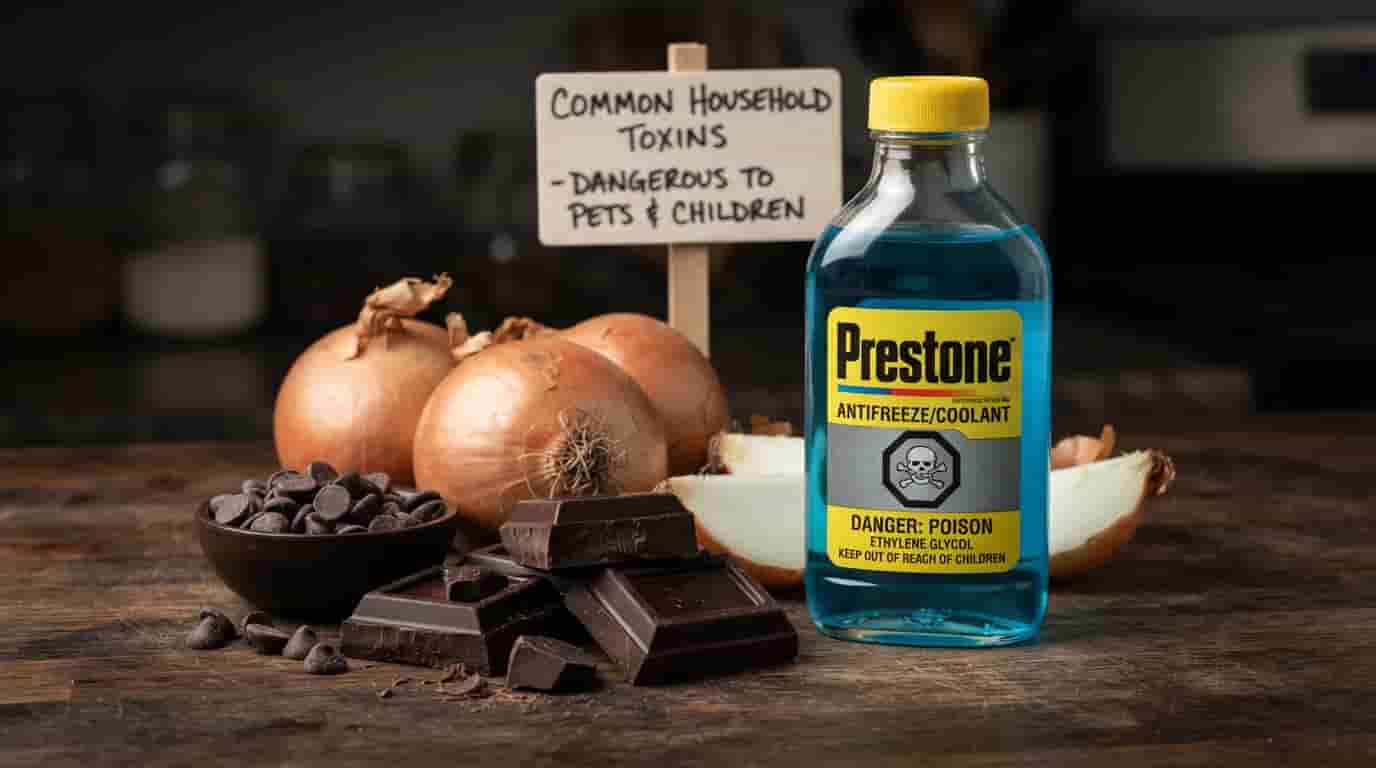
Many different toxic substances can cause serious feline illness. Danger levels depend heavily on the specific agent and the amount of exposure.
Human Medications
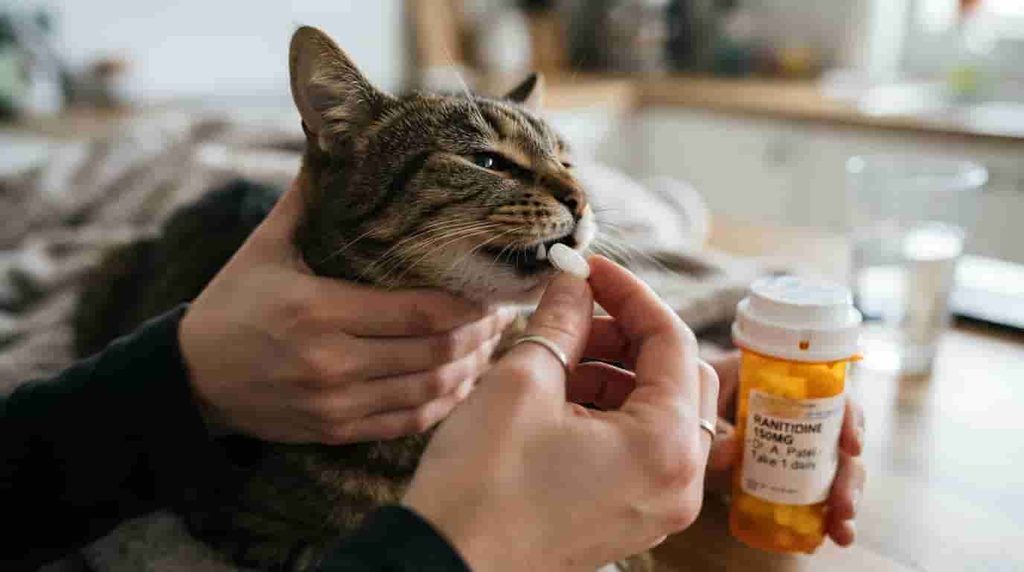
Medications intended for humans are among the most dangerous hazards for cats. Even very small amounts of common over-the-counter or prescription drugs can cause severe toxicity, including:
- Pain relievers (such as acetaminophen or ibuprofen)
- Cold and flu medications
- Antidepressants
- Heart and blood pressure medications
Owners should never administer human medication unless specifically directed by a licensed veterinarian.
Toxic Foods
Certain human foods can be extremely harmful to cats. Avoid giving your cat items such as:
- Chocolate and cocoa products
- Alcohol and alcoholic beverages
- Caffeine-containing coffee, tea, or energy drinks
- Grapes and raisins
- Foods containing artificial sweeteners like xylitol
- Raw bread dough containing active yeast
Poisonous Plants for Cats

Houseplants and floral arrangements can cause serious illness when chewed or brushed against. Lilies (including Easter, tiger, day, and St. Jose lilies) are notoriously dangerous; ingestion of even a tiny amount of leaf, petal, pollen, or water from the vase can cause acute kidney failure in cats. Always identify cat poisonous flowers and harmful plants before bringing them into a feline-accessible space.
Household Chemicals
Common household chemical hazards include cleaning supplies, antifreeze and automotive fluids, rodenticides, insecticides, and strong solvents. Cats frequently encounter these substances by walking through a spill and subsequently grooming their paws.
Flea and Tick Products
Inappropriate parasite-control products can cause severe neurological and systemic problems. Products intended for dogs—particularly those containing concentrated permethrins—must never be used on cats unless the product label explicitly states safety for felines. Always review product guidelines carefully, as discussed in Cat Flea Collars: Do They Really Work and Are They Safe?
What Should You Do If You Think Your Cat Has Been Poisoned?

Step 1: Remove Your Cat From Profile Source
If it is safe to do so, immediately move your cat away from the toxic substance to prevent any further exposure or ingestion.
Step 2: Do Not Try an Unverified Home Remedy
Never attempt home remedies that can delay proper care or create additional risks. Do not induce vomiting unless explicitly instructed by a veterinary professional. Avoid giving milk, oil, food, or activated charcoal without professional medical guidance.
Step 3: Identify the Substance
If possible, safely collect the product container, ingredient list, plant name or sample, medication packaging, an estimate of consumption amount, and the approximate time of exposure.
Step 4: Contact a Veterinarian Immediately
Emergency treatment depends on identifying the toxin quickly. Do not wait for severe symptoms to appear before seeking professional advice.
Step 5: Follow Professional Instructions
Execute decontamination or first-aid steps exactly as instructed by your veterinarian or an animal poison control center.
Cat Poison Treatment: What Will the Veterinarian Do?
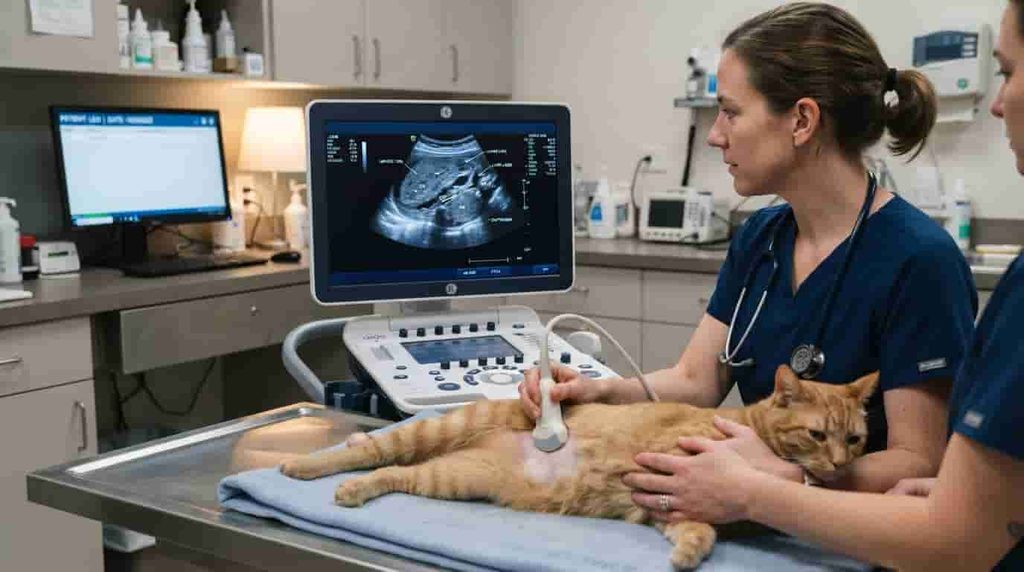
Veterinary care varies based on the specific toxin and the cat’s clinical condition. Possible interventions include:
- Decontamination procedures (such as bathing if chemicals are on the fur)
- Treatments to limit toxin absorption in the gastrointestinal tract
- Intravenous (IV) fluid therapy to support kidney function and hydration
- Medications to control vomiting, tremors, seizures, or pain
- Comprehensive blood work and vital sign monitoring
- Supportive inpatient hospitalization
Why Fast Treatment Matters
Some toxins can cause irreversible organ damage before outward symptoms become obvious. Early veterinary intervention dramatically improves survival odds.
Can a Cat Recover From Poisoning?
Recovery depends on the specific toxin involved, the amount ingested, the time elapsed before treatment started, the cat’s overall health, and which organ systems were affected.
Can You Treat Cat Poisoning at Home?
Suspected poisoning should never be managed with unverified home treatments. Home interventions are only appropriate when directed step-by-step by a veterinary professional. Inducing vomiting at home can be extremely dangerous with certain caustic substances or sharp objects.
Common Mistakes to Avoid
- Waiting to see if symptoms disappear on their own
- Administering human medications
- Inducing vomiting without veterinary instructions
- Assuming milk will magically neutralize poisons
- Throwing away product containers or ingredient labels
- Trying multiple home treatments simultaneously
- Ignoring chemical contamination on fur or paws
What Toxins Can Cause Sudden Death in Cats?

Certain toxic exposures can cause severe illness or death rapidly depending on the substance and dose. Highly dangerous categories include fast-acting rodenticides, certain prescription heart or blood pressure medications, concentrated chemical pesticides, and highly toxic plants like lilies. The safest response to any suspected exposure is immediate professional help rather than attempting to guess the severity at home.
A Hypothetical Example: Why Waiting Can Be Risky
A cat owner notices that their cat has chewed on an unknown houseplant. The cat initially appears normal, so the owner considers waiting to see if symptoms develop. Instead, the owner photographs the plant, prevents further access, and contacts a veterinarian immediately.
This scenario reinforces key takeaways:
- Symptoms do not always appear immediately.
- Identifying the exact substance helps veterinarians select the correct antidote or therapy.
- Prompt professional advice is always safer than waiting for visible illness.
How to Prevent Cat Poisoning at Home

- Store Dangerous Products Securely: Keep medications, cleaning chemicals, automotive fluids, and pest-control products locked away out of reach.
- Check Plants Before Bringing Them Home: Research every houseplant and floral bouquet to ensure it is cat-safe.
- Use Cat-Specific Health Products: Ensure flea, tick, and grooming supplies match your cat’s exact species, age, and weight requirements.
- Clean Spills Quickly: Wipe up chemical or food spills immediately to prevent paw contamination and grooming ingestion.
- Keep Emergency Information Accessible: Post your veterinarian’s number and emergency poison control hotline details in a prominent location.
When to Seek Emergency Vet Care for Poisoning
Seek immediate veterinary assistance whenever a cat consumes or contacts a known dangerous substance. Urgent care is necessary if the cat exhibits:
- Difficulty breathing or respiratory distress
- Muscle tremors or twitching
- Active seizures
- Sudden collapse or profound weakness
- Repeated vomiting or severe drooling
- Chemical burns on the skin or in the mouth
- Sudden behavioral changes following potential toxin exposure
Do not wait for symptoms to manifest if you know a toxic exposure occurred.
Can Poisoning Be Mistaken for Other Cat Health Problems?
Vomiting, weakness, seizures, and behavioral shifts can stem from numerous feline health conditions. A cat’s external symptoms alone cannot confirm poisoning. Professional veterinary diagnostics are required to identify the root cause.
Poisoning vs. a Lump or Tumor
Poisoning typically causes acute illness or rapid onset exposure symptoms, whereas lumps and tumors involve progressive abnormal tissue growth. Only proper veterinary assessment can identify the cause of an unexplained mass. For comprehensive information on growths, review Cat Tumor: Symptoms, Causes, Treatment, Types and Life Expectancy
Cat Poison: The Bottom Line
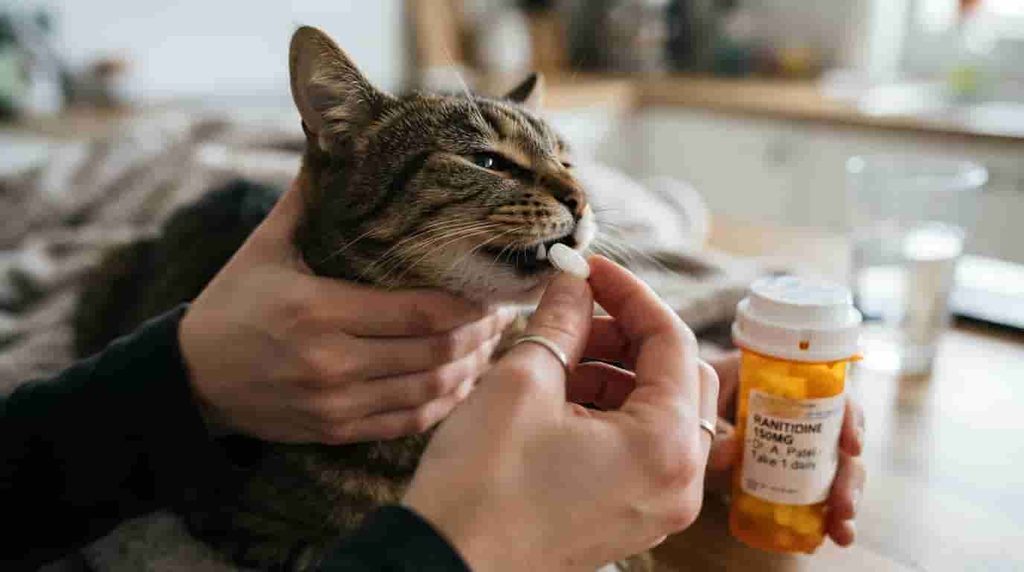
Cat Poison exposure can quickly escalate into a life-threatening emergency, making fast professional guidance your best defense. Always remove the cat from danger, preserve the product packaging, avoid unverified home remedies, and contact a veterinary professional promptly. True prevention starts with rigorous home cat-proofing and keeping toxic hazards securely out of reach.
What cat-proofing steps and storage habits do you use to keep potentially harmful substances away from your pets? Share your tips below!
Frequently Asked Questions
1. What are the first signs of poisoning in a cat?
Initial signs may include vomiting, excessive drooling, lethargy, weakness, tremors, lack of coordination, or unusual breathing patterns. Because symptoms vary by toxin, suspected exposure warrants immediate veterinary advice.
2. Can a cat survive poisoning?
Many cats make a full recovery, but survival depends heavily on the specific toxin, the dosage, and how rapidly treatment begins. Never wait for symptoms to worsen.
3. What should I do if my cat ate something poisonous?
Safely remove access to the substance and contact a veterinarian or animal poison control hotline immediately. Keep the product packaging handy to help identify the toxin.
4. Should I make my cat vomit after poisoning?
Never induce vomiting unless explicitly instructed by a veterinary professional. Doing so can cause severe internal damage depending on what was ingested.
5. How can I prevent my cat from being poisoned?
Store all medications and household chemicals securely, check every plant before bringing it indoors, and use exclusively cat-appropriate health and parasite prevention products.