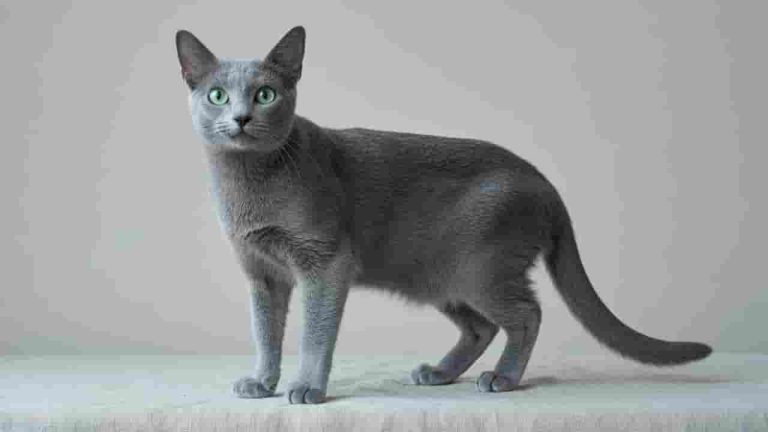
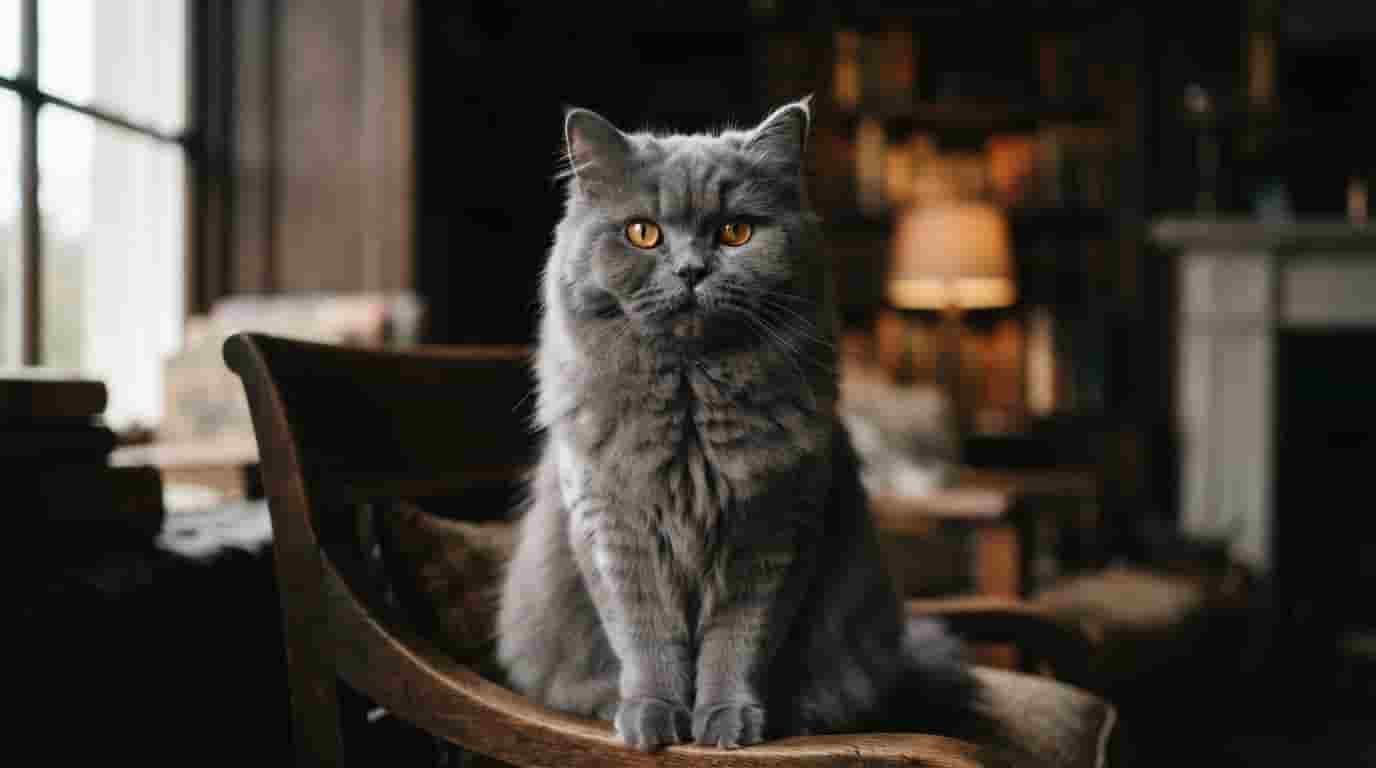
British Longhair Cat: Personality, Price, Temperament and Care
Introduction
British Longhair Cat. Discovering the British Longhair Cat instantly draws attention to its most recognizable feature: a plush, dense long coat combined with the characteristic rounded, robust look associated with traditional British cats. This breed is widely celebrated for its calm, affectionate temperament and a relatively easygoing lifestyle that adapts smoothly to various household environments.
This guide covers everything prospective owners want to know, including:
- Personality and temperament traits
- Size, physical appearance, and coat characteristics
- Lifespan and general health considerations
- Shedding patterns and essential grooming routines
- Price points, global availability, and purchasing or adoption considerations
While a fluffy appearance makes the breed undeniably charming, it is important to understand that a heavy coat requires consistent grooming and regular veterinary care.
What Is a British Longhair Cat?
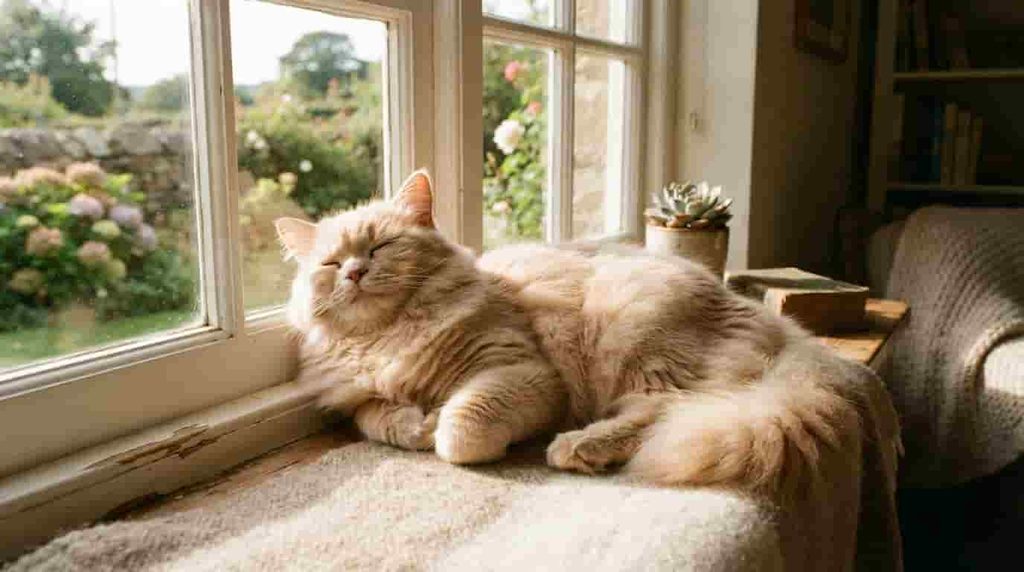
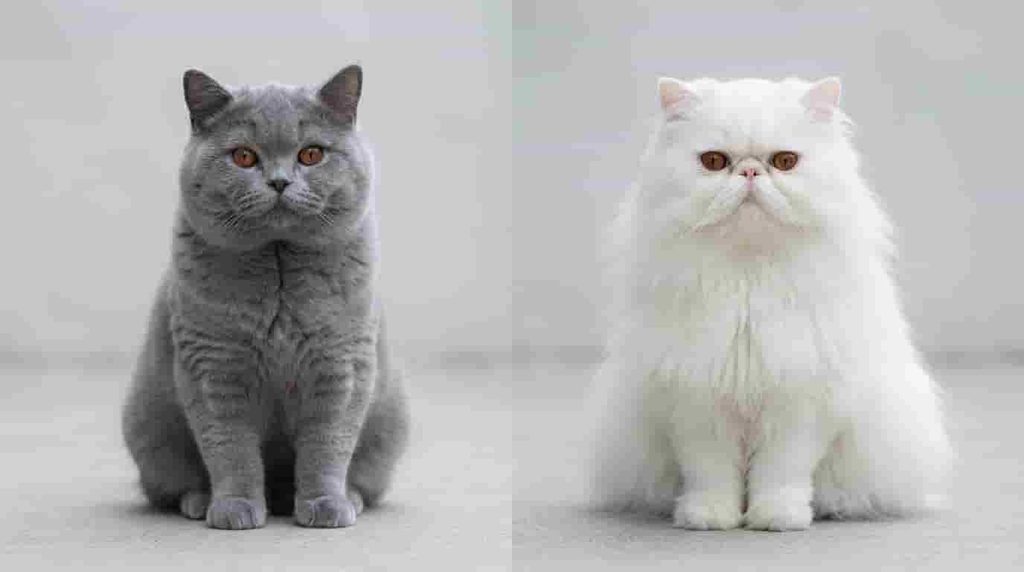
The British Longhair Cat is a distinct, medium-to-large pedigreed longhaired breed. It features the classic bodily proportions of the British Shorthair—including a broad, rounded head, full cheeks, a compact yet substantial body, and large, expressive eyes—paired with a rich, semi-longhaired coat.
Clarification: The British Longhair is a fully recognized breed in its own right, rather than an informal mixed-breed cat or simply a random British Shorthair with an accidental long coat (often searched as a british shorthair longhair mix).
British Longhair Breed Origins
The breed’s development stems from historical outcrossing programs following World War II, when breeders introduced Persian and other longhaired lines into British Shorthair populations to rebuild numbers. Over decades, selective breeding established the longhaired variant as a distinct, stable breed recognized for its luxurious coat and docile disposition.
British Longhair Cat Characteristics and Appearance
- Build: Medium-to-large, robust, muscular, and well-balanced with a broad chest and thick-looking tail.
- Head: Rounded skull, full prominent cheeks, and a short, broad muzzle.
- Eyes: Large, round, and expressive, shining with copper, gold, or green hues depending on the coat.
- Coat: Dense, plush, semi-long fur with a springy texture that stands away from the body rather than lying completely flat.
Coat Colors and Patterns
British Longhairs occur in an expansive spectrum of solid colors, tabbies, bi-colors, torties, and colorpoints. A British Longhair Cat grey (often called “blue”) variant remains one of the most classic and sought-after looks associated with British cat types. Coat color has no direct influence on temperament.
How Big Does a British Longhair Cat Get?
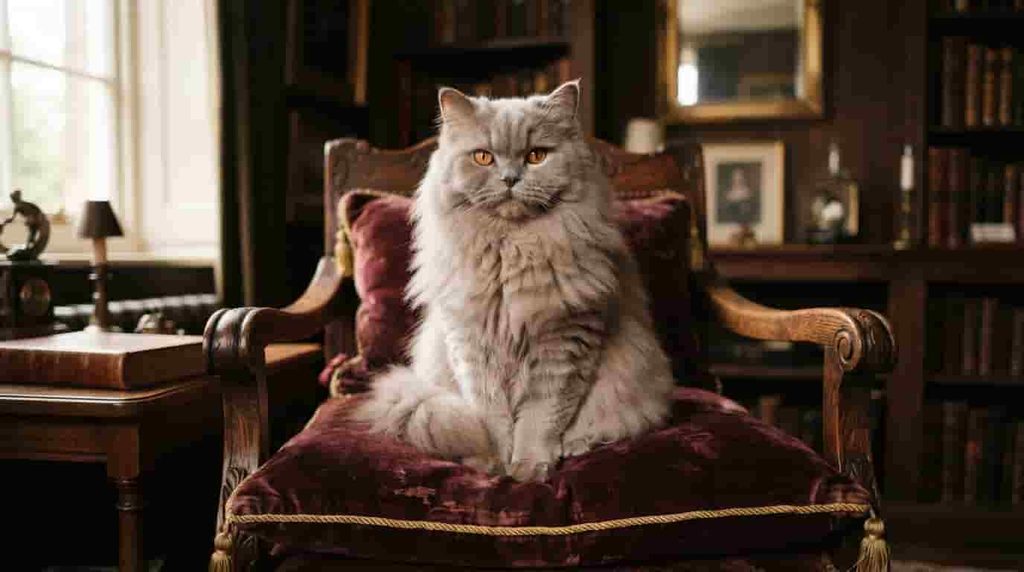
Adult males typically weigh between 12 and 18 pounds, while females range from 8 to 12 pounds. Because their dense coats add significant visual bulk, these cats often look much larger than they actually weigh. Maintaining a healthy body condition through proper nutrition is essential to protect their joints.
British Longhair Cat Personality and Temperament
British Longhair Cat personality traits are defined by a calm, gentle, and adaptable nature. They are quiet, moderately vocal companions who enjoy human company without demanding constant, high-energy attention. Their easygoing disposition makes them ideal for owners seeking a relaxed, affectionate feline housemate.
Are British Longhair Cats Good Pets?
Yes, their balanced temperament makes them exceptionally well-suited for apartments, busy family homes, and quieter households alike. While calm, they still require daily play, scratching outlets, and interactive enrichment to prevent boredom.
Do British Longhair Cats Like to Cuddle?
Many individuals enjoy cuddling and affectionate physical contact, though preferences vary. Some prefer sitting close by on the sofa rather than being held continuously. Owners should always respect a cat’s personal boundaries.
Are British Longhairs Good With Children and Other Pets?
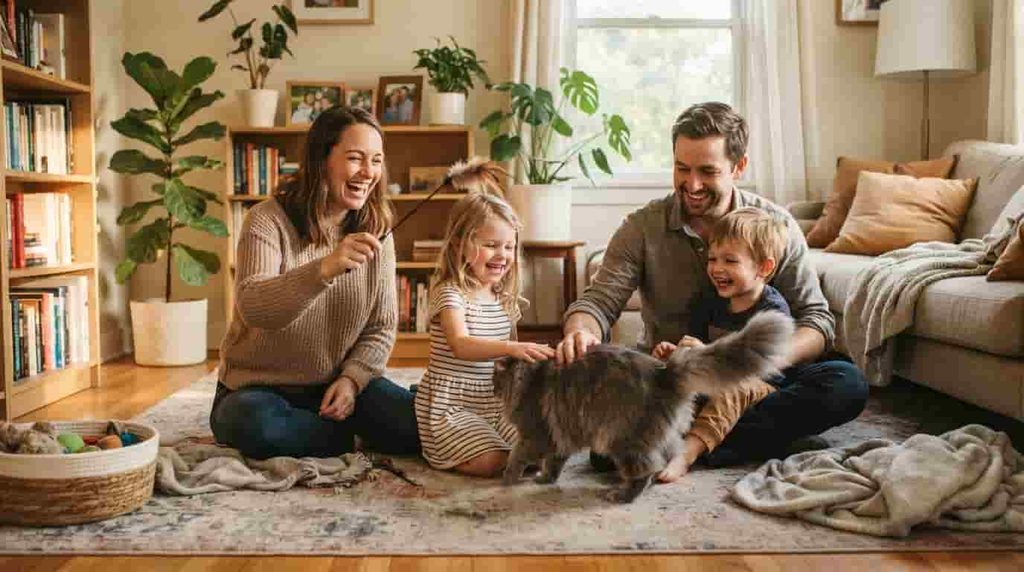
Their patient and tolerant nature allows them to get along wonderfully with children and cat-friendly dogs, provided interactions are respectful and supervised. Gradual introductions are vital for multi-pet households.
British Longhair Cat Shedding and Grooming
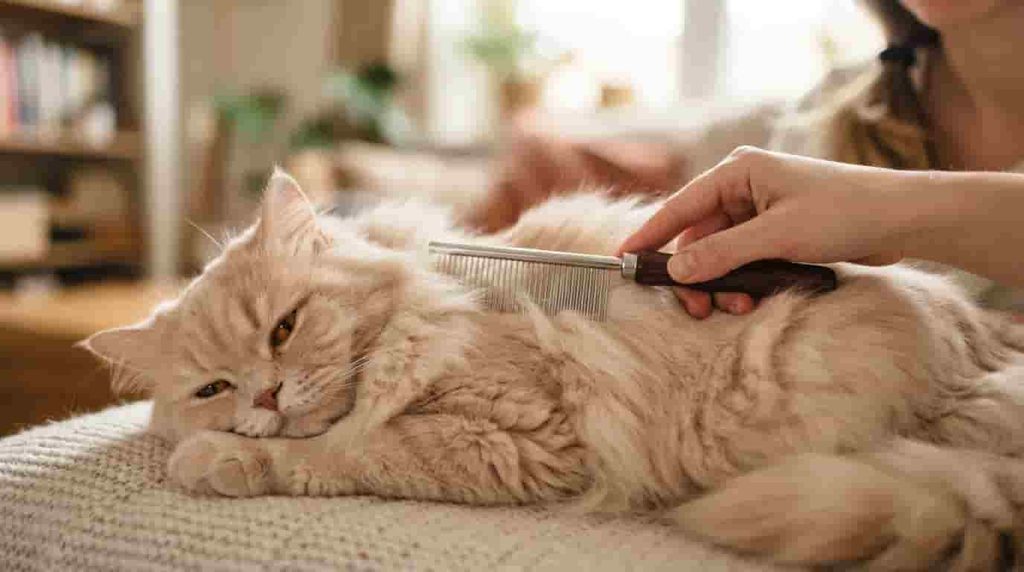
British Longhair Cat shedding is a regular factor to consider due to their dense, plush undercoats. While they shed moderately year-round, shedding increases notably during seasonal coat changes in spring and autumn.
How Often Should You Groom a British Longhair Cat?
- Brushing routine: Brush your cat at least two to three times a week using a slicker brush and metal comb to remove loose hair and prevent mats.
- Target areas: Pay special attention to friction zones prone to tangles, such as behind the legs, around the ruff (neck), behind the ears, and under the belly.
- Handling: Introduce grooming gently during kittenhood so your cat learns to enjoy the session.
Other British Longhair Care Needs
In addition to coat care, maintain weekly nail trims, dental brushing, routine ear checks, and eye cleaning. Shaving the coat is unnecessary and discouraged unless medically advised by a veterinarian.
British Longhair Cat Care Guide
Feeding and Weight Management
Feed a premium, protein-rich diet formulated for adult or mature cats. Because their thick fur hides subtle weight fluctuations, conduct regular hands-on body condition checks and avoid free-feeding to prevent feline obesity.
Exercise and Enrichment
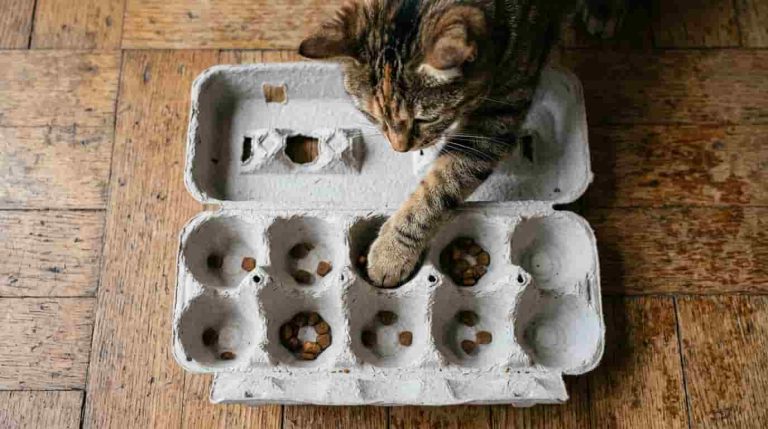
Engage your cat with interactive wand toys, food puzzle feeders, and low vertical cat trees to encourage moderate physical activity.
Litter Box and Home Environment
Provide clean, easily accessible litter boxes in quiet locations, along with cozy resting perches and safe indoor spaces free from toxic houseplants and hazards.
British Longhair Cat Health Problems
Do British Longhair cats have health problems? Like all breeds, they can be predisposed to certain hereditary or general feline conditions, though they are generally robust.
Health Issues Owners Should Watch For
- Hypertrophic Cardiomyopathy (HCM): A heart muscle condition monitored through responsible breeding screening.
- Polycystic Kidney Disease (PKD): Genetic testing helps ethical breeders eliminate this condition.
- Obesity and Dental Disease: Mitigated through portion control and routine veterinary dental cleanings.
When Should a British Longhair See a Veterinarian?
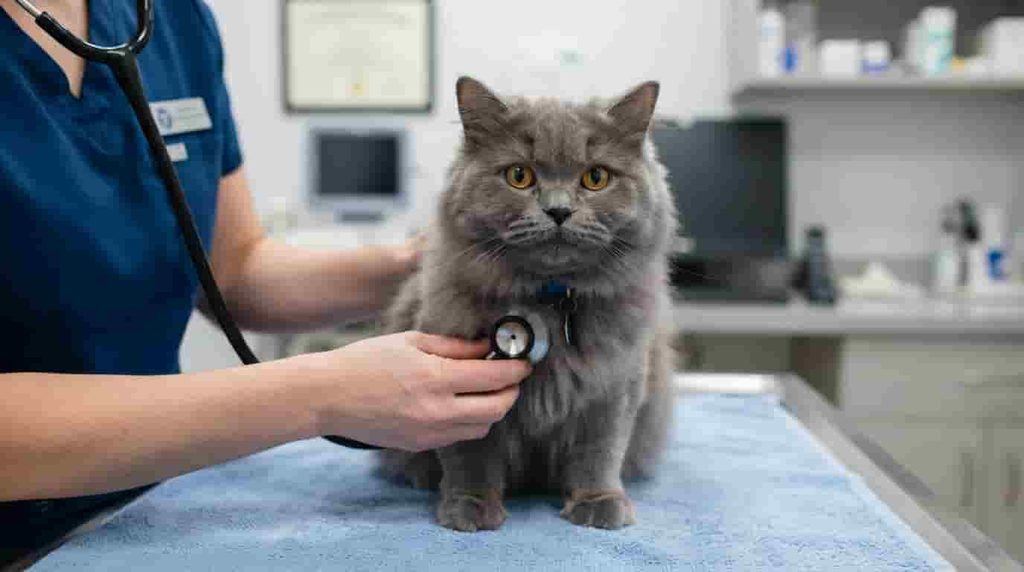
Seek immediate veterinary advice if you notice warning signs such as respiratory distress, sudden lethargy, persistent vomiting, complete loss of appetite, acute mobility shifts, or severe skin discomfort.
How Much Does a British Longhair Cat Cost?
The British Longhair Cat price typically ranges from $1,000 to $2,500+, varying based on pedigree, breeder reputation, coat color rarity, and location.
British Longhair Cat Price in India and Pakistan
Buyers searching for a British Longhair cat price in India or a British Longhair cat price in Pakistan should anticipate higher overall costs. Import expenses, international transport logistics, local quarantine regulations, and specialized breeder availability heavily influence pricing in South Asia.
Finding a British Longhair Cat for Sale
When looking for a British Longhair cat for sale, prioritize ethical breeders who provide comprehensive health clearances, vaccination records, pedigree documentation, and transparent cattery conditions.
British Longhair Cat Adoption
Purebred or breed-type cats occasionally enter rescue organizations or shelters. Exploring local rescues or breed-specific adoption networks is a wonderful alternative to purchasing a kitten.
British Longhair Cat vs Other Longhaired Breeds
British Longhair vs Russian Blue
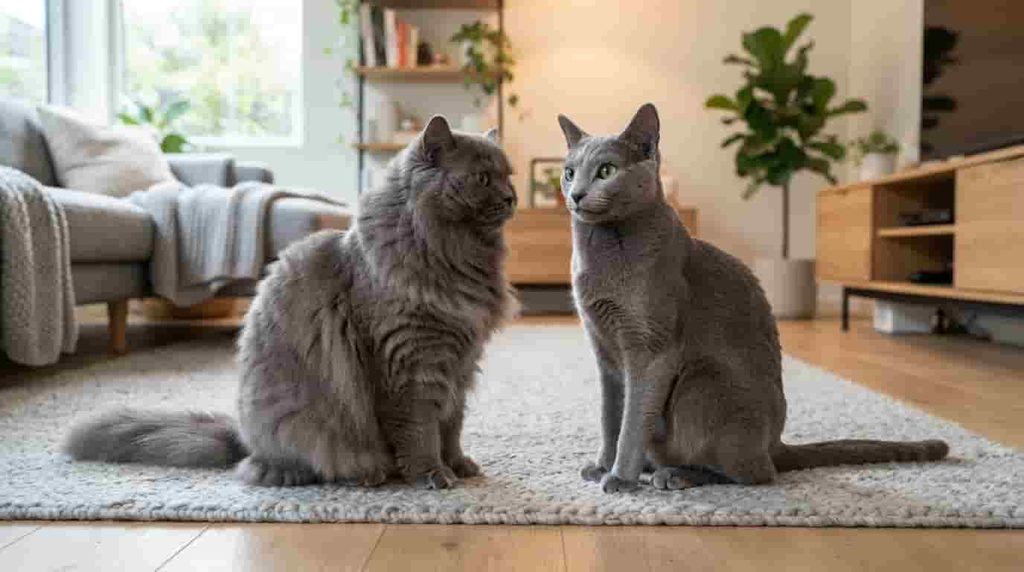
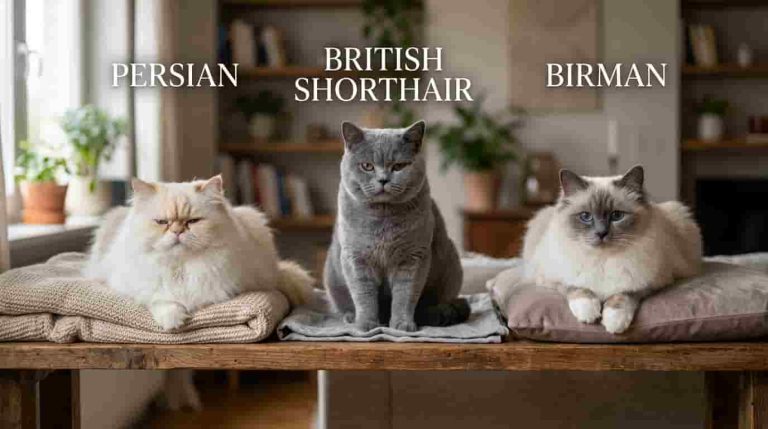
While both possess plush coats and gentle demeanors, the Russian Blue features a short, dense double coat and a slender, fine-boned frame, contrasting with the British Longhair’s heavy build and semi-long fur. Learn more in Russian Blue Cat: Personality, Price, Lifespan, Traits and Care
British Longhair vs Highlander Cat
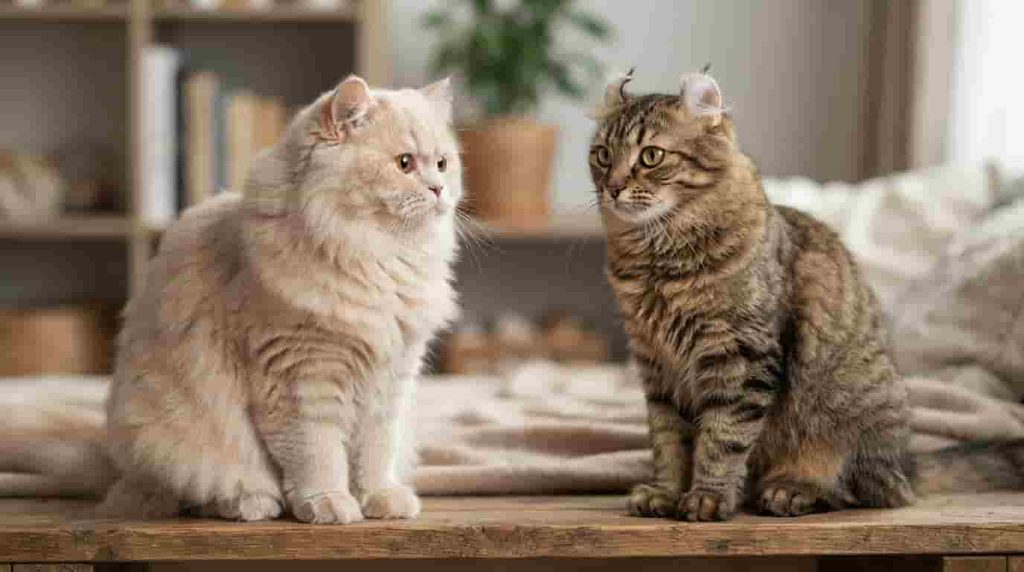
The Highlander Cat features an athletic, powerful body style paired with curled ears and a bobbed tail, offering a wild aesthetic quite different from the British Longhair’s rounded, traditional look. Read more via Highlander Cat: Size, Personality, Lifespan, Price and Care
British Longhair vs American Curl
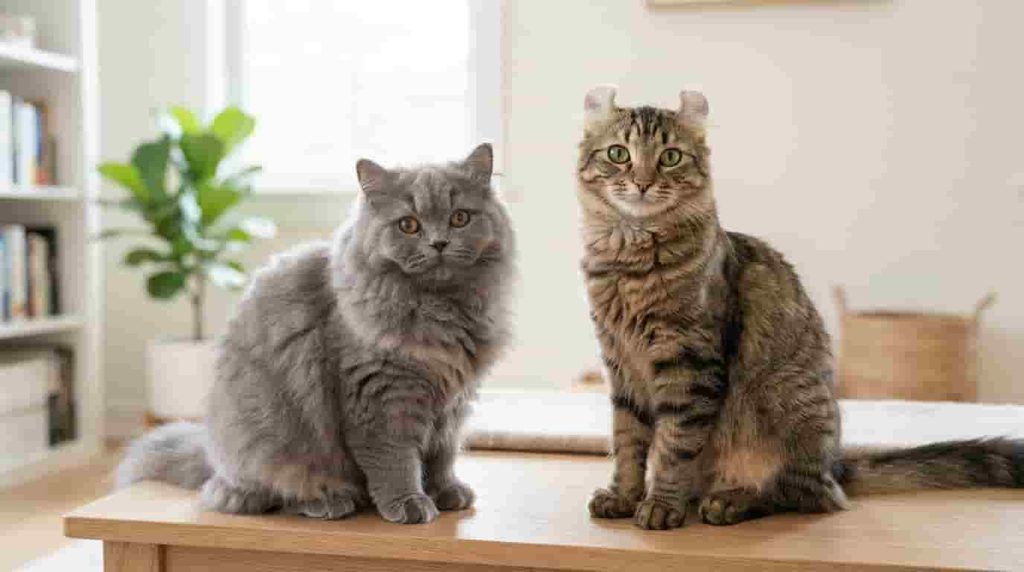
The American Curl is instantly distinguished by its unique backward-curled ears and slender, rectangular frame, which stands apart from the British Longhair’s plush coat and heavy cobb body. Explore details in American Curl Cat: Personality, Price, Lifespan, Health and Care
Is a British Longhair Cat Right for You?
Reasons You Might Love This Breed
- Calm, affectionate, and easygoing temperament
- Beautiful, plush coat and charming teddy-bear appearance
- Adaptable to apartment living and quiet homes
- Enjoyable companion for owners who appreciate regular grooming routines
Things to Consider Before Getting One
- Regular brushing is required to manage shedding and prevent mats
- Long-term veterinary and dietary expenses must be budgeted
- Availability may be limited depending on your geographic region
Frequently Asked Questions About British Longhair Cats
1. Are British Longhair cats good pets?
Yes, their calm, adaptable, and gentle nature makes them exceptional companions for many different types of households.
2. Do British Longhair cats like to cuddle?
Many enjoy close affection and sitting nearby, though individual preferences vary regarding being held.
3. Do British Longhair cats have health problems?
They can occasionally encounter genetic conditions like HCM or PKD, making screening from a responsible breeder essential.
4. Do British Longhair cats shed a lot?
Yes, their dense semi-long coats shed moderately year-round with heavier shedding during seasonal changes.
5. How much does a British Longhair cat cost?
Prices vary widely based on pedigree, location, and breeder reputation, alongside ongoing lifetime maintenance costs.
Conclusion
The British Longhair Cat offers a wonderful combination of a luxurious plush coat and a calm, companionable personality. From understanding grooming and shedding requirements to monitoring health, nutrition, and purchase costs, responsible ownership ensures a happy life for your feline companion.
Do you prefer the British Longhair’s fluffy appearance or its relaxed, easygoing personality? Share your thoughts below!