American Curl Cat: Personality, Price, Lifespan, Health and Care
Introduction
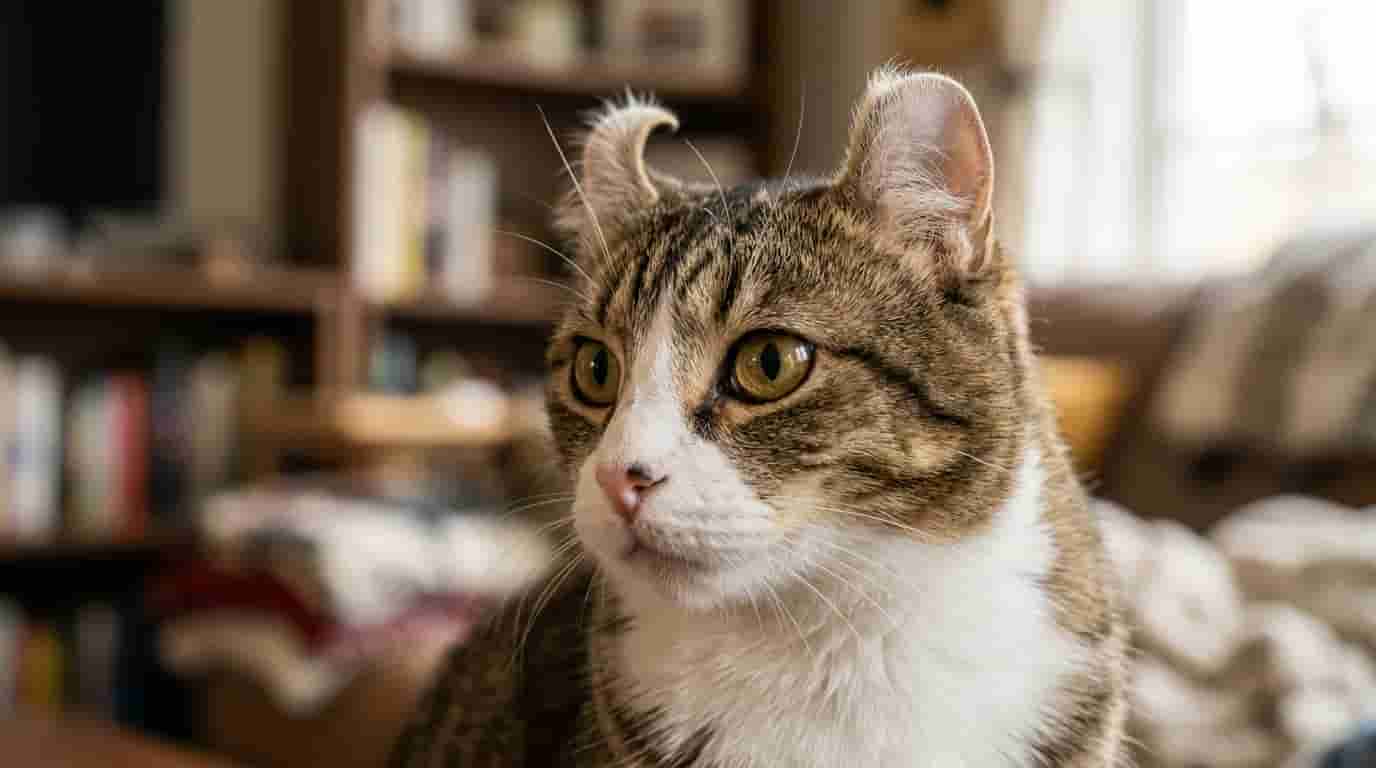
American Curl Cat. Discovering the American Curl Cat instantly draws attention to its most recognizable feature: ears that curl backward in a delicate, elegant arc. However, this breed is far more than its unusual appearance. Behind the striking look lies a friendly personality, a moderate, balanced size, a healthy lifespan, manageable grooming needs, specific health considerations, and a variable typical cost. It is important to note that these distinctive curled ears develop gradually in kittens and require gentle handling from an early age. This comprehensive guide serves as a practical resource for anyone considering ownership or simply researching this unique cat breed.
What Is an American Curl Cat?
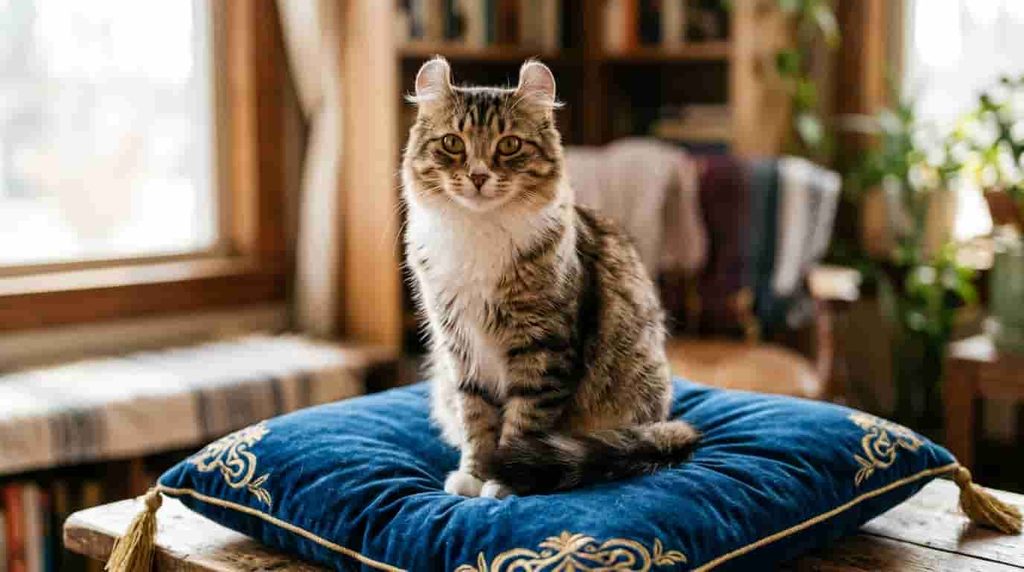
The American Curl Cat is a distinct, medium-sized feline breed originating in the United States, recognized worldwide for its naturally occurring genetic mutation that causes the outer ear cartilage to curl backward in a smooth arc. Unlike breeds with folded ears, American Curls are born with standard straight ears that begin to change and curl during their first few weeks of life, finalizing their shape around four months of age. This fascinating genetic trait distinguishes them from other unusual breeds, making them one of the most distinctive companions in the feline world.
American Curl Cat Origins and History
The modern history of the breed traces back to Lakewood, California, in 1981, when a stray black kitten with unusual curled ears was taken in by Joe and Grace Ruga. This foundational cat, named Shulamith, gave birth to litters carrying the same genetic trait, proving the mutation was dominant and robust. Selective breeding programs soon established standard characteristics, transforming a local curiosity into an internationally recognized pedigree.
What Makes the American Curl’s Ears Unique?
The backward curl of the ears is caused by a unique structural mutation in the cartilage. The degree of curl can range from a gentle sweep to a more pronounced crescent shape, though not every cat exhibits an identical angle. Because of the delicate cartilage structure, these ears should always be handled with extreme care. Furthermore, this unique shape is a natural anatomical variation and should never be confused with ear disease or chronic infection.
American Curl Characteristics and Appearance
American Curls present an athletic, well-balanced physique with moderate proportions and a rectangular body style. Key visual features include:
- A medium-sized, balanced build with good muscle tone
- A modified wedge-shaped head without flat planes
- Large, walnut-shaped, expressive eyes that convey constant curiosity
- The defining backward-curled ears set evenly on top of the head
- Both longhaired and shorthaired coat varieties
- A wide array of recognized coat colors and patterns
While physical appearance can vary considerably within the gene pool, the alert expression and signature ears remain unmistakable.
Coat Types and Colors
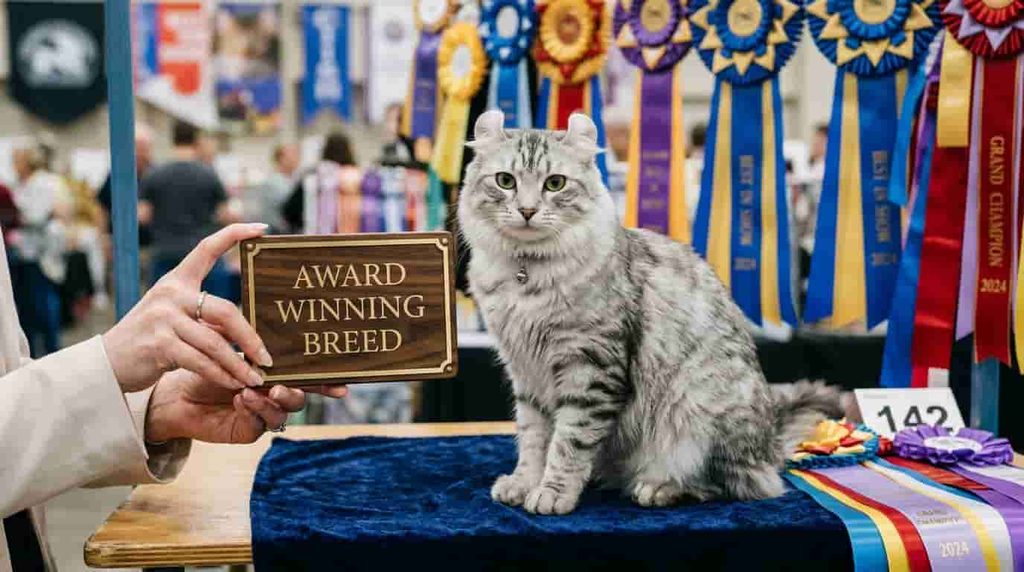
The breed comes in both shorthaired and longhaired coat types, each featuring a soft, silky texture with minimal undercoat. American Curls are not restricted to any single color standard; they appear in solids, tabbies, bi-colors, torties, and colorpoints. For instance, an American Curl Cat orange coat variant occurs naturally and displays rich tabby or solid ginger tones alongside the signature swept-back ears.
How Big Does an American Curl Cat Get?
Adult American Curls typically maintain a moderate, athletic weight rather than growing excessively heavy. Males generally range from 7 to 10 pounds, while females are slightly smaller, usually weighing between 5 and 8 pounds. Their overall body shape emphasizes length and balance rather than heavy-set bulk.
American Curl Cat Personality: Are They Friendly?
American Curls are exceptionally friendly, highly affectionate, and deeply people-oriented. They possess a curious, gentle demeanor, frequently following their owners from room to room to participate in household activities. While they thrive on human interaction and affection, they are rarely overly demanding or vocal. Their playful, kitten-like disposition often persists well into adulthood, making them wonderful companions for active households and families who can provide proper socialization and engagement.
Are American Curl Cats Good With Children?
Because of their social, patient nature, American Curls generally do well in family environments with children. However, parents must teach children how to handle pets respectfully. Due to the sensitive cartilage structure of their ears, kids must understand that they should never pull, twist, or bend the ears.
Are American Curl Cats Good With Other Pets?
American Curls usually get along splendidly with other cats and cat-friendly dogs. A successful multi-pet household relies heavily on gradual, stress-free introductions and ensuring that every animal has access to separate resources, food bowls, and safe resting retreats.
American Curl Cat Lifespan and Life Stages
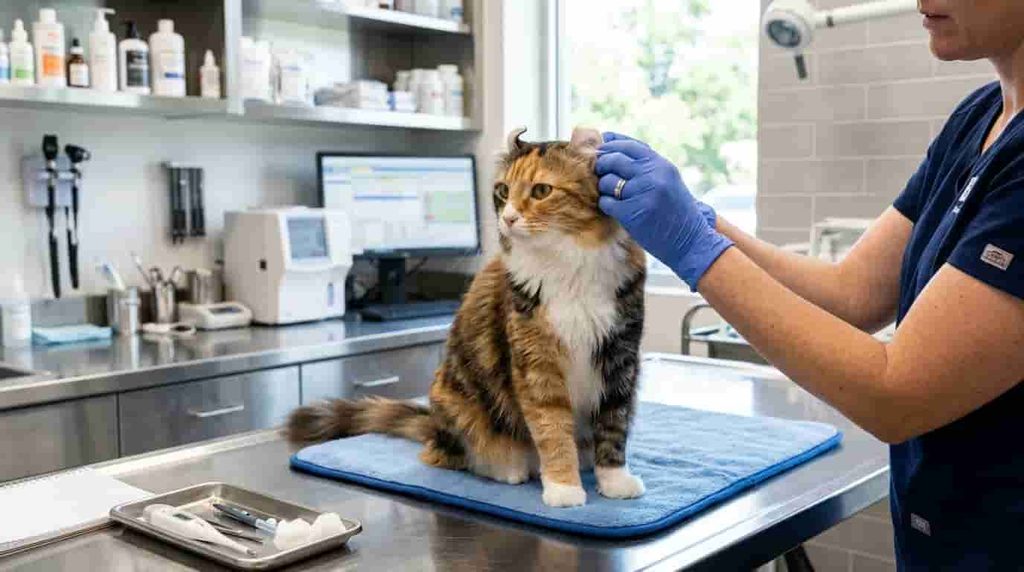
The typical lifespan of an American Curl Cat ranges from 12 to 16 years, with many healthy individuals living even longer when provided with proper indoor care. Longevity is heavily influenced by genetics, premium nutrition, regular veterinary checkups, optimal weight management, good dental hygiene, and a safe indoor environment. Their lifecycle transitions from high-energy kittenhood to a balanced adult phase, eventually entering a graceful senior stage where routine wellness monitoring helps prevent age-related health decline.
How Long Do American Curl Kittens Take to Mature?
Physical and behavioral maturity happens gradually, with kittens growing rapidly through their first year while their ear shapes actively curl and settle. High-quality nutrition, core vaccinations, and attentive veterinary oversight during this developmental window lay the foundation for a healthy adult life.
American Curl Cat Health Issues
The American Curl Cat is generally considered a robust, healthy breed with a wide gene pool that avoids many exaggerated structural defects. However, like all cats, they are not entirely immune to general feline health conditions. Responsible breeding practices and preventative veterinary care play vital roles in ensuring lifelong wellness.
Ear Health and the Curled Ears
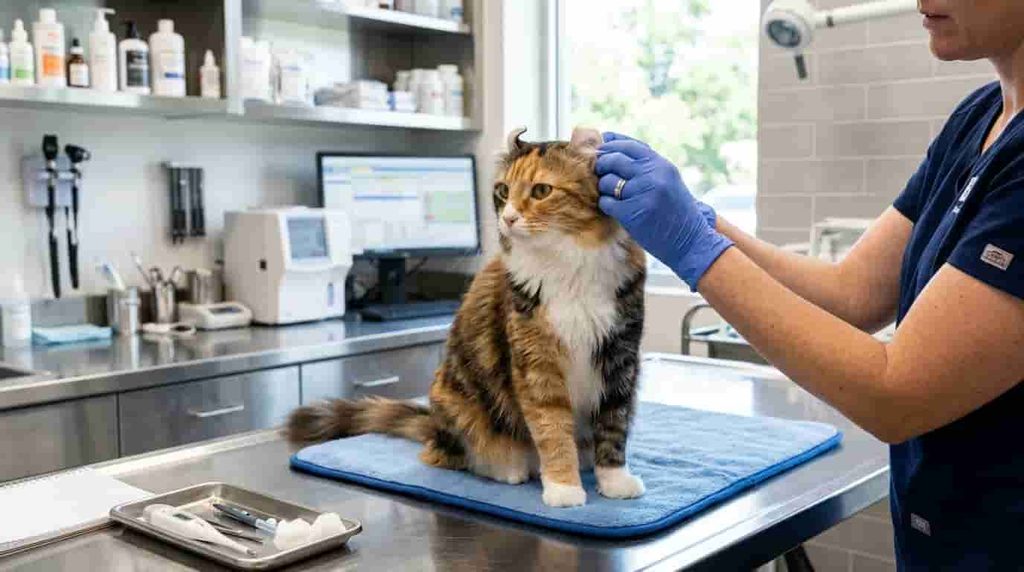
Routine observation of the ear canals is essential. Watch for signs of potential issues such as excessive scratching, foul odors, dark debris, redness, swelling, or pain. Owners must clean ears gently using vet-recommended solutions and avoid rough manipulation of the ear cartilage. Consult a veterinarian immediately if abnormal discharge or discomfort arises.
General Health Problems to Watch For
Beyond breed-specific ear awareness, standard feline health concerns include periodontal dental disease, obesity, external parasites, and age-related conditions like kidney disease. Maintaining a lean body condition and scheduling annual wellness exams helps mitigate these risks.
When Should an American Curl See a Vet?
Schedule prompt veterinary evaluations if you observe urgent warning signs such as acute respiratory distress, severe lethargy, repeated vomiting, sudden mobility loss, severe pain, or drastic changes in appetite and water consumption. Any unusual swelling or trauma near the ears also warrants professional medical advice.
American Curl Cat Care Guide
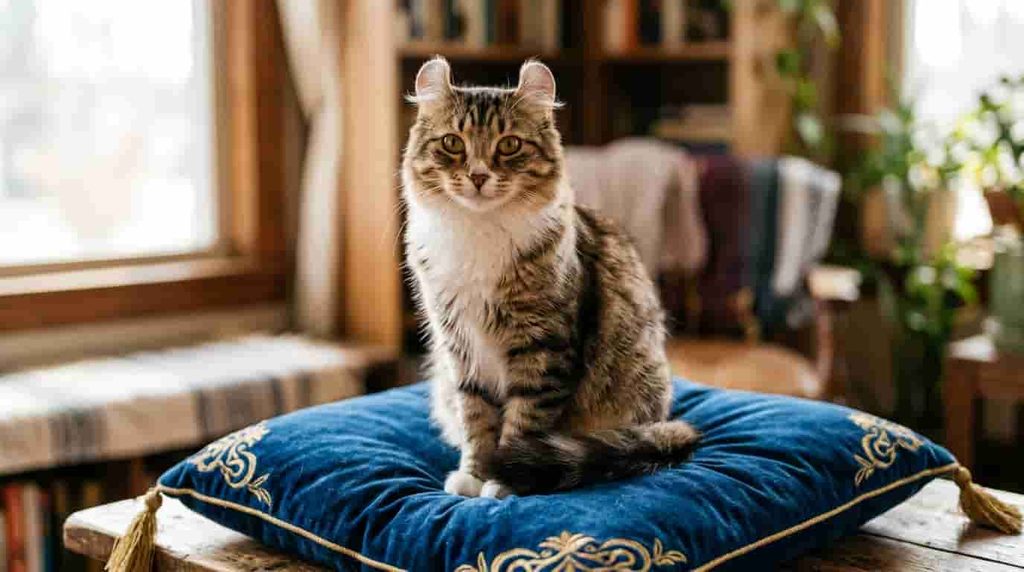
Maintaining an American Curl requires a straightforward daily and weekly routine that easily fits into most households.
Grooming an American Curl
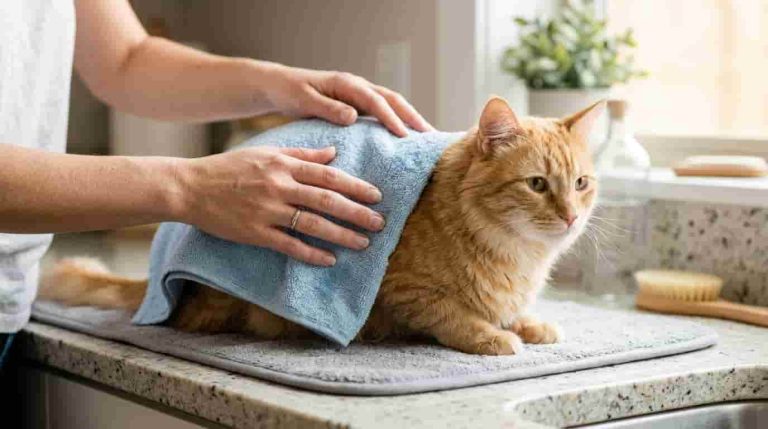
Grooming needs depend on whether your cat has a shorthaired or longhaired coat. Shorthaired varieties require weekly brushing to remove loose hairs, while longhaired counterparts need brushing a few times a week to prevent tangles, thanks to their minimal undercoat. Routine nail trimming, dental brushing, and gentle ear inspections should be integrated into your weekly maintenance schedule.
Feeding and Nutrition
Provide a high-quality, protein-rich cat food tailored to your cat’s specific life stage. Practice portion control to prevent obesity, limit high-calorie treats, and consult your veterinarian to establish optimal caloric intake guidelines.
Exercise and Enrichment
These clever, active cats love interactive play, vertical climbing spaces, puzzle toys, and secure perches. Providing regular environmental enrichment prevents boredom and satisfies their natural hunting instincts.
Litter Box and Home Environment
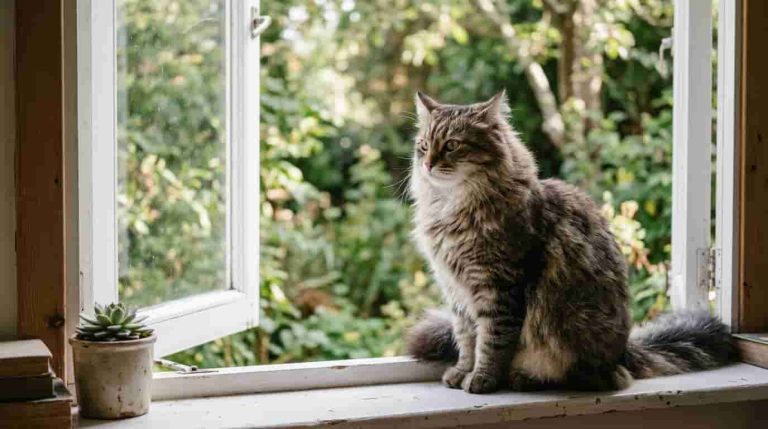
Keep litter boxes immaculately clean and easily accessible in quiet locations. American Curls appreciate stable daily routines, vertical territory, and warm window perches for bird-watching.
How Much Does an American Curl Cat Cost?
The American Curl Cat price typically ranges from $1,000 to $2,500 or more, depending heavily on lineage, breeder reputation, show potential, age, coat characteristics, and geographic region. Initial purchase costs represent only a fraction of lifetime ownership expenses, which include premium food, litter, preventative veterinary care, and emergency savings.
Are American Curl Cats Expensive?
While the initial acquisition cost can be significantly higher than adopting a mixed-breed rescue cat, long-term ownership expenses are comparable to most purebred felines. Budgeting for recurring food, supplies, and veterinary care is essential for responsible ownership.
American Curl Cat for Sale: What Should Buyers Check?
When looking for an American Curl kitten, vet breeders carefully to ensure ethical practices. Request comprehensive veterinary records, proof of vaccinations, parasite prevention history, health clearances for parent cats, and registration documentation. Avoid purchasing solely based on a low price or exaggerated ear curl traits, and ensure kittens are fully weaned and socialized before coming home.
What About American Curl Cat Price in India or the Philippines?
International pricing varies widely based on import duties, transport logistics, local quarantine regulations, and the scarcity of established local breeders. Buyers in regions like India or the Philippines should expect additional importation and shipping fees when sourcing from overseas catteries.
Are American Curl Cats Rare?
American Curl Cats are considered relatively uncommon compared to mainstream popular breeds like domestic shorthairs or British Shorthairs. Their distinct rarity reflects specialized breeding programs rather than fragility, though availability varies significantly by country and region.
American Curl Cat vs Other Unusual or Long-Haired Breeds
Comparing the American Curl with similar or unique breeds highlights its distinctive anatomical profile.
American Curl vs Highlander Cat
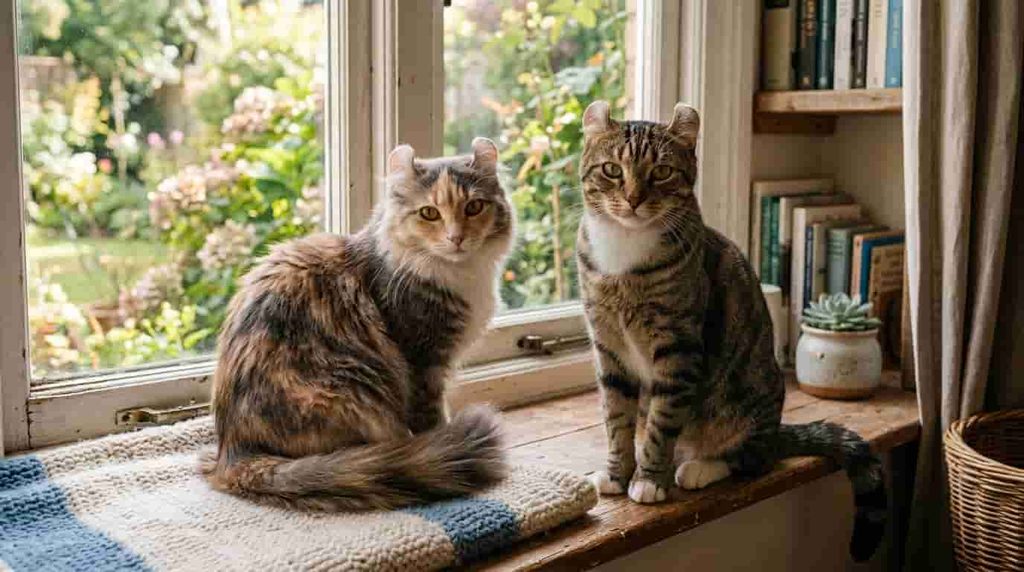
While both feature unique ear mutations, the Highlander Cat possesses straight or folded-back tips accompanied by a bobtail, whereas the American Curl features a smooth backward sweep of the entire ear and a standard full-length tail. For more details, see Highlander Cat: Size, Personality, Lifespan, Price and Care
American Curl vs British Longhair
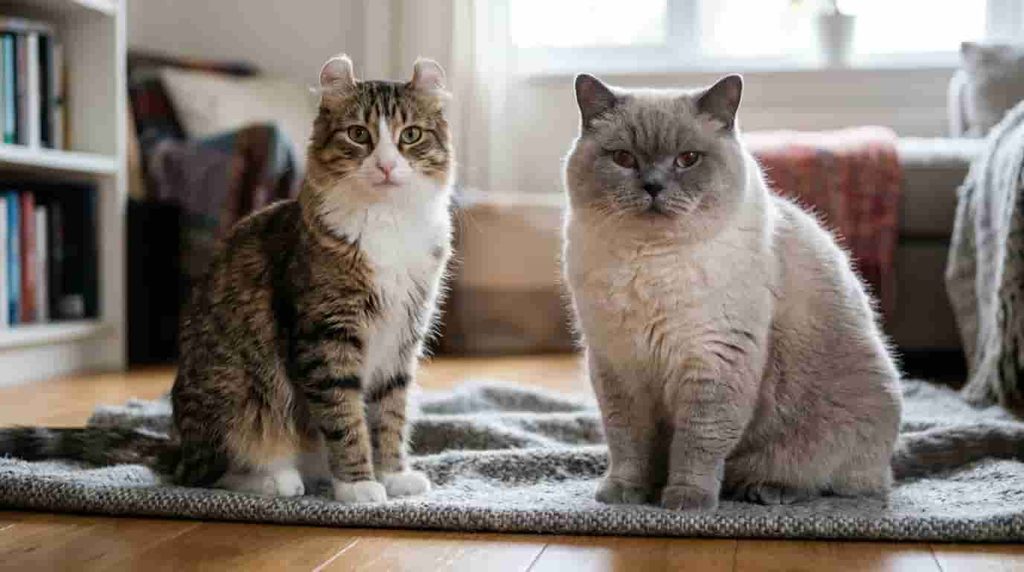
The British Longhair showcases a plush, dense coat and a heavy, rounded cobb body type, contrasting sharply with the American Curl’s slender, rectangular build and swept-back ears. Explore further insights in British Longhair Cat: Personality, Price, Temperament and Care
American Curl vs Russian Blue
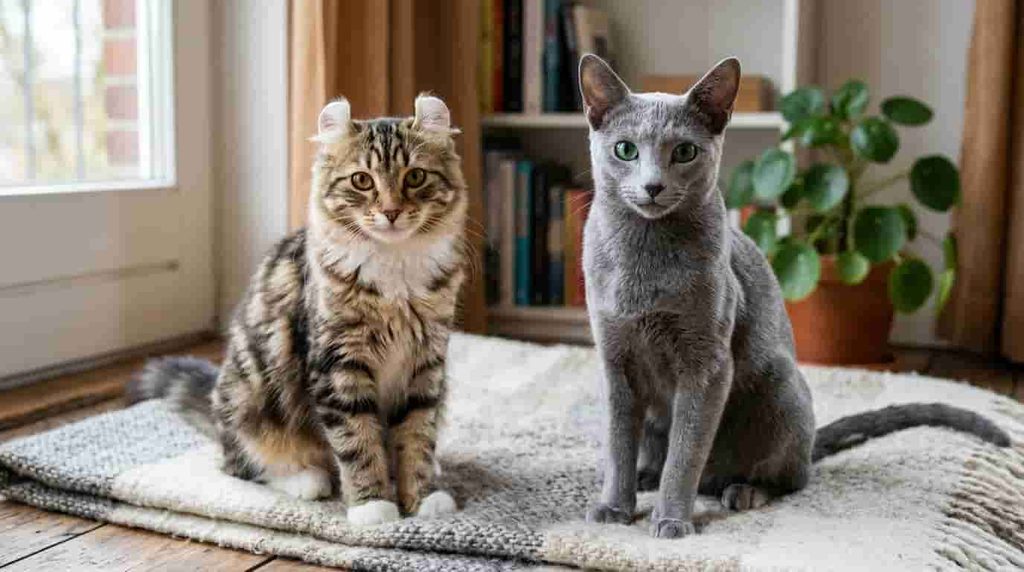
The Russian Blue is defined by its dense, plush double blue-grey coat and striking green eyes, whereas the American Curl stands apart with its variable coat colors and signature curled ear architecture. Learn more through Russian Blue Cat: Personality, Price, Lifespan, Traits and Care
Is the American Curl Cat Right for You?
Reasons You Might Love This Breed
- Affectionate, people-oriented, and deeply social personality
- Playful, intelligent, and engaging temperament
- Striking, unique appearance featuring curled ears
- Available in both shorthaired and longhaired coat varieties
- Excellent companion for interactive households
Things to Consider Before Getting One
- Substantial initial purchase and ongoing ownership costs
- Need for daily social interaction and mental enrichment
- Careful, gentle handling requirements for sensitive ear cartilage
- Grooming maintenance based on coat length
- Potential rarity and limited availability in certain regions
Frequently Asked Questions About the American Curl Cat
1. Are American Curl cats rare?
Yes, they are considered a specialized, uncommon breed with limited availability compared to mainstream popular cats.
2. What is the lifespan of an American Curl cat?
The typical lifespan ranges from 12 to 16 years, supported by good genetics, indoor safety, and proper veterinary care.
3. Are American Curl cats expensive?
Initial purchase prices can be quite high, though ongoing care costs remain comparable to standard purebred cats.
4. Are American Curl cats friendly?
They are exceptionally affectionate, gentle, and social companions who enjoy human interaction.
5. Can American Curl cats have straight ears?
All kittens are born with standard straight ears; the signature backward curl develops gradually during the first few weeks of life.
Conclusion
The American Curl Cat stands out instantly because of its remarkable ears, but it offers far more than unusual looks. From an affectionate personality and healthy lifespan to manageable grooming and playful energy, this breed enriches any home willing to provide thoughtful care and responsible ownership.
Would you consider living with an American Curl, and what attracts you most to this unique breed? Share your thoughts below!