Russian Blue Cat: Personality, Price, Lifespan, Traits and Care
Introduction: What Makes the Russian Blue Cat So Special?
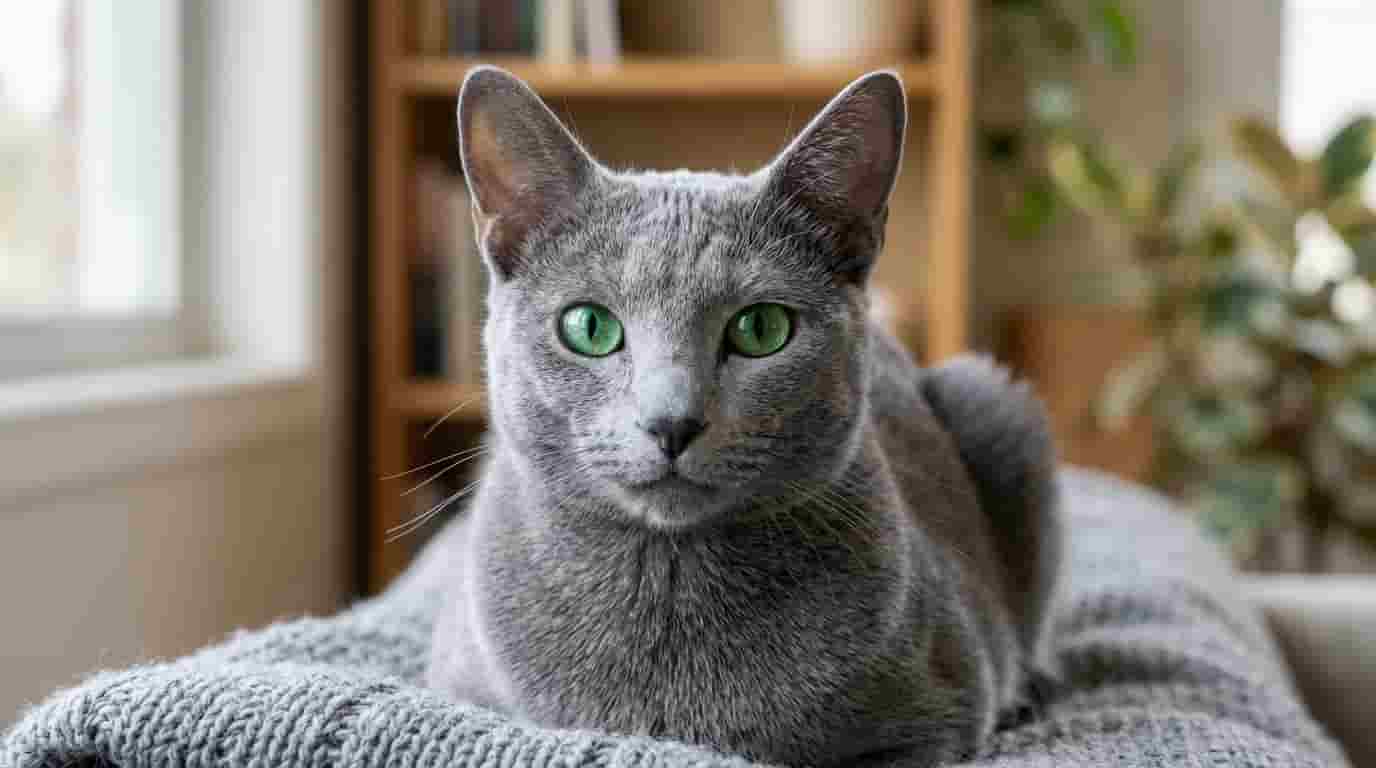
Russian Blue Cat. The breed is instantly known worldwide for its striking blue-gray coat, vivid green eyes, and elegant, refined build. Beneath this aristocratic appearance lies a calm, highly intelligent, and affectionate companion. Russian Blues make exceptional housemates for individuals and families who value predictable routines, quiet living spaces, and a deep, earned sense of trust.
This comprehensive guide covers everything prospective owners need to know about the breed, including:
- Personality and temperament tendencies
- Physical characteristics, coat types, and size
- Expected lifespan and general health care
- Shedding patterns and grooming requirements
- Daily care routines
- Global pricing structures and purchasing considerations
- Adoption avenues and evaluating responsible breeders
A balanced look at these traits helps prospective owners determine whether this unique feline fits their lifestyle.
What Is a Russian Blue Cat?
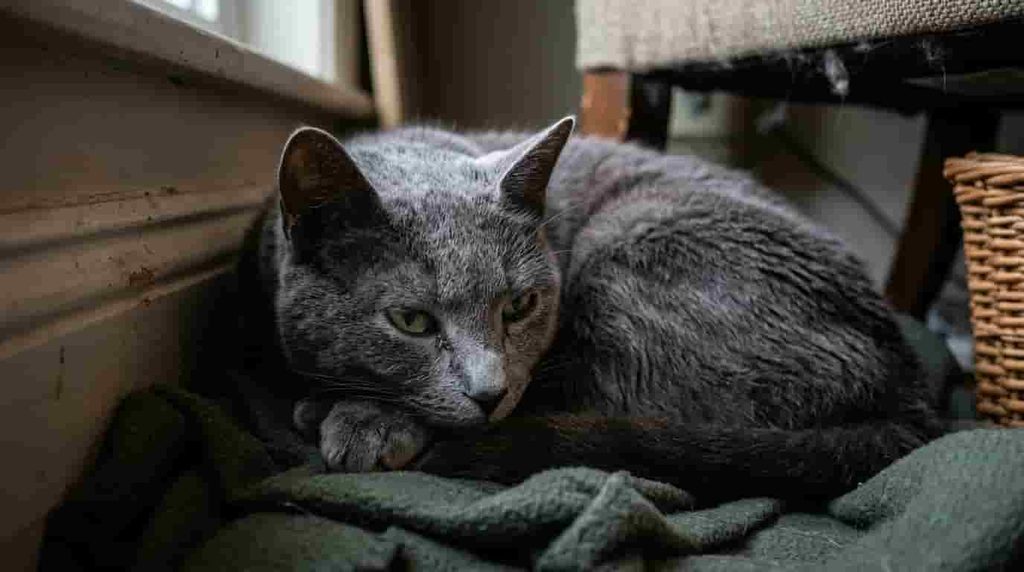
The Russian Blue Cat is a naturally occurring, historically documented pedigreed breed celebrated for its striking silver-tipped blue coat and gentle disposition.
Russian Blue History and Origins
The breed is traditionally associated with northern Russia, particularly the port city of Arkhangelsk (Archangel), where sailors supposedly transported the cats across Europe due to their exceptional mousing abilities. While romanticized legends link them directly to Russian czars, modern pedigree documentation shows that British and Scandinavian fanciers refined the breed during the late 19th and early 20th centuries. Following World War II, breeding programs crossed remaining lines with Siamese and other cats to save the breed, eventually stabilizing the classic Russian Blue characteristics recognized by major registries today.
What Makes the Breed Distinctive?
- A short, exceptionally dense double coat with a plush texture
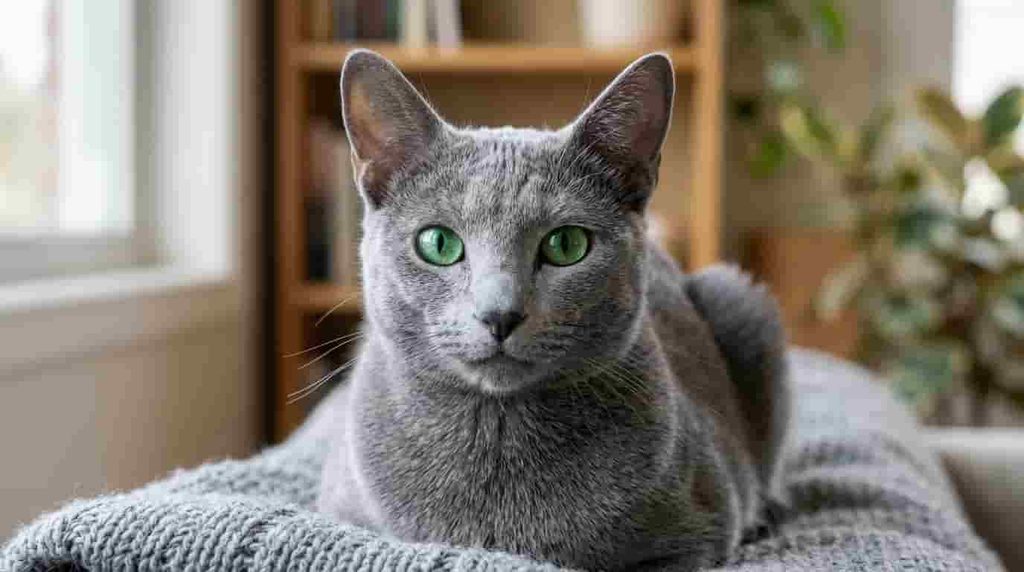
- Solid blue-gray coloration with silver tips that create a shimmering appearance
- Vivid, luminous green eyes in mature adults
- An elegant, graceful body style with a distinct wedge-shaped head and whisker pads
Appearance alone does not prove pedigree; true breed identity relies on certified lineage records.
Russian Blue Cat Characteristics and Appearance
Coat and Color
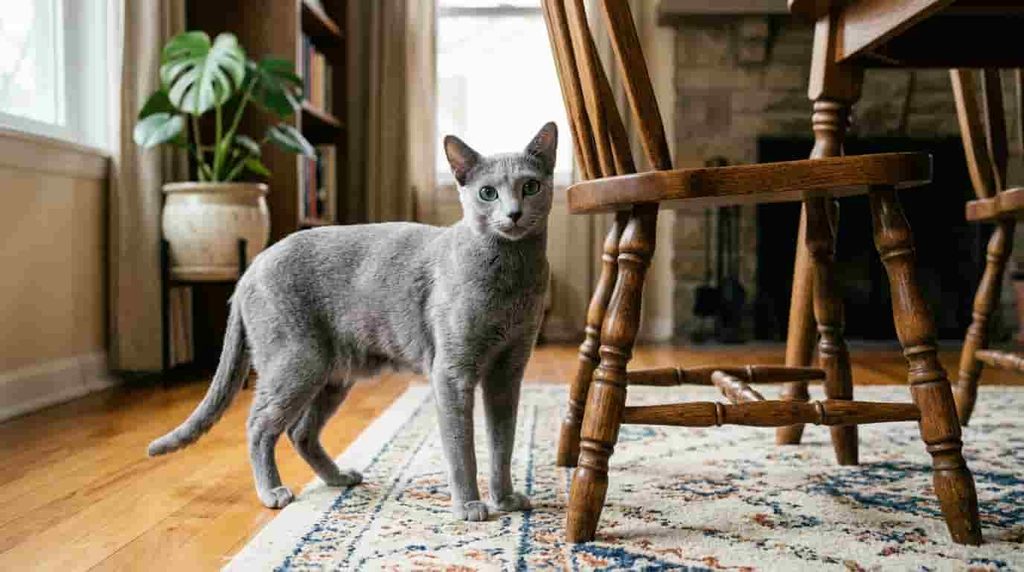
The Russian Blue coat features a unique double layer of equal length (undercoat matching the guard hairs), giving it a dense, plush feel that stands away from the body. Every hair features a silver tip that reflects light, giving the coat a silvery sheen. Officially recognized Russian Blues come exclusively in blue-gray. Any gray cat found in a local shelter is not automatically a Russian Blue; true representatives require verified pedigree documentation.
Eyes, Ears and Facial Features
- Eyes: Wide-set, vivid green, transitioning from kitten blue through yellow-green phases until settling into a striking emerald green by adulthood.
- Ears: Large, wide at the base, pointed, and set far apart, covered with sparse fur on both sides.
- Head: A smooth, wedge-shaped skull with prominent, well-defined whisker pads that create a gentle, smiling expression.
Body Shape and Overall Build
The breed exhibits a foreign body type—slender, fine-boned, and muscular rather than cobby or bulky. Long, graceful legs and small, rounded paws support a surprisingly heavy, solid muscle mass. A healthy Russian Blue looks sleek and athletic rather than fragile or underweight.
How Big Does a Russian Blue Cat Get?
Russian Blue Cat Size
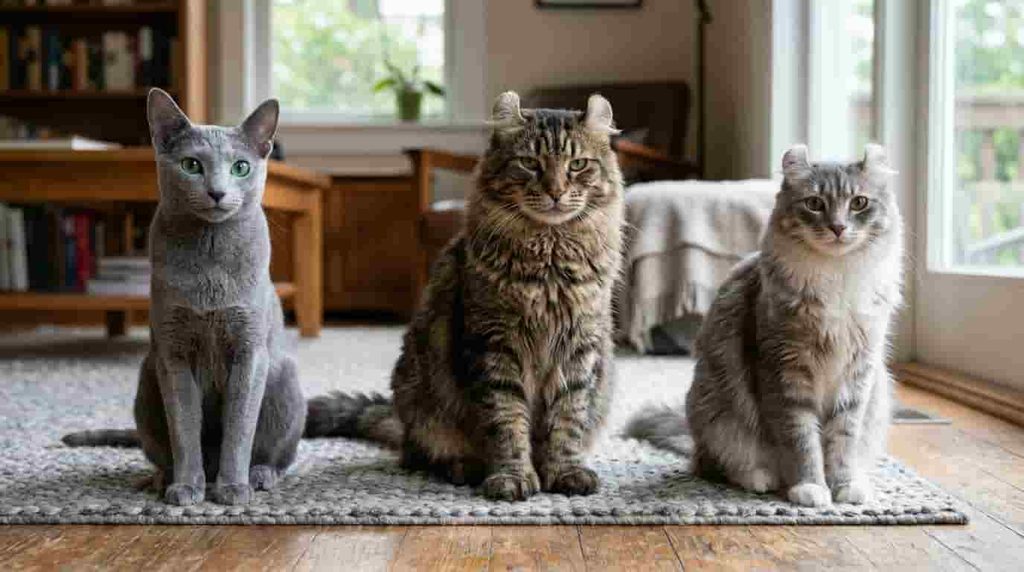
Adult Russian Blues typically weigh between 7 and 12 pounds, with males generally larger (10–12 lbs) and females more slender (7–9 lbs). They reach full physical maturity around two years of age. Maintaining a lean, muscular body condition is critical for joint health.
Russian Blue Kittens
Kittens are born with ghost tabby markings and blue eyes that gradually shift toward green as they mature. Prospective owners should discuss expected growth patterns and health milestones with responsible breeders.
Russian Blue Cat Personality and Temperament

Are Russian Blue Cats Friendly?
Yes, they form extraordinarily strong, devoted bonds with their trusted humans. While deeply affectionate with family members, they often remain reserved, shy, or cautious around unfamiliar visitors. Early socialization helps build confidence.
Do Russian Blue Cats Like to Cuddle?
Many enjoy curling up beside their owners on the sofa, sharing a bed, or following people room to room. However, they typically prefer affectionate companionship on their own terms rather than constant, restrictive holding. Respecting their boundaries builds long-lasting trust.
Intelligence, Playfulness and Activity
Russian Blues possess high intelligence and a playful, curious nature. They love interactive games like fetch, puzzle toys, and climbing vertical spaces. Without adequate mental and physical stimulation, clever cats can grow bored.
Are Russian Blue Cats Good Pets?
- Great fit for: Quiet households, owners who appreciate predictable routines, people who enjoy interactive play, and those wanting a devoted, intelligent companion.
- Potentially less suitable for: Homes with constant heavy foot traffic, owners wanting an overly outgoing cat that greets every stranger warmly, or households unable to provide daily interaction.
Russian Blue Cat Shedding and Grooming Needs

Do Russian Blue Cats Shed?
Yes. Despite having a short coat, Russian Blues shed moderately year-round, with heavier seasonal shedding occurring during spring and autumn coat transitions.
How to Care for the Coat
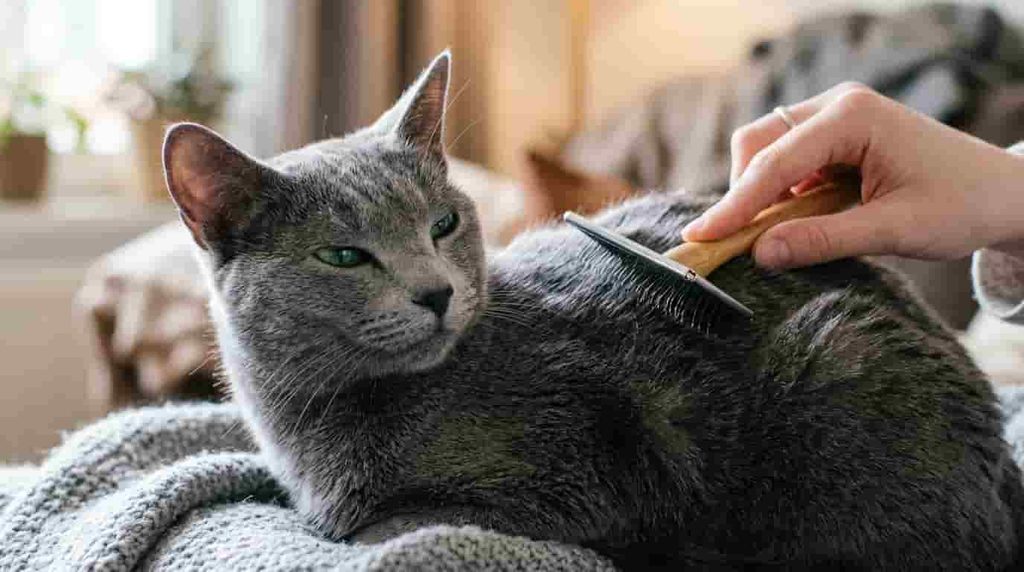
- Brushing: Weekly brushing with a soft-bristled brush or grooming mitt removes loose hairs and distributes skin oils.
- Maintenance: Routine nail trimming, ear cleaning, and dental hygiene are essential. Bathing is rarely necessary.
Are Russian Blue Cats Hypoallergenic?
No cat breed is truly hypoallergenic. While some allergy sufferers report fewer allergic reactions around Russian Blues—often attributed to lower levels of specific skin proteins or moderate shedding—they still produce allergens. Anyone with severe cat allergies should spend extended time around a Russian Blue before committing.
Russian Blue Cat Care Guide
Feeding and Nutrition
Provide a high-quality, protein-balanced commercial cat food appropriate for your cat’s life stage. Ensure access to fresh water daily, practice portion control to prevent weight gain, and consult your veterinarian regarding specific nutritional needs.
Exercise and Enrichment
Incorporate daily interactive play sessions using feather wands, laser pointers, and food puzzle toys. Provide sturdy scratching posts, high cat trees, and secure window perches for bird-watching.
Litter Box and Home Environment
Maintain impeccably clean litter boxes in quiet, low-traffic areas. Ensure windows and balconies are securely screened, and keep household hazards, toxic chemicals, and dangerous plants completely out of reach.
Veterinary Care
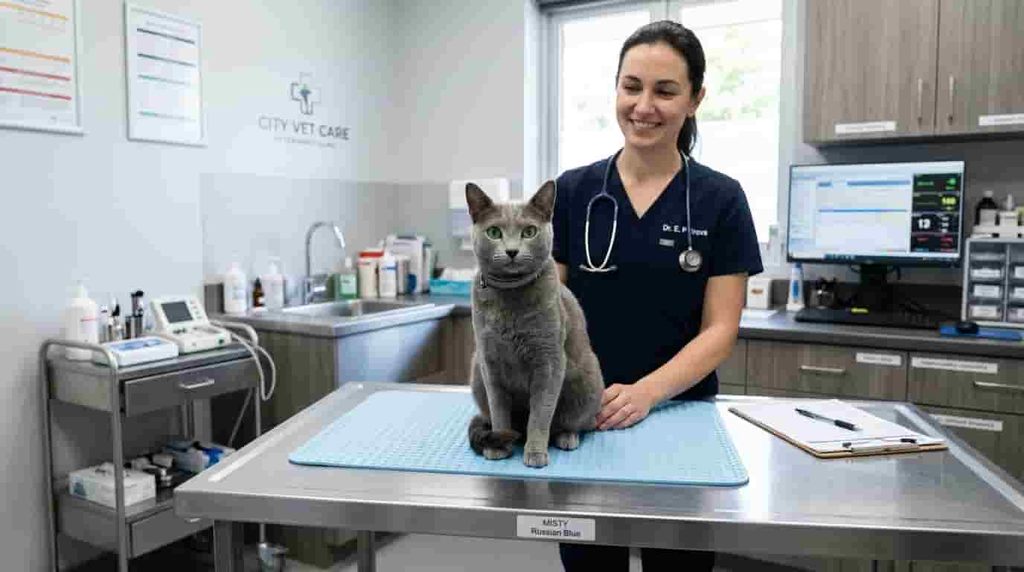
Schedule routine wellness exams at least annually. Keep up with veterinarian-recommended vaccinations, parasite prevention, and routine dental evaluations. Monitor for any subtle changes in appetite, weight, behavior, or bathroom habits.
Russian Blue Cat Health and Lifespan
What Is the Lifespan of a Russian Blue Cat?
With proper nutrition, indoor safety, and proactive veterinary care, a healthy Russian Blue can live between 12 and 15 years—and frequently into their late teens.
Do Russian Blue Cats Health Problems?
The breed is generally robust and healthy, but no breed is entirely immune to illness. While they lack many extreme conformational health issues, general feline risks like urinary tract issues, obesity, and periodontal disease can occur. Responsible breeding screening minimizes hereditary concerns.
Warning Signs Owners Should Not Ignore
Contact your veterinarian immediately if you observe warning signs such as:
- Sudden loss of appetite or weight changes
- Respiratory distress or open-mouth breathing
- Persistent vomiting or diarrhea
- Changes in frequency or strain during urination
- Extreme lethargy or obvious signs of pain
How Much Does a Russian Blue Cat Cost?
Russian Blue Cat Price
Initial purchase prices vary widely depending on the breeder’s reputation, geographic location, registration papers, lineage, and kitten quality.
Why Are Russian Blue Cats Expensive?
Responsible breeding involves rigorous genetic testing, high-quality nutrition, veterinary care, registration fees, and proper socialization. The purchase price reflects these foundational investments rather than just the animal itself.
Russian Blue Cat Price in Nigeria and Global Markets
Prices shift dramatically across international markets. Imported pedigree kittens in regions like Nigeria or South Asia incur substantial shipping logistics, customs documentation, and import vaccination expenses. Buyers must evaluate total ownership investment rather than focusing solely on an initial advertised price tag.
What About a Russian Blue Cat for Adoption?
Purebred Russian Blues rarely appear in standard animal shelters. However, specialized breed rescues or older cat rehoming networks occasionally have adults available. Adoption fees typically cover basic sterilization, microchipping, and vaccinations.
How to Find a Reputable Russian Blue Cat Breeder
What a Responsible Breeder Should Provide
- Complete health records and vaccination history for the kitten
- Pedigree or official registry documentation (e.g., CFA, TICA)
- Health screening clearances for parent cats
- Clean, open cattery environments where kittens are raised with human contact
- Clear, transparent purchase contracts
Red Flags to Watch For
- High-pressure sales tactics or demands for immediate wire transfers
- Refusal to show parent cats or cattery facilities
- Unusually low prices with zero documentation
- Absence of health guarantees or medical history
How to Verify a Russian Blue
Never rely on coat color alone. Always examine registration papers, lineage records, and confirm specific physical traits with an experienced fancier or registered association.
Russian Blue Cat vs Other Cat Breeds
Russian Blue vs British Longhair
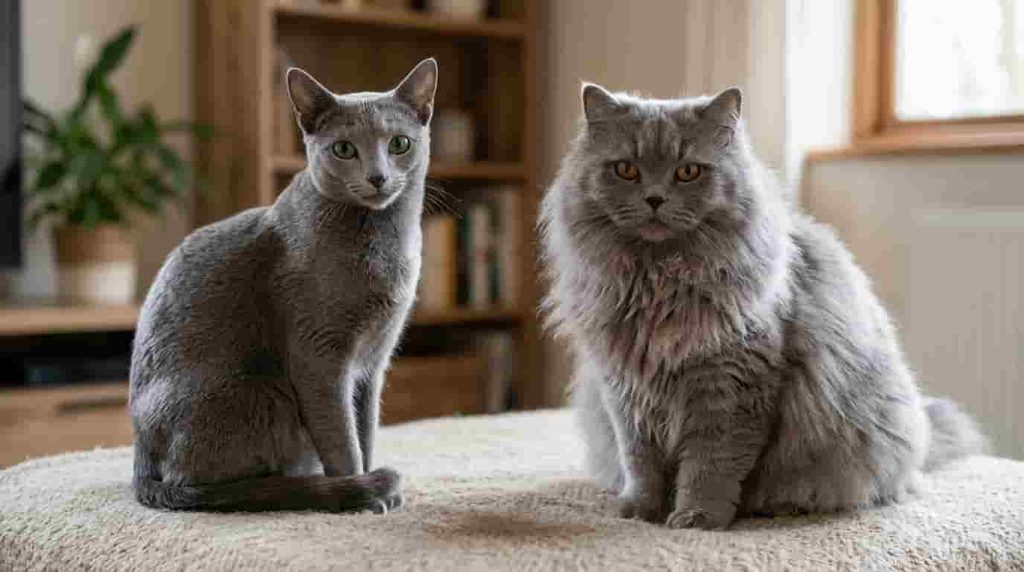
While both feature dense coats and calm demeanors, the British Longhair possesses a semi-long, plush coat and a heavy, robust frame, contrasting with the Russian Blue’s sleek, short coat and fine-boned, athletic build. Read more in British Longhair Cat: Personality, Price, Temperament and Care
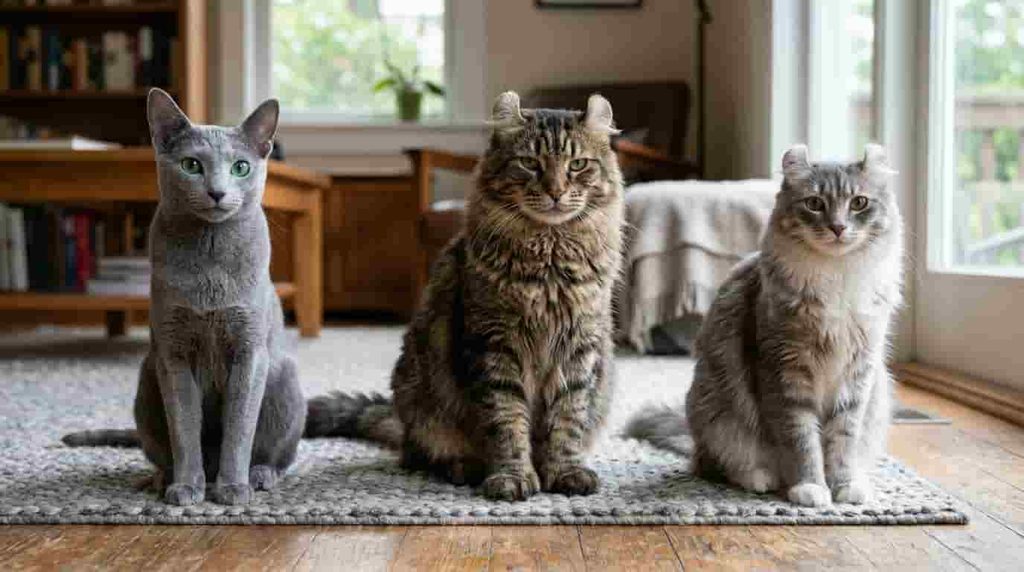
Russian Blue vs Highlander and American Curl
The Highlander Cat features a wild-looking muscular build with curled ears and a bobbed tail, whereas the American Curl is distinguished by its unique backward-curled ears. Both differ markedly from the sleek, classic blue-gray appearance of the Russian Blue. For further insights, explore Highlander Cat: Size, Personality, Lifespan, Price and Care and American Curl Cat: Personality, Price, Lifespan, Health and Care
Russian Blue Cat: Pros and Cons
Advantages
- Striking, elegant appearance with emerald eyes
- Highly intelligent, playful, and interactive
- Forms exceptionally deep bonds with trusted family members
- Simple coat care compared to longhaired breeds
- Well-suited for calm indoor environments
Potential Challenges
- May remain shy or cautious around unfamiliar guests
- Still sheds despite having a short coat
- Requires daily mental stimulation and engagement
- Pedigree kittens represent a significant financial investment
- Appearance alone does not guarantee pure breed identity
Frequently Asked Questions About Russian Blue Cats
1. How expensive is a Russian Blue cat?
Prices vary significantly based on geographic location, pedigree documentation, breeder reputation, and included veterinary care.
2. Are Russian Blue cats good pets?
Yes, they make wonderful companions for owners who appreciate intelligent, gentle, and often reserved feline housemates.
3. Do Russian Blue cats shed a lot?
They shed moderately year-round despite short fur and still benefit from weekly grooming sessions.
4. How can you tell if a cat is a true Russian Blue?
True identification relies on official registration paperwork and verified lineage rather than coat color alone.
5. What is the lifespan of a Russian Blue cat?
Healthy individuals frequently live between 12 and 15 years or more when supported by proper care.
Conclusion — Is a Russian Blue Cat Right for You?
The Russian Blue Cat combines an unforgettable aesthetic with a loyal, intelligent, and peaceful personality. From managing grooming needs and daily play to budgeting for lifetime veterinary care and responsible sourcing, welcoming one of these cats into your home is a rewarding commitment.
Do you currently live with a Russian Blue Cat, or are you planning to bring one into your home soon? Share your thoughts below!