Why Is My Cat Peeing Outside the Litter Box? Causes and Solutions
Introduction:
Why Is My Cat Peeing Outside the Litter Box? It is one of the most frustrating, stressful, and baffling challenges a cat owner can face. You step into a room only to find a wet patch on your carpet, tile, or furniture. Beyond the immediate inconvenience and odor, house-soiling causes deep concern for your pet’s well-being.
It is vital to understand that cats rarely eliminate outside their designated trays out of spite, malice, or revenge. Instead, inappropriate elimination is a primary sign of physical distress, environmental stress, or functional dissatisfaction with their setup.
The underlying causes generally fall into several distinct categories:
- Medical Problems: Urinary tract infections, bladder inflammation, kidney disease, or pain.
- Litter Box Aversion: Unclean conditions, unpleasant scents, or inaccessible box locations.
- Stress and Anxiety: Environmental changes, household disruption, or inter-cat conflict.
- Territorial Marking: Hormonal spraying or social communication.
A sudden change in elimination habits should never be dismissed as simple misbehavior. In this guide, we will explore the root causes of cat urination issues, explain how to distinguish territorial marking from normal elimination, outline critical medical warning signs, and provide an actionable, step-by-step resolution plan.
Why Is My Cat Peeing Outside the Litter Box?
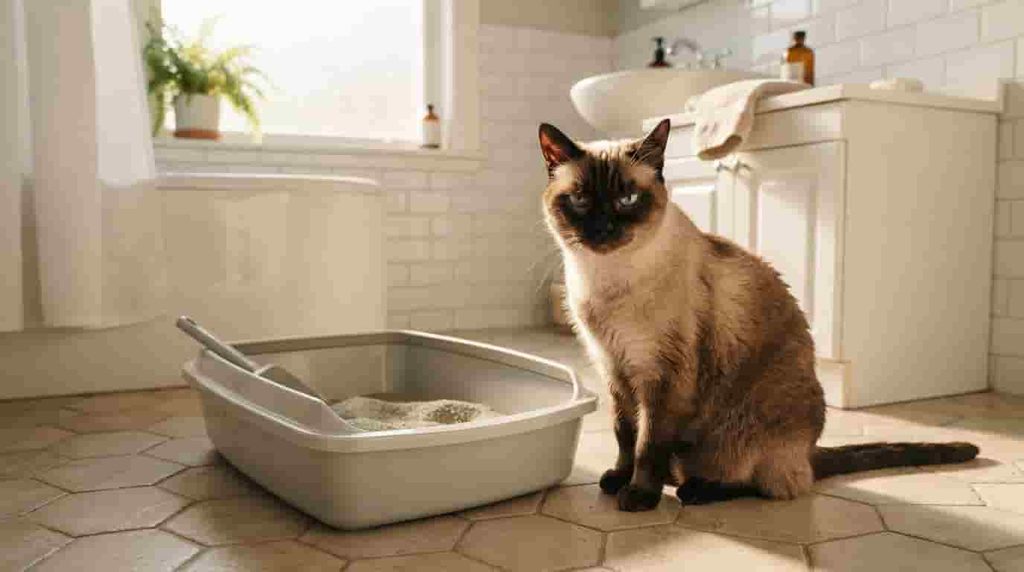
When evaluating cat peeing behavior, identifying the root trigger requires systematically reviewing medical, behavioral, and environmental factors. Inappropriate elimination is a clear signal that something in your cat’s internal or external environment has gone wrong.
To determine why your cat is avoiding their tray, adopt a diagnostic mindset by asking these key questions:
- What changed recently? Have you introduced new litter, moved the box, or brought home new furniture or pets?
- Where is the urine appearing? Is it concentrated on soft surfaces, near doors, or right next to the box?
- How much urine is being produced? Is your cat depositing large puddles or straining to pass tiny droplets?
- Is your cat showing physical discomfort? Are they vocalizing, licking their genitals, or pacing around the box?
- Is the box still used occasionally? Is the cat avoiding the tray entirely, or using it only for defecation?
Medical Problems Can Cause Inappropriate Urination
Before assuming a litter box issue is purely behavioral, rule out physical illness with a veterinarian. Pain and internal inflammation can turn entering or squatting in a litter tray into a distressing experience. When a cat associates intense physical discomfort with their litter box, they naturally seek alternative places to relieve themselves, such as soft bath mats or cold tile floors.
Common veterinary conditions that cause inappropriate urination include:
- Feline Lower Urinary Tract Disease (FLUTD): An umbrella term covering painful conditions affecting the bladder and urethra.
- Feline Idiopathic Cystitis (FIC): Painful bladder inflammation strongly linked to environmental stress.
- Urinary Tract Infections (UTIs): Bacterial infections that cause an urgent, painful need to urinate.
- Urolithiasis (Bladder Stones): Mineral deposits that irritate the bladder lining or cause dangerous urinary blockages.
- Kidney Disease and Diabetes: Chronic conditions that drastically increase urine production and bladder urgency.
- Arthritis and Mobility Limitations: Joint pain that makes climbing high-walled boxes or navigating stairs difficult.
Litter Box Problems Can Make a Cat Avoid the Box
Cats have acute senses and strict hygiene standards. If a litter box is unappealing, poorly maintained, or placed in an intimidating environment, a cat will quickly reject it in favor of cleaner household surfaces.
Primary setup triggers include:
- Infrequent Scooping: Waste left in the tray forces cats to seek cleaner ground.
- Unpleasant Textures or Scents: Harsh, perfumed litters or sharp crystals can irritate sensitive paws and noses.
- Hooded or Small Containers: Enclosed tops trap dust and odors while limiting escape routes.
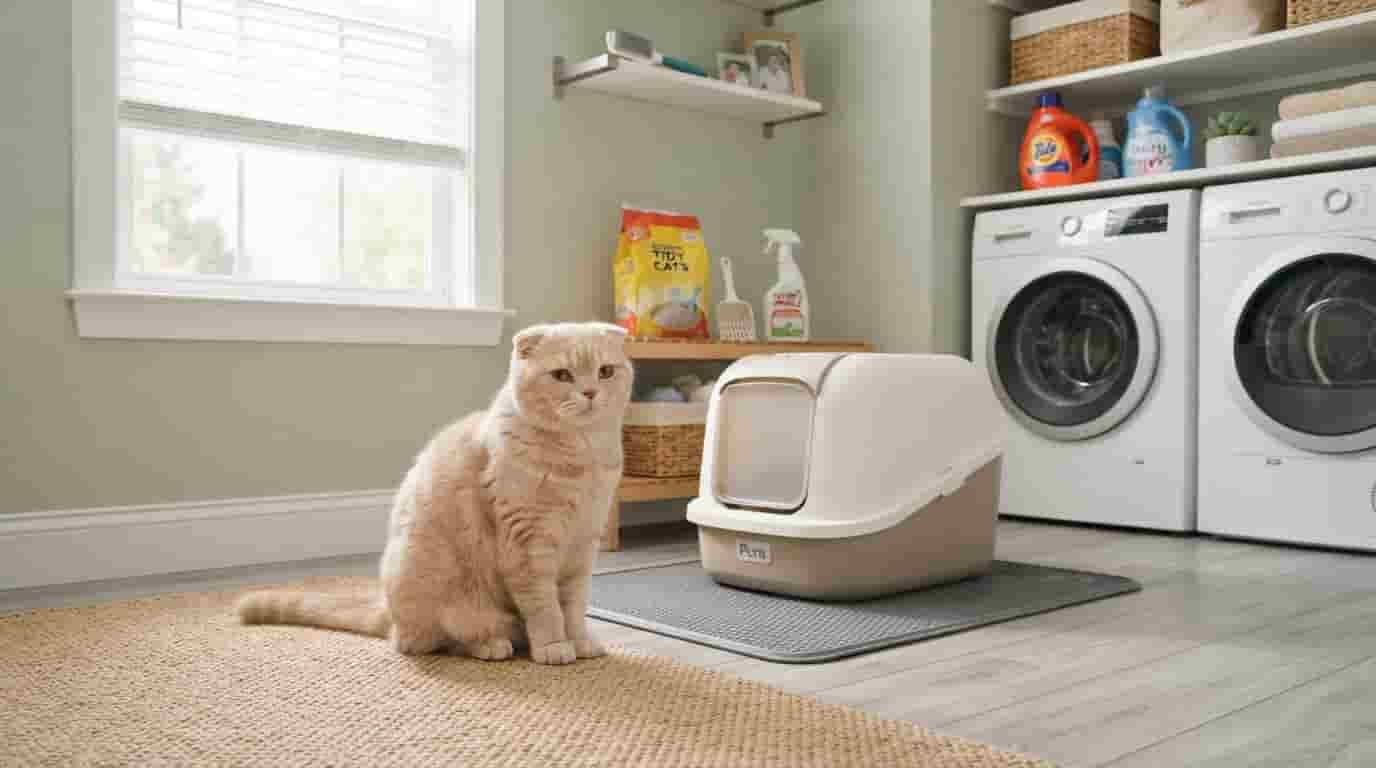
- Poor Location: Placing trays near clanking washing machines or high-traffic hallways creates anxiety.
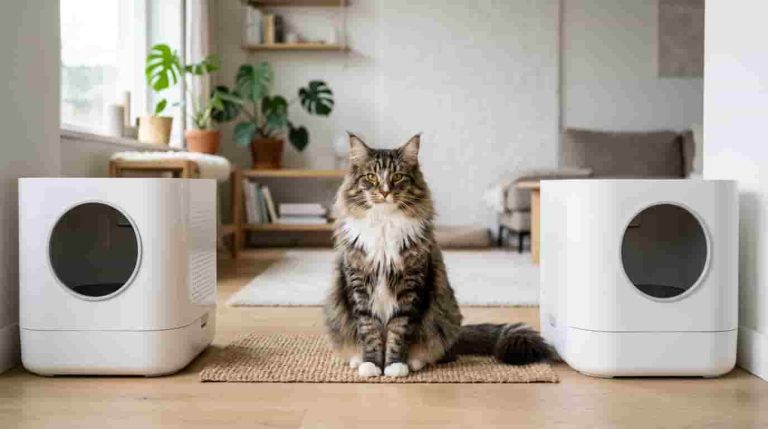
- Inadequate Box Count: Having too few boxes leads to rapid soiling and resource guarding in multi-cat homes.
To ensure your home has the proper number and arrangement of trays, refer to our detailed guide on How Many Litter Boxes Should You Have? The 1-Plus-1 Rule Explained
Why Is My Cat Peeing Outside the Litter Box All of a Sudden?
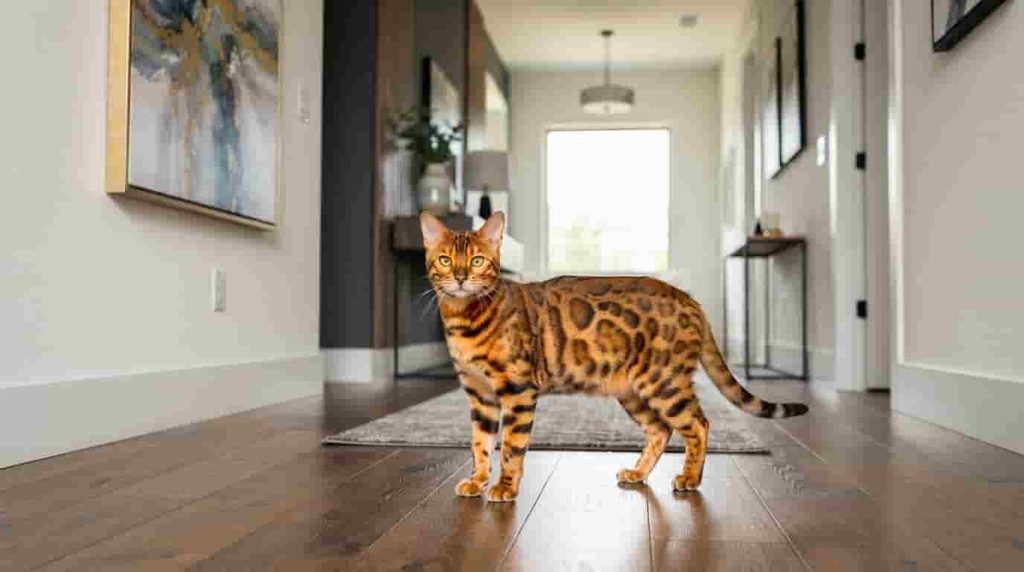
A sudden change in elimination habits is an urgent red flag. When a previously reliable cat begins urinating outside the box overnight, the cause is rarely gradual boredom—it typically points to acute medical pain or a sudden environmental disruption.
Common triggers for sudden inappropriate elimination include:
- Sudden Urinary Tract Inflammation: Conditions like FIC can flare up rapidly, causing intense pain and urgency.
- Abrupt Setup Changes: Switching litter brands, adding strong fragrances, or moving the box to a new room.
- New Household Members: Introducing a new pet, partner, or baby disrupts daily routines and territory.
- Environmental Stressors: Home renovations, loud noises, or visitors disturbing the cat’s quiet space.
A Quick Three-Question Check
When facing sudden house-soiling, run through this quick evaluation framework:
- Is your cat experiencing physical discomfort? Look for signs of straining, frequent box visits, or vocalizing while urinating.
- Did something change in your cat’s environment? Review recent shifts in household routine, visitors, or litter box maintenance.
- Is the avoidance selective or total? Determine whether your cat avoids the box everywhere or only under specific conditions.
Why Is My Cat Peeing Outside the Litter Box but Pooping in It?
It is common for a cat to deposit stool inside the litter tray while consistently urinating on carpets, furniture, or bath mats. This selective usage can confuse owners, but it highlights how cats view urination and defecation as distinct physiological and behavioral activities.
Key reasons for this split behavior include:
- Urinary Discomfort: Conditions like cystitis cause pain specifically during urination, driving the cat to associate peeing in the box with pain while still feeling safe enough to poop there.
- Postural Differences: Squatting to urinate may cause joint or abdominal discomfort that defecation does not trigger.
- Surface Preferences: Cats may prefer soft, absorbent fabrics for urine while tolerating litter granules for stool.
- Box Cleanliness: A box that already contains stool may have enough room left for defecation, but feel too dirty for the cat to squat and urinate.
If your cat exhibits the opposite problem—urinating inside the tray while leaving stool on your floor—read our focused guide on Why Does My Cat Poop on the Floor? Causes and How to Stop It
Is Your Cat Peeing Outside the Box Because of Stress?
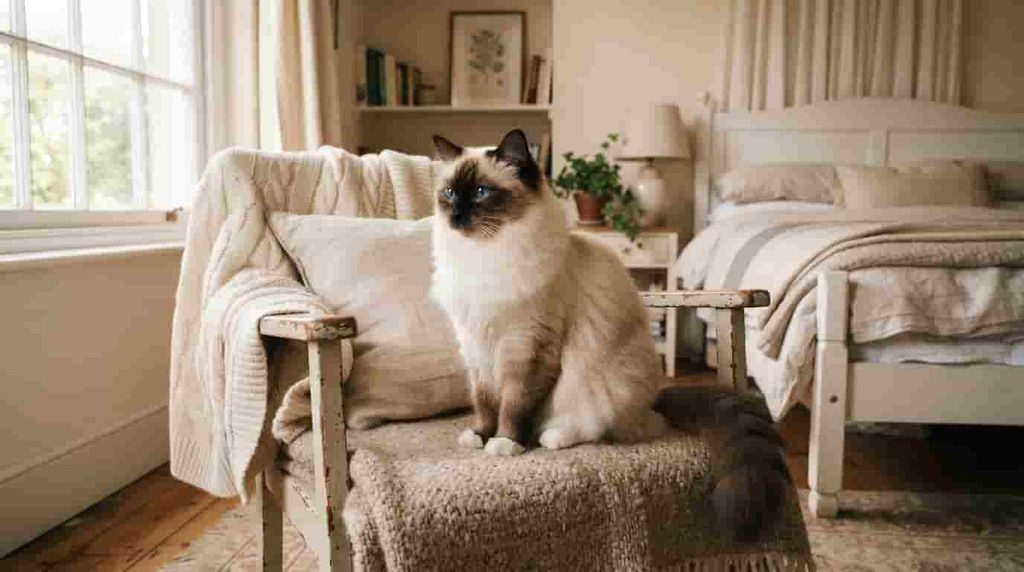
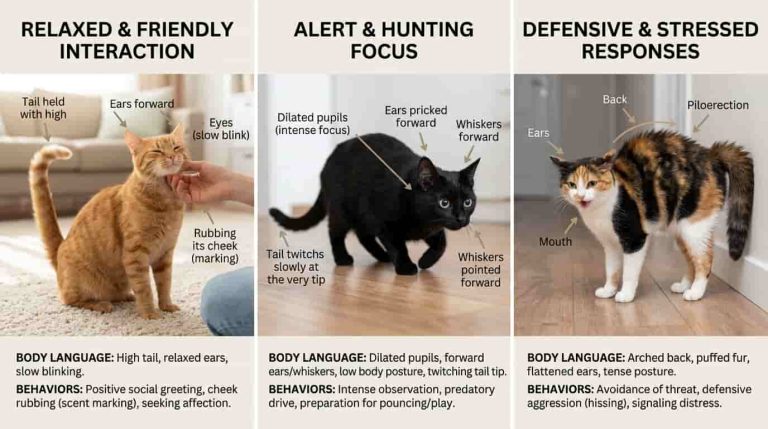
Feline stress is a leading contributor to litter box issues. Cats thrive on routine, predictability, and secure territory. When their environment feels unstable, their physiological stress response can trigger bladder inflammation (such as Feline Idiopathic Cystitis) or drive behavioral urine marking.
Common sources of household stress include:
- Inter-cat tension and resource competition in multi-pet homes
- Moving to a new house or undergoing home renovations
- Sudden changes in work schedules or owner availability
- Stray or outdoor cats visible through low windows
- Loss of an animal companion or family member
Managing Household Stress
To help reduce environmental anxiety and support your cat’s emotional stability:
- Establish Predictable Routines: Keep feeding, play, and grooming sessions on a consistent schedule.
- Provide Elevated Retreats: Install cat trees, window perches, or wall shelves so your cat can rest safely above household activity.
- Separate Essential Resources: Distribute food bowls, water stations, and litter boxes across different rooms to prevent resource guarding.
- Use Synthetic Pheromones: Plug in diffuse feline facial pheromones near preferred resting areas to encourage calm behavior.
Is My Cat Marking Territory or Simply Peeing?
Distinguishing between urine marking (spraying) and ordinary elimination is essential for choosing the correct resolution strategy. While both leave urine outside the tray, their behavioral motivations and physical presentations are very different.
- Ordinary Inappropriate Urination:
- Urine Volume: Large puddles; empties the bladder completely.
- Target Surface: Horizontal surfaces (rugs, bath mats, beds).
- Body Posture: Low squatting posture over the floor.
- Primary Intent: Relieving bladder pressure due to pain or aversion.
- Territorial Urine Marking:
- Urine Volume: Small deposits or light sprays.
- Target Surface: Vertical surfaces (walls, doorframes, couch backs).
- Body Posture: Standing upright, tail held high and quivering.
- Primary Intent: Leaving scent signals for communication and security.
What Can Trigger Urine Marking?
Urine marking is primarily driven by social and territorial stress:
- Intact reproductive status (unspayed females in heat or intact males)
- Seeing outdoor neighborhood cats near doors or windows
- Social tension or conflict with other indoor pets
- New scents brought into the home on shoes, bags, or furniture
- Sudden changes to the home’s layout or core territory
Can Spaying or Neutering Reduce Marking?
Spaying or neutering reduces hormone-driven urine marking in up to 90% of intact cats. Removing sex hormones eliminates the urge to advertise reproductive availability and mark territory against rivals.
However, if sterilization is performed after marking habits become ingrained, or if stress and inter-cat conflict persist, spayed or neutered cats may continue spraying. Consult your veterinarian to evaluate behavioral and medical options if marking continues after surgery.
Why Is My Cat Peeing Outside the Litter Box Even Though It’s Clean?
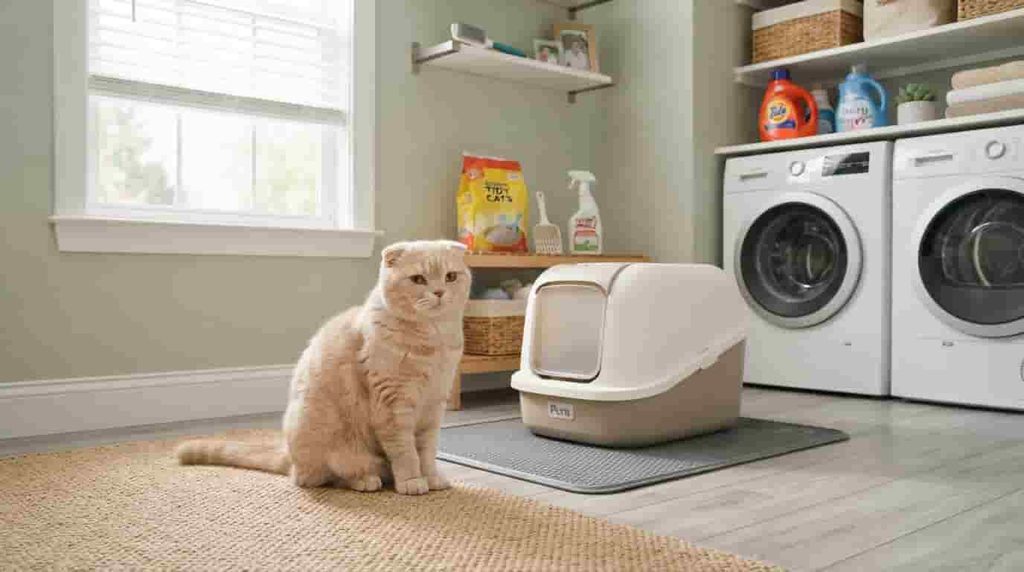
A freshly scooped box does not guarantee that your cat finds the setup acceptable. Cleanliness is only one element of litter tray satisfaction.
Your cat may reject a clean litter box due to these hidden setup issues:
- Unappealing Litter Texture: Coarse, sharp, or heavy litters that hurt sensitive paw pads.
- Overpowering Scents: Perfumes and deodorizers that irritate a cat’s nose.
- Inadequate Container Size: Small boxes that restrict easy turning and digging.
- Unsuitable Box Design: Covered hoods that trap dust, odors, and restrict sightlines.
- Poor Placement: Boxes located near noisy appliances or in dead-end corners where cats feel trapped.
If your cat refuses to step inside a clean box, read our guide on Why Does My Cat Suddenly Hate the Litter Box? Causes and Solutions
Why Is My Cat Peeing Outside the Litter Box in the Same Spot?
When a cat repeatedly targets one specific location—such as a hallway corner, bedroom rug, or living room chair—the behavior is usually driven by residual scent or established habit.
Primary reasons for same-spot target preference include:
- Residual Scent Triggers: Standard household cleaners often fail to break down uric acid crystals. Even when a carpet smells clean to humans, a cat’s keen sense of smell detects residual urine, signaling that the spot is an acceptable toilet.
- Established Surface Preference: Cats can build a strong preference for specific textures, such as plush rugs, laundry, or soft bath mats.
Why Is My Cat Peeing Outside the Litter Box and Acting Normal?
Cat owners are often confused when a pet pees on the floor but otherwise acts completely fine—eating, playing, and purring normally.
It is essential to know that cats instinctively hide illness. As both predators and prey in the wild, showing pain or vulnerability makes a cat a target. A cat experiencing early bladder inflammation, mild UTIs, or low-grade joint pain will often act completely normal until their condition becomes severe. Inappropriate elimination is frequently the very first warning sign your cat provides.
Why Is My Cat Peeing Outside the Litter Box and Throwing Up?
When inappropriate elimination occurs alongside vomiting, it indicates a serious underlying health concern that requires prompt veterinary attention.
Possible causes of combined vomiting and urination changes include:
- Systemic Kidney Disease: Impaired kidney function leads to toxin buildup, causing nausea, vomiting, and altered urination patterns.
- Severe Urinary Tract Infection: Widespread infection can cause systemic illness, fever, and vomiting.
- Urethral Obstruction: A blocked urinary tract causes severe pain, toxin accumulation, vomiting, and distress.
Why Is My Cat Peeing Outside the Litter Box and Not Eating?
A loss of appetite combined with house-soiling is a serious sign that your cat is in physical pain or severe distress.
Cats cannot fast safely; even two or three days without food can lead to fatty liver disease (hepatic lipidosis). If your cat stops eating while avoiding the litter box, schedule an urgent veterinary examination to identify internal pain, infections, or metabolic disease.
Why Is My Cat Peeing Outside the Litter Box in Front of Me?
Owners often interpret a cat urinating right in front of them as an act of deliberate defiance, anger, or spite. However, cats do not possess the complex emotional capacity for spite.
When a cat eliminates in your direct line of sight, it usually means:
- Sudden Bladder Urgency: Painful bladder spasms force the cat to eliminate immediately, regardless of where they are standing.
- Seeking Safety: The cat feels vulnerable due to pain or stress and seeks out your presence where they feel protected while urinating.
How Do I Make My Cat Stop Peeing Outside the Litter Box?
Solving inappropriate elimination requires a clear, step-by-step strategy:
1. Rule Out Medical Causes First
Schedule a veterinary exam including a full urinalysis to check for bacterial infections, crystals, bladder stones, and kidney function. Treating underlying medical issues is essential before behavioral changes can work.
2. Upgrade Your Litter Box Setup
- Increase Quantity: Follow the $N + 1$ rule (one box per cat, plus one extra).
- Improve Placement: Distribute trays across quiet, accessible rooms on every floor of your house.
- Switch to Unscented Litter: Use soft, fine-grained, clumping clay litter without artificial perfumes.
- Choose Open Trays: Provide large, uncovered boxes that allow clear sightlines and easy entry.
3. Clean Accident Areas with Enzymatic Cleaners
Clean every soiled spot with specialized enzymatic pet cleaners. These formulas break down uric acid crystals completely, eliminating deep scent markers that standard soaps leave behind.
4. Temporarily Restrict Access
Keep bedroom doors closed, lift bath mats off the floor, and cover sofas with plastic runners or throw blankets while your cat re-establishes consistent litter tray habits.
5. Reduce Environmental Stress
Maintain steady daily schedules, use synthetic pheromone diffusers, provide elevated perches, and minimize competition between household pets.
6. Address Soft Surface Preferences
If your cat targets soft fabrics like duvet covers or mattresses, review our detailed guide on Why Does My Cat Pee on My Bed? Causes and How to Stop It
What Should I Do if My Cat Keeps Peeing in the Same Place?
If your cat continues to target a specific spot, use this three-part approach:
- Saturate with Enzymatic Cleaner: Soak carpet padding, subfloors, or upholstery with an enzymatic cleaner to destroy all uric acid crystals.
- Change the Location’s Purpose: Place food dishes, treats, or toys directly over the cleaned spot. Cats instinctively avoid urinating where they eat and play.
- Add a Temporary Litter Box: Place a clean tray directly over the target spot. Once your cat uses it consistently, slowly shift the box a few inches each day toward your ideal location.
When Should I Be Concerned About My Cat Peeing Outside the Litter Box?
While every accident warrants investigation, certain clinical signs point to an acute medical emergency.
Seek immediate emergency veterinary care if you observe:
- Repeated Straining: Entering the box repeatedly while producing little or no urine.
- Vocalizing in Pain: Crying out, howling, or groaning while attempting to squat.
- Blood in the Urine: Pink, red, or dark discoloration on floors or inside the tray.
- Extreme Lethargy: Hiding, collapse, weakness, or persistent vomiting.
CRITICAL VETERINARY EMERGENCY:
A male cat that is straining, attempting to urinate repeatedly, and producing zero urine may suffer from a urethral blockage. This is a life-threatening emergency that can cause kidney failure and death within 24 to 48 hours. Seek emergency veterinary care immediately.
For further reference on feline urinary health, consult theCornell University College of Veterinary Medicineand theAmerican College of Veterinary Internal Medicine.
What Smell Do Cats Hate to Stop Peeing?
Many owners turn to harsh deterrent smells—such as citrus sprays, vinegar, essential oils, or cayenne pepper—to stop cats from peeing in specific areas. However, feline behaviorists advise against using strong deterrent scents.
Relying on deterrent scents often backfires because:
- Harsh smells elevate feline stress, increasing the urge to mark territory.
- Many essential oils (such as tea tree, eucalyptus, and citrus) are toxic to cats.
- Strong deterrents only drive the cat to select a different room or carpet for elimination.
Instead of applying deterrent smells, focus on using enzymatic cleaners to remove scent markers, improving your litter box setup, and resolving underlying stress.
Common Mistakes That Can Make Litter Box Problems Worse
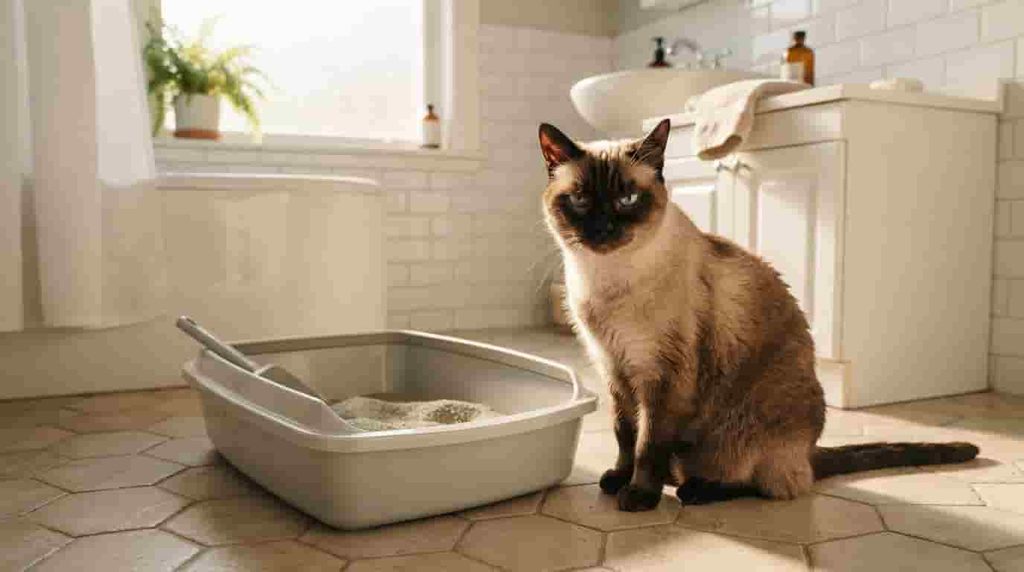
- Punishing the Cat
- Why It Harms Progress: Yelling, rubbing their nose in urine, or squirting water increases fear and stress, making accidents worse.
- Feline-Friendly Alternative: Never punish your cat. Focus on identifying medical and setup causes.
- Assuming Spite
- Why It Harms Progress: Viewing accidents as spiteful behavior prevents owners from addressing true pain, stress, or aversion triggers.
- Feline-Friendly Alternative: Recognize house-soiling as a clear signal of physical or emotional distress.
- Cleaning with Ammonia
- Why It Harms Progress: Ammonia smells similar to urine components, attracting cats back to the same spot.
- Feline-Friendly Alternative: Use enzymatic cleaners that digest uric acid crystals completely.
- Changing Everything at Once
- Why It Harms Progress: Abruptly changing litter brands, tray styles, and locations simultaneously overwhelms stressed cats.
- Feline-Friendly Alternative: Introduce setup changes gradually over 7 to 10 days.
- Ignoring Repeated Accidents
- Why It Harms Progress: Delaying action allows house-soiling to become an ingrained habit that is harder to break.
- Feline-Friendly Alternative: Consult your veterinarian at the first sign of elimination changes.
A Simple Litter Box Troubleshooting Checklist
Use this checklist to systematically identify the cause of inappropriate elimination:
- [ ] Has my cat been evaluated by a veterinarian for UTIs, cystitis, or bladder stones?
- [ ] Am I providing enough boxes using the $N + 1$ rule (one box per cat, plus one extra)?
- [ ] Are litter trays distributed across quiet areas on every floor of the home?
- [ ] Am I scooping every box at least once or twice daily?
- [ ] Is the litter unscented, soft, and fine-grained?
- [ ] Are the litter boxes uncovered, large, and easy for my cat to step into?
- [ ] Have all accident areas been cleaned with an enzymatic pet cleaner?
- [ ] Is my cat showing signs of physical pain, straining, or frequent box visits?
- [ ] Have there been recent household changes, new pets, visitors, or schedule shifts?
- [ ] Is another pet guarding access to the litter box locations?
Hypothetical Example: Finding the Real Trigger
To understand how environmental triggers create litter box issues, consider this scenario:
The Situation: Mark owns a 4-year-old indoor cat named Oliver, who had used his litter tray in the basement laundry room for years. Suddenly, Oliver began urinating on the living room rug while continuing to poop in his basement tray.
The Investigation: Mark assumed Oliver was acting out. However, reviewing recent changes revealed that Mark had recently adopted a second cat, Milo. Milo frequently rested on the basement stairs, blocking Oliver’s path to the laundry room.
The Diagnostic Realization: Oliver wasn’t being spiteful. When he needed to urinate, passing Milo felt intimidating, so he selected the living room rug instead. Because he only needed to poop once a day, he waited until Milo was sleeping elsewhere to use the basement box.
The Resolution: Mark added two open litter boxes on the main floor in quiet, separate areas. He also took Oliver to the vet to confirm no secondary stress-induced cystitis had developed. Once main-floor access was restored, Oliver stopped urinating on the carpet immediately.
How to Prevent Your Cat From Peeing Outside the Litter Box Again
Once you have resolved your cat’s house-soiling issue, maintain these preventive habits to protect your home and support your cat’s health:
- Maintain Consistent Hygiene: Scoop every tray daily and perform a complete litter wash and refresh every 2 to 4 weeks.
- Avoid Sudden Changes: Transition to new litter types or box designs slowly by mixing old and new litters over 7 to 10 days.
- Keep Resources Accessible: Ensure older or arthritic cats have low-entry trays on every floor they use.
- Manage Household Stress: Provide elevated hideaways, maintain predictable routines, and use pheromone diffusers during transitions.
- Schedule Regular Vet Exams: Include urinalysis in annual wellness checks to spot urinary issues early.
Related Cat Litter Box Problems Worth Reading
Expand your feline health and behavior knowledge with our detailed supporting guides:
- Why Does My Cat Suddenly Hate the Litter Box? Causes and Solutions: Explore box aversion, litter preferences, and spatial factors.
- How Many Litter Boxes Should You Have? The 1-Plus-1 Rule Explained: Learn how to calculate the ideal tray count for single and multi-cat homes.
- Why Does My Cat Pee on My Bed? Causes and How to Stop It: Discover targeted solutions for bed, blanket, and duvet accidents.
- Why Does My Cat Poop on the Floor? Causes and How to Stop It: Learn how to solve non-urinary elimination problems on household floors.
Frequently Asked Questions About Cats Peeing Outside the Litter Box
Why is my cat suddenly peeing outside the litter box?
Sudden inappropriate elimination is usually triggered by acute urinary discomfort (such as a UTI or cystitis), abrupt environmental changes, or sudden litter box aversion. Schedule a veterinary checkup to rule out pain before making behavioral adjustments.
Why does my cat pee outside the litter box but poop in it?
Urination and defecation involve different postures and physical demands. Painful conditions like cystitis cause acute discomfort specifically during urination, leading cats to associate peeing in the box with pain while continuing to use it for stool.
Why is my cat peeing outside the litter box while in heat?
Female cats in heat experience strong hormonal urges to advertise their reproductive availability to males. This behavior is typically territorial urine marking rather than simple litter box refusal.
Why is my cat peeing outside the litter box after being spayed or neutered?
Post-operative stress, lingering surgical soreness, or temporary bladder irritation from catheters can cause short-term house-soiling. If the behavior continues past recovery, evaluate environmental stress or medical factors with your vet.
How do I stop my cat from peeing outside the litter box?
First, rule out medical issues with your veterinarian. Next, increase your box count following the $N + 1$ rule, switch to unscented clumping litter, clean soiled areas with enzymatic cleaners, and reduce household stress. Never punish your cat for accidents.
Conclusion — Helping Your Cat Return to the Litter Box
Why Is My Cat Peeing Outside the Litter Box is a question with clear, resolvable answers. By recognizing that house-soiling is a symptom of physical discomfort, environmental stress, or setup dissatisfaction—rather than spite—you can take effective steps to support your pet.
Start by ruling out medical pain with your veterinarian. Then, refine your setup by providing clean, accessible trays, using unscented clumping litters, and deep-cleaning accident spots with enzymatic products. With patience, consistent habits, and a supportive environment, you can restore your cat’s confidence and protect your home.
Has your cat ever struggled with peeing outside the litter box? What setup changes or veterinary treatments helped resolve the issue in your home? Share your stories and tips in the comments below to help other pet parents!