Cat Depression Symptoms: How to Tell if Your Pet Is Feeling Sad
Introduction:
Cat depression symptoms can appear suddenly and leave pet parents feeling incredibly worried about their furry family member. Have you noticed that your usually playful feline is suddenly acting distant, sluggish, or unusually quiet? Many people assume that domestic felines never experience deep emotional struggles because they seem so independent. However, our beloved pets can experience genuine emotional distress due to routine changes, loss, or underlying medical issues. Recognizing these subtle shifts early helps you provide the right comfort and care when your companion needs it most.
Understanding the unique nuances of cat mental health is essential for every responsible owner today. Small changes in your daily home environment can trigger significant cat mood changes that affect their overall well-being. Additionally, a sad pet cannot voice their feelings, so they rely on behavioral clues to communicate distress. If you observe your pet closely, you can easily identify the warning signs of a sad cat. For instance, you can monitor their physical signals by reviewing our guide on Cat Tail Positions: A visual guide to cats moods.
Recognizing Cat Depression Symptoms in Daily Habits

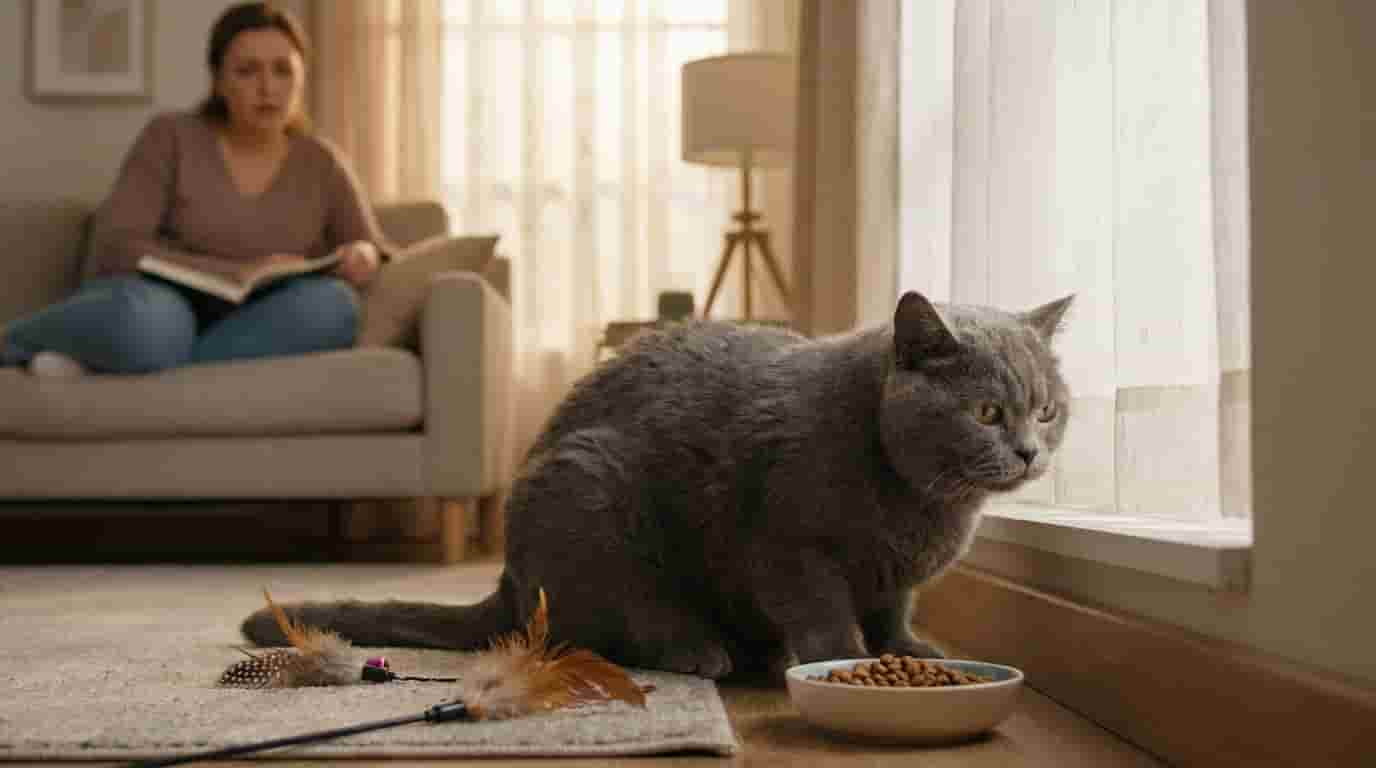
Changes in daily routines often serve as the first major indicator of cat mental health issues. A primary sign includes a sudden loss of interest in favorite toys, tasty treats, or interactive playtime. Additionally, depressed cat behaviors frequently involve drastic changes in regular sleeping patterns and overall energy levels. Your feline might sleep all day or refuse to leave their favorite hiding spot beneath your bed.
Severe social withdrawal often accompanies these sleeping changes, as your pet actively avoids interacting with family members. They may choose to stay in dark closets or under furniture for many hours at a time. This profound isolation is a major clue when you are evaluating their mental well-being.
Another critical area to monitor is their daily grooming habits and physical self-care routines. For example, a happy cat spends hours keeping their beautiful coat clean, sleek, and perfectly groomed. In contrast, a downcast kitty may completely neglect their fur, which leads to unsightly matting and grease. Furthermore, some felines experience the opposite problem and obsessively lick their skin until bald patches appear. This overgrooming often signals deep stress or severe anxiety.
If you notice your pet withdrawing from social spaces, you should investigate further. You can learn more about this by reading our article on Cat Hiding Behavior: When to worry if your cat staying out of sight. Recognizing these shifts helps you address the root cause of their emotional struggle quickly.
Understanding Feline Depression Signs Through Vocalization

Monitoring your pet’s voice provides excellent clues about their current state of mind and comfort level. Many owners notice distinct vocal changes when identifying cat emotional distress in their household. For instance, a quiet cat might suddenly start yowling loudly and constantly throughout the night. Conversely, an exceptionally vocal pet might become completely silent and stop greeting you at the front door.
These sudden sound changes usually indicate that your pet feels unsafe, lonely, or physically uncomfortable. Therefore, you must pay attention to any new noises that your feline companion makes. For example, constant low-pitched crying often points toward profound cat sadness symptoms or grief. Also, these mournful sounds can mean your pet misses a companion who recently moved away or passed away.
Exploring the Common Causes of Mental Health in Cats
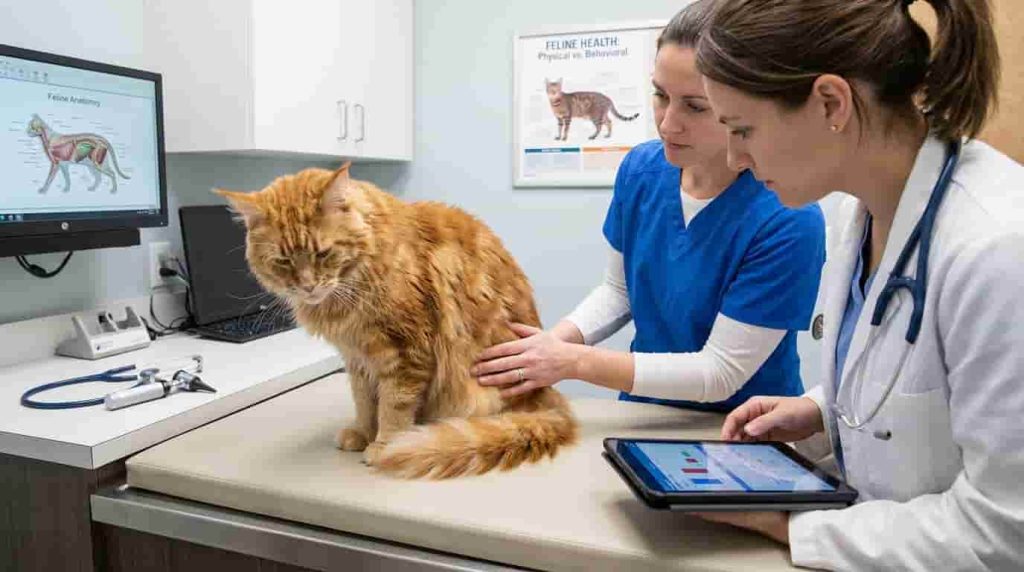
Understanding the primary triggers for mental health in cats allows you to prevent emotional distress before it begins. Major life changes frequently disrupt a feline’s sense of security and happiness. For example, moving to a new apartment or rearranging heavy furniture can cause severe anxiety. Environmental changes can also cause a loss of territory, as unfamiliar home scents disturb their peaceful mindset. Additionally, the loss of a human family member or a fellow pet can trigger intense cat grieving signs.
A great real life example involves a dedicated cat owner named Jennifer and her rescue cat, Milo. Jennifer started working long office hours last spring after spending two full years working from home. Suddenly, Milo exhibited classic signs of depression in cats by ignoring his meals and scratching the sofa. He also stopped performing the sweet gestures that indicated happiness and affection. Jennifer learned that Milo was suffering from severe loneliness and separation anxiety due to her long absence.
To resolve this issue, she started leaving interactive puzzle toys around the house to keep Milo busy. She also made sure to spend twenty minutes playing with him every single evening. As a result of these small changes, Milo slowly regained his joyful spirit and playful energy. You can strengthen your bond during recovery by practicing techniques found in Cat Slow Blinking: The secret way cats say I love you.
Physical Health Problems That Mimic Cat Sadness Symptoms
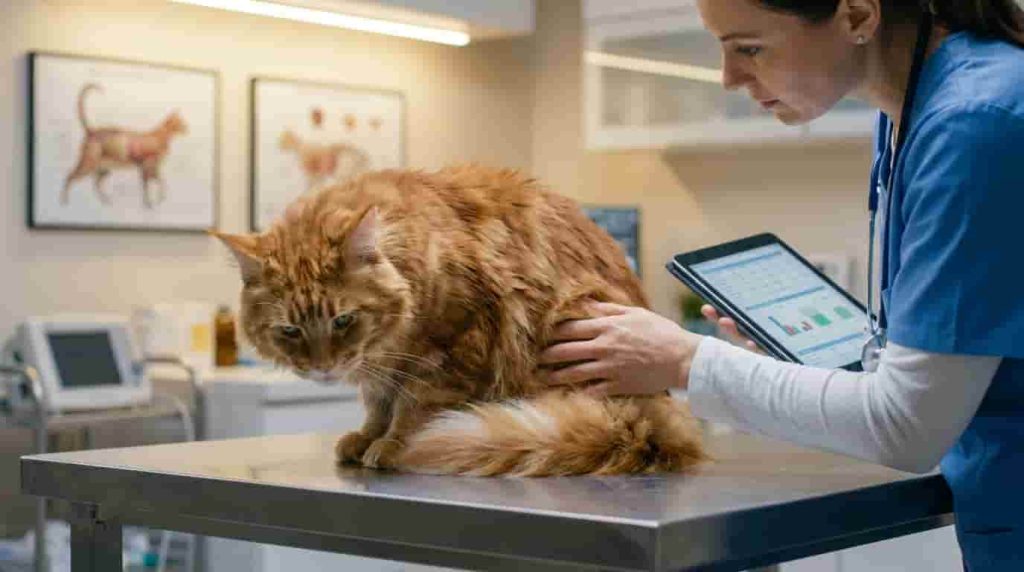
Pet parents must always remember that physical pain looks exactly like emotional distress in domestic felines. According to medical experts at PetMD, underlying illnesses often cause drastic cat behavior changes. Diseases like arthritis, kidney failure, or dental infections make cats act incredibly sluggish and detached. Therefore, you should never assume a quiet cat is simply feeling sad or bored.
You must schedule a complete veterinary exam to rule out hidden physical ailments immediately. A veterinarian can perform necessary blood tests and x-rays to ensure your pet is perfectly healthy. If the doctor finds a medical issue, treating the pain will usually fix the behavior. However, if the veterinarian gives a clean bill of health, you can safely focus on emotional therapy.
Simple Steps for Effective Cat Depression Treatment

Helping your pet recover from emotional distress requires patience, consistency, and plenty of love. First, you should establish a predictable daily schedule for feeding, playing, and grooming your feline friend. Cats crave routine because knowing exactly what happens next makes them feel safe and secure. Therefore, you must feed them at the same time every morning and evening without exception.
Next, you should increase environmental enrichment throughout your living space to boost their mood. You can install a tall cat tree near a sunny window so your pet can watch outdoor birds. Additionally, you can hide small treats around the living room to stimulate their natural hunting instincts. These fun activities provide excellent mental stimulation and help eliminate common cat loneliness signs.
Finally, you must spend quality time interacting with your pet using feather wands or laser pointers. Positive reinforcement and gentle praise can praise your kitty out of their dark mood. If the depression remains severe, your veterinarian might recommend temporary anxiety medications to assist the recovery process.
Conclusion
In conclusion, recognizing cat depression symptoms early allows you to provide the essential comfort your pet deserves. By tracking subtle cat behavior changes, you can easily determine how to tell if your cat is depressed. Providing a stable routine, plenty of playtimes, and veterinary care will help your friend feel secure again. Your patience and love will guide your feline companion back to a happy, healthy, and vibrant life.
Have you ever noticed your pet acting sad after a big household change? What strategies did you use to help your feline friend feel happy again? Please share your helpful stories and tips in the comments section below!
Frequently Asked Questions
You can look for signs like lethargy, loss of appetite, and withdrawal from social contact. Because illness mimics depression, you must visit a veterinarian to check for hidden pain first. A doctor can accurately diagnose the true cause of your pet’s behavioral changes.
Yes, cats can experience severe loneliness and boredom when their owners work long hours away from home. You can reduce this distress by providing fun puzzle toys and window perches for entertainment. Spending quality time with your pet every evening also helps maintain their emotional health.
The duration depends entirely on the root cause of the distress and the treatment provided. A cat grieving the loss of a companion may take several months to adapt completely. However, increasing playtime and keeping a strict routine can speed up the healing process significantly.