What Is the Laziest Cat Breed? 10 Calm and Easygoing Breeds
1. Introduction: What Is the Laziest Cat Breed?
What Is the Laziest Cat Breed? For many prospective pet parents, the dream companion is a feline friend who prefers a sunny nap on the sofa over scaling curtains or sprinting across the room at 3 a.m. While some cat breeds are famously relaxed, calm, and low-energy, it is important to understand that a “lazy” cat label usually means easygoing and peaceful rather than completely inactive or unengaged. Individual personality, age, health status, and household environment all play massive roles in how active a cat turns out to be.
Crucially, a relaxed or low-energy cat should never be mistaken for an unhealthy cat. In this comprehensive guide, readers will explore:
- Which cat breeds are genuinely known for calm, mellow personalities
- How to choose among low-energy options based on lifestyle compatibility
- The difference between true low activity, boredom, and lethargy
- What owners must know about exercise, weight management, and daily enrichment
By examining these factors, future pet parents can find an easygoing companion that perfectly matches their home environment.
2. What Is the Laziest Cat Breed?

Direct Answer
When people search for the absolute laziest cat breed, the Ragdoll and the Persian consistently top the list. These breeds are legendary for their relaxed demeanor, often going limp with relaxation when held or sprawling out comfortably in the middle of a room. They genuinely prefer gentle lounging, consistent human companionship, and quiet spaces over high-octane acrobatic stunts. However, no breed comes with a blanket guarantee that every individual kitten will grow up to be a total couch potato.
Why “Lazy” Can Mean Different Things
The term “lazy” in the feline world usually refers to several specific behavioral traits:
- Extended sleep schedules: Sleeping peacefully for longer stretches throughout the day.
- Preference for gentle play: Enjoying short bursts of wand-toy action rather than relentless, high-intensity hunting behavior.
- Appreciation for comfort: Favoring warm laps, plush cushions, and tranquil household environments.
- Calm composure: Remaining steady and undisturbed by everyday household movements.
Important Distinction: Relaxed vs. Lethargic
Naturally low-energy behavior is entirely different from sudden lethargy. A relaxed cat is alert, eats well, uses the litter box normally, and greets its owners with quiet affection. If an ordinarily mellow cat suddenly stops moving, loses interest in food, or acts weak, it requires immediate veterinary attention rather than being dismissed as just “lazy.”
3. The 10 Best Lazy Cat Breeds
While every cat possesses a unique personality, these 10 breeds are widely recognized for their calm, easygoing, or moderate-to-low energy levels.
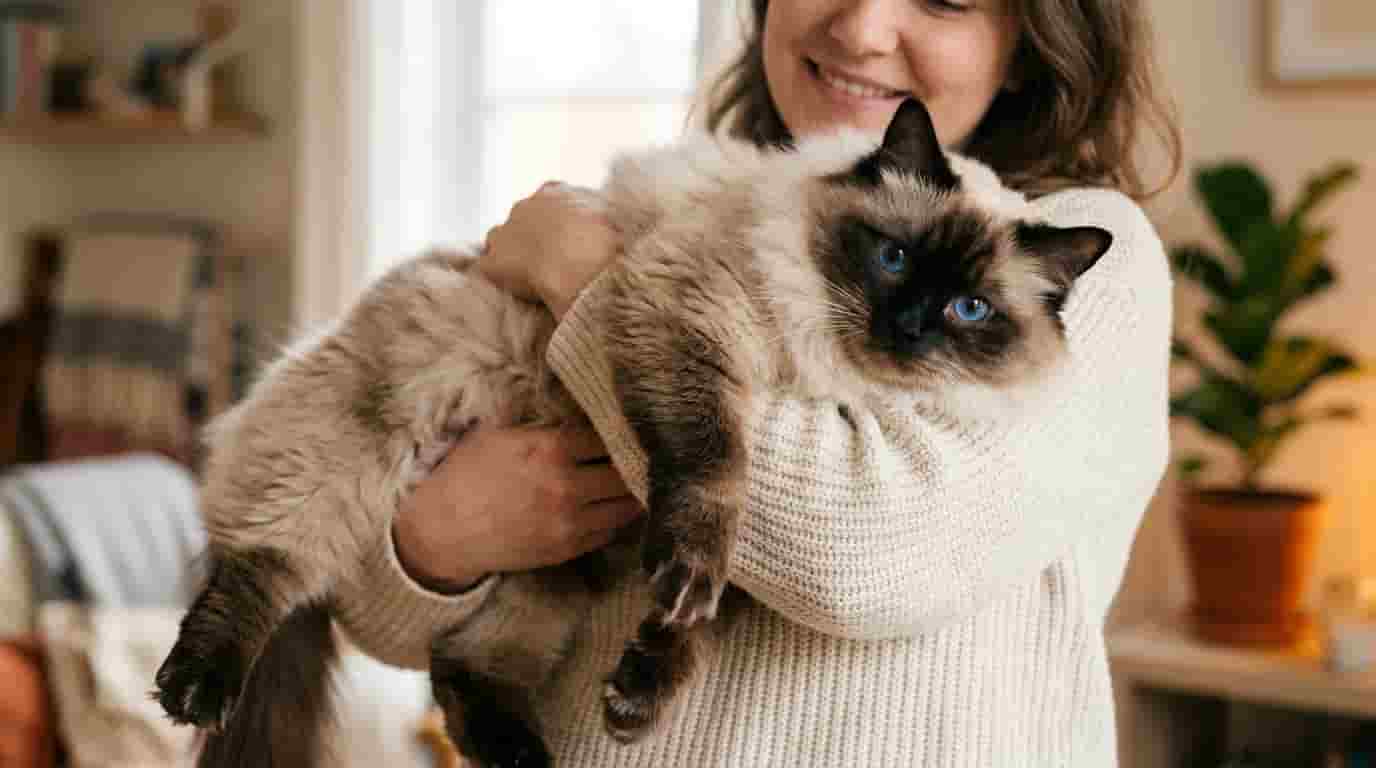
1. Ragdoll
- Nature: Exceptionally calm, sweet-tempered, and affectionate.
- Behavior: Often follows owners from room to room and goes limp with pleasure when cradled in your arms.
- Activity level: Moderate to low; prefers gentle play and relaxing close to family members.
2. British Shorthair
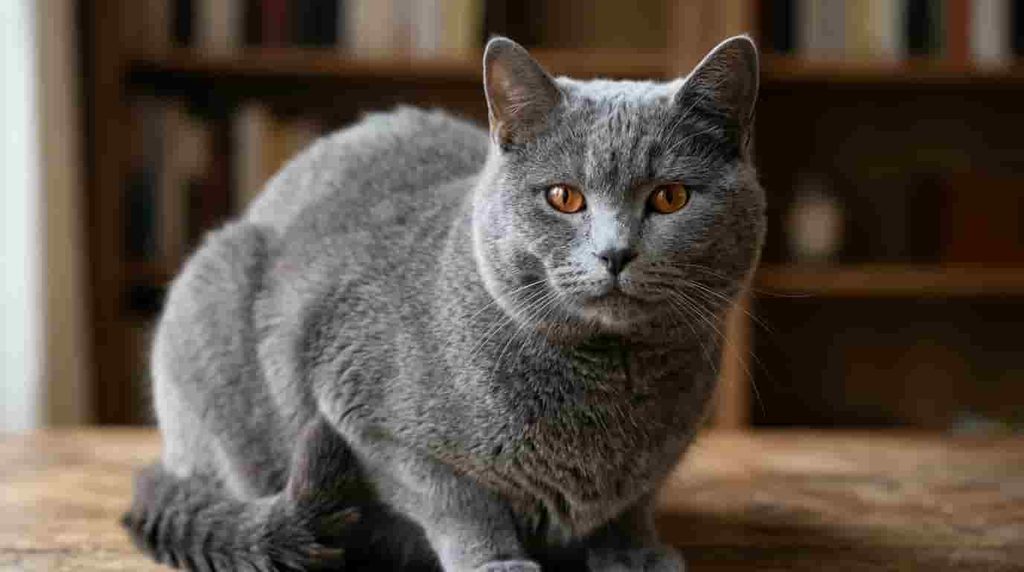
- Nature: Quiet, dignified, independent, and steady.
- Behavior: Enjoys being in the same room as its people without demanding constant physical contact or high-energy entertainment.
- Activity level: Low; has a stocky build that requires careful weight monitoring to prevent sluggishness.
3. Persian
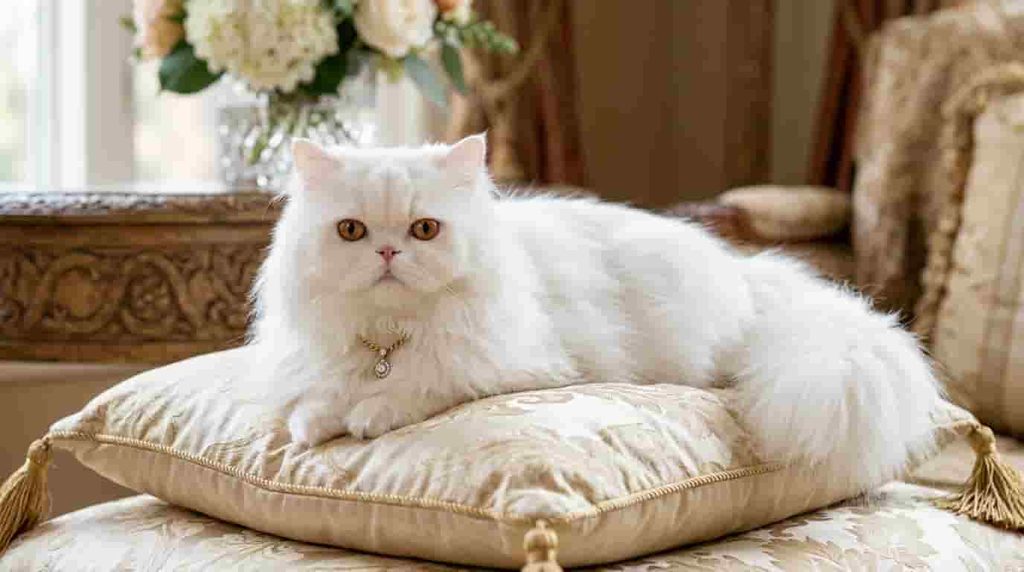
- Nature: Peaceful, quiet, and deeply serene.
- Behavior: Prefers a predictable, quiet environment and spends hours lounging in favorite resting spots.
- Activity level: Very low, though its luxurious coat requires daily grooming, proving that low energy does not mean zero maintenance.
4. Exotic Shorthair
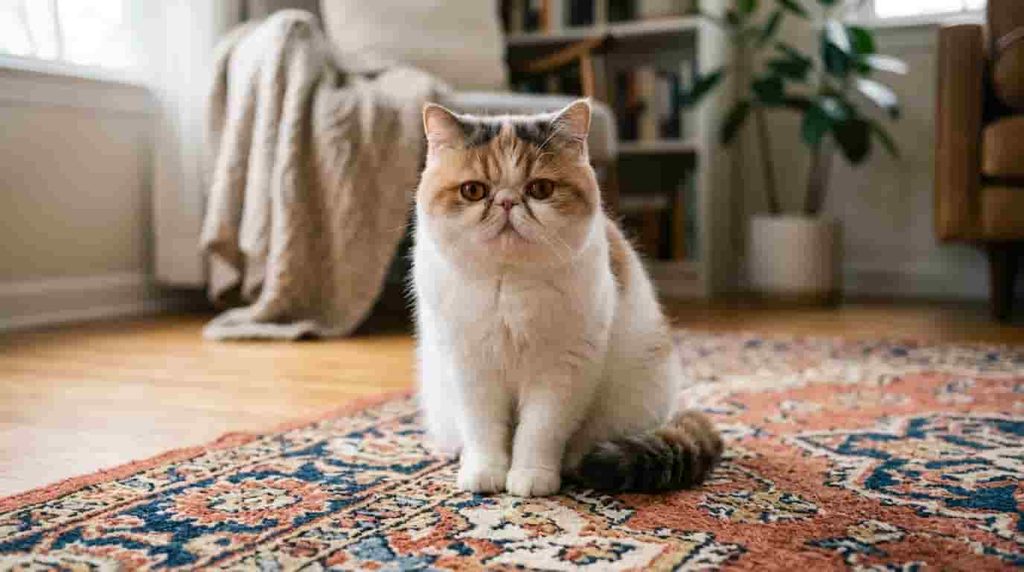
- Nature: Sweet, gentle, and affectionate, often described as a “lazy man’s Persian.”
- Behavior: Shares the peaceful, easygoing temperament of the Persian but features a shorter, plush coat that requires less intensive grooming.
- Activity level: Low to moderate.
5. Scottish Fold

- Nature: Sweet-natured, adaptable, and charming.
- Behavior: Enjoys interacting with family members in a quiet, unhurried manner.
- Activity level: Low; owners must select responsibly bred cats and watch for joint sensitivities linked to folded-ear genetics.
6. Russian Blue
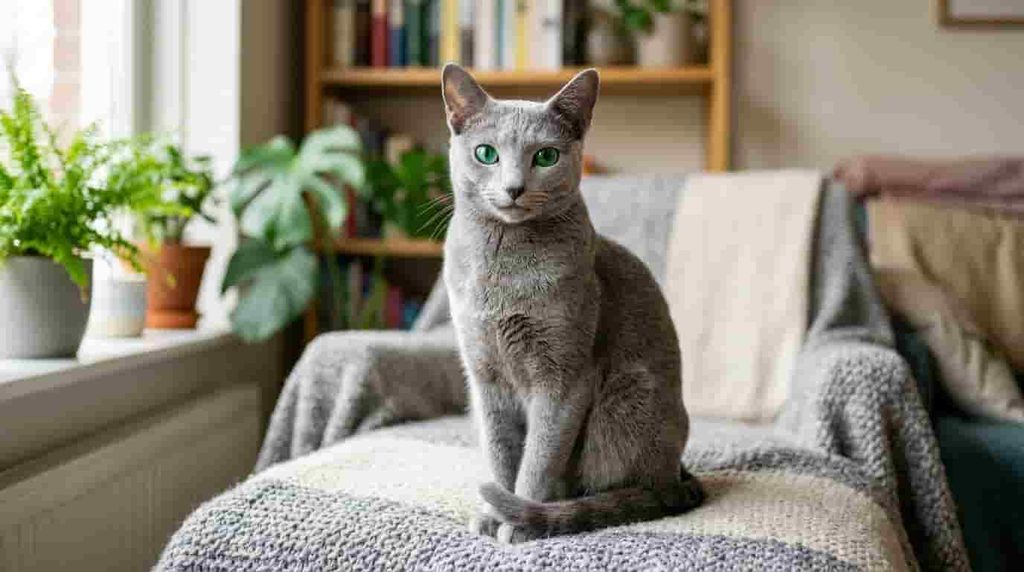
- Nature: Gentle, reserved, and quiet.
- Behavior: While capable of playful bursts, this breed thrives on predictable routines, peaceful environments, and quiet companionship.
- Activity level: Moderate, though their reserved nature makes them feel calm and unobtrusive in the home.
7. Birman
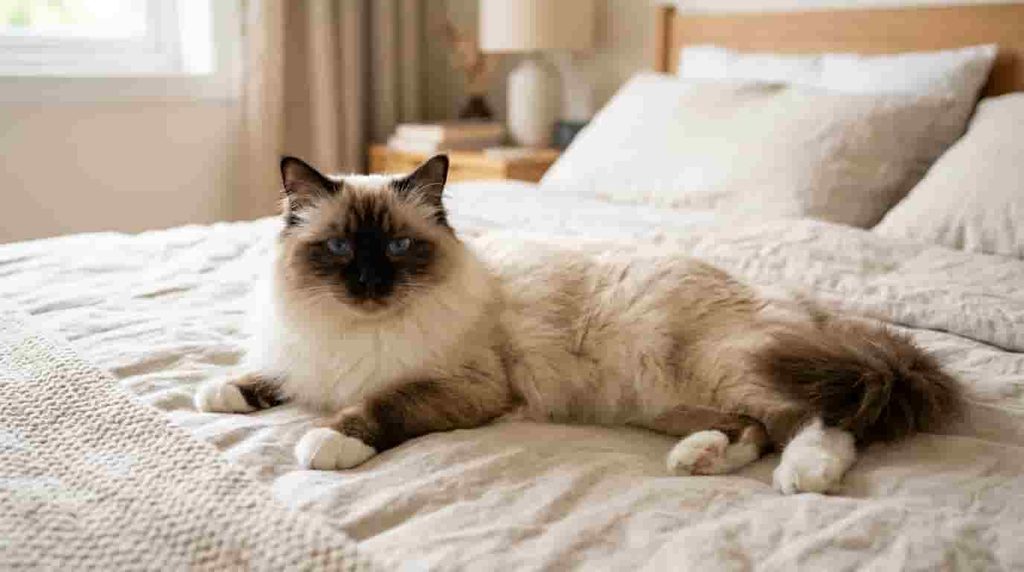
- Nature: Affectionate, gentle, and quietly sociable.
- Behavior: Enjoys human company, lap-sitting, and moderate interactive play without ever becoming overly demanding or hyperactive.
- Activity level: Low to moderate.
8. Chartreux
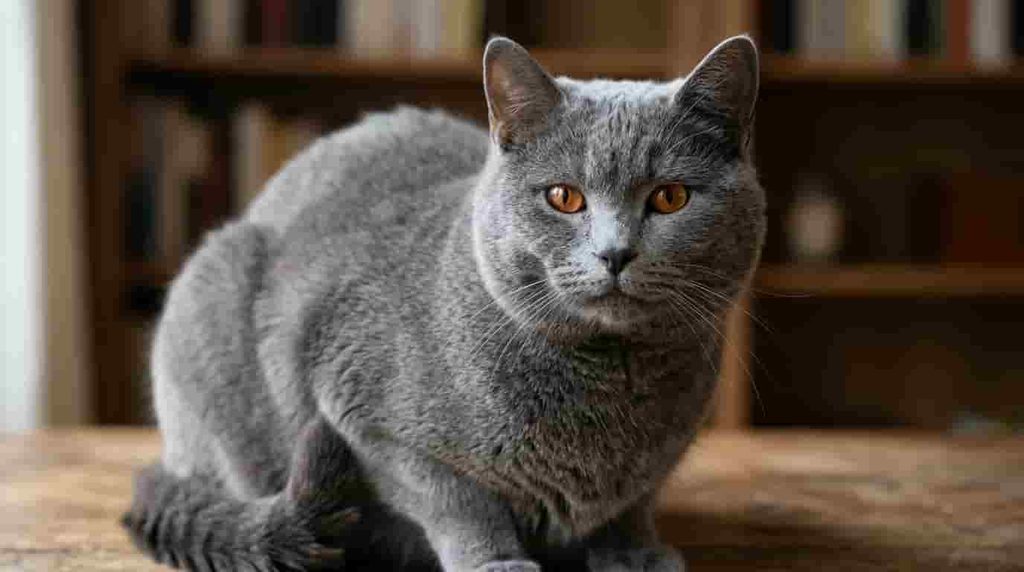
- Nature: Quiet, intelligent, and famously laid-back.
- Behavior: Often communicates with quiet chirps rather than loud meows and adapts smoothly to indoor living.
- Activity level: Low to moderate; enjoys observing household activities from a comfortable perch.
9. American Shorthair
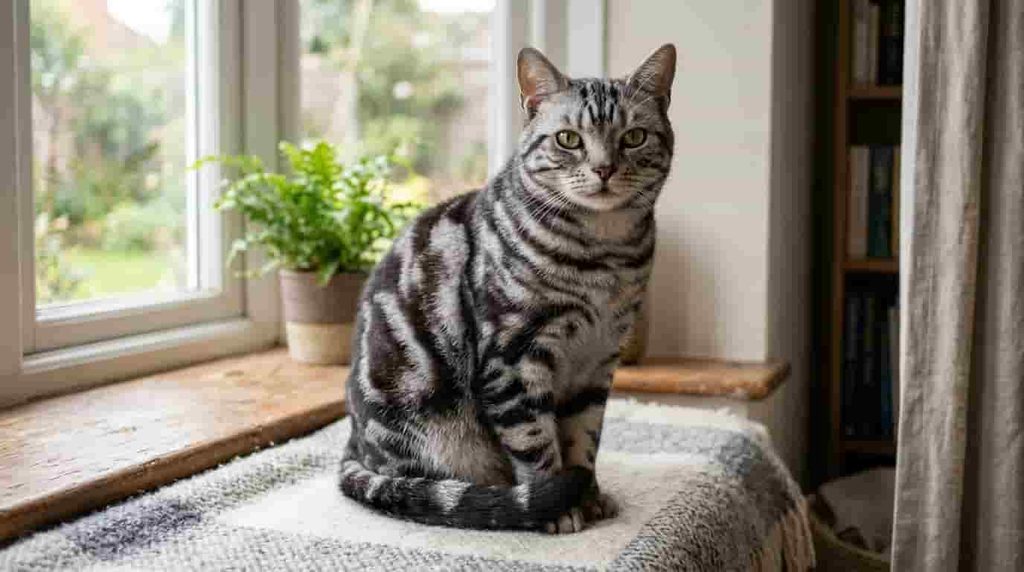
- Nature: Easygoing, balanced, and adaptable.
- Behavior: Strikes a healthy middle ground—calm enough to relax on the couch for hours, yet sturdy and playful when presented with a toy.
- Activity level: Moderate.
10. Maine Coon
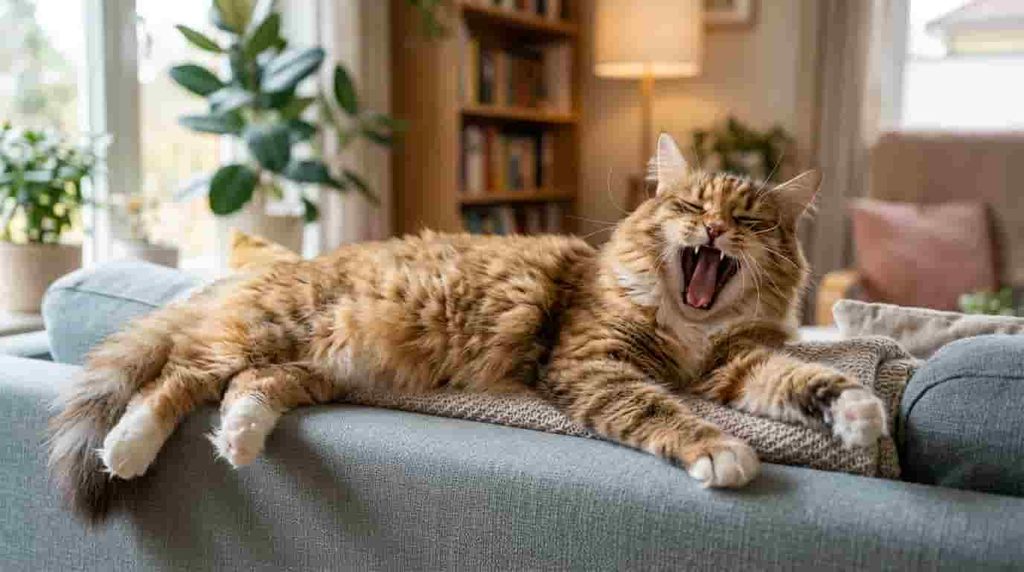
- Nature: Gentle giants with a famously relaxed attitude.
- Behavior: Despite their massive size, they are patient, friendly, and surprisingly laid-back.
- Activity level: Moderate; they do require regular play and mental stimulation despite their gentle disposition.
4. What Cat Breeds Are Lazy Compared With Highly Active Breeds?
Traits Common in Laid-Back Cat Breeds
- Content spending hours resting indoors without pacing or crying.
- Lower demand for constant physical engagement or complex puzzle challenges.
- Calm, steady reactions to visitors, loud noises, or everyday home activity.
- Appreciation for structured daily routines.
Traits of More Active Cat Breeds
- Breeds like Bengals, Abyssinians, or Siamese demand frequent interactive play, high climbing perches, and constant mental stimulation. They thrive on exploration and can become destructive if bored.
Decision Guidance

Choosing a cat should always come down to matching your personal lifestyle rather than picking the absolute least active animal on paper. Even a calm cat benefits immensely from a few minutes of daily interactive play.
5. Which Cat Breed Ises the Most Laid-Back?
When comparing top contenders for the title of most laid-back, the Ragdoll and the Persian frequently stand out, though they differ in care requirements. While a Persian demands daily combing to keep its coat mat-free, a Ragdoll requires slightly less coat maintenance while offering maximum cuddle potential.
For readers looking for peaceful companions, exploring options like What Is the Calmest Cat Breed? 10 Peaceful Breeds to Consider
helps clarify the subtle differences between a calm temperament and overall low physical activity.
6. What Is the Best Cat for a Lazy Person?
A common misconception is that a “lazy” or low-energy cat requires zero effort from its owner. In reality, every feline companion depends on humans for basic welfare. Even the most laid-back couch potato cat needs:
- Fresh water and balanced nutrition tailored to prevent obesity
- Clean, easily accessible litter boxes
- Daily interactive play to maintain joint health and muscle tone
- Mental enrichment through window perches or safe scratching posts
- Routine veterinary checkups
A busy or relaxed owner will find that breeds with moderate independence, such as the British Shorthair or Russian Blue, fit harmoniously into a low-stress routine.
7. Best Couch Potato Cat Breeds: What Makes a Cat Low-Energy?
Age
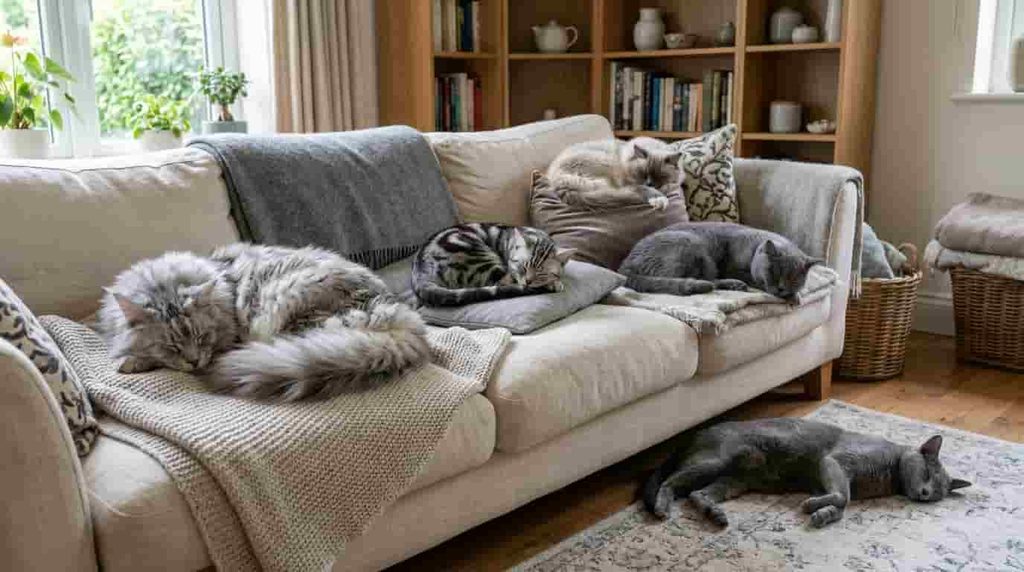
Kittens of any breed are bundles of chaotic energy. Adult and senior cats naturally slow down, spending significantly more time resting.
Individual Personality
Genetics provide a baseline, but individual temperament varies wildly. Two littermates from a calm breed can exhibit completely different energy levels.
Environment
An enriching indoor environment with cozy resting spots, vertical territory, and safe sunbeams encourages a cat to relax comfortably.
Health and Body Condition
Overweight cats are often mistakenly labeled as “lazy” when they are actually lethargic due to excess weight or underlying physical discomfort.
Daily Routine
Consistent feeding and play schedules help calm cats feel secure, reducing anxiety-driven pacing or restless behavior.
8. Lazy Cat Breeds That Don’t Shed: Is There a Good Option?
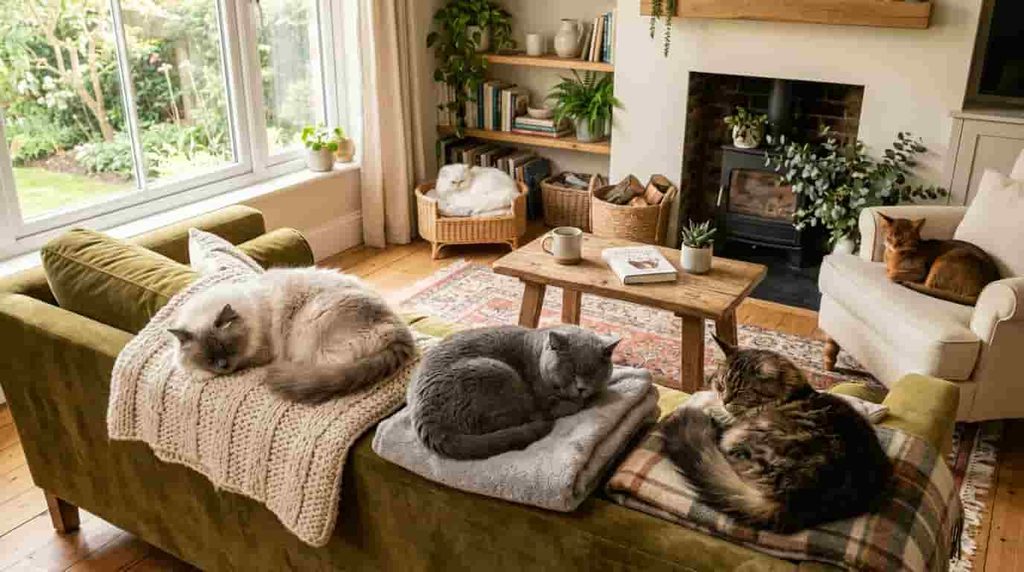
Many owners want a low-energy cat that also requires minimal cleaning. However, low activity and low shedding are completely separate biological traits. While shorthaired relaxed breeds like the British Shorthair shed less intensely than long-haired Persians, no cat is entirely maintenance-free or completely non-shedding.
9. Big, Small, and Fluffy Lazy Cat Breeds
| Category | What to Consider |
| Large breeds (e.g., Maine Coon, Ragdoll) | Require adequate living space, appropriate food portions, and careful weight management to protect large joints. |
| Small breeds (e.g., Singapura or smaller mixed types) | Offer compact companionship, though individual energy levels can sometimes surprise owners. |
| Fluffy breeds (e.g., Persian, Birman) | Feature luxurious coats that demand consistent brushing to prevent painful mats and tangles. |
| Shorthaired breeds (e.g., British Shorthair) | Offer lower grooming demands, making them easier to maintain while still enjoying a relaxed lifestyle. |
10. Are Lazy Cats Good for Families?
Calm and easygoing cat breeds can make wonderful family pets because they are less easily startled by children running around. However, individual socialization is essential. Every cat, no matter how mellow, needs a quiet sanctuary space away from household noise and little hands.
For families weighing options, reviewing resources like What Is the Best Cat Breed for Families? 10 Friendly Breeds to Consider and What Is the Best Cat Breed for Children? 10 Friendly Breeds for Kids
provides valuable guidance on gentle handling and child compatibility.
11. Calm and Cuddly Cat Breeds: Are Lazy Cats More Affectionate?
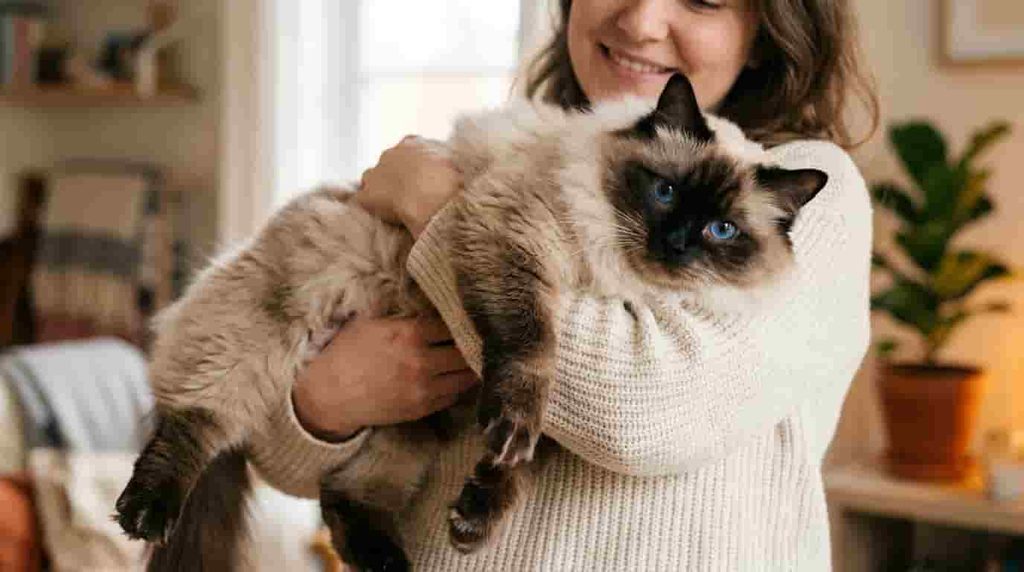
Low energy does not automatically equal cuddly. Some relaxed cats prefer sleeping at the foot of the bed or observing from a nearby armchair rather than sitting directly on your lap. For owners whose top priority is deep social bonding and affectionate interaction, exploring guides like Which Is the Friendliest Cat Breed? 10 Breeds Known for Being Affectionate helps ensure the right match.
12. Common Mistakes When Choosing a Low-Energy Cat Breed
- Assuming every cat in a breed acts the same: Ignoring individual personality differences.
- Confusing obesity with a relaxed personality: Mistaking lethargy from excess weight for natural laziness.
- Ignoring grooming needs: Overlooking the intensive coat care required by fluffy relaxed breeds.
- Assuming low-energy cats do not need exercise: Neglecting short, gentle play sessions.
- Choosing solely by appearance: Failing to evaluate temperament and lifestyle fit.
- Ignoring adoption: Overlooking adult and senior shelter cats whose calm personalities are already fully established.
13. How to Keep a Low-Energy Cat Healthy and Happy

Encourage Daily Movement
Engage your cat in short, low-impact play sessions using feathered wands or slow-moving rolling toys to stimulate their natural curiosity.
Support a Healthy Weight
Measure meals precisely and limit high-calorie treats to prevent sedentary cats from sliding into feline obesity.
Provide Mental Enrichment
Set up stable scratching posts, comfortable window hammocks, and safe vertical perches to keep your cat mentally stimulated.
Watch for Changes in Behavior
A naturally mellow cat that suddenly becomes unusually inactive or withdrawn should be evaluated promptly by a veterinarian.
14. How to Choose the Right Lazy Cat Breed for Your Lifestyle
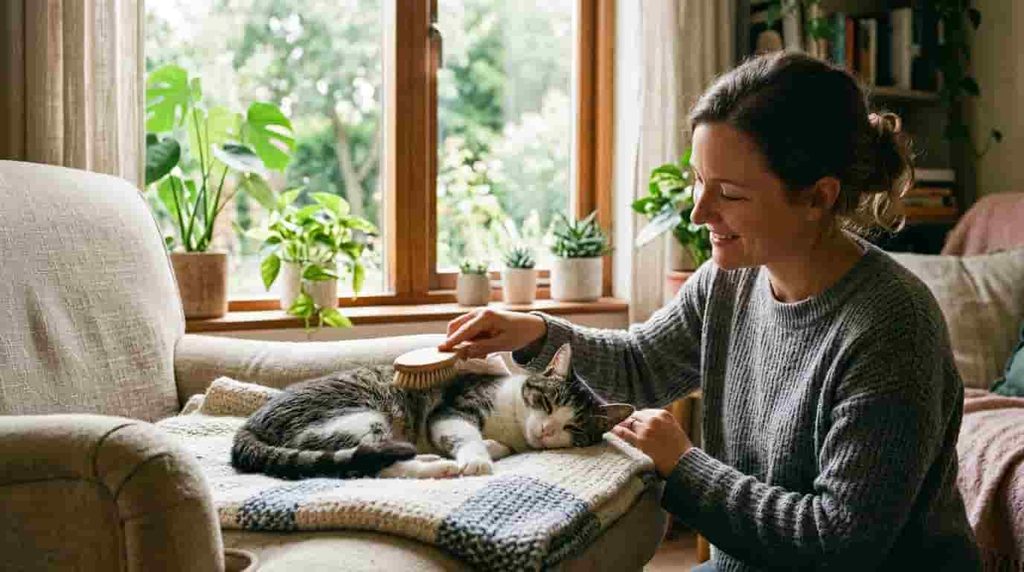
- Want a very affectionate companion? Prioritize social, people-oriented breeds like Ragdolls.
- Want an independent resting buddy? Look into British Shorthairs.
- Want minimal grooming? Choose shorthaired calm breeds over longhaired Persians.
- Have children in the home? Prioritize proven patience and gentle handling tolerance.
Ultimately, the best cat is not simply the laziest one, but the companion whose unique rhythm aligns seamlessly with your daily life.
15. Conclusion: What Is the Laziest Cat Breed?
What Is the Laziest Cat Breed? While breeds like the Ragdoll, Persian, and British Shorthair earn top marks for their peaceful, low-energy lifestyles, successful cat ownership goes far beyond picking a couch potato. Understanding that even the most relaxed cats require proper nutrition, veterinary care, and gentle play ensures a long, happy life together.
Which calm or easygoing cat breed fits your ideal home environment? Share your thoughts below!
16. Frequently Asked Questions
1. What is the most lazy cat breed?
The Ragdoll and the Persian are widely considered the most relaxed and low-energy cat breeds, though individual personalities always vary.
2. What are the top 10 lazy cat breeds?
Popular choices include the Ragdoll, British Shorthair, Persian, Exotic Shorthair, Scottish Fold, Russian Blue, Birman, Chartreux, American Shorthair, and Maine Coon.
3. Which cat breed is the easiest?
“Easy” can refer to temperament, grooming needs, or independence; British Shorthairs and Ragdolls frequently rank high for overall ease of care.
4. Are lazy cat breeds good for apartment living?
Yes, low-energy and calm breeds adapt wonderfully to apartments as long as they have vertical perches, cozy resting spots, and daily interaction.
5. Can a lazy cat still be healthy?
Naturally mellow cats can be perfectly healthy, but sudden lethargy, weight gain, or major behavioral shifts should always be checked by a veterinarian.