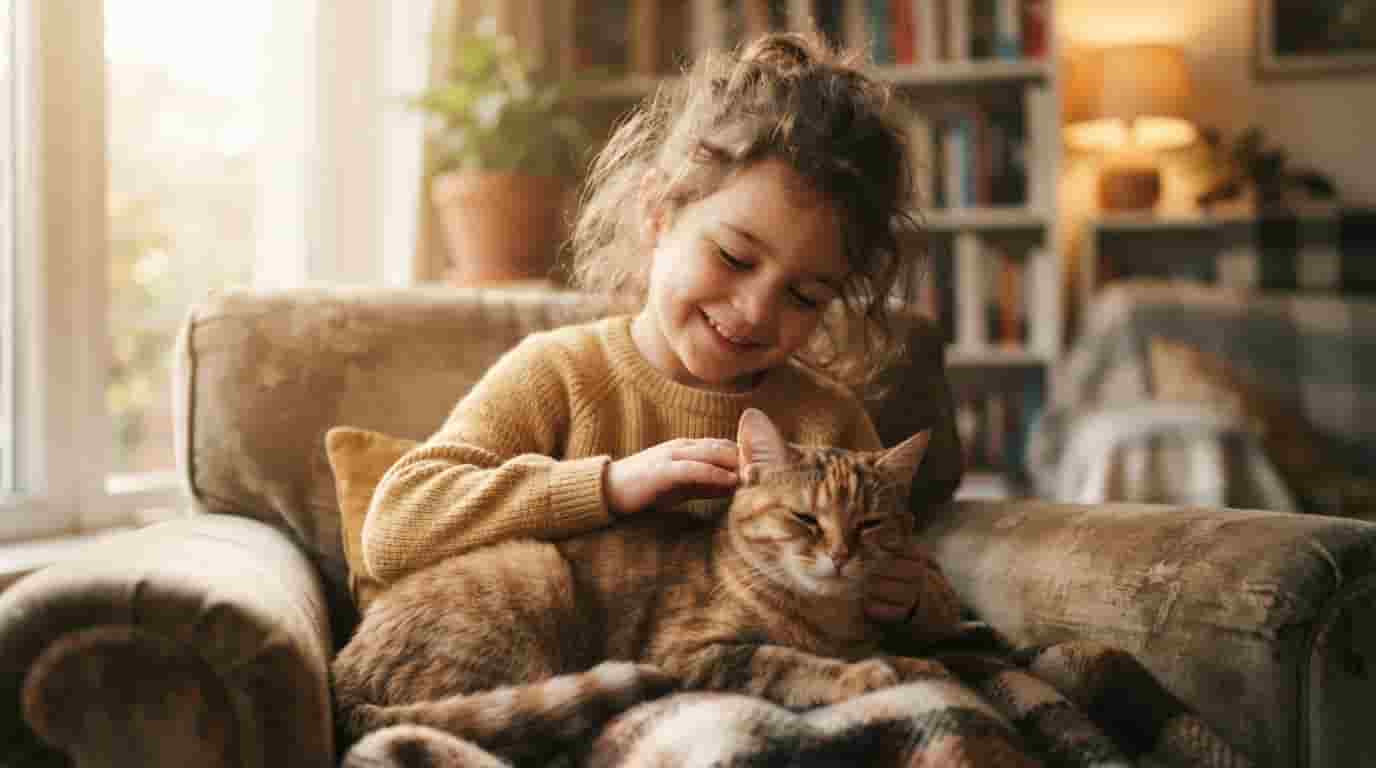
What Is the Best Cat Breed for Children? 10 Friendly Breeds for Kids
Introduction: What Is the Best Cat Breed for Children?
What Is the Best Cat Breed for Children? For many households, bringing a feline companion into a home filled with kids is an exciting milestone, but it also brings valid concerns about safety, temperament, and compatibility. The simple truth is that there is no single “perfect” breed for every family. Instead, the ideal choice depends on several intersecting factors:
- The unique temperament and patience level of the cat
- Its tolerance for handling and active environments
- The energy level of the household
- The ages and maturity levels of the children
- Daily grooming and care commitments
- The individual personality of the cat itself
While this guide explores 10 wonderful cat breeds known for being child-friendly, responsible supervision and teaching children how to interact respectfully with pets matter just as much as breed selection.
What Is the Best Cat Breed for Children?
Give a Clear Answer First
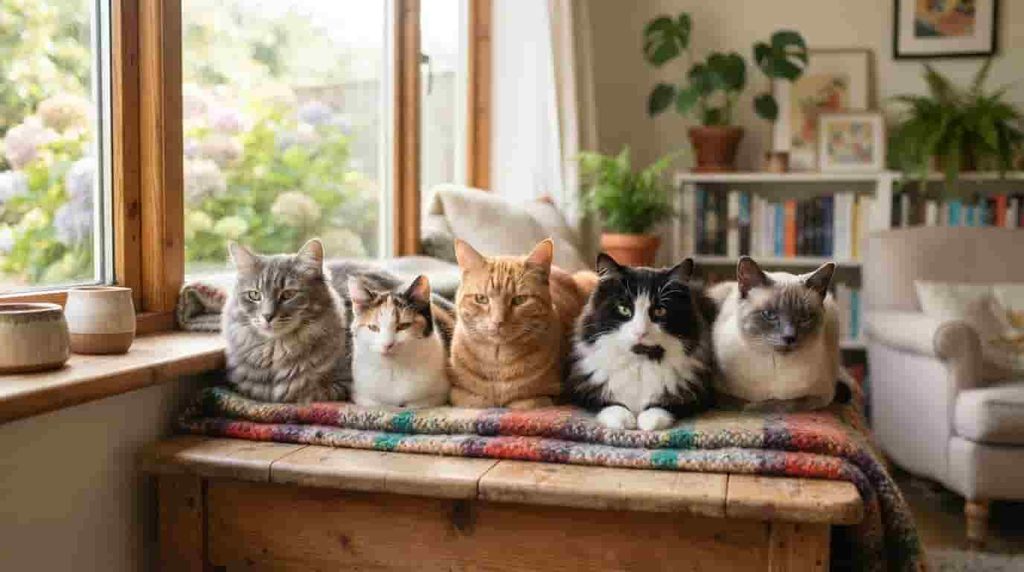
Several breeds are commonly celebrated for having friendly, patient, and adaptable personalities that mesh well with family life. Breeds like the Ragdoll, Maine Coon, and American Shorthair frequently top recommendations because they tend to be resilient, affectionate, and steady. However, no breed guarantees that every individual kitten or adult cat will behave identically. While breed tendencies offer helpful guidance, individual personality and early socialization play massive roles in shaping a cat’s behavior.
What Makes a Cat Good With Children?
Families looking for a feline companion should prioritize specific traits:
- A patient temperament: The ability to stay calm when things get busy or noisy.
- Comfort around people: A welcoming attitude toward human interaction rather than constant hiding.
- Moderate tolerance for handling: Willingness to be gently petted without instantly reacting defensively.
- Adaptability: Flexibility to handle changing household routines and energy levels.
- A playful yet manageable nature: Enjoying interactive games without demanding relentless intensity.
- The freedom to retreat: Access to safe spaces where the cat can rest undisturbed.
Important Reminder About Individual Personality
Even a highly recommended breed may not suit every home. In many cases, adopting a well-socialized adult cat can be easier than raising a kitten because an adult’s personality, patience level, and boundaries are already fully established.
10 Best Cat Breeds for Kids and Families
1. Ragdoll
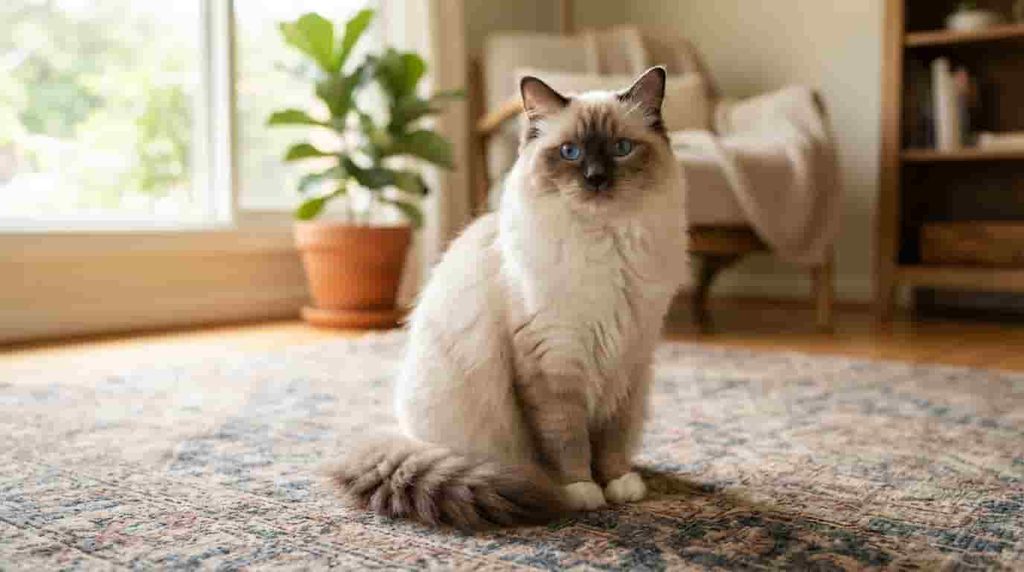
- Temperament: Gentle, sweet, and deeply affectionate.
- Behavior: Famous for going limp with pleasure when held, making them wonderful companions for children who understand gentle handling.
- Activity Level: Moderate; they enjoy hanging out with family without bouncing off the walls.
- Grooming: Requires regular brushing to keep their semi-long coat free of tangles.
2. Maine Coon
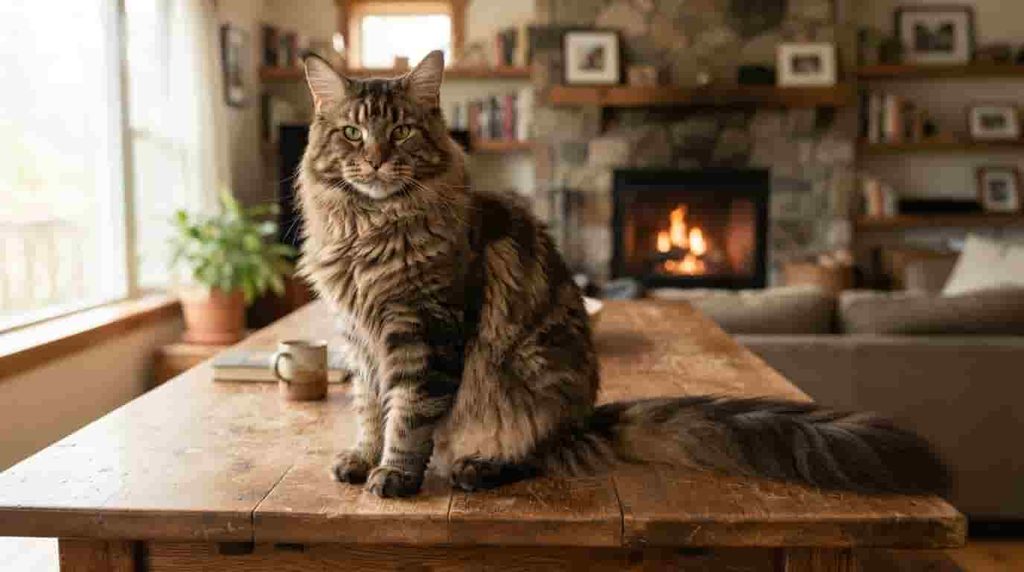
- Temperament: Friendly, sociable, and remarkably good-natured.
- Behavior: Large, sturdy, and playful, often enjoying interactive family games. Their large size should never be mistaken for toughness; they still need gentle treatment.
- Activity Level: Moderate to high; they love exploring and joining in household activities.
- Grooming: Requires weekly brushing and ample living space.
3. Birman
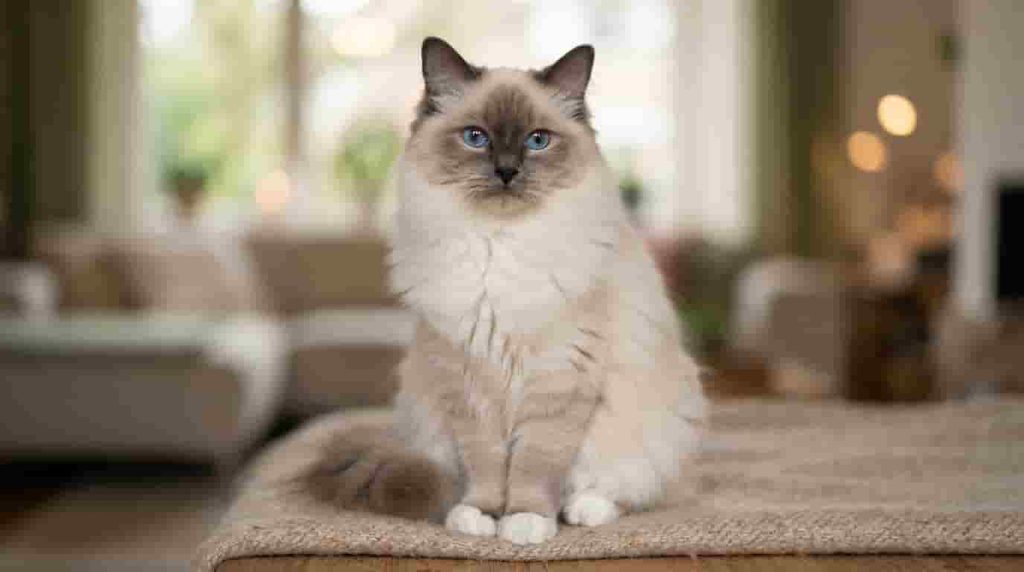
- Temperament: Gentle, affectionate, and quietly sociable.
- Behavior: Enjoys being near family members, sitting on laps, and engaging in light, polite play.
- Activity Level: Moderate; an ideal balance of calm and interactive companionship.
- Grooming: Moderate coat maintenance.
4. American Shorthair
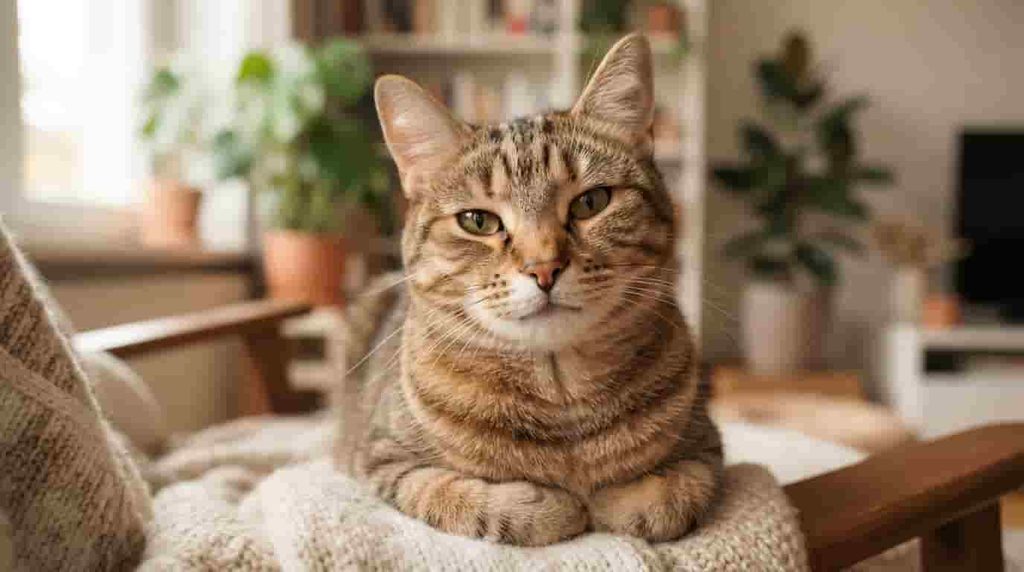
- Temperament: Adaptable, easygoing, and balanced.
- Behavior: Sturdy enough for active homes while remaining patient and steady around kids.
- Activity Level: Moderate.
- Grooming: Low maintenance thanks to an easy-care short coat.
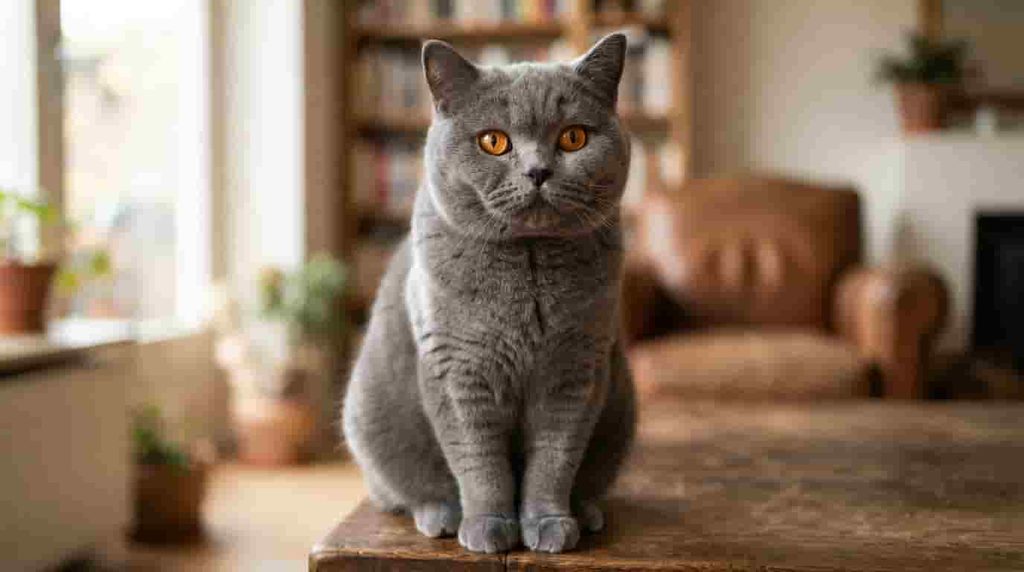
5. British Shorthair
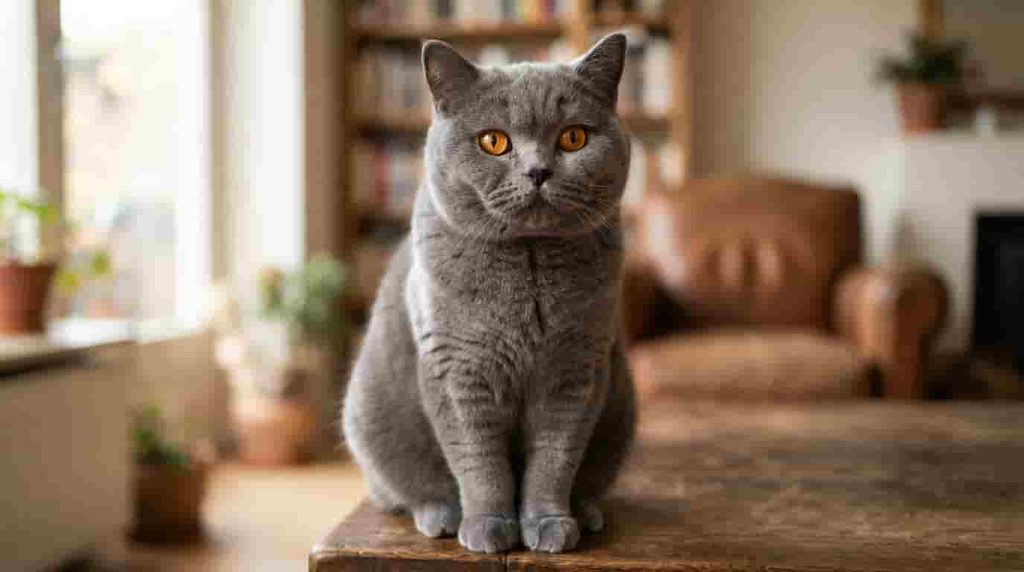
- Temperament: Calm, dignified, and independent.
- Behavior: Prefers a quieter environment and enjoys being in the same room without demanding constant attention, making them a great fit for respectful older children.
- Activity Level: Low to moderate.
- Grooming: Simple weekly brushing.
6. Burmese
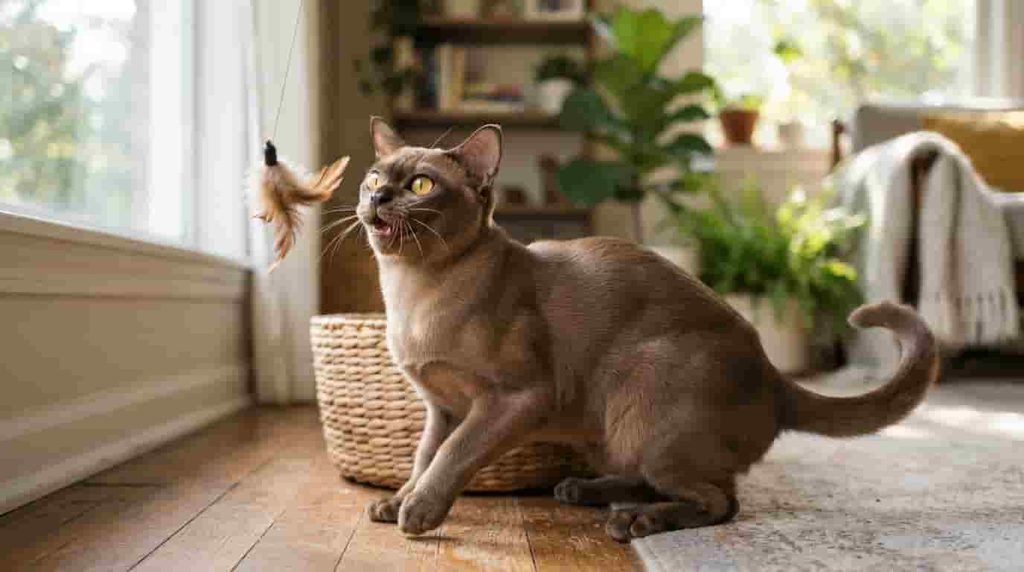
- Temperament: Social, highly people-oriented, and playful.
- Behavior: Loves being involved in family life and can act almost dog-like in its devotion.
- Activity Level: Moderate to high; thrives in lively households with active kids.
- Grooming: Low maintenance.
7. Abyssinian
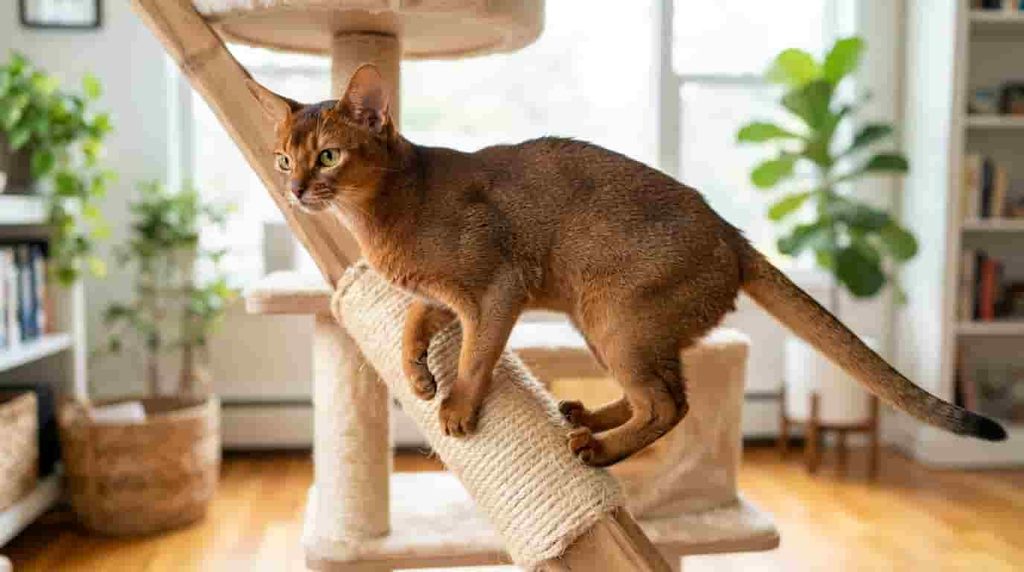
- Temperament: Curious, intelligent, and energetic.
- Behavior: Great for active children who want an interactive pet that loves games and climbing.
- Activity Level: High; requires robust mental and physical stimulation.
- Grooming: Low maintenance.
8. Exotic Shorthair
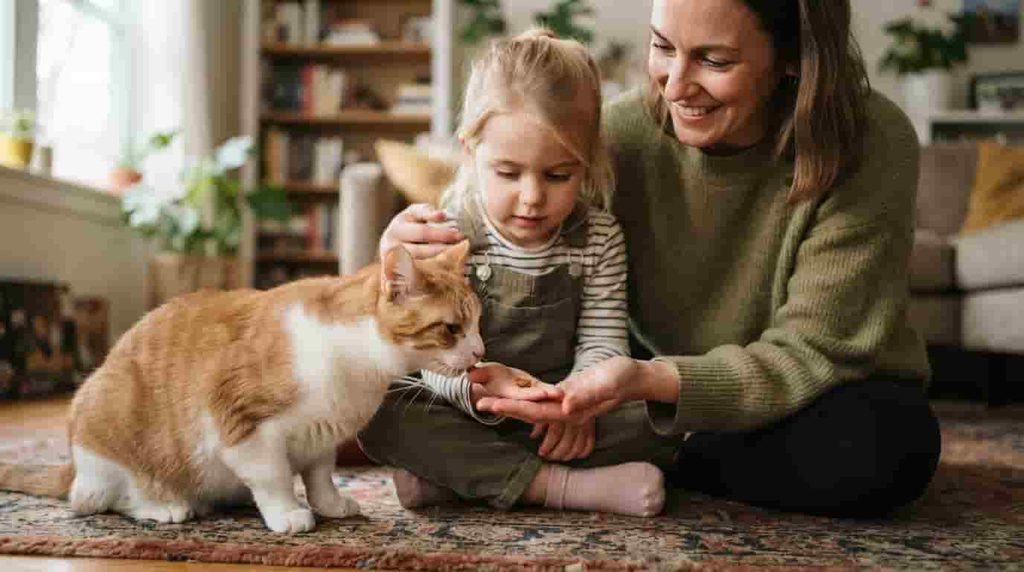
- Temperament: Calm, sweet, and affectionate.
- Behavior: Shares the peaceful nature of the Persian but features a plush, shorter coat. Well-suited for relaxed children.
- Activity Level: Low to moderate.
- Grooming: Moderate brushing required.
9. Siberian
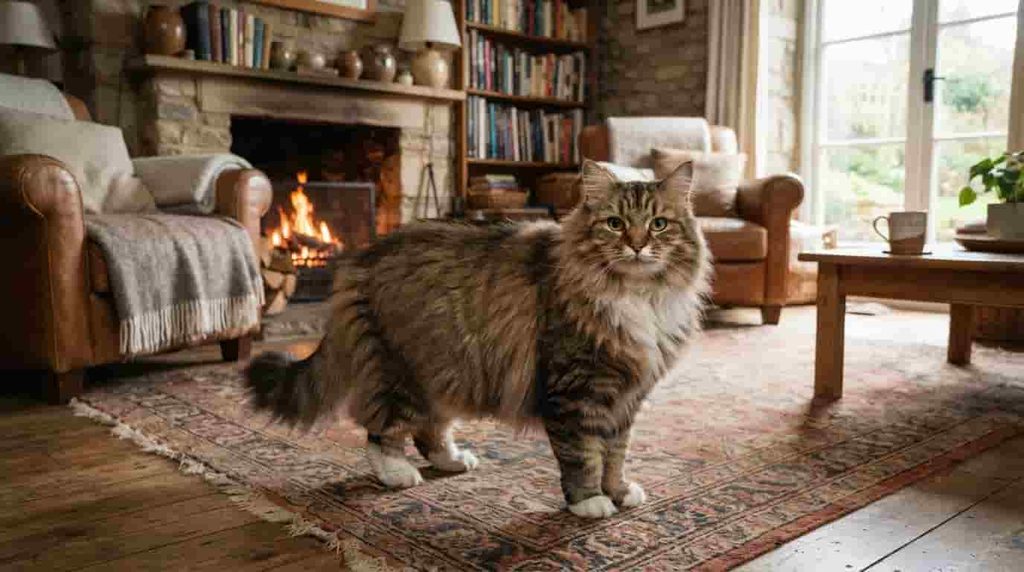
- Temperament: Playful, agile, and fiercely loyal.
- Behavior: Adaptable to family hustle and bustle, often greeting family members at the door.
- Activity Level: Moderate to high.
- Grooming: Requires regular coat maintenance, particularly during seasonal shedding.
10. Cornish Rex
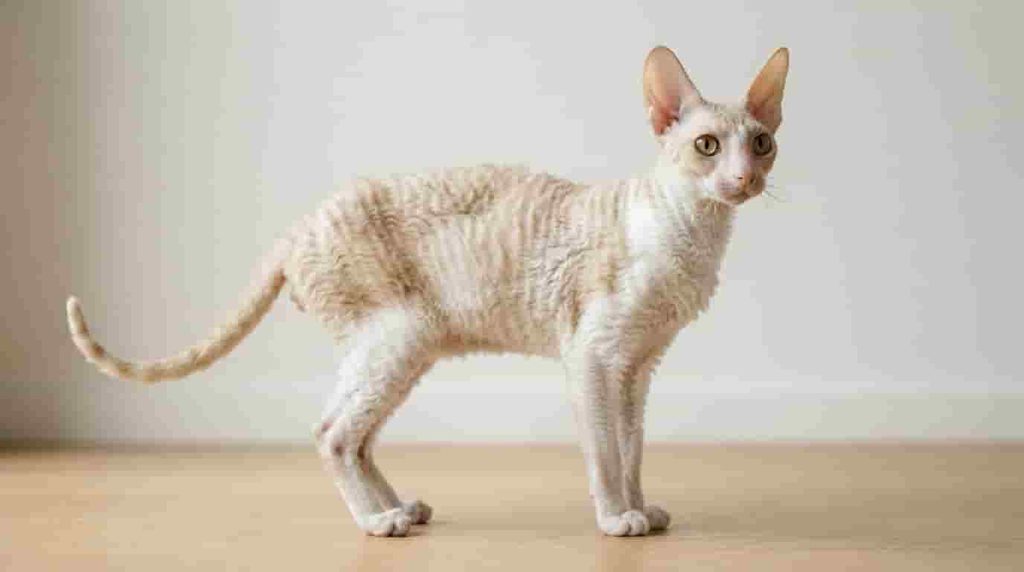
- Temperament: Energetic, outgoing, and affectionate.
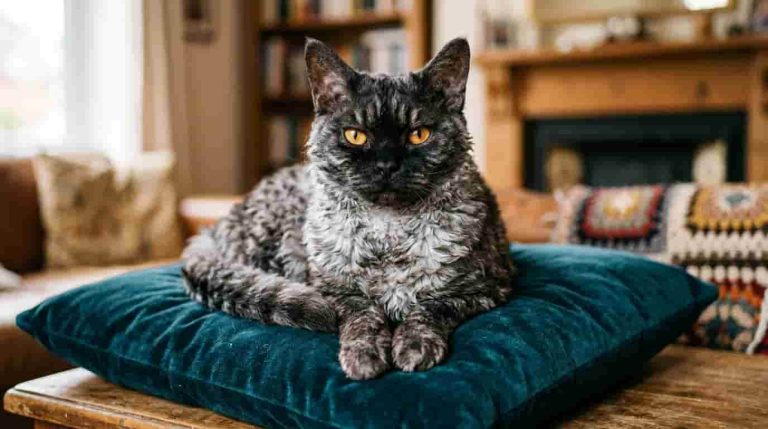
- Behavior: Known for its unique rippled coat and playful antics, making it a hit with children who want an engaging, lively pet.
- Activity Level: High; needs regular play and mental engagement.
- Grooming: Low maintenance.
Comparison: Which Cat Breed Fits Your Family Best?
| Cat Breed | General Temperament | Energy Level | Grooming Needs | Best Fit |
| Ragdoll | Gentle and affectionate | Moderate | Moderate | Calm families |
| Maine Coon | Friendly and playful | Moderate | Higher | Active families |
| Birman | Gentle and social | Moderate | Moderate | Families wanting companionship |
| American Shorthair | Adaptable | Moderate | Low | Many family lifestyles |
| British Shorthair | Calm and independent | Low to moderate | Low | Quieter homes |
| Burmese | Social and playful | Moderate to high | Low | Interactive families |
| Abyssinian | Curious and active | High | Low | Active households |
| Exotic Shorthair | Calm and affectionate | Low to moderate | Moderate | Relaxed families |
| Siberian | Affectionate and playful | Moderate | Higher | Families wanting an interactive cat |
| Cornish Rex | Energetic and playful | High | Low | Very active families |
Best Cat for Toddlers and Small Children
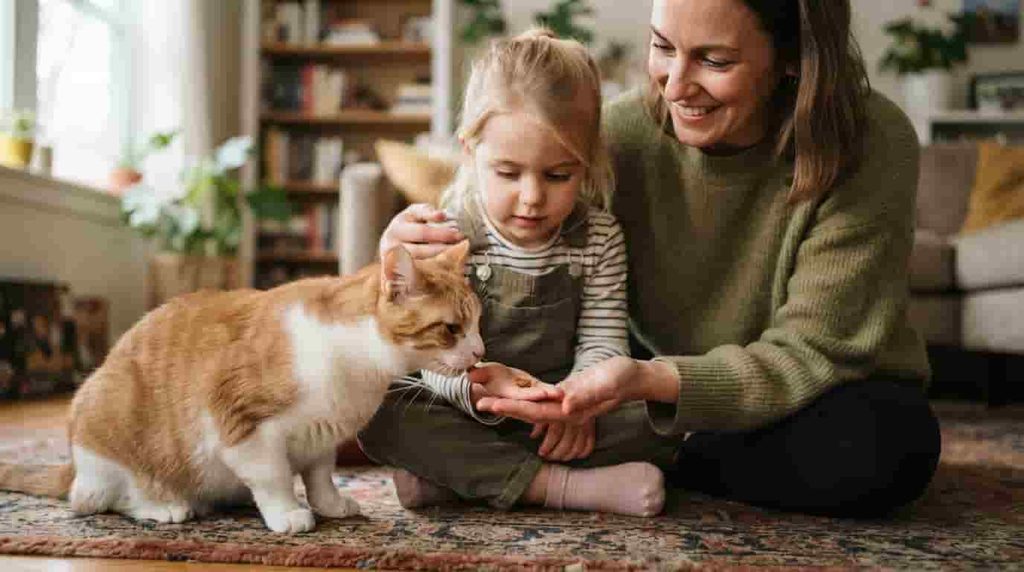
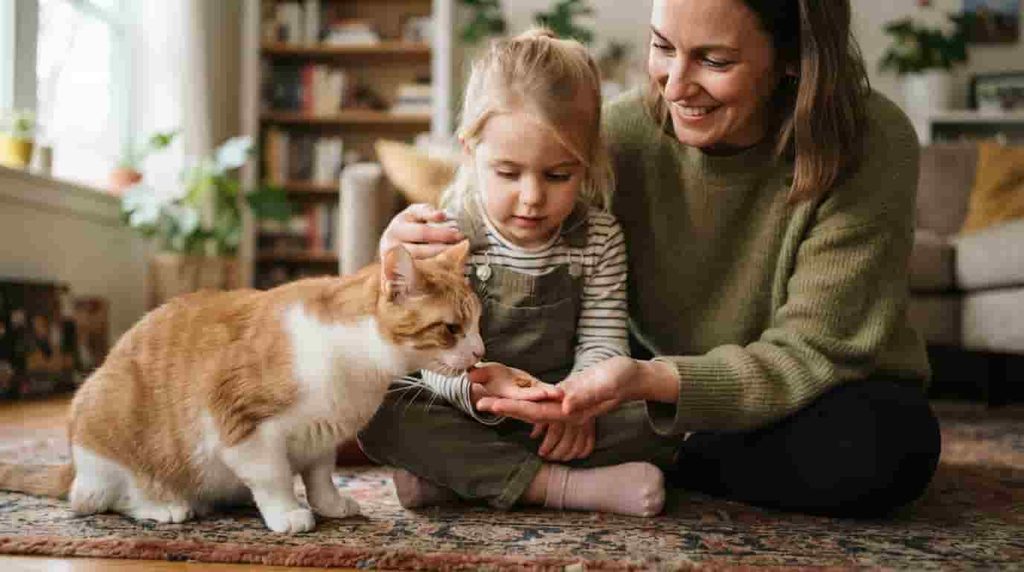
Toddlers are still learning about boundaries and fine motor control, meaning they may accidentally pull a tail, grab fur, or disturb a resting cat. No cat breed should ever be expected to tolerate rough handling, making active adult supervision essential.
What Parents Should Teach Children
- Let the cat approach first: Avoid chasing or cornering the animal.
- Use gentle hands: Never pull tails, ears, or whiskers.
- Respect quiet times: Leave the cat alone while it is sleeping or eating.
- Learn body language: Understand when a cat’s swishing tail or flattened ears mean it wants space.
What Age Cat Is Best for Kids?
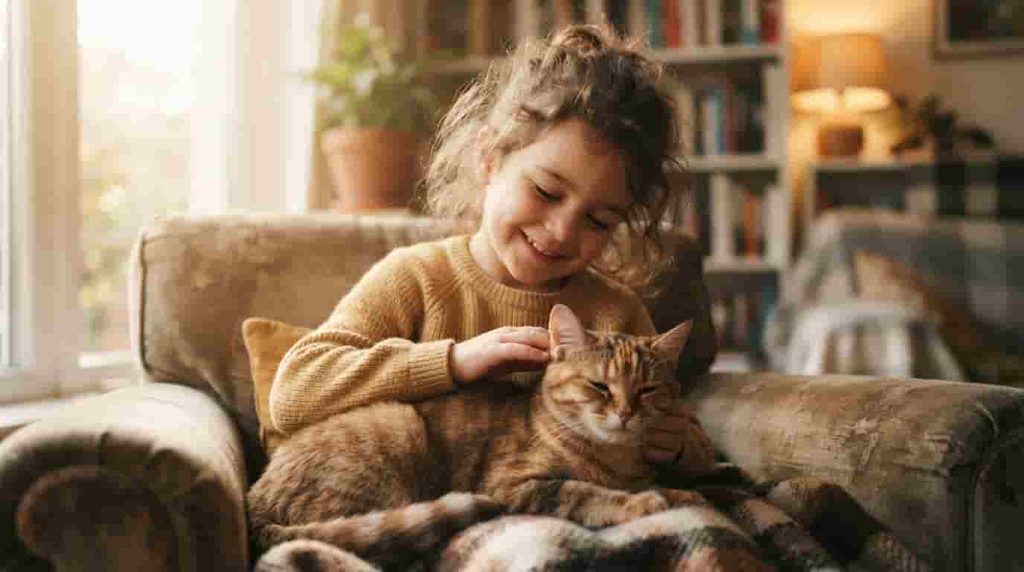
Kittens
Kittens are bundles of high energy and sharp little claws. While they are fun, their normal developmental biting and scratching can easily overwhelm small children. Furthermore, a kitten’s adult personality is largely unformed.
Adult Cats
Adult cats offer a major advantage: their personalities are fully established. Rescue organizations and shelters can often tell you precisely whether an adult cat loves children, tolerates noise, or prefers a quiet lap.
Senior Cats
Senior cats are typically very mellow, making them wonderful for quiet families, though they may have specific medical or gentleness requirements.
Best Cat for Kids and Dogs

When introducing a cat to a home with both kids and dogs, success depends entirely on individual temperaments, gradual introductions, and careful supervision. Look for confident, adaptable cats that do not startle easily at canine energy, and always ensure the cat has high vertical pathways (like cat trees or shelves) where dogs cannot reach them.
Best Cats for Families With Children and Allergies
No cat breed can guarantee an allergy-free household, as allergic reactions are triggered by proteins in a cat’s saliva, dander, and skin oils rather than just visible fur. Families dealing with allergies should arrange extended, in-person visits with a specific cat before making an adoption commitment.
How to Choose a Cat Breed for Kids
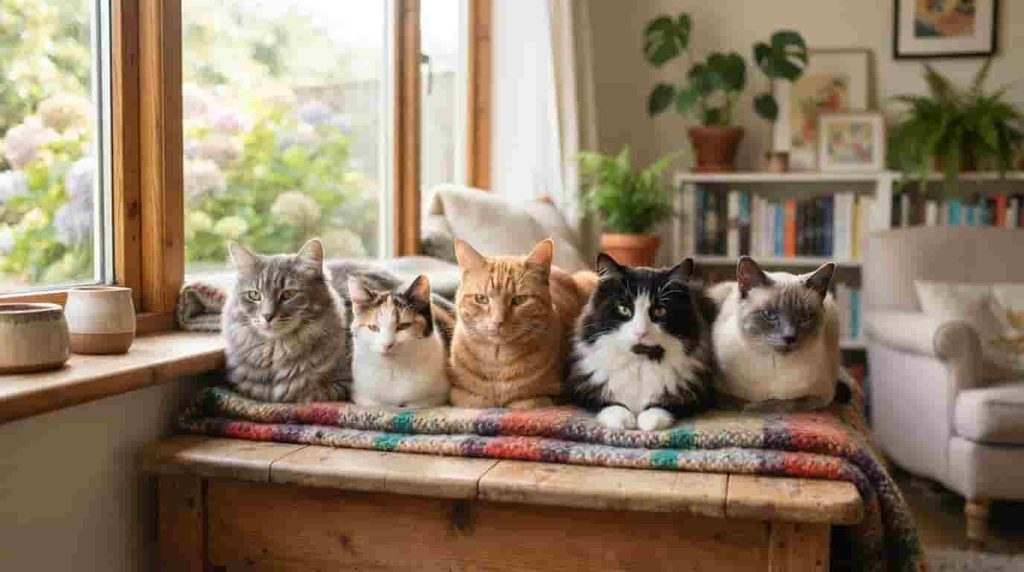
1. Consider Your Children’s Ages
Toddlers need exceptionally patient, steady cats, while older children and teenagers can safely interact with more active, playful breeds.
2. Consider Your Family’s Activity Level
Lively homes suit energetic, social cats; quieter households thrive with mellow companions like What Is the Calmest Cat Breed? 10 Peaceful Breeds to Consider
For broader household overviews, many households also explore What Is the Best Cat Breed for Families? 10 Friendly Breeds to Consider when weighing group dynamics.
3. Think About Grooming Responsibilities
Longhaired breeds demand daily brushing; shorthaired options require less upkeep.
4. Consider the Cat’s Personality
Match the cat’s social needs with how much time your family spends at home.
5. Consider Your Available Time
Even easygoing cats need daily play, feeding, litter box maintenance, and veterinary care.
Common Mistakes When Choosing a Cat for Children
- Choosing based only on appearance: Picking a gorgeous breed that doesn’t match family dynamics.
- Assuming every cat in a breed behaves identically: Ignoring individual differences.
- Expecting a cat to tolerate rough handling: Failing to teach children proper boundaries.
- Choosing a kitten because it seems easier: Underestimating the training and time required for young cats.
- Ignoring grooming and care needs: Overlooking long-term commitments.
- Forgetting the cat needs its own space: Not providing safe, elevated zones away from kids.
How to Help a Cat and Child Build a Good Relationship
- Step 1: Introduce interactions slowly: Allow the cat to initiate contact.
- Step 2: Teach respectful handling: Practice gentle petting and proper support if lifting is allowed.
- Step 3: Make play safe: Use wand toys instead of hands to prevent scratching habits.
- Step 4: Give the cat a safe retreat: Maintain quiet rooms or high perches.
- Step 5: Watch for stress signals: Intervene immediately if the cat shows signs of anxiety or discomfort.
Are Calm Cats Better for Families With Children?
A calm cat may enjoy a peaceful environment but could dislike being handled frequently. For families wanting an especially social, loving companion, exploring resources like Which Is the Friendliest Cat Breed? 10 Breeds Known for Being Affectionate
provides fantastic insight. Conversely, families seeking low-activity pets often weigh options against What Is the Laziest Cat Breed? 10 Calm and Easygoing Breeds, keeping in mind that the best family cat matches your household’s unique daily rhythm.
What Makes a Good Family Cat Beyond Breed?
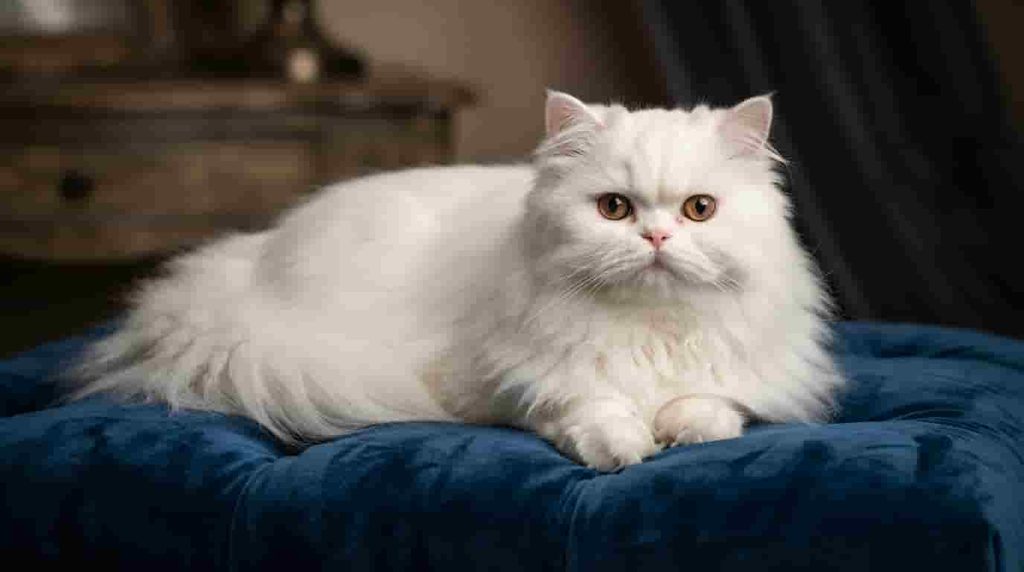
Individual socialization, a history of positive exposure to children, and a home environment that prioritizes mutual respect are often more important than pedigree papers. For example, a rescue mixed-breed cat raised successfully in a bustling foster home with toddlers may ultimately be a better family pet than a purebred kitten from a quiet, adults-only cattery.
Conclusion: What Is the Best Cat Breed for Children?
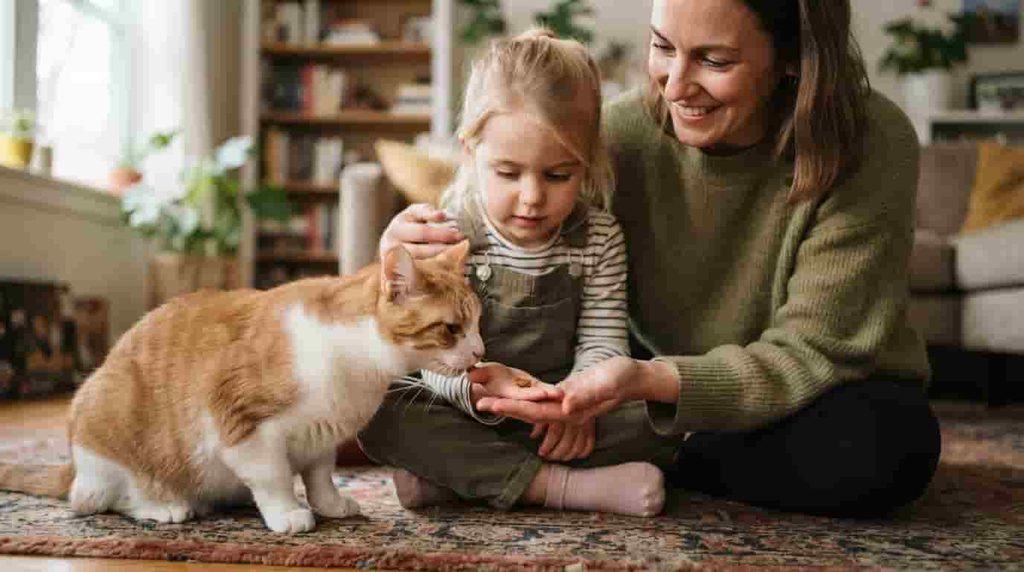
What Is the Best Cat Breed for Children? While breeds like the Ragdoll, Maine Coon, and American Shorthair offer wonderful foundations of patience and friendliness, the true “best” cat is one whose individual personality aligns with your family’s lifestyle. Combined with adult supervision, proper training, and mutual respect, a well-chosen feline companion can become a cherished, lifelong friend to your children.
Which cat breed or personality type do you think would fit best into your family’s daily life? Share your thoughts below!
Frequently Asked Questions
1. What is the best cat breed for toddlers?
Breeds known for exceptional patience and gentle handling—such as the Ragdoll or Birman—are often recommended, provided parents strictly supervise interactions and teach toddlers respectful behavior.
2. What age cat is best for kids?
Adult cats are frequently ideal because their established personalities and tolerance levels are already clear, reducing the unpredictable energy spikes of kittens.
3. Are male or female cats better for children?
An individual cat’s socialization, temperament, and upbringing matter far more than its sex.
4. What is the easiest cat breed to maintain for a family?
Shorthaired, adaptable breeds with moderate energy levels—like the American Shorthair or British Shorthair—tend to require minimal grooming and care.
5. Can a cat be a good pet for a child?
Yes, cats make deeply rewarding companions for children when adults supervise interactions and ensure the animal’s boundaries are respected.