

Cat Anxiety Triggers: Common things that stress your cat.
Introduction:
Cat Anxiety Triggers can quietly disrupt the peaceful life of your favorite furry companion without you even realizing it. You might notice your cat suddenly running away when friends visit your modern living room space. Alternatively, they might start urinating right outside their pristine litter box for no clear reason at all. These confusing behavioral shifts leave many passionate pet parents feeling incredibly frustrated and deeply worried about household harmony. Fortunately, you can fix these common anxiety triggers for cats by learning how felines perceive everyday household changes.
Understanding the hidden causes of stress in cats helps you maintain a calm and safe domestic environment. Most amateur pet owners think felines only feel nervous during loud thunderstorm events or unexpected veterinary clinic visits. However, highly sensitive domestic felines treat tiny routine disruptions as major anxiety inducing factors in their daily lives. This detailed guide will walk you through the secret world of identifying feline anxiety sources step by step. Let us discover the exact environmental elements that distress your precious animal friend right now together.
Observing your pet’s body language allows you to resolve hidden domestic tensions before serious behavioral problems arise. You might also see strange physical reactions when they look at you during quiet evening hours. If you want to know why they do this, read our detailed guide on Cat Staring Secrets to decode midnight looks. Exploring these unique actions helps you understand your animal’s true emotional needs much more clearly over time. Now, let us dive straight into the specific mechanics of various environmental stressors.
Uncovering the Most Common Cat Anxiety Triggers in Your Home
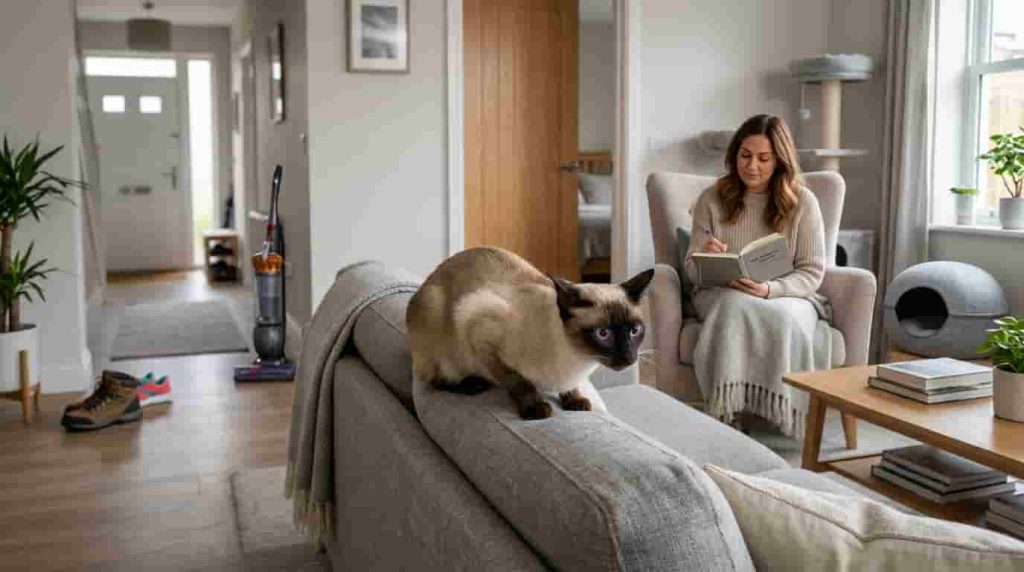
The most influential category on our comprehensive cat anxiety triggers list involves sudden changes to your home environment. Felines are highly territorial creatures, meaning they thrive on absolute predictability and strict daily structure to feel secure. Therefore, rearranging your heavy parlor furniture or welcoming a new roommate can trigger severe signs of cat stress. These structural changes destroy their familiar scent trails, making them feel like total strangers inside their own space. Additionally, loud home renovations or construction noises from nearby buildings act as intense feline fear triggers.
Furthermore, minor changes to their resources function as significant stressors for cats throughout the day. Moving their food dishes or switching to a new brand of litter can trigger sudden behavioral panic. Felines remember the exact locations of their vital survival tools with incredible precision every single morning. As a result, changing these locations unexpectedly introduces severe emotional chaos into their quiet personal lives. Therefore, you should always keep their core resource stations completely stationary to prevent unnecessary psychological distress.
If your stressed animal begins chewing on unusual household objects, evaluate their mental state very carefully. You can explore this specific worry by reading our helpful guide on Cat Pica Signs to spot dangerous eating habits. Addressing these unusual dietary habits early keeps your favorite domestic feline perfectly safe from internal tissue damage. Providing mental stimulation allows your pet to process environmental changes without developing dangerous compulsive habits.
How to Recognize Key Signs of Cat Stress Early
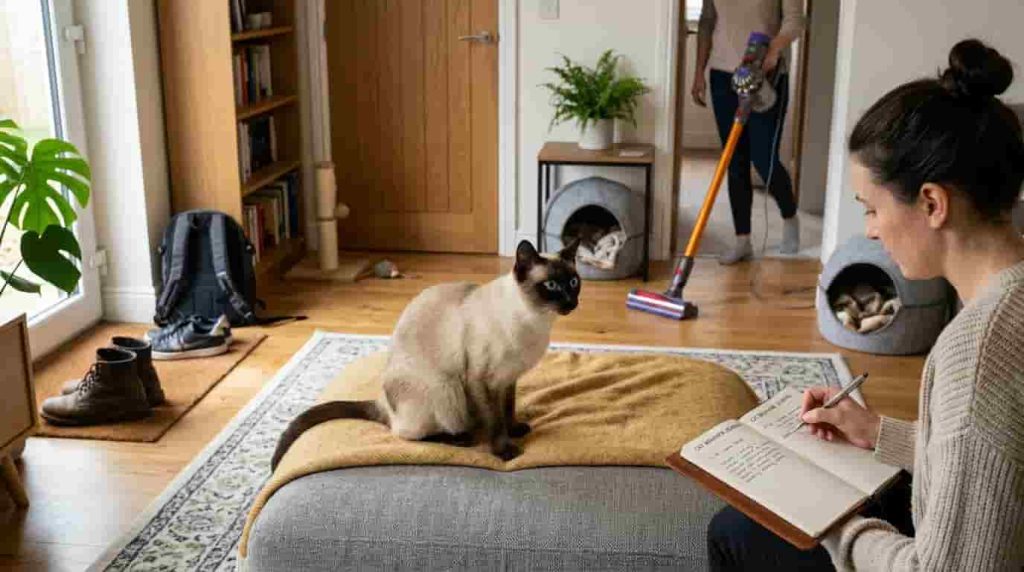
You can recognize the core symptoms of feline tension easily by monitoring your companion’s daily resting postures. A truly relaxed animal displays loose limbs, soft eyes, and keeps their ears pointed gently forward. In contrast, a terrified feline will tuck their legs tightly under their body to protect vital organs. They will also widen their eyes completely until their dark pupils cover the entire colorful iris surface. This physical reaction indicates high panic and reveals that an animal is currently experiencing severe feline anxiety causes.
Additionally, highly stressed felines often change their normal daily communication habits with other household pets. For instance, an anxious cat might completely refuse to share a sleeping rug with their favorite companion. They may also stop engaging in communal cleaning sessions, which signals a breakdown in natural social bonding. If you notice these social shifts, read our comprehensive article on Cat Grooming Others to understand social licking rules. Restoring these pleasant mutual interactions requires you to reduce environmental stress factors across your household first.
- Excessive Hiding: Stays hidden deep inside dark wardrobes or under low beds for many hours.
- Over-Grooming: Licks their belly or legs continuously until the skin becomes completely bald and red.
- Aerosol Spraying: Marks vertical walls with urine to establish desperate defensive boundaries against imaginary threats.
- Altered Appetite: Refuses to touch premium wet food formulas even when offered during normal dinner times.
Consider a real life example involving a dedicated pet owner named Kunle who lived in downtown Lagos. He owned a beautiful British Shorthair that loved lounging on his wide leather parlor sofa every afternoon. Kunle suddenly brought home a loud barking puppy without preparing his resident feline for the transition first. The terrified cat immediately stopped eating and spent three full days hiding behind the kitchen refrigerator. Kunle’s experience proves that failing to recognize cat phobia triggers can cause immediate behavioral and physical health crises.
Practical Steps for Managing Cat Anxiety and Restoring Peace
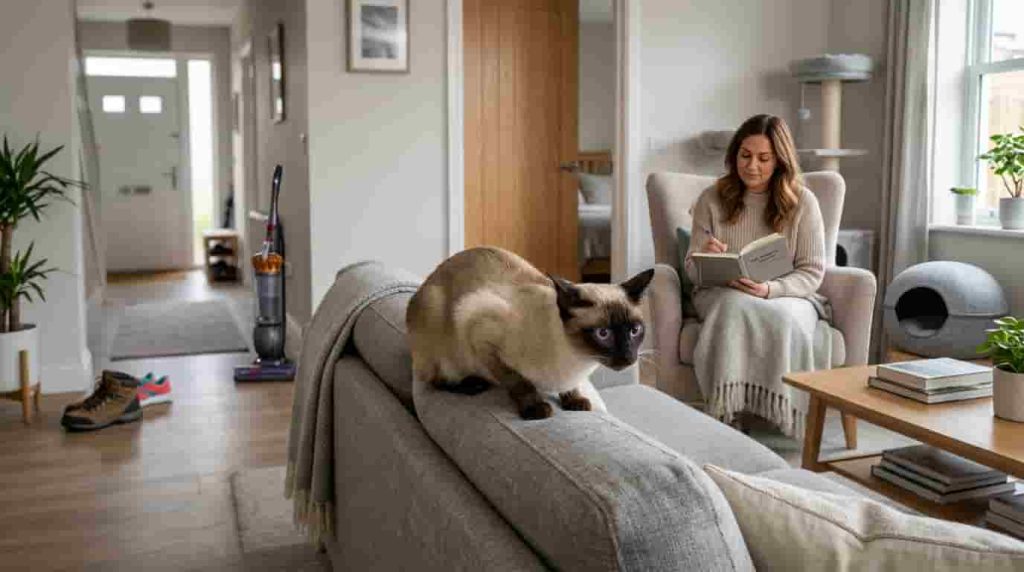
Implementing effective methods for managing cat anxiety requires you to rebuild a highly predictable domestic environment step by step. First, establish a dedicated sanctuary room where your nervous pet can retreat from loud household activities completely. Place their favorite cardboard boxes, soft blankets, and heavy scratching columns inside this secure area safely. This private zone allows your animal to calm down away from energetic children or visiting strangers. Next, maintain a highly consistent daily schedule for serving meals and cleaning out their litter pans.
- Introduce new household pets slowly by using scent swapping techniques over several consecutive days.
- Plug in synthetic feline pheromone diffusers around your parlor to mimic natural calming facial scents.
- Play soft classical music during afternoon periods to mask loud outdoor traffic or neighborhood noises.
- Avoid punishing a terrified feline for litter box accidents because anger increases their internal panic.
Furthermore, dedicating ten minutes to quiet interactive playtime every evening is incredibly helpful for reducing cat anxiety. Use long feather wands or soft rolling toys to stimulate their natural hunting instincts productively. This regular exercise releases happy endorphin chemicals inside their brains, which counteracts the negative effects of daily tension. A well stimulated animal feels much more confident and masters their domestic space with total ease. Your steady patience will help your beloved companion overcome their deepest behavioral fears over time.
When to Seek Professional Veterinary Assistance for Your Pet

According to expert veterinary behavior specialists at PetMD, chronic stress can weaken a feline’s immune system. This prolonged emotional strain can eventually lead to severe physical ailments like painful urinary tract inflammation. Therefore, you must consult a certified veterinarian if your pet continues showing severe panic despite your home changes. Medical experts can examine your animal thoroughly to rule out hidden physical pain or biological illnesses. They can also prescribe specialized calming supplements or temporary behavior modification medications to help your pet recover.
Partnering with an experienced veterinary team ensures you receive the most accurate guidance for your specific situation. They can help you identify subtle cat anxiety symptoms that standard pet owners might miss during busy mornings. Always follow their professional dosage instructions carefully to guarantee the best possible health outcomes for your pet. Your proactive medical care protects your precious companion from experiencing unnecessary long term physical discomfort or emotional suffering.
Conclusion
Mastering the process of identifying Cat Anxiety Triggers empowers you to safeguard your pet’s emotional well being perfectly. While modern households contain many unexpected feline fear triggers, your careful management can easily neutralize these common stressors. By establishing a quiet sanctuary space, maintaining stable schedules, and tracking signs of cat stress, you ensure harmony. Your loving dedication today creates a remarkably secure, happy lifestyle for your favorite furry family member.
Are you completely ready to evaluate your current home layout to eliminate hidden Cat Anxiety Triggers today? Have you already set up a dedicated vertical climbing shelf to give your pet a safe resting view? Please share your ultimate pet recovery stories and behavioral questions in our comment section below to help others!
Frequently Asked Questions
The most frequent stressors include sudden furniture rearrangements, loud electronic noises, and unexpected changes to litter box locations. Welcoming unfamiliar guests or bringing home new pets without proper introductions also causes severe panic. Felines require total environmental stability to feel safe.
You should watch for continuous tail twitching, dilated pupils, and a hunched body posture during rest. Frequent hiding in dark corners and a sudden refusal to eat their favorite foods also indicate high tension. Addressing these subtle warnings early prevents severe behavioral issues.
Yes, felines possess an incredibly accurate internal biological clock and memorize your daily departure habits perfectly. Shifting your work hours disrupts their expectations, which can lead to separation distress and loud crying. Try using automated feeders to maintain stable meal times.
You should immediately guide your terrified companion into a dark, windowless interior room or a quiet closet space. Provide heavy blankets so they can burrow safely, and turn on a white noise machine to mask thunder. Stay completely calm yourself to reassure them.
You should schedule a professional veterinary examination if your animal stops eating entirely for over twenty four hours. Immediate medical attention is also mandatory if they begin straining painfully inside their litter box or over grooming. These severe actions often indicate painful physiological complications.