
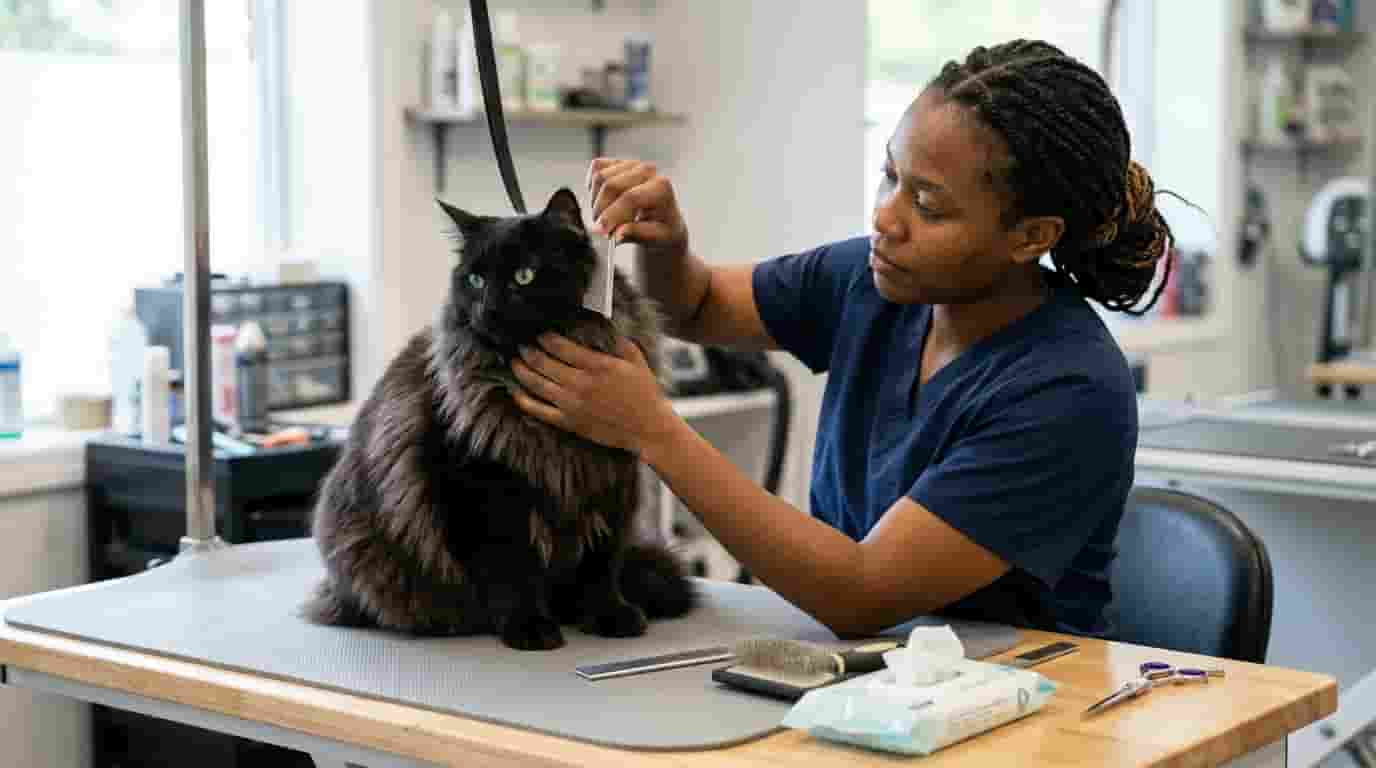
Cat Brushing Guide: How to Groom a Cat That Hates Being Brushed.
Introduction:
Cat Brushing Guide secrets can save you from daily battles with a grumpy, scratching pet. Many owners face a major problem when trying to maintain their feline companion’s coat. You bring out a brush, and your cat immediately flees under the nearest bed.
However, this ultimate cat brushing guide will change how you approach coat care at home. Learning how to brush a cat’s fur properly reduces painful mats and prevents stressful hairballs. Regular sessions also build a wonderful bond between you and your pet.
You will soon discover how to turn a painful chore into a relaxing massage session. We will teach you the best ways to keep your cat calm and happy. Let us dive into the easiest way to master grooming cats safely.
The Master Cat Brushing Guide for Anxious Felines

The importance of regular cat brushing goes far beyond making your beautiful pet look pretty. Dead hair build-up can cause severe skin irritation and painful tangles if left ignored. Therefore, routine coat care remains essential for every long-haired and short-haired feline.
According to PetMD, frequent grooming prevents felines from swallowing excessive loose fur while cleaning themselves. This care directly reduces the frequency of dangerous, uncomfortable hairballs in their digestive tract. Consequently, learning how to brush cats protects their overall internal health over time.
Consistent care keeps your home cleaner by capturing loose fur before it hits your furniture. If you want to expand your home care routine, read our helpful cat nail clipping guide to handle paws safely. Proper maintenance across all areas ensures your pet stays comfortable and healthy year-round.
Selecting the Best Cat Brushes for Your Pet
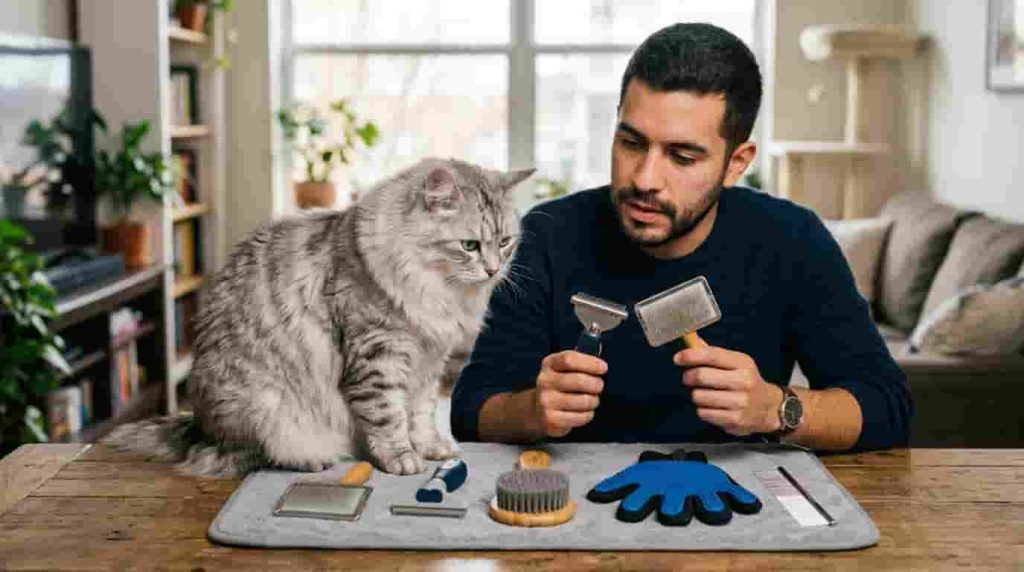
Choosing the right cat grooming tools will determine whether your pet stays relaxed or panics. A harsh metal comb might scratch sensitive skin and create a negative experience. Instead, look for a high-quality recommended cat slicker brush with protective rubber tips.
The best cat brushes fit comfortably in your hand and match your pet’s specific coat length. Soft bristle brushes work wonderfully for short hair because they distribute natural skin oils beautifully. Rubber grooming mitts also provide an excellent option for pets that hate traditional metal tools.
Investing in top-tier best cat brushing tools makes the entire process smoother for everyone involved. Your pet will enjoy the gentle sensation rather than pulling away from stiff bristles. As a result, you can establish a quick routine without causing any physical discomfort.
Essential Benefits of Brushing Your Cat Regularly
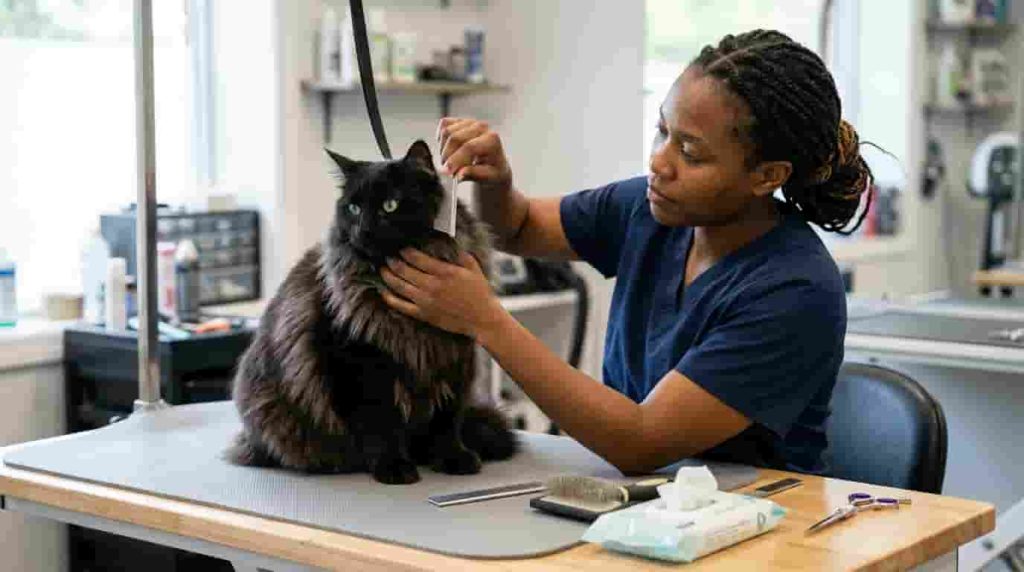
You will notice incredible changes once you commit to a steady home grooming routine. One of the greatest benefits of brushing your cat is the early detection of skin issues. You can spot hidden fleas, ticks, or unusual lumps before they turn into major medical emergencies.
Additionally, this regular contact helps you monitor your pet’s body condition and weight changes. Healthy skin relies on the stimulation that a good grooming session provides to the hair follicles. Therefore, you directly improve their skin health every time you sit down together.
A happy, well-groomed cat experiences far less daily stress and behavioral anxiety in the home. For example, relaxed cats rarely develop sudden bathroom issues outside of their designated boxes. If your pet struggles with this behavior, look at our guide on cat pooping outside litter box for quick solutions.
Step-by-Step Cat Brushing Instructions for Beginners
- First, choose a quiet room in your house away from barking dogs or loud noises.
- Next, let your feline sniff the grooming tools to satisfy their natural curiosity.
- Offer a high-value treat right next to the brush to build a positive association.
- Gently stroke your pet with your hand before introducing the actual bristles.
- Begin brushing very lightly along the cheeks and chin where cats love affection.
- Move slowly toward the back and sides only if your pet remains calm and purrs.
- Finally, reward your kitty with another treat to end the session on a high note.
Advanced Cat Grooming Techniques for Sensitive Areas

The belly and tail require expert handling because most felines protect these areas fiercely. You must use incredibly light pressure when exploring these highly sensitive spots on the body. Never pull on a tight knot because you can tear the delicate skin underneath easily.
One cat owner named Sarah struggled for months to groom her long-haired cat, Oliver. She always tried to brush him for thirty minutes straight, which resulted in painful scratches. However, she switched to two-minute mini-sessions following these precise cat grooming tips. Now, Oliver happily sits on her lap and enjoys his daily pampering without running away.
Learning these gentle approaches will help you master other difficult healthcare routines at home. For instance, calm handling makes administering medication much easier when using our cat pilling tricks. Patience and rewards always create the best results for any challenging pet task.
Professional Cat Grooming Techniques for Stubborn Mats

Heavy matting requires specialized care to avoid hurting your beloved companion during the process. You can use a specialized de-matting tool to break up clumps slowly and safely. Always hold the base of the fur near the skin to prevent painful pulling.
Do not hesitate to contact a professional if a mat sits too close to the skin surface. Experts use safe, specialized clippers to remove severe tangles without risking deep cuts. Sometimes, a professional start gives you the perfect clean slate for future home care.
Maintaining a clean coat reduces the need for full baths, which most felines absolutely despise. If your pet ever requires a deep wash, you can use our cat bathing guide to avoid injuries. Combining these skills keeps your pet pristine without unnecessary trips to the salon.
Keeping Cats Clean and Comfortable Long Term
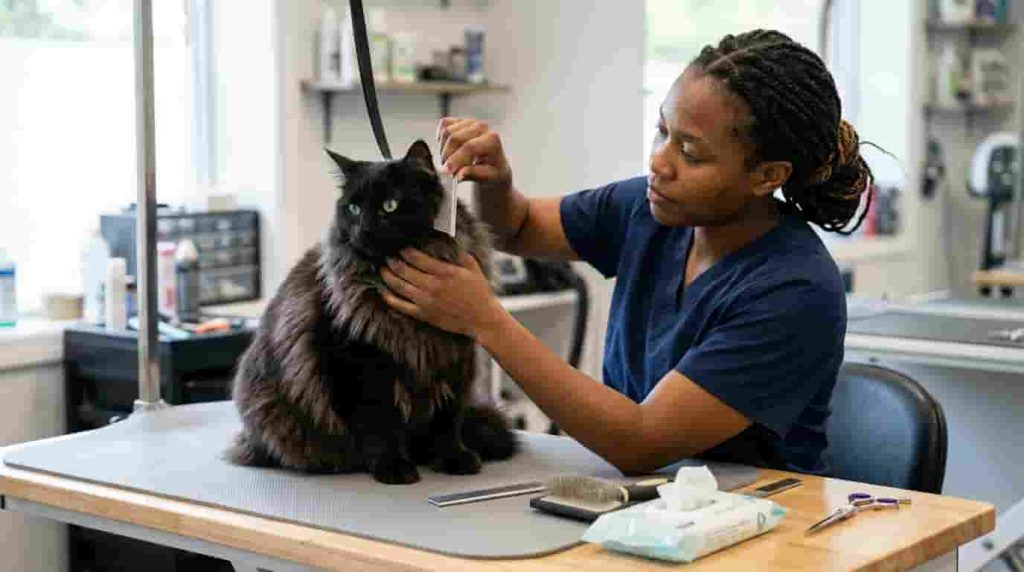
Creating a predictable schedule helps your pet know exactly what to expect each day. Try to groom your cat at the exact same time every afternoon when they feel sleepy. This consistency reduces anxiety because felines thrive on strict daily routines and habits.
Furthermore, dynamic cat care tips emphasize adjusting your technique based on seasonal shedding patterns. Cats drop their heavy undercoats during spring, which requires extra grooming attention from you. Increasing your sessions during these months prevents massive piles of fur from accumulating on your rugs.
A clean, hairball-free pet is a healthy pet that feels comfortable in its own environment. This comfort carries over into good litter habits and overall excellent behavior around the house. If you have a new kitten, check out our cat litter training guide to build great hygiene habits early.
Summary of the Ultimate Cat Brushing Guide
In conclusion, consistency remains the absolute secret to transforming your pet’s grooming habits completely. This cat brushing guide highlights the power of short sessions, excellent tools, and positive reinforcement. You can achieve a beautiful, shiny coat while keeping your pet completely stress free.
Always remember to move at your cat’s preferred pace and use plenty of delicious treats. Your patience will eventually pay off with a happier pet and a hair-free home.
Do you have a cat that runs away from the brush, or do they love grooming? Please share your personal stories and best tips in the comments section below!
Frequently Asked Questions
Short-haired cats generally require a thorough brushing session about once or twice each week. Long-haired breeds need daily attention to prevent severe mats and tangles from forming in their dense undercoat. Regular checks help you adjust this schedule based on your pet’s specific shedding needs.
If your cat bites the tool, they are telling you they feel overwhelmed or overstimulated. Stop the grooming session immediately and give your pet some space to calm down completely. Next time, shorten the session significantly and use better treats to reward calm behavior.
The lower back and base of the tail are difficult areas for cats to reach themselves. This problem occurs frequently in older felines or overweight cats that suffer from decreased flexibility. Therefore, you must give these specific areas extra attention during your home grooming routines.
You should never use human brushes because the bristles are too stiff and tightly spaced. These tools can scratch your cat’s sensitive skin and pull painfully on minor hair tangles. Specialized feline tools ensure a safe, comfortable experience that protects their delicate skin barrier.
Hold the fur firmly beneath the mat with your fingers to protect the sensitive skin surface. Use a wide-toothed comb to pick at the knot slowly starting from the outer edges. Gently work your way inward while offering delicious treats to keep your pet distracted.