Cat Litter Training Guide: How to Get Your Cat to Poop in One Spot Every Time.
Introduction:
Cat litter training guide success starts the very moment you bring a brand new feline companion into your home. Finding an unexpected, wet puddle on your clean living room carpet can instantly ruin your morning. This common household issue leaves many pet parents feeling totally stressed, deeply overwhelmed, and completely defeated.
Fortunately, this unique cat litter training guide provides a sensory blueprint to fix the issue fast. We will focus specifically on your pet’s natural instincts regarding surface texture, privacy, and substrate depth. These crucial details often get completely ignored in basic instruction manuals or online forums.
Therefore, you will quickly learn the exact steps to create an ideal, stress-free bathroom environment. Following our expert advice will ensure your kitten or adult rescue cat uses their pan reliably. Let us look at the best ways to establish clean bathroom habits today.
Why This Ultimate Cat Litter Training Guide Benefits Your Home
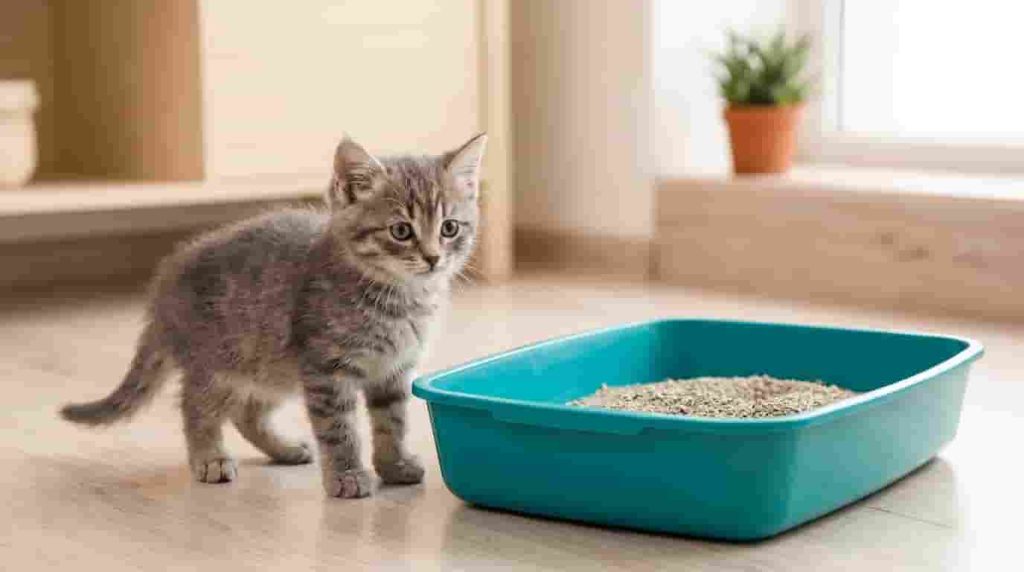
Understanding feline instincts makes litter box training for cats a much smoother experience for everyone. In the wild, felines carefully choose soft, sandy soil to bury their waste from larger predators. Therefore, successful home training relies heavily on providing an indoor surface that mimics these specific textures.
According to the Cornell University College of Veterinary Medicine, surface preferences can make or break your pet’s habits. Felines possess highly sensitive paw pads that react strongly to different types of granules. Consequently, providing a comfortable material prevents your pet from seeking out alternative household locations.
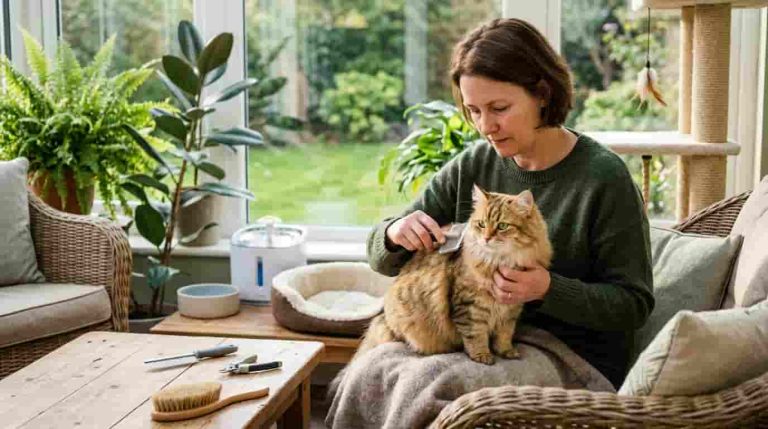
Consistent bathroom habits build a strong foundation for overall behavioral training and daily care. For instance, a relaxed pet that understands its routine is much easier to manage during grooming sessions. You can learn more about managing your pet’s coat care in our comprehensive cat brushing guide.
Selecting the Best Cat Litter for Training Success

Choosing the best cat litter for training requires paying close attention to your pet’s subtle reactions. Most young felines naturally prefer unscented, fine-grained clumping clay because it feels pleasant under their toes. Avoid buying heavily perfumed varieties because strong artificial scents easily repel animals with sensitive noses.
Additionally, non-clumping paper pellets offer an excellent alternative option for very young kittens during early training phases. Young kittens occasionally try to eat small clay granules out of natural curiosity. Therefore, paper options provide maximum safety while your pet learns the basics of their new routine.
Once you find the perfect substrate, you can look forward to cleaner floors and less daily scooping. Using these best cat litter tips ensures your pet feels secure and comfortable every time they step inside. This comfort directly encourages them to return to the exact same spot without hesitation.
Mastering Effective Cat Litter Training Methods at Home
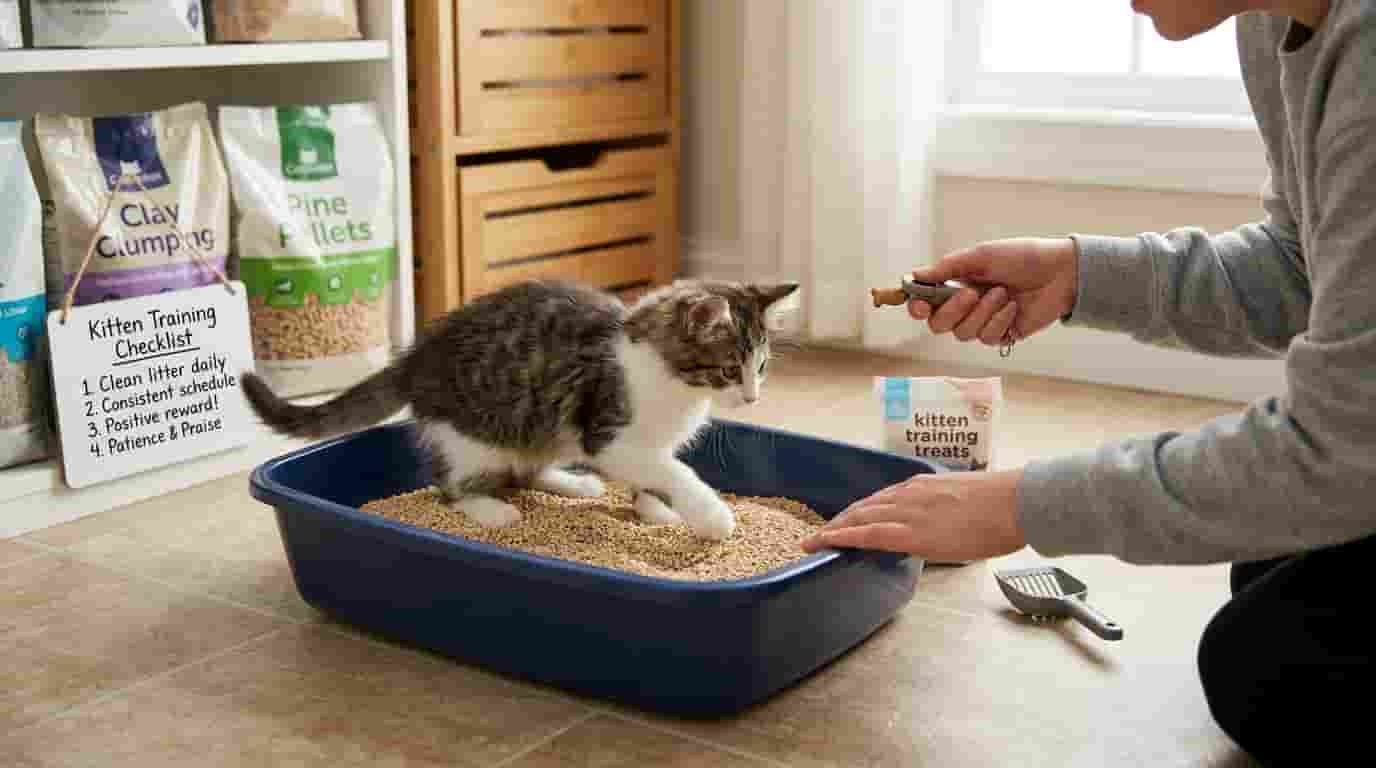
First, restrict your pet’s access to a single small room during the initial days of training. A quiet bathroom or utility room works perfectly because these spaces feature easy-to-clean tile floors. Place food, water, a cozy bed, and the plastic pan in this dedicated area.
Next, establish a strict cat litter training schedule based on your pet’s natural daily rhythms. Place your furry friend gently into the substrate immediately after meals and right after they wake up from naps. These specific moments represent the times when felines naturally feel the strongest urge to relieve themselves.
Finally, praise your pet enthusiastically whenever they dig or use the pan correctly. You can reward their successful behavior with a small, high-value treat to reinforce the positive memory. These effective cat litter training methods turn a necessary daily chore into a rewarding experience.
Overcoming Resistance With Smart Cat Litter Training Techniques
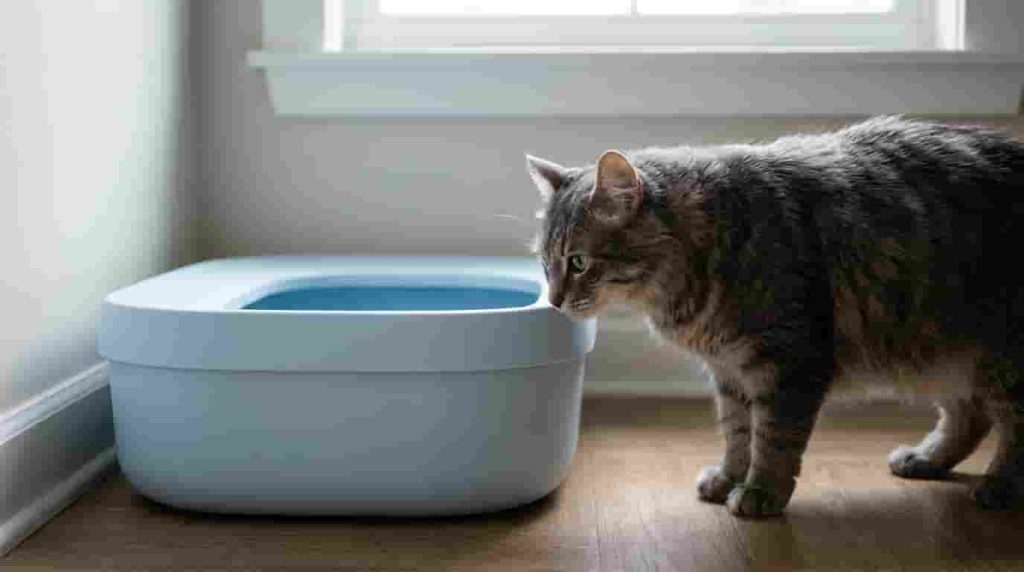
Never scold or punish your pet if they accidentally miss the pan during the learning process. Felines do not understand physical discipline, so shouting will only make them afraid of you and the bathroom area. Instead, clean the soiled spot immediately using a specialized enzymatic cleaner to remove the scent.
One cat owner named Jessica struggled for three weeks with her newly adopted rescue cat, Felix. She realized Felix avoided the pan because the deep three inch layer of clay made him feel completely unstable. Jessica lowered the material depth to just one inch, and Felix began using the facility perfectly that very night.
Adjusting your approach to fit your pet’s comfort levels will help you handle other home care challenges. For example, patient handling techniques work beautifully when you face common cat pooping outside litter box issues. Reducing stress around the house makes your companion much more cooperative during daily routines.
Top Cat Litter Training Tricks for Indoor Felines
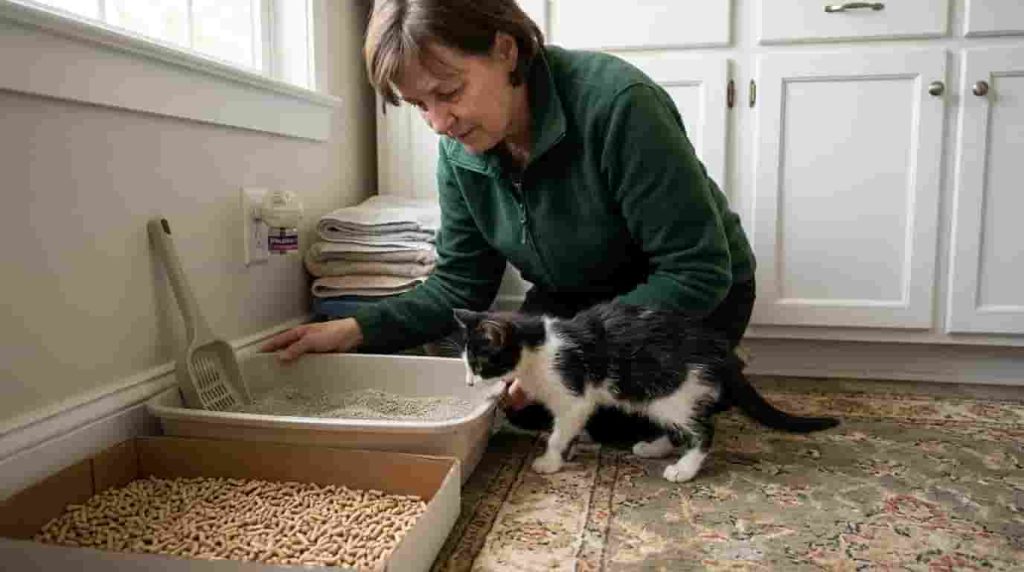
Implementing a few clever top cat litter training tricks can speed up the learning process significantly. Try placing a small piece of your pet’s accidental waste directly into the clean pan substrate. This simple trick provides a clear, familiar scent cue that guides your pet back to the proper location.
Furthermore, make sure you use an open-topped plastic container rather than a dark, covered hood style. Open pans allow your pet to monitor their surroundings for potential danger while they feel vulnerable. This extra sense of security encourages consistent usage among anxious or newly adopted rescue animals.
Building confidence in one area of life encourages your pet to cooperate during other essential health tasks. For instance, a confident cat handles wellness routines much better, such as the steps outlined in our cat nail clipping guide. Maintaining low stress across all daily activities ensures a happy, healthy companion.
Step-by-Step Instructions on How to Litter Train a Cat
- Place the open plastic pan in a quiet corner away from noisy household appliances.
- Fill the container with two inches of unscented clumping clay for maximum stability.
- Introduce your pet to the area and allow them to sniff the new substrate freely.
- Gently mimic a digging motion with your fingers to show them how the material moves.
- Watch for telltale signs like sniffing corners, circling, or scratching at the household rugs.
- Move your pet immediately to the pan if you notice any of these warning signs.
- Keep the container impeccably clean by scooping out waste at least twice every single day.
Advanced Kitty Litter Training Guide Advice for Rescue Pets
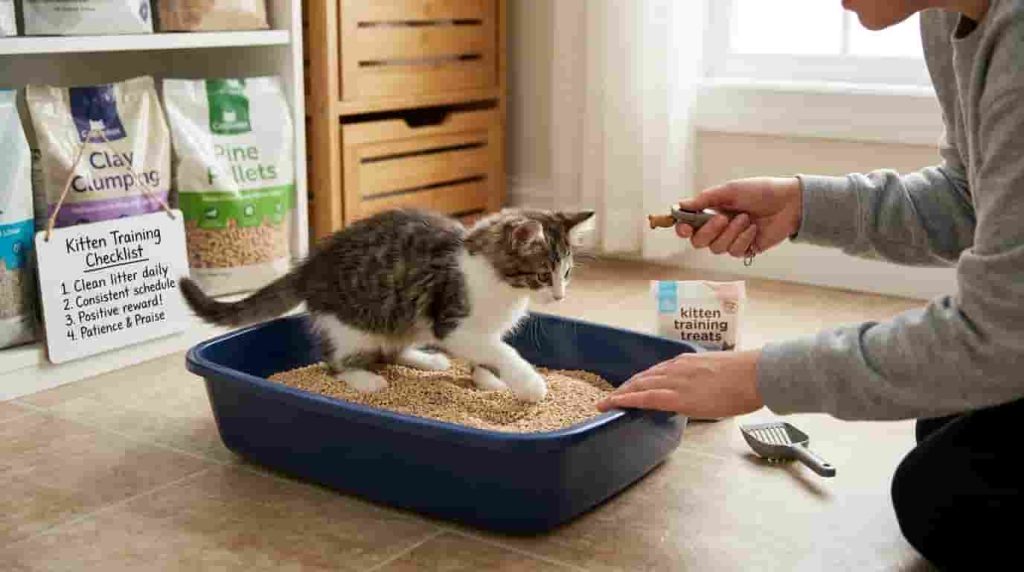
Adult rescue felines often require unique cat potty training guide adjustments based on their complex past environments. Some outdoor rescues only understand the texture of real dirt, green grass, or natural garden mulch. Therefore, you may need to mix a small amount of potting soil into the clay initially.
Gradually reduce the amount of real soil over a two week period until only pure clay remains. This gentle transition allows the animal to adapt to modern household substrates without feeling confused or defensive. Using these patient cat litter training tips ensures long-term success for any rescue animal.
A smooth transition to indoor life helps prevent severe anxiety-related behaviors from developing over time. If your pet ever requires medicine for stress, you can use our guide on cat pilling tricks to avoid a stressful struggle. Keeping every care process calm protects the delicate bond between you and your pet.
Troubleshooting Common Cat Toilet Training Obstacles
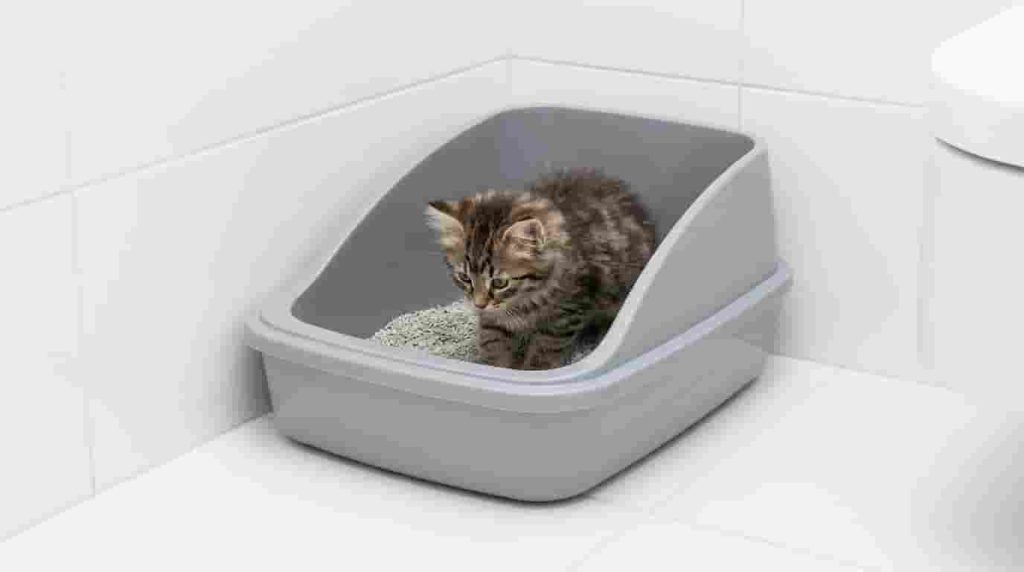
Multi-cat households require extra planning to ensure successful litter training for indoor cats across the board. The golden rule states you must provide one pan per cat plus an extra one for safety. Placing these containers in separate rooms prevents dominant animals from blocking access to the facilities.
Additionally, notice if your pet begins to avoid their bathroom after a sudden household change. Moving furniture, welcoming new guests, or adopting other pets can temporarily disrupt your cat’s established bathroom habits. Maintain a quiet environment around the pans to help your pet feel completely secure again.
If your pet develops a dirty coat from an accidental mess, look at our cat bathing guide for safe washing techniques. Keeping your pet clean and comfortable prevents a wide variety of behavioral issues. Consistent care ensures your home stays fresh and your pet remains healthy.
Long-Term Benefits of the Cat Litter Training Guide
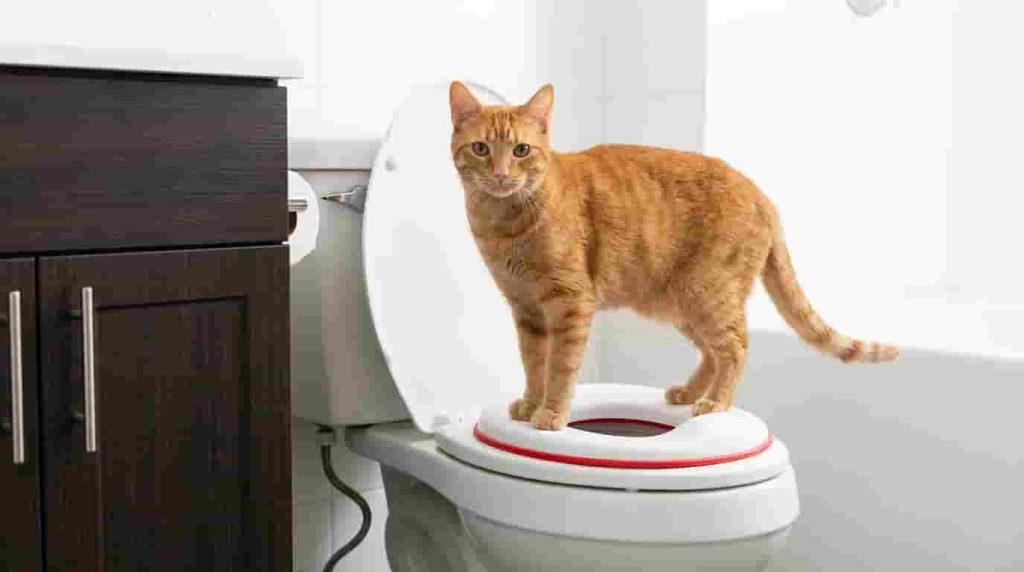
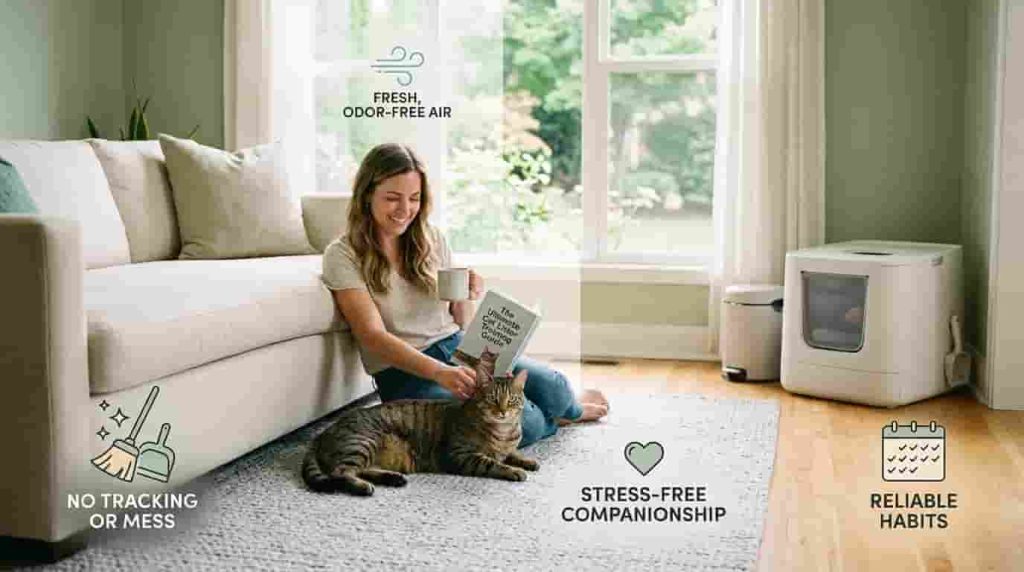
Establishing this kitty litter training guide routine delivers incredible rewards for you and your feline friend. A reliable bathroom routine ensures your house smells fresh and clean all year long. Furthermore, your pet will experience much less daily anxiety once they feel confident in their designated space.
According to VCA Animal Hospitals, consistent bathroom habits strongly indicate excellent physical and emotional well-being. Regular monitoring of the box allows you to spot changes in digestion or urinary frequency early. Therefore, this simple routine acts as a vital tool for guarding your pet’s long-term health.
Your patient guidance forms an unbreakable bond of trust that lasts for many years to come. Enjoy the beautiful peace of mind that comes with a perfectly trained, content indoor feline.
Conclusion
In summary, implementing the steps in this cat litter training guide will restore peace to your clean home. You can achieve lasting success by focusing on proper placement, texture preferences, and positive rewards. Always maintain a patient attitude and remember that every animal learns at their own unique pace.
Consistency and high-quality praise will help your companion develop flawless bathroom habits for life. Your efforts will result in a stronger bond and a beautifully clean living space.
Did you find these training techniques helpful for your new feline companion? Please share your personal success stories and favorite pet tips in the comment section below!
Frequently Asked Questions
First, place your cat in a small, quiet room with an open pan filled with unscented clay. Next, set your pet gently into the container after every meal and immediately after naps. Finally, reward their successful attempts with high-value treats to build a strong positive association.
Most young kittens grasp the basic concepts of using their pan within a few days of consistent guidance. However, some individual pets may require up to three weeks to master the routine completely. Maintaining a strict feeding schedule helps you predict exactly when they need to use the facility.
Sudden avoidance usually indicates an underlying medical issue, a dirty container, or extreme household stress. Felines often reject their facilities if you change the brand of substrate or move the box location. Consult your veterinarian first to rule out any serious urinary or digestive tract health concerns.
Place the pan in a quiet, low traffic corner that remains easily accessible to your pet twenty-four hours a day. Scoop the waste out at least twice daily to keep odors from building up in the small space. Avoid placing the container near loud appliances like refrigerators or shaking washing machines.
You should avoid covered boxes during the initial training phase because hoods trap intense odors inside. Domes also prevent your cat from seeing potential threats, which can make them feel trapped and anxious. Open pans provide a much more inviting and secure environment for a learning pet.