
Cat Bite Symptoms: Signs of Infection, Rabies and When to Worry
Introduction
Cat Bite Symptoms require careful attention, as even a small puncture wound can develop serious complications. Because cats possess sharp, slender teeth, they often inject bacteria deep beneath the human skin where standard surface cleaning cannot easily reach.
While some minor discomfort is expected during normal tissue healing, other warning signs require prompt medical evaluation. Understanding the full progression of these indicators helps protect your health and ensures timely intervention. This article explores:
- Early symptoms
- Infection warning signs
- Rabies concerns
- Healing timeline
- When to see a doctor
- Prevention strategies
What Are the First Cat Bite Symptoms?
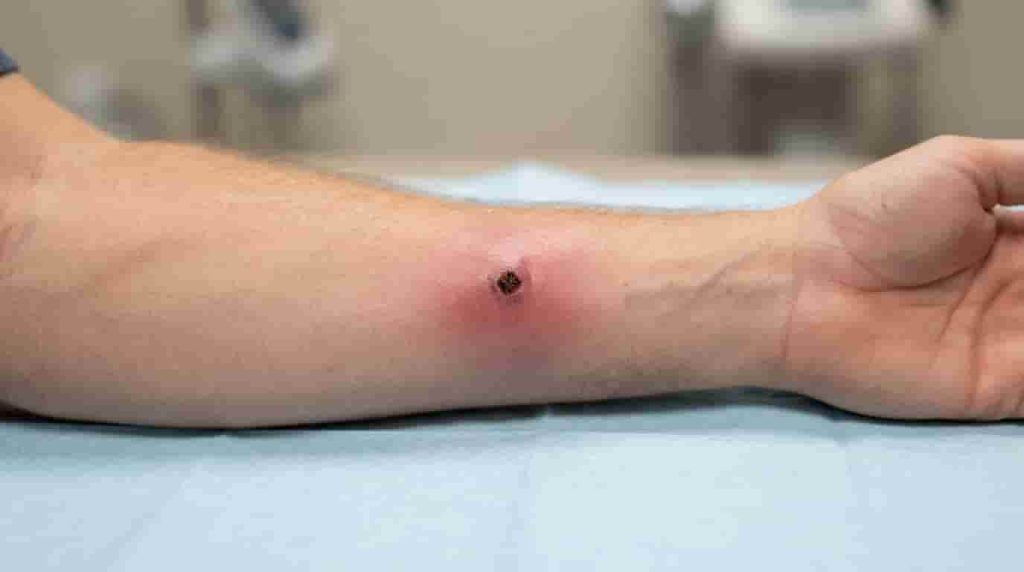
Most people experience mild pain, tenderness, slight bleeding, and redness immediately after a bite. These early symptoms are often part of the body’s normal inflammatory response, but they should gradually improve rather than worsen over the first 24 hours.
Key Initial Indicators
- Cat bite pain: Immediate sharp discomfort at the puncture site.
- Minor bleeding: Usually cleanses the wound slightly from the inside out.
- Cat bite swelling: Localized puffiness around the puncture marks.
- Tenderness: Sensitivity when touching the surrounding skin.
- Cat bite redness: A mild pink or red border immediately surrounding the teeth marks.
- Small, deep puncture wounds that close up quickly.
These symptoms appear because the physical trauma damages tiny blood vessels and soft tissues. Normal healing involves a steady decrease in these discomforts day by day. Any expanding warmth or escalating pain should immediately raise concern.
How Long After a Cat Bite Do Symptoms Appear?

Symptoms Within the First 24 Hours
During the first day, expect minor pain, swelling, redness, and occasional light bleeding. These local reactions stem directly from the trauma of the animal’s teeth piercing the skin barrier.
Symptoms After One to Three Days
This window is critical because bacterial infections often begin to manifest. Watch closely for:
- Increasing redness spreading away from the wound
- Noticeable warmth radiating from the bite area
- The appearance of pus or cloudy drainage
- Worsening cat bite pain that disrupts daily activities
Symptoms After Two Weeks
If a wound displays delayed healing, persistent swelling, or ongoing drainage past two weeks, underlying complications like deep-tissue inflammation or foreign material (such as a broken tooth fragment) must be professionally evaluated.
Cat Bite Infection Symptoms

A cat bite infection frequently triggers escalating redness, swelling, warmth, intense pain, and occasionally systemic issues like cat bite fever.
Early Infection Signs
- Redness spreading outward from the puncture
- Expanding swelling
- Escalating pain that fails to subside
- Warm skin directly around the wound site
Advanced Infection Signs
- Thick drainage, pus, or foul-smelling discharge
- Systemic cat bite fever and chills
- Swollen regional lymph nodes (such as in the armpit or groin)
- Red streaks traveling up the arm or leg (indicating lymphangitis)
Comparison: Normal Healing vs. Possible Infection
| Normal Healing | Possible Infection |
| Mild soreness improving daily | Pain getting progressively worse |
| Stable redness localized to the rim | Expanding, dynamic redness |
| Minimal, stable swelling | Increasing, hard swelling |
| Dry wound or light scabbing | Pus, fluid drainage, or wet discharge |
Naturally, monitoring for a cat bite infection signs list helps catch bacterial strains like Pasteurella multocida before they escalate.
Is a Cat Bite Dangerous?

Cat bites carry a significantly higher infection rate than dog bites—often exceeding 50%—due to the anatomy of a cat’s teeth. They act like hypodermic needles, depositing bacteria deep into joints, tendons, and muscle sheaths.
Myth vs. Fact
- Myth: If a cat bite stops bleeding and looks small, it is safe to leave alone.
- Fact: Small puncture wounds close rapidly, sealing bacteria inside deep tissues and creating an ideal environment for aggressive localized infections.
Factors that increase complications include bites located on the hands or wrists, pre-existing circulation issues, or a compromised immune system. Early professional medical evaluation is vital.
Cat Bite Symptoms That Need Immediate Medical Attention

Seek urgent medical care or visit a cat bite emergency room if you notice any of the following warning signs:
- Rapidly spreading swelling or redness
- Severe, throbbing pain that keeps you awake
- Systemic fever or shaking chills
- Pus or cloudy discharge leaking from the punctures
- Visible red streaks moving up your limb
- Difficulty moving fingers, hands, or nearby joints
- Any bite located on the face, neck, or directly over a joint
- Heavy or uncontrolled bleeding
Each of these symptoms indicates that bacteria are overwhelming local immune defenses and potentially invading deeper structural tissues or the bloodstream.
Cat Bite Symptoms on Different Parts of the Body

Cat Bite on the Hand
Hand bites are exceptionally dangerous because the skin lies very close to bones, tendons, and synovial joints. Infections in this region can track rapidly along tendon sheaths, permanently impairing mobility. For a deeper dive into this specific risk, review our guide on Cat Bite on Hand: Symptoms, Treatment, Infection Risks and When to Worry
.
Cat Bite on Arm or Leg
Limbs possess robust muscle mass, but bites on the lower extremities can face slower healing times due to dependent circulation and venous pooling.
Cat Bite on Face
Facial bites carry high cosmetic risks and require immediate evaluation to prevent scarring, coupled with vigilance regarding airway proximity if swelling occurs.
Cat Bite on Foot
Foot bites, especially in individuals with diabetes or poor peripheral circulation, carry extreme risks for deep bone infections (osteomyelitis).
Cat Bite Symptoms in Children

Children frequently experience bites on the face, hands, or arms due to their height and close interactions with pets. Because young children may struggle to articulate internal pain, parents must look closely for behavioral and physical cues:
- Unexplained, persistent crying or irritability
- Reluctance to use an arm, leg, or hand
- Unexplained fever or lethargy
- Swelling, warmth, or red discoloration around a minor scratch or puncture
- Sudden poor appetite or refusal to eat
If a toddler displays these symptoms after interacting with a pet, contact a pediatrician immediately for guidance on cat bite treatment options.
Cat Bite Symptoms and Rabies Concerns

Most domestic cat bites do not result in rabies, but the potential risk depends heavily on the animal’s vaccination history, geographic location, and whether the cat can be quarantined.
When a stray or unvaccinated cat delivers an unprovoked bite, local public health guidelines typically require a 10-day observation period for the animal or immediate post-exposure prophylaxis (PEP) coordination with a physician. To understand vaccination schedules and exposure protocols, read our detailed resource on Cat Bite Rabies: Symptoms, Risks, Vaccines and When to Seek Help
.
What Should You Do If You Notice Cat Bite Symptoms?
Taking swift action can dramatically reduce the likelihood of severe complications:
- Wash the wound thoroughly: Flush the puncture site aggressively with running tap water and mild soap for at least 5 minutes to wash out bacteria.
- Cover with a clean dressing: Place a sterile gauze pad or bandage loosely over the area.
- Watch for worsening symptoms: Track changes in pain levels, swelling, and redness hourly.
- Seek medical care when appropriate: Consult a healthcare provider promptly, especially if the puncture is deep or located on the hands.
- Follow treatment instructions: Complete any prescribed course of cat bite antibiotics fully.
For step-by-step first aid instructions and safety protocols, consult Cat Bite Treatment: First Aid, Symptoms and When to Seek Help
.
How Doctors Evaluate Cat Bite Symptoms

When you visit a clinic or urgent care center, medical professionals perform a structured assessment:
- Reviewing your medical history and tetanus vaccination status (evaluating cat bite tetanus risk)
- Examining the depth and exact location of the wound
- Checking for early signs of spreading cellulitis or lymphangitis
- Deciding whether prophylactic or therapeutic cat bite antibiotics (such as augmentin) are necessary
- Assessing exposure history for rabies protocols
Following all follow-up visits ensures the infection clears completely without lingering tissue damage.
Preventing Serious Cat Bite Symptoms
Preventing complications begins before an incident occurs and continues through proper immediate care:
- Practice safe handling and learn to read feline body language (avoiding overstimulation).
- Refrain from rough play using hands or bare skin as toys.
- Perform immediate, thorough cat bite first aid following any accidental break in the skin.
- Seek early medical care rather than waiting for symptoms to explode.
- Keep your household pets completely up to date on their rabies vaccinations.
Proper cat bite prevention protects both your physical health and your bond with your pets.
Common Mistakes After a Cat Bite

- Ignoring a “small” puncture wound assuming it will close and heal safely on its own.
- Waiting several days to seek medical care once an infection is already raging.
- Applying unproven home remedies or harsh chemicals that damage local tissue.
- Stopping prescribed antibiotic therapy early just because the initial redness starts fading.
- Covering a dirty puncture wound without thoroughly irrigating it first.
- Assuming an indoor-only cat cannot harbor harmful bacteria or viruses.
Frequently Confused Conditions
It is easy to mix up different skin reactions following animal encounters. Understanding the differences ensures correct management:
- Normal inflammation: The body’s immediate, short-term response to physical trauma that stabilizes quickly.
- Bacterial infection: A progressive, worsening microbial invasion requiring medical antibiotics.
- Cat scratch disease (cat scratch fever): A bacterial infection (caused by Bartonella henselae) typically transmitted via scratches rather than deep punctures, characterized by persistent swollen lymph nodes weeks later.
- Allergic skin reactions: Localized hives or contact dermatitis triggered by cat saliva on unbroken skin.
When Is Recovery Going Normally?
A successful recovery path features clear markers of healing:
- Daily reduction in localized redness
- Noticeable shrinkage of swelling around the punctures
- Decreasing pain levels without relying heavily on pain relief medications
- Clean wound closure without fluid accumulation or foul discharge
Conclusion
Recognizing early cat bite symptoms and watching closely for signs of infection can prevent minor incidents from turning into major medical emergencies. Never ignore worsening pain, expanding redness, or swelling. Seeking prompt medical care when warning signs develop ensures fast recovery and greatly reduces the risk of serious complications.
Have you or someone you know ever experienced a complicated cat bite? Share your questions or experiences in the comments below!
Frequently Asked Questions
Yes. While immediate pain and minor redness appear right away, bacterial infections (like Pasteurella) often take 24 to 72 hours to fully manifest with swelling, warmth, and pus.
Not necessarily. Initial mild swelling is part of the body’s normal trauma and inflammatory response. However, hard, expanding, or worsening swelling after day two strongly suggests a developing infection.
Yes. Even indoor cats carry normal bacteria in their mouths (such as Pasteurella and Staphylococcus) that can cause severe infections when introduced into deep human tissues via puncture wounds.
Normal trauma pain should peak within the first 24 hours and steadily improve day by day, usually resolving significantly within 3 to 5 days. Increasing pain after day two points toward infection.
Not every bite requires the emergency room, but bites on the hands, face, over joints, or deep puncture wounds from stray animals warrant prompt evaluation by a doctor or urgent care provider.