
How Long Can a Cat Travel in a Car? Safe Travel Times and Tips
Introduction
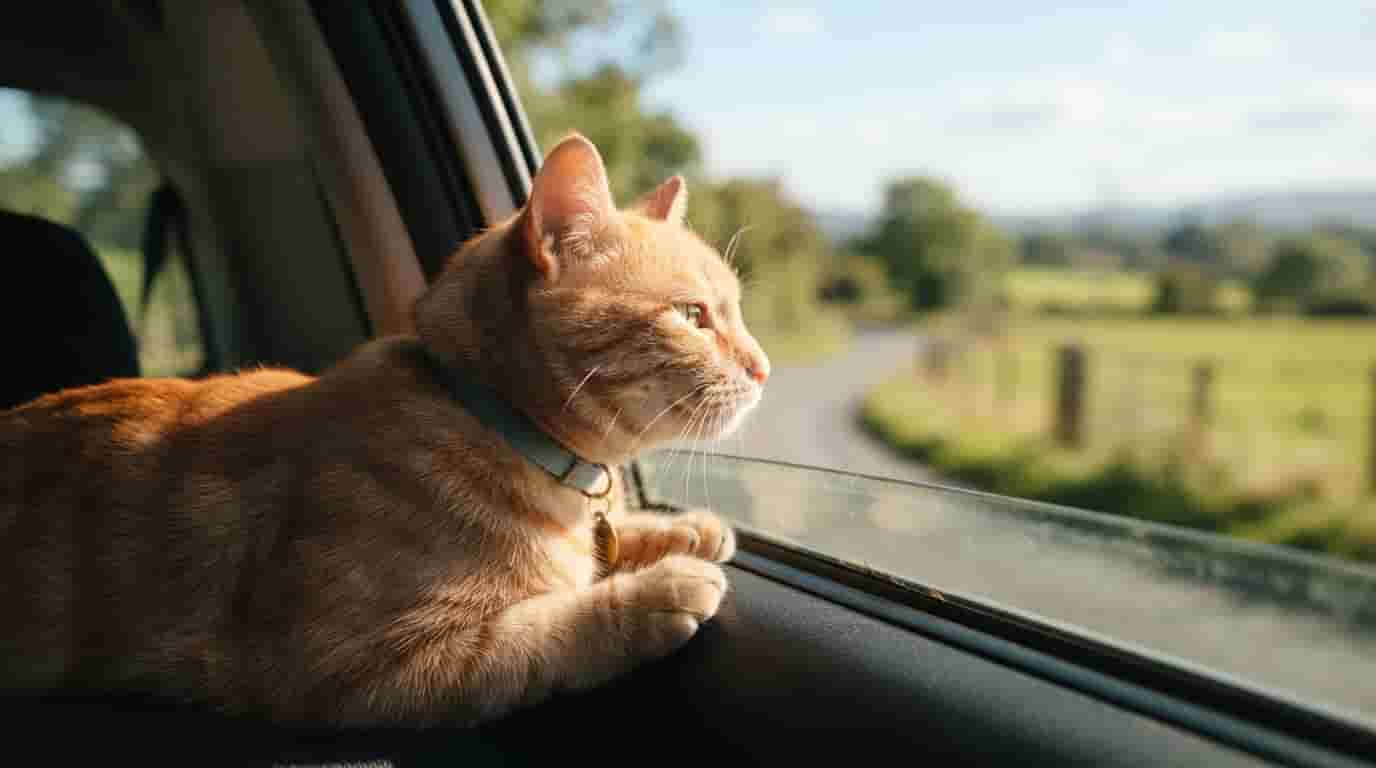
How Long Can a Cat Travel in a Car? There is no single maximum duration or universal number of hours that is safe for every feline. Instead, the length of time a cat can comfortably and safely remain in a vehicle depends heavily on individual circumstances, trip conditions, and how well you prepare. While a short drive to the veterinarian might take only 15 minutes, an extended trip spanning several hours requires a completely different approach.
Whether you are planning a routine move or a cross-country journey, understanding your cat’s limits is essential. The factors that determine whether a journey is manageable include your cat’s age and health, their stress level, vehicle temperature and ventilation, access to water, carrier setup, and the frequency of breaks during longer journeys. Longer trips require much more forethought and preparation than a quick ride around the block. This article will cover safe travel timelines, carrier requirements, preparation strategies, signs of stress, and how to manage extended journeys safely.
How Long Can a Cat Travel in a Car?

There is no universal number of hours for every cat. Some felines tolerate the motion and environment well for hours with proper breaks, while others become severely stressed within minutes. To understand your options, it helps to distinguish between a short routine car ride, a moderate journey, and a long-distance trip.
A cat’s physical and mental condition matters just as much as the clock. Prolonged confinement can quickly increase stress, thirst, physical discomfort, motion sickness, and bathroom needs. Because of this, owners should actively plan longer trips rather than treating them like one uninterrupted drive. The ultimate goal is not simply to reach a certain number of hours on the road, but to keep your cat safe, hydrated, and as comfortable as possible throughout the entire journey.
What Is a Reasonable Cat Car Ride Length?
Short car trips
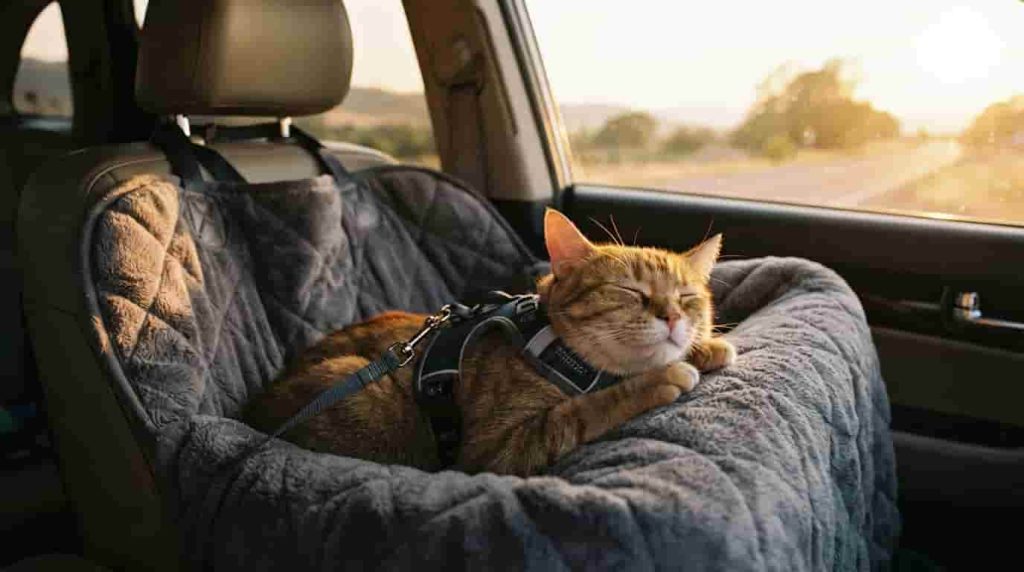
Short routine car trips typically include veterinary visits, grooming appointments, brief relocations, or emergency errands where the cat must travel. These journeys are usually much easier to manage because the limited timeframe minimizes stress, motion sickness, and the need for elaborate en-route care.
Longer car journeys
As travel time increases, preparation becomes significantly more important. Cats should not simply remain confined for hours without planning for their basic needs. Extended travel requires careful monitoring, scheduled stops, and provisions for water and comfort.
When does a car ride become too long?
Many owners wonder: “How long is too long of a car ride for a cat?” Warning signs from your cat and adverse journey conditions are always more meaningful than an arbitrary time limit. If a cat is showing signs of extreme panic, severe vomiting, or distress that does not subside, the ride has likely exceeded their safe tolerance level.
How Long Can a Cat Travel in a Carrier?
A secure, well-chosen carrier is essential during car travel. The carrier size matters immensely; it should allow the cat to sit comfortably, turn around, change position, and remain completely secure during sudden stops or turns.
Being in a carrier for an extended period increases the importance of comfort, proper ventilation, and continuous monitoring. Position the carrier securely on a vehicle seat (often secured with a seatbelt) or on the floor behind the front seat where it will not slide around. Adding familiar bedding or a piece of clothing with your scent can greatly soothe an anxious pet. Always avoid allowing a cat to roam freely inside a moving vehicle, as loose pets can distract the driver or become dangerous projectiles during an accident.
What Determines How Long A Cat Can Travel?
Age and health
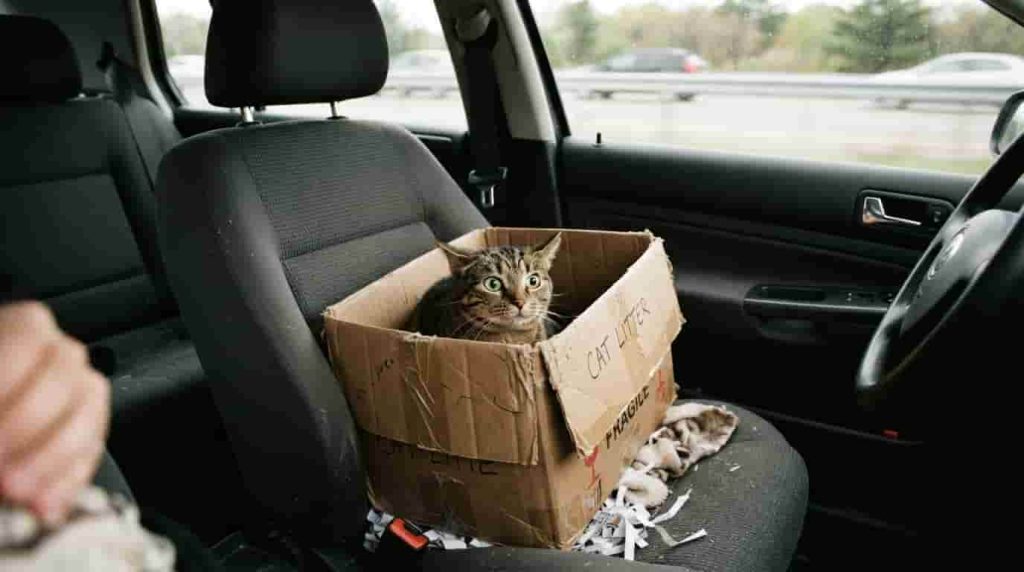
Kittens have less stamina and smaller bladders, while senior cats or those with existing health conditions (such as kidney disease, arthritis, or heart issues) may struggle significantly with the physical demands of travel. Cats recovering from an illness require extra caution, and health-related concerns should always prompt a discussion with your veterinarian before embarking on a long journey.
Temperament and previous travel experience
A cat accustomed to car travel from an early age will generally handle longer trips much better than a cat experiencing its first car ride or one that naturally becomes high-strung and fearful in new environments.
Motion sickness and anxiety
Watch for potential signs of motion sickness and stress, which include excessive vocalization, heavy drooling, restlessness, vomiting, panting, unusual breathing, or frantic attempts to escape the carrier.
Weather and vehicle conditions
Internal vehicle temperatures can fluctuate rapidly. Maintaining optimal climate control and steady ventilation is critical to preventing heat stress or chilling.
How to Prepare for Long Car Journey With a Cat

Choose and prepare the right carrier
Select a sturdy, well-ventilated carrier of the appropriate size. Line it with comfortable bedding and absorbent pads to handle unexpected accidents cleanly.
Pack your cat’s travel essentials
- Portable water and food bowls
- Fresh water and a small amount of regular food
- Extra absorbent pee pads and paper towels
- Cleaning wipes and waste disposal bags
- Any necessary prescription medications
- Up-to-date veterinary records and contact information
Prepare the cat before departure
Allow your cat to explore and become familiar with the carrier days or weeks before your trip so it does not become synonymous only with stressful events. Keep departure day calm and quiet. For those embarking on their first trip, you can read How to Travel With a Cat for the First Time: Tips and Essentials
for a comprehensive checklist and foundational guidance.
What Should You Do During an Extended Cat Car Trip?
Plan appropriate stops
Map your route ahead of time rather than improvising. Choose quiet, safe locations for necessary stops where you can check on your cat without opening doors near heavy traffic. Avoid unnecessary handling of the cat outside of a secure environment.
Offer water appropriately
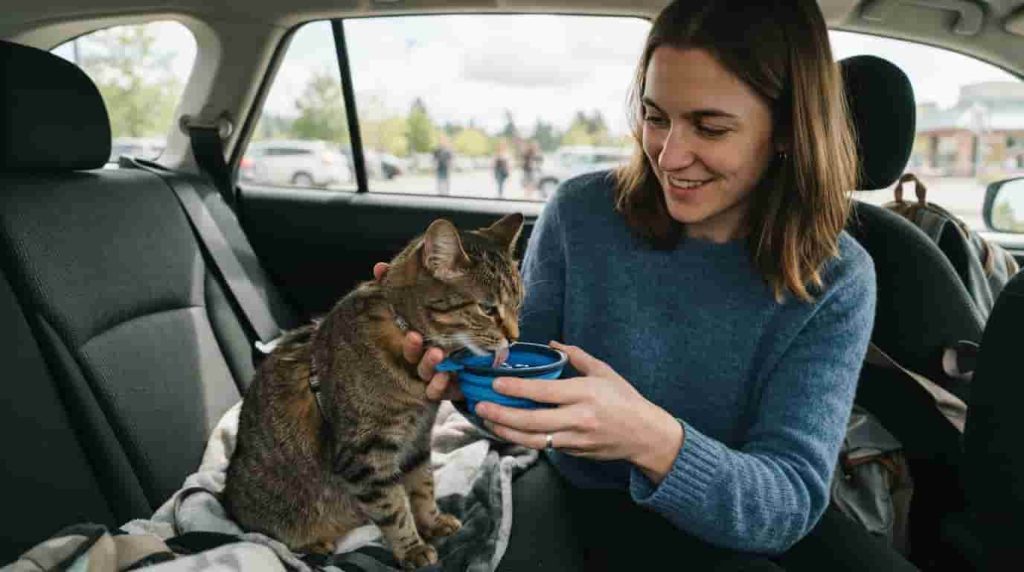
Hydration is vital. During longer travel blocks, offer opportunities for your cat to drink water during stopped breaks, using a travel bowl or a syringe if your cat refuses to drink normally from a bowl inside a parked vehicle.
Consider food and bathroom needs
Feed light meals a few hours before departure to minimize motion sickness. While most cats will hold their bladder for several hours, bring a portable litter box setup in case you need to offer a bathroom break during an overnight or multi-day trip.
Monitor your cat throughout the journey
Perform regular visual and auditory checks: Is the cat breathing normally? Is the carrier adequately ventilated and cool? Has vomiting or heavy panting occurred? Ensure your pet remains responsive and calm.
Can a Cat Travel for 8 Hours in a Car?
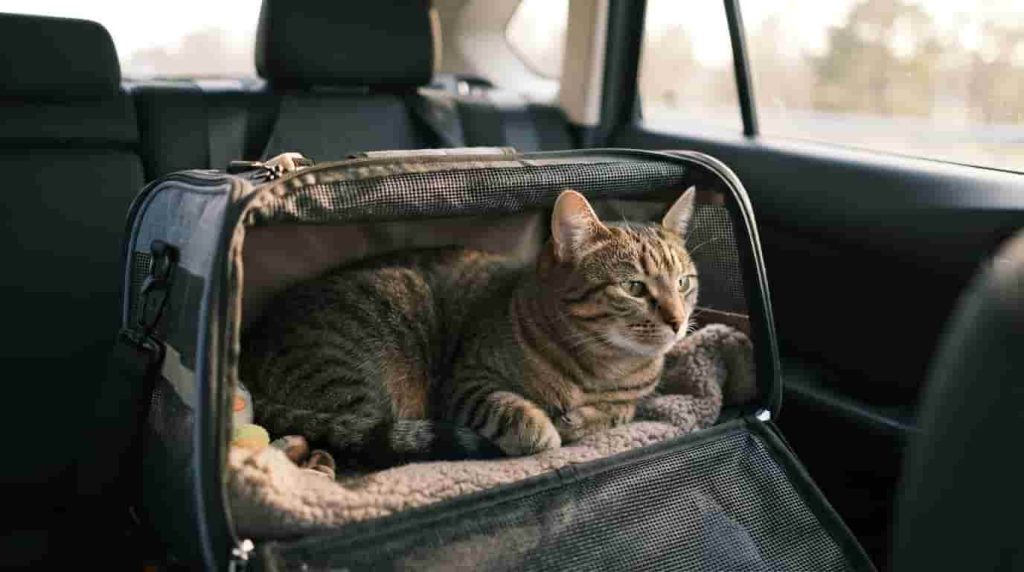
An eight-hour journey is a major undertaking that should never be treated like an ordinary short car ride. While some resilient cats can complete an eight-hour drive successfully, rigorous preparation and continuous monitoring are mandatory.
You must account for carrier comfort, consistent hydration, temperature regulation, and planned rest stops. Individual health factors and age heavily influence whether an eight-hour stretch is appropriate. If your cat has underlying medical issues or exhibits extreme travel anxiety, consult your veterinarian to discuss mild sedatives or breaking the trip into a two-day journey with an overnight hotel stay.
Can I Leave My Cat in the Car for 2 Hours?
Never treat a parked car as a safe holding place for a cat, even for a short duration like two hours. Temperatures inside vehicles can skyrocket or plummet within minutes, regardless of whether the weather outside feels mild.
Cracking a window open does not provide adequate ventilation or prevent dangerous heat accumulation. Always plan your stops so that your cat remains in a climate-controlled, supervised environment—such as a pet-friendly hotel room or accompanied by a trusted traveling companion.
How to Keep a Cat Calm During a Long Car Ride
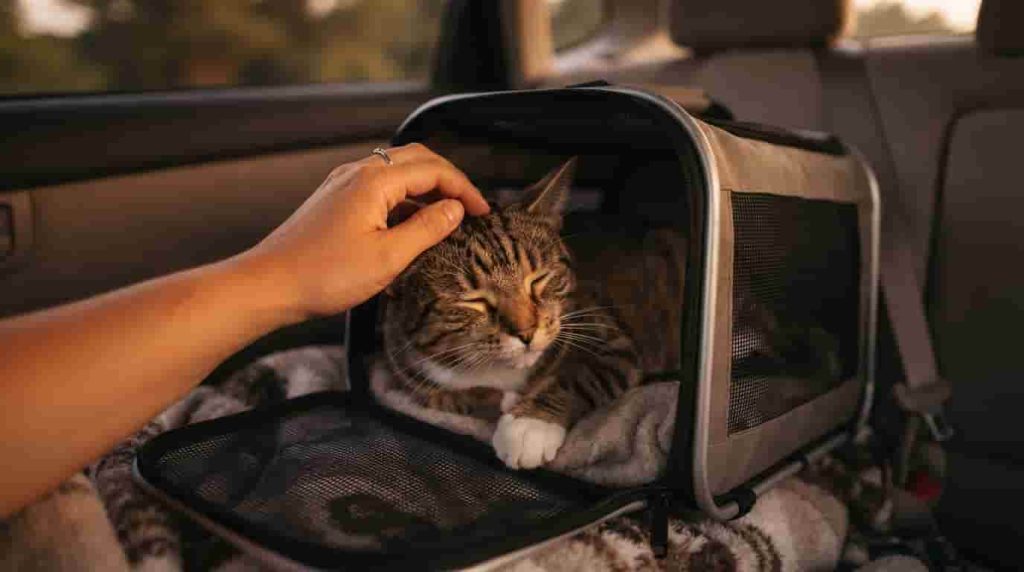
Make the carrier familiar
Introduce the carrier well in advance of travel and line it with familiar bedding that carries home scents.
Reduce unnecessary stimulation
Keep the vehicle environment quiet, minimize loud music, avoid erratic driving, and keep the carrier stable and secure from shifting. If your cat experiences anxiety or persistent distress, review expert strategies outlined in How to Keep a Cat Calm During Car Travel: Tips for Easier Rides
.
Watch for signs of severe stress
If your cat shows signs of overwhelming panic, difficulty breathing, or excessive vocalization that escalates into open-mouth breathing, pull over safely to assess them. For managing severe vocal anxiety, refer to tips in How to Stop a Cat From Crying in the Car: Causes and Tips
.
Common Mistakes When Traveling With a Cat in a Car
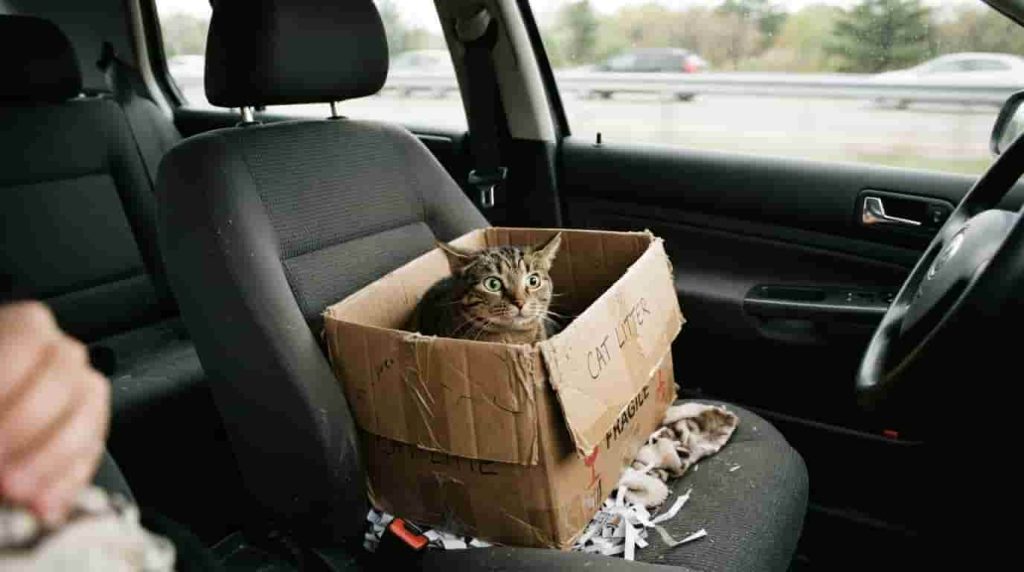
- Letting the cat roam loose: Allowing free movement creates a severe safety hazard for both the driver and the pet.
- Choosing an unsuitable carrier: Flimsy or poorly ventilated containers put the cat at risk.
- Leaving the cat unattended in a parked car: This creates life-threatening risks due to rapid temperature shifts.
- Failing to plan for water: Dehydration can happen quickly during warm weather travel.
- Ignoring signs of severe distress: Pushing a panicked cat past its mental breaking point can cause medical complications.
- Making a long journey without preparation: Skipping gradual carrier training heightens anxiety.
- Opening the carrier in an unsafe location: A frightened cat can bolt into traffic during a roadside stop.
- Assuming every cat tolerates travel equally: Failing to tailor the trip to your specific cat’s temperament.
- Waiting until departure day to introduce the carrier: This triggers immediate fear response.
- Failing to plan for emergencies: Not knowing where the nearest emergency veterinary clinic is along your route.
When Should You Stop the Journey or Seek Veterinary Help?

Watch closely for critical warning signs that indicate your cat is suffering from more than normal travel nerves. These include severe or persistent respiratory distress, difficulty breathing, repeated vomiting, extreme weakness, collapse, severe lethargy, or clear signs of overheating.
Do not assume serious symptoms are “just travel stress.” If your cat displays any of these red flags, pull over immediately and seek professional veterinary care. Cats with pre-existing medical conditions should always receive a thorough physical checkup and tailored travel clearance from their veterinarian before long trips.
How to Make Long-Distance Cat Travel Easier
Before leaving
- Prepare and test the carrier setup.
- Pack all necessary food, water, and cleaning supplies.
- Map your route and identify emergency veterinary clinics along the way.
- Assess your cat’s health status.
During the journey
- Monitor your cat’s breathing and demeanor regularly.
- Maintain a stable, comfortable cabin climate.
- Manage hydration and feeding intervals carefully.
- Execute necessary stops in safe, secure areas.
At the destination
- Set up a quiet, enclosed room for your cat immediately upon arrival.
- Provide familiar bedding, food, water, and an accessible litter box.
- Give your cat ample time and space to decompress in peace.
Frequently Asked Questions About Cat Car Travel
There is no universal maximum number of hours a cat can travel. Safe travel time depends heavily on the individual cat’s health, temperament, preparation, and the frequency of comfort breaks.
A cat can travel in a moving vehicle for several hours with proper stops and care, but should never be left unattended in a parked car for any length of time due to dangerous temperature fluctuations.
A cat can stay in a secure carrier for the duration of a travel leg, provided the carrier is well-ventilated, comfortable, and the cat is monitored regularly during scheduled rest stops.
Some cats adapt well to long car rides, while others experience high stress. Proper desensitization, secure containment, and mindful planning can make long journeys much smoother.
Ensure your cat is secured in a comfortable, well-ventilated carrier, pack essential supplies like water and medical records, maintain a stable vehicle temperature, and stop regularly to check on your pet.
Conclusion — How Long Can a Cat Travel in a Car?
Ultimately, determining how long can a cat travel in a car comes down to recognizing that there is no one-size-fits-all duration. Success relies entirely on careful preparation, safe carrier containment, reliable hydration, strict temperature control, attentive monitoring, and respect for your cat’s individual health and stress threshold. Extended journeys always demand thorough planning to ensure a safe and smooth experience. We would love to hear from you—what is the longest car journey your cat has taken, and what strategies helped keep them comfortable on the road?