Why Is My Cat Drooling? Causes, Symptoms and When to Worry
Introduction:
Why Is My Cat Drooling is a question many pet parents ask when they notice something unusual on their pet’s chin or bedding. While occasional, mild drooling can happen for completely harmless reasons, new or excessive drooling may signal an underlying health problem that requires attention. The true meaning behind a cat’s salivation usually depends on several key factors: how much the cat is drooling, whether the drooling started suddenly, whether other accompanying symptoms are present, and whether the cat continues to eat, drink, and behave normally.
This comprehensive guide will help you navigate the common reasons for cat drooling, recognize important warning signs, understand what you can do at home, and learn when it is time to contact a veterinarian. Please remember that this information is entirely educational and does not replace professional veterinary advice or diagnosis.
Why Is My Cat Drooling? What It Can Mean
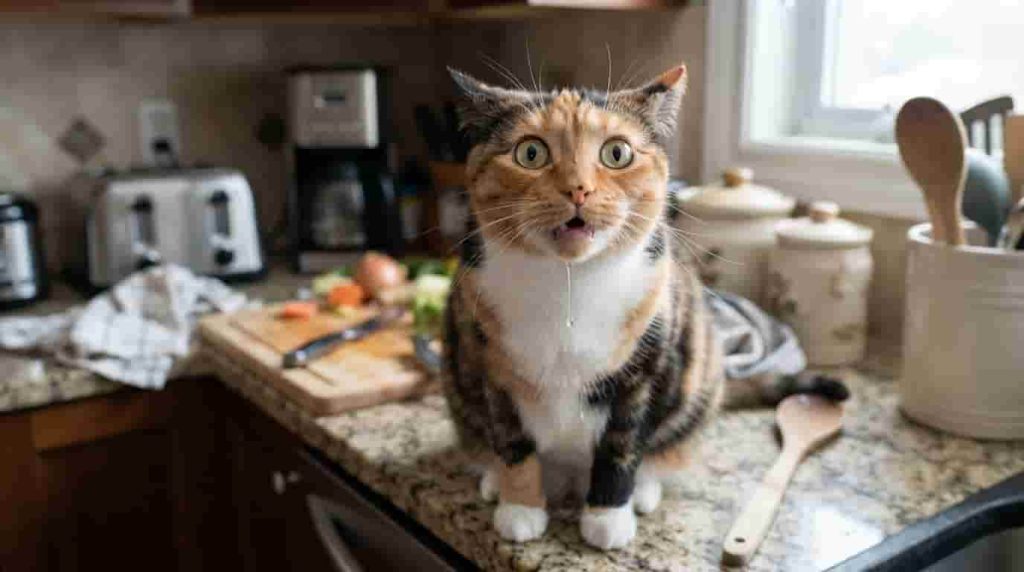
Drooling, medically known as hypersalivation or ptyalism, can stem from a wide variety of sources. When evaluating cat drooling causes, veterinarians generally look at several broad categories:
- Normal or temporary emotional reactions
- Mouth and dental problems
- Nausea or gastrointestinal upset
- Local irritation or a foreign object stuck in the mouth
- Exposure to harmful or toxic substances
- Systemic pain, illness, or fever
- Stress or strong positive emotional responses
The exact amount of saliva, the timing of the episodes, and any accompanying symptoms are crucial clues in figuring out what is bothering your feline companion.
When Drooling May Be Normal
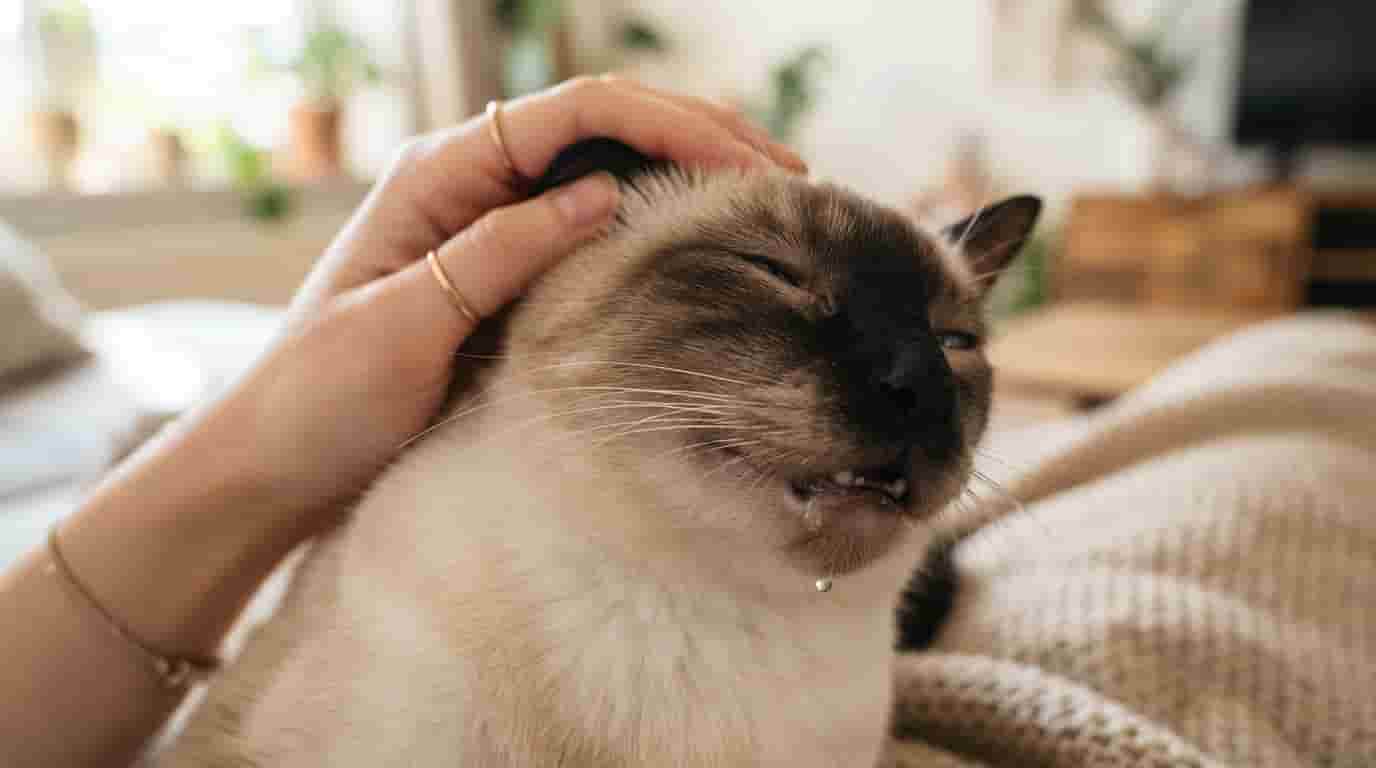
Brief, mild drooling is sometimes associated with positive or relaxed emotional states, such as deep relaxation, purring, being gently petted, or experiencing strong positive stimulation. This type of occasional situational salivation is completely different from persistent, unexplained, or sudden excessive drooling in cats.
When Drooling Is More Concerning
You should pay much closer attention if you notice persistent saliva production, sudden onset, foaming at the mouth, difficulty eating, severe bad breath, pawing at the mouth, vomiting, lethargy, breathing problems, or any other unusual behavior.
Common Cat Drooling Causes
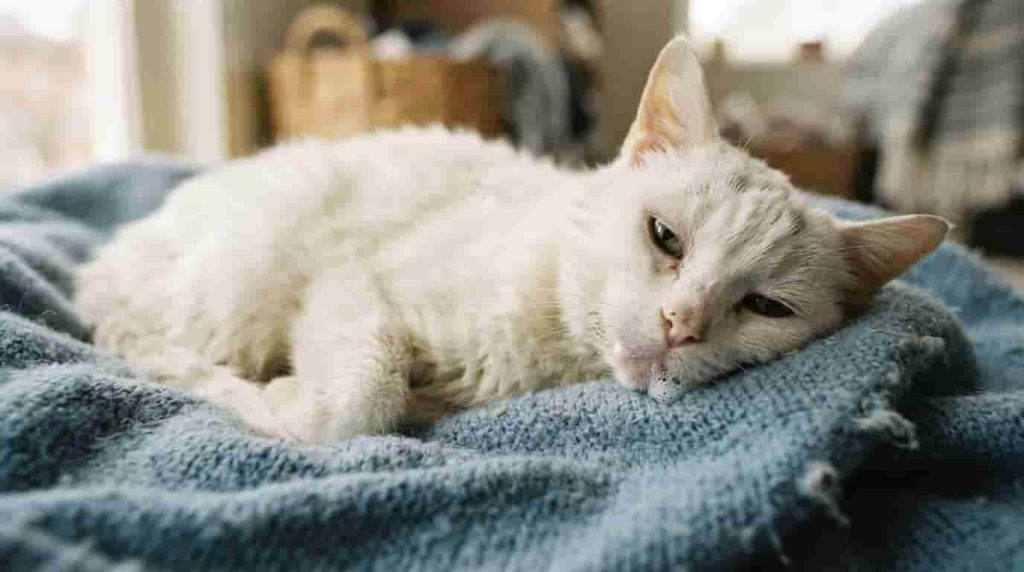
Dental Disease and Mouth Pain
Oral and dental issues are among the most frequent triggers for cat drooling health issues. Conditions such as severe gingivitis, tooth resorption, periodontal disease, or broken teeth can cause significant discomfort and increased saliva production.
Possible accompanying signs include bad breath, difficulty chewing, dropping food from the mouth, pawing at the face, and a clear reluctance to eat. Mouth problems can sometimes be tricky for owners to spot because cats instinctively hide oral pain until it becomes severe.
Something Irritating or Stuck in the Mouth
Cats explore the world with their mouths, which can occasionally lead to foreign material, plant matter, or string getting lodged around the base of the tongue or the roof of the mouth. Oral injuries or sharp items can trigger intense salivation. If you suspect something is stuck, never attempt to blindly pull objects from your cat’s mouth, as this can cause accidental injury.
Nausea or Stomach Problems
Gastrointestinal upset is a classic trigger for increased salivation. When a cat feels nauseous, their body often produces extra saliva to help protect the esophagus and stomach lining from potential acids. This form of drooling is frequently connected to vomiting, excessive lip licking, a reduced appetite, and general restlessness.
Exposure to Toxic or Irritating Substances
Certain household cleaners, toxic houseplants, essential oils, or bitter-tasting medications can irritate a cat’s oral mucous membranes and trigger heavy salivation. If you suspect your cat has ingested something toxic, it is critical to contact your veterinarian or an animal poison control center promptly.
Pain, Illness, or Other Medical Problems
Broader systemic illnesses, fevers, or metabolic disorders can also manifest as increased saliva production. Because drooling alone cannot pinpoint a specific diagnosis, looking at the wider clinical picture is essential. For instance, if your cat is experiencing respiratory distress alongside unusual sounds, you might also want to read about Why Is My Cat Coughing? Causes, Symptoms and When to Worry
to understand related airway issues.
Why Is My Cat Drooling So Much All of a Sudden?
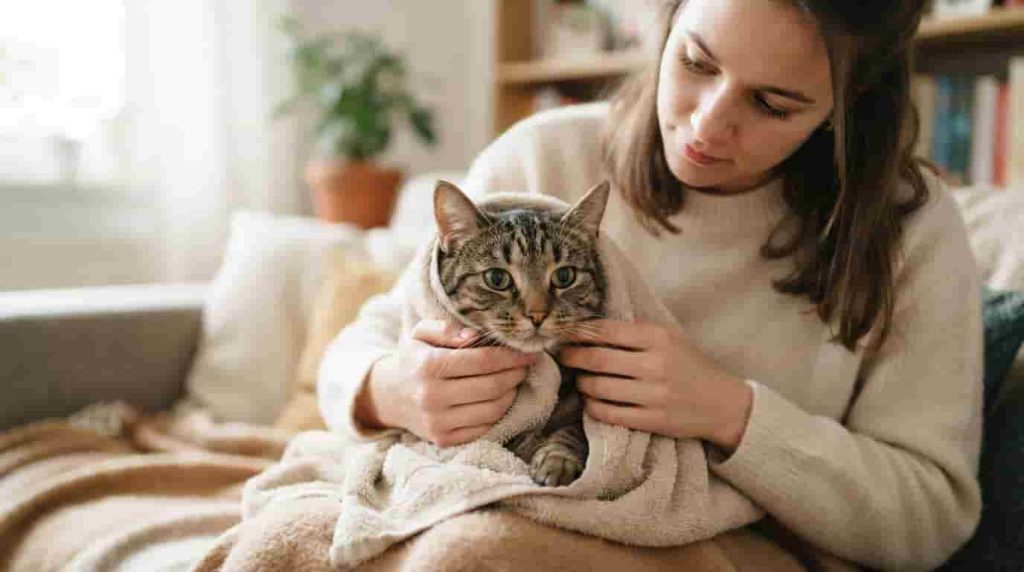
Sudden, heavy salivation always deserves a closer look than a minor, passing instance of drooling. Acute triggers typically include sudden oral irritation, unexpected nausea, toxin ingestion, acute pain, or a foreign object suddenly lodged in the palate or throat.
When facing sudden excessive drooling in cats, run through a quick safety checklist:
- Is the cat breathing normally without any distress?
- Can the cat swallow its own saliva?
- Is the cat alert and responsive?
- Is the cat vomiting or retching?
- Is there blood or foam visible around the mouth?
- Could the cat have accessed any household chemicals, medications, or plants?
If any emergency warning signs are present, crossing the threshold into professional veterinary care immediately is the safest choice.
Why Is My Cat Drooling When I Pet Her?
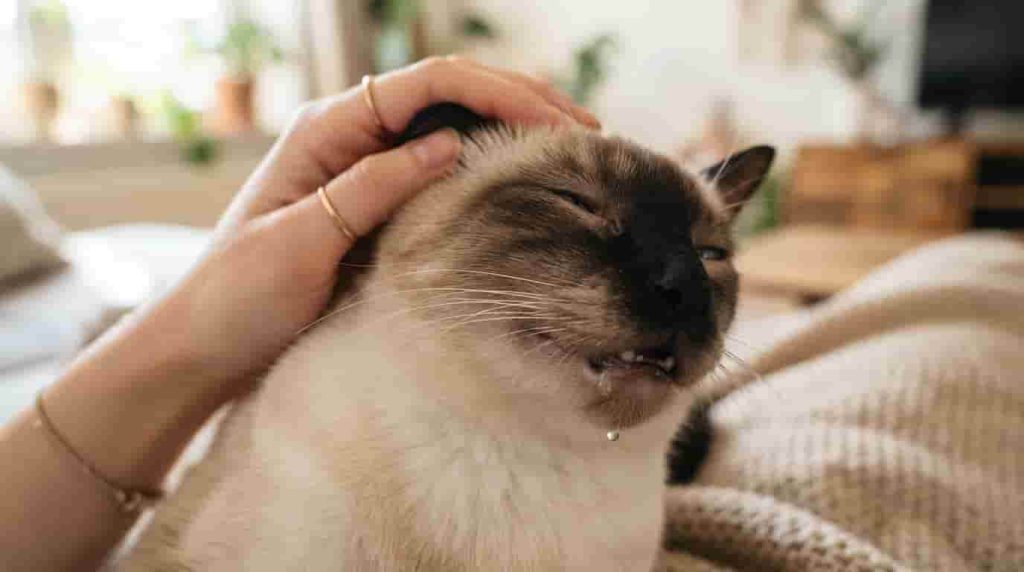
Some cats experience harmless, situational drooling when they are deeply relaxed, content, or receiving affectionate attention. This behavior is usually linked to intense purring, kneading, and overall physical relaxation.
Context is everything here. Harmless situational drooling stops when the petting stops and the cat returns to its normal routine. However, if your cat begins drooling constantly outside of these affectionate moments, or if the behavior represents a sudden shift from their baseline personality, it warrants a closer look.
Why Is My Cat Drooling While Purring?
Purring and drooling frequently occur together in happy, relaxed cats. When a cat feels deeply comfortable, the salivary glands can occasionally relax and overproduce saliva slightly, leading to happy drool drips during cuddle sessions.
However, you should distinguish between relaxed, occasional drooling paired with a content posture and new, excessive, or persistent drooling that happens regardless of mood. If your cat is drooling and purring while simultaneously showing signs of physical distress or mouth discomfort, the purring may actually be a self-soothing response to pain.
Why Is My Cat Drooling Foam?
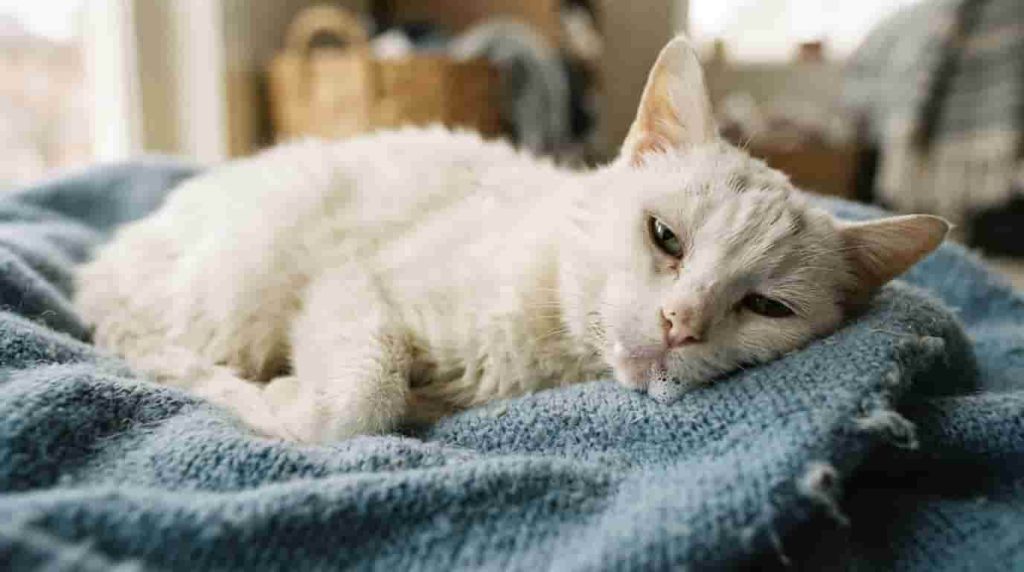
Foamy saliva is distinctly different from simple, clear mild drooling. Foamy drool typically occurs when excess saliva mixes rapidly with air due to swallowing difficulties, intense nausea, severe mouth irritation, or exposure to a bitter or toxic substance.
Accompanying signs that elevate the level of concern include repeated vomiting, muscle tremors, generalized weakness, trouble breathing, or disorientation. If your cat is producing foamy drool, do not wait to see if it resolves on its own; contact a veterinarian right away.
Why Is My Cat Drooling While Sleeping?
A small amount of saliva pooled on bedding during deep relaxation can happen naturally in certain cats, especially older cats or those with specific facial structures. To determine whether this is normal or a developing health issue, check for wet bedding, persistent bad breath, visible mouth discomfort during waking hours, or subtle changes in daily appetite. Persistent drooling that occurs consistently during sleep—coupled with daytime changes—suggests a dental or medical checkup is in order.
Signs That Your Cat’s Drooling May Be a Health Problem
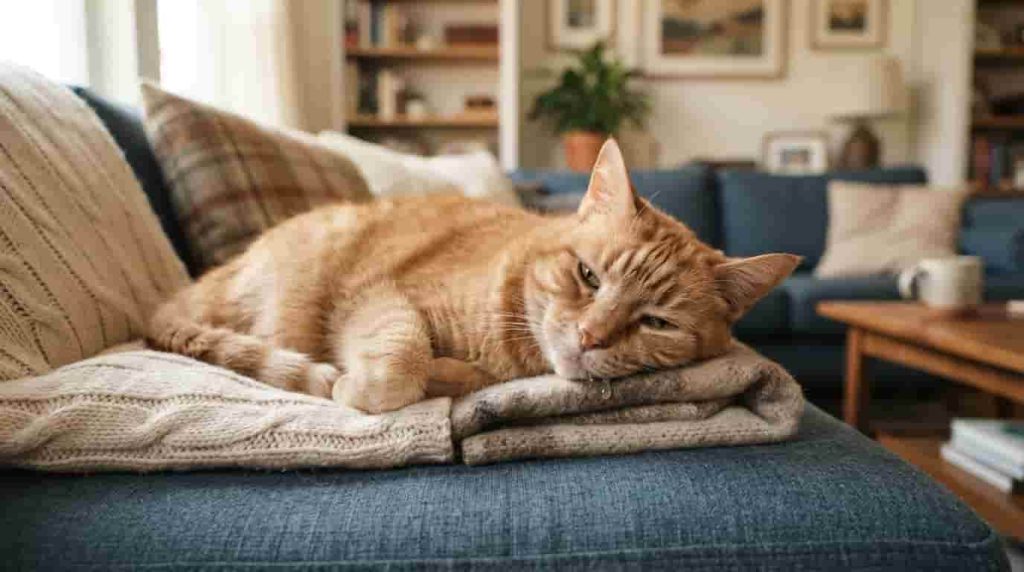
When evaluating when to be concerned about cat drooling, keep an eye out for clustered warning signs across several categories:
Mouth and Eating Changes
- Difficulty chewing or swallowing food
- Dropping food pieces out of the mouth while eating
- Frequent pawing or scratching at the face and mouth
- Strong, foul-smelling bad breath (halitosis)
- Visible blood mixed into the saliva
- Complete reluctance or refusal to eat
General Illness Signs
- Lethargy, reduced activity, or unusual hiding behavior
- Vomiting, diarrhea, or digestive upset
- Noticeable decrease in appetite or water intake
- Sudden, unexplained behavior changes
Emergency Warning Signs
Certain symptoms demand rapid veterinary intervention. These include trouble breathing, inability to swallow, severe physical weakness, seizure-like activity, suspected poisoning, significant mouth bleeding, or sudden physical collapse. For related respiratory red flags, you can review our guide on Why Is My Cat Sneezing? Causes, Remedies and When to Worry
.
When to See a Vet for Cat Drooling
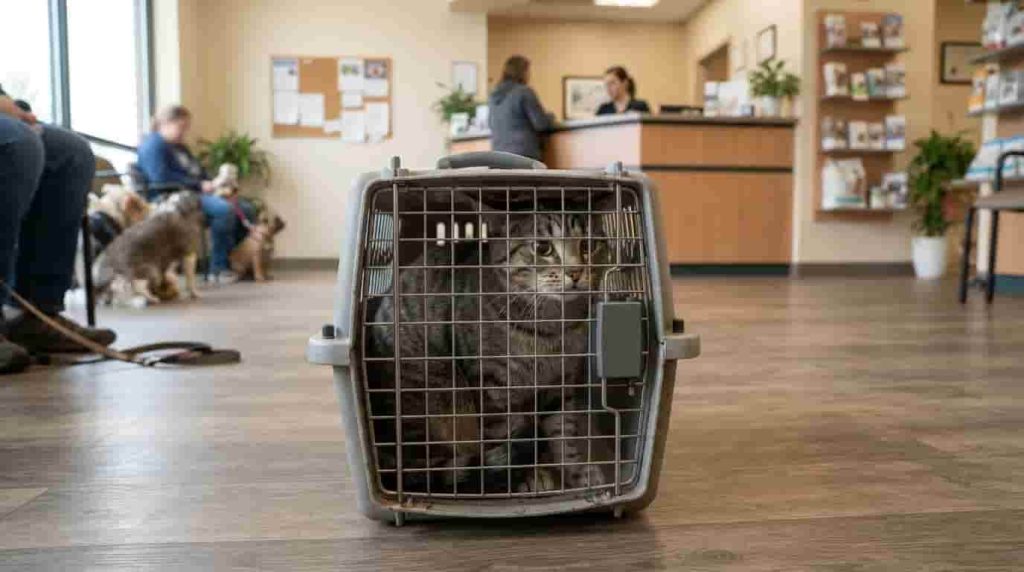
Contact Your Vet Soon If
- Drooling persists for more than a brief period
- The drooling behavior keeps recurring throughout the day
- Your cat shows any changes in appetite or eating habits
- There are outward signs of mouth pain or facial swelling
- The cat develops foul breath or other unusual symptoms
Seek Urgent Veterinary Care If
- Poisoning or toxin exposure is known or strongly suspected
- The cat exhibits any breathing difficulties or respiratory effort
- The cat cannot swallow normally or drools continuously without stopping
- There is severe physical weakness, lethargy, or collapse
- Neurological symptoms or significant bleeding are present
What to Do If Your Cat Is Drooling
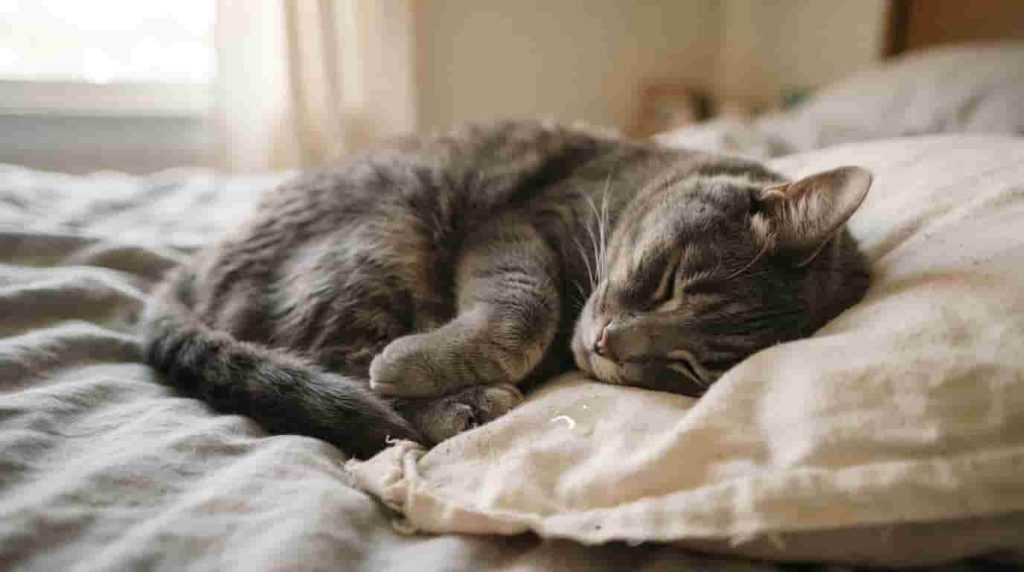
Observe Your Cat
Take a moment to carefully note when the drooling began, whether it is constant or intermittent, and whether the saliva is clear, thick, blood-tinged, or foamy. Monitor their energy levels, breathing, and general demeanor.
Check the Environment
Inspect your living space to see if the cat could have accessed household cleaning chemicals, toxic indoor plants, human medications, or foreign objects. Immediately remove access to any suspected environmental hazards.
Avoid Unsafe Home Remedies
- Do not attempt to force food, water, or home-concocted liquids down your cat’s throat.
- Never administer human medications or over-the-counter pain relievers.
- Do not attempt complicated home dental cleanings or aggressive oral examinations.
- Do not delay professional veterinary care when serious symptoms are present.
How Is Cat Drooling Treated?
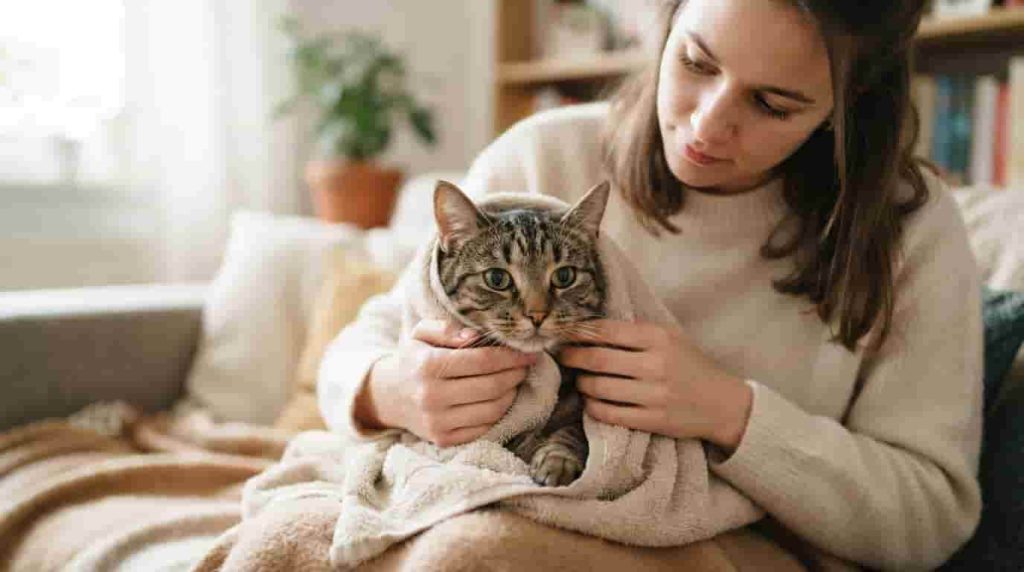
There is no single “cat drooling remedy” that works universally because effective treatment depends entirely on identifying the root cause:
- Dental or Oral Problems: A professional veterinary dental exam under sedation or anesthesia allows the vet to clean teeth, extract damaged teeth, or treat gum disease.
- Nausea or Digestive Problems: Treatment focuses on addressing underlying gastrointestinal inflammation, prescribing anti-nausea medications, or adjusting diet.
- Toxic Exposure: Prompt professional decontamination, supportive fluid therapy, and targeted antidotes managed by a veterinary clinic.
- Foreign Material or Injury: Safe removal of lodged items and treatment of oral cuts or burns.
Can You Stop Cat Drooling at Home?
If you are wondering how to stop cat drooling, the most effective approach is to focus on uncovering the underlying medical reason rather than attempting to artificially suppress saliva production.
Safe supportive home actions include keeping your cat in a quiet, low-stress environment, removing potential environmental irritants, and providing fresh water only if your cat is fully alert and able to swallow normally. Relying on unverified home remedies when a medical issue is present can delay essential veterinary treatment.
Is Cat Drooling Rabies?
While rabies is a severe and fatal viral infection that can cause excessive salivation and difficulty swallowing, drooling alone does not establish a rabies diagnosis. Rabies typically presents with distinct, progressive neurological and behavioral abnormalities, aggression, or paralysis.
A cat’s vaccination history and potential exposure history are critical factors in assessing risk. If rabies exposure is genuinely suspected, contact local animal control or your veterinarian immediately for guidance rather than attempting any home evaluation.
How to Tell if Drooling Is Normal or Concerning
| More Likely Normal | More Concerning |
| Small, minimal amount of saliva | Large volume or persistent, constant drooling |
| Happens during relaxation or petting | Starts suddenly without a clear situational trigger |
| Cat acts completely normally | Cat seems sick, distressed, or lethargic |
| Maintains a normal appetite | Refuses food or drops food while trying to eat |
| No other physical symptoms | Multiple accompanying symptoms present |
| Occasional occurrence | Repeated or progressively worsening episodes |
Context and overall demeanor matter far more than the presence of saliva alone. For broader insights into monitoring unusual physical signs, such as mobility issues, you can reference our overview on Why Is My Cat Limping? Causes, Treatment and When to Worry
.
Frequently Asked Questions About Cat Drooling
Occasional mild drooling can occur in some cats, especially during deep relaxation or affectionate petting. However, persistent or new drooling should always be evaluated in the context of your cat’s overall health.
Clear saliva may result from increased physiological salivation, but the underlying cause can range from harmless contentment to painful oral irritation or systemic illness.
Yes, illness can trigger increased salivation, particularly when accompanied by nausea, mouth pain, or fever. The accompanying clinical signs help determine how concerning the situation is.
Concern depends on whether the drooling is new, excessive, persistent, or accompanied by other physical symptoms. Sudden severe drooling or serious behavioral shifts always warrant veterinary attention.
Persistent or unexplained drooling deserves professional veterinary advice, while breathing difficulty, suspected poisoning, severe weakness, or other emergency signs require urgent medical care.
Conclusion — Why Is My Cat Drooling?
Returning to our central question, cat drooling has many possible origins, ranging from sweet moments of relaxation to important medical warning signs. Distinguishing between occasional, context-related drooling and sudden, excessive, or persistent drooling is the key to keeping your feline friend safe.
Always look at the whole picture—including appetite, behavior, mouth comfort, and possible toxin exposure. Has your cat ever drooled unexpectedly, and what was happening in your home at the time? Share your experiences in the comments below!