
Why Is My Cat Coughing? Causes, Symptoms and When to Worry
Introduction:
Why Is My Cat Coughing? This is one of the most concerning questions a pet owner can ask. Coughing in felines is a symptom rather than a diagnosis in its own right. It is vital to distinguish a true, lower-airway cough from gagging, vomiting, or the physical effort of trying to produce a hairball. While an occasional bit of throat irritation can cause a random cough, recurring coughing episodes often point to an underlying airway, lung, infectious, or parasitic problem.
Watching your beloved companion struggle to catch their breath can be distressing, but understanding the root causes can help you act calmly and effectively. This comprehensive guide covers common feline coughing causes, what various cough-related symptoms actually mean, how to tell hairballs apart from true coughing, what owners can safely do at home, and precisely when veterinary care is necessary.
What Does a Cat Cough Sound Like?
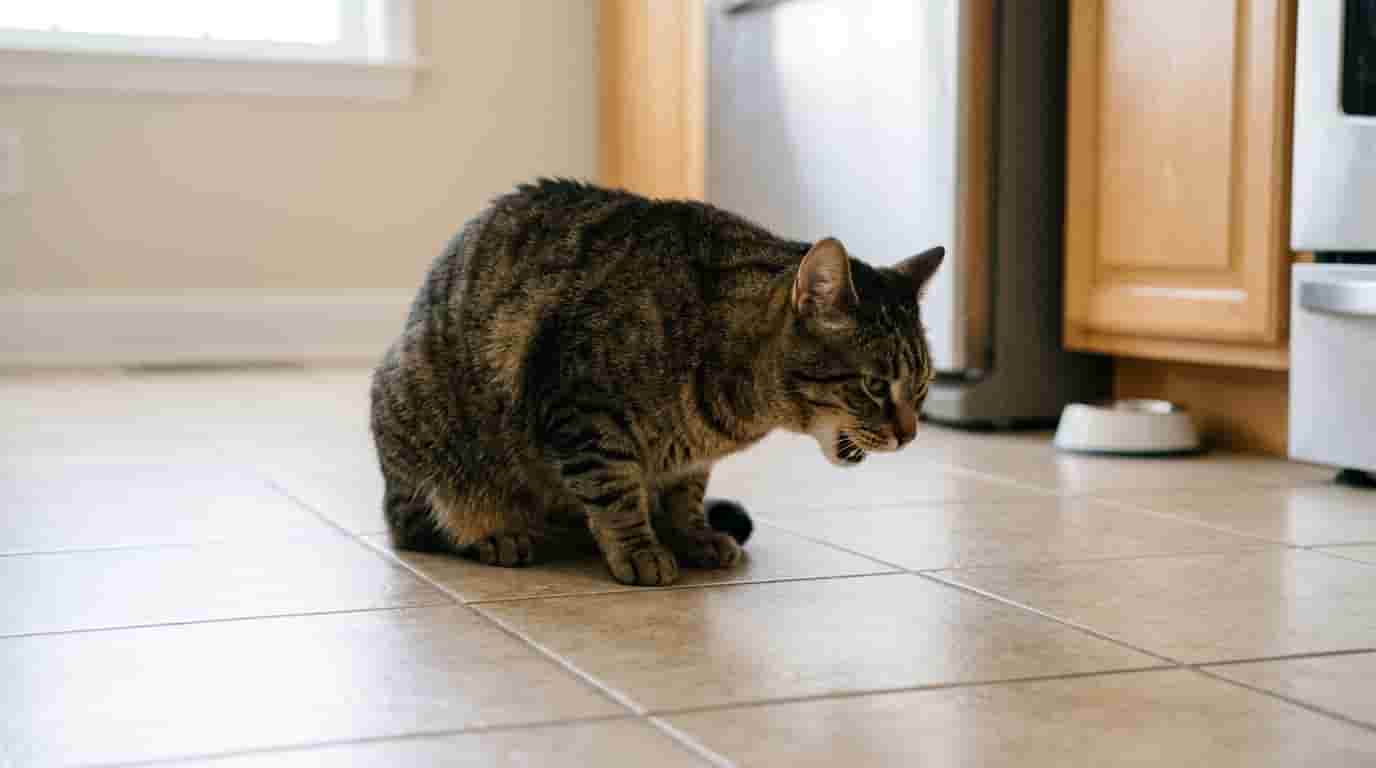
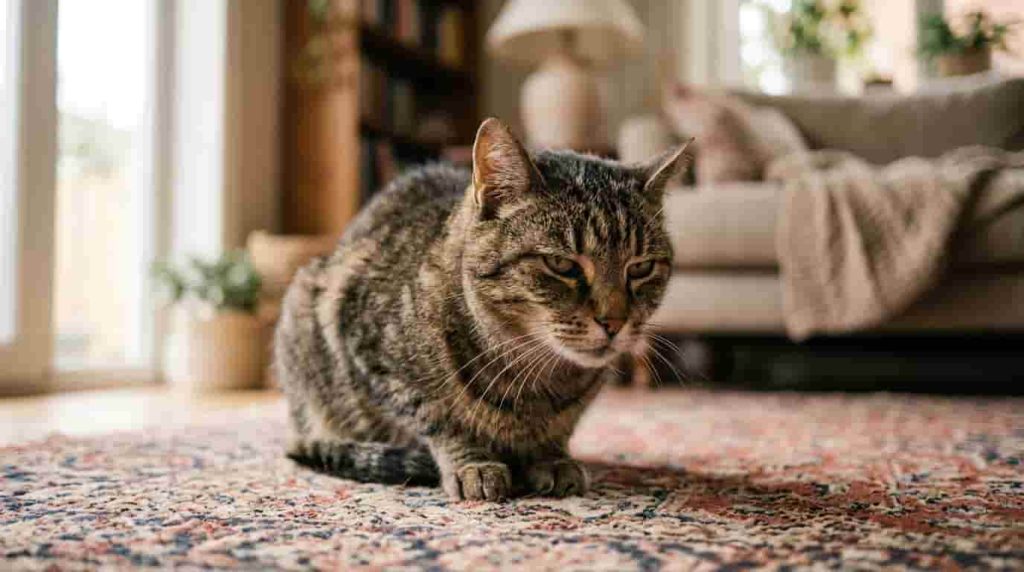
To help your veterinarian, it helps to identify what a cat cough actually sounds like. A typical cat cough may sound dry, harsh, hacking, or forceful. During an episode, cats will frequently crouch low to the ground and extend their neck straight out, sometimes making a wheezing sound at the end.
A cough may happen just once, or it may occur in several repetitive hacks close together. Some cats may even gag immediately after a coughing fit. If you are ever unsure what you are hearing, capturing a short video on your smartphone can be immensely helpful for your veterinarian to distinguish true coughing from vomiting or gagging.
Cat Coughing vs. Hairballs vs. Vomiting
| Behavior | What owners may notice |
| Coughing | Hacking motion, neck extended, usually little to no material produced |
| Hairball episode | Retching, repeated abdominal contractions, possible hairball produced afterward |
| Vomiting | Nausea, abdominal contractions, food, bile, or fluid may follow |
It is a common misconception that every hacking episode means your cat is trying to pass a hairball. Paying close attention to the physical mechanics of the episode can give you vital clues.
Why Is My Cat Coughing? Common Causes
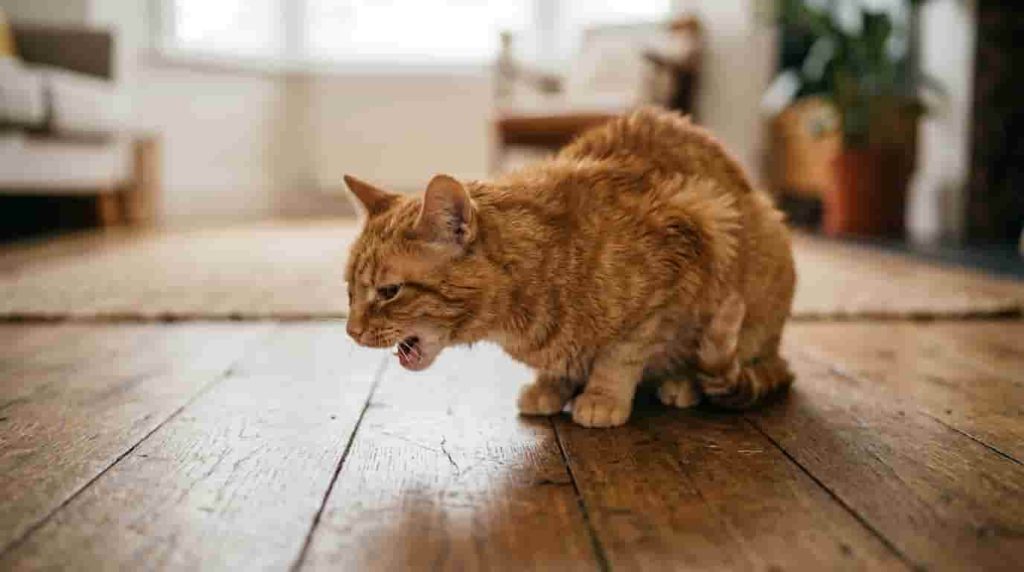
Coughing is a complex physical response that can stem from multiple triggers affecting the respiratory tract.
Feline Asthma and Airway Inflammation
Asthma is a frequent culprit behind recurring coughing and wheezing in cats. Inflamed or narrowed airways make breathing significantly harder. Accompanying signs often include wheezing, rapid breathing, physical crouching, and general respiratory distress. Environmental irritants can heavily aggravate sensitive airways. However, you should never formally diagnose asthma based on a cough alone; professional diagnostics are required.
Respiratory Infections
Upper and lower respiratory infections can easily cause persistent coughing. Accompanying symptoms typically include sneezing, nasal discharge, eye discharge, congestion, fever, and appetite changes. When coughing and sneezing happen simultaneously, it heavily points toward an infectious respiratory disease. For more details on upper respiratory signs, you can review this guide on Why Is My Cat Sneezing? Causes, Remedies and When to Worry
.
Parasites
Certain parasites can migrate to or affect the respiratory system. The exact risk depends heavily on the cat’s lifestyle and outdoor exposure; outdoor and hunting cats face entirely different environmental risks than strict indoor pets. Diagnosis and targeted treatment should always be guided by a veterinarian—never assume that every cough requires routine deworming.
Airway Irritation or Inhaled Material
Inhaled airborne irritants can provoke immediate, sharp coughing fits. Common culprits include:
- Dust and smoke
- Aerosols and perfumes
- Household cleaning products
- Dusty cat litter
Inhaled foreign material, such as a blade of grass or tiny particulate matter, can also cause sudden, distressing coughing or gagging.
Lung Disease and Other Respiratory Problems
Broadly speaking, lung inflammation, bacterial or fungal infections, fluid accumulation, or other structural abnormalities can cause persistent coughing. Less common or more serious structural respiratory conditions also exist, which is why persistent coughing always requires professional investigation rather than guesswork.
Why Is My Cat Coughing and Wheezing?

Wheezing is a distinct, high-pitched whistling sound that differs audibly from a standard cough. When coughing and wheezing occur together, it frequently indicates lower-airway inflammation, constriction, or feline asthma.
Always observe your cat’s breathing rate and overall physical effort. Emergency signs that require immediate medical intervention include obvious breathing difficulty, blue or gray-tinged gums or tongue, severe weakness, collapse, or an inability to settle comfortably because breathing takes too much effort. Remember: acute breathing difficulty is far more urgent than the cough itself.
Why Is My Cat Coughing and Sneezing?
Coughing generally originates in the lower airways, whereas sneezing is primarily associated with the upper respiratory system. However, both can occur concurrently during a widespread respiratory illness or severe environmental irritation.
Keep an eye out for concurrent signs such as nasal discharge, eye discharge, chest or sinus congestion, fever, reduced appetite, lethargy, or even mouth ulcers. If these signs persist for more than a day or two, professional veterinary assessment becomes entirely appropriate.
Why Is My Cat Coughing and Gagging?
A severe cough can easily trigger a gag reflex. It is crucial to understand that gagging does not automatically mean your cat is vomiting. Many respiratory issues mimic the physical motion of trying to dislodge an obstruction from the throat. If you notice your cat drooling excessively while gagging, it may indicate throat irritation or a foreign body; read more in Why Is My Cat Drooling? Causes, Symptoms and When to Worry
.
Video recording these episodes is exceptionally useful when the exact behavior is difficult to classify during a standard clinic visit. Persistent gagging combined with lethargy or breathing difficulty warrants prompt veterinary attention.
Why Is My Cat Coughing Up Hairballs?
Many owners mistakenly assume every hacking cat is simply dealing with a hairball. True hairball episodes usually involve deep retching and the eventual production of hair or stomach fluid. By contrast, a true respiratory cough typically produces little or nothing at all.
Repeated dry coughing should never be automatically blamed on hairballs, as delaying care for a respiratory infection or asthma attack can be dangerous. You can learn more about clinical signs and health management through resources provided by the American Association of Feline Practitioners
.
How Can You Tell a Hairball From a Cough?
A hairball episode ends with material expelled from the stomach via physical retching and abdominal contractions. A cough is a sharp, reflex action originating from the windpipe or lungs, featuring an extended neck and a dry, hacking sound without gastric contents. Recognizing this distinction prevents owners from dangerously delaying medical care.
Why Is My Cat Coughing at Night?

Nighttime coughing episodes do not automatically point to one specific disease, but they can be a distinct pattern to note. Consider whether the coughing reliably happens after sleeping, after active play, after grooming sessions, after eating, or while resting in a specific room with different environmental triggers. While nighttime environmental irritants often contribute, repeated nighttime coughing should always be investigated by a professional.
Why Is My Cat Coughing So Much?
The frequency and pattern of the cough matter immensely. Warning signs that suggest a more serious underlying problem include:
- Repeated, frequent episodes throughout the day and night
- Increasing cough severity over time
- Accompanying wheezing or breathing changes
- Nasal or eye discharge
- Poor appetite or unexplained weight loss
- Lethargy
There is no magic number of coughs that automatically defines severity; rather, any progressive worsening demands medical evaluation. For further reading on recognizing systemic illness, explore guidelines from the International Cat Care
organization.
Why Is My Cat Coughing and Throwing Up?
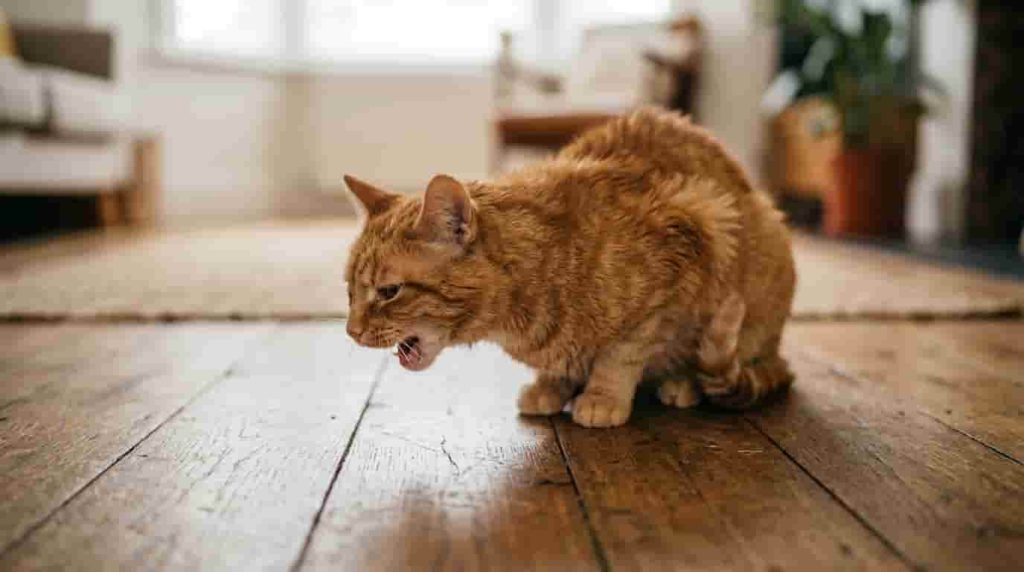
Coughing can trigger throat irritation, which leads to swallowing or gagging, and true vomiting can occasionally follow a particularly intense coughing fit. However, true vomiting has distinct characteristics separate from coughing.
Look closely at the sequence of events: a cough typically begins with a neck-extended hack, whereas true vomiting involves physical nausea, prominent abdominal contractions, and expelled food or bile. If vomiting repeatedly accompanies coughing spells, veterinary assessment is necessary.
Why Is My Cat Coughing Up Blood?
Blood associated with coughing (known medically as hemoptysis) is a high-priority warning sign that should never be dismissed. Possible causes vary widely and cannot be safely determined from the appearance of the blood alone.
You should seek prompt veterinary assessment. Emergency care is mandatory if coughing up blood occurs alongside breathing difficulty, pale gums, collapse, or severe distress. Never attempt home treatments when blood is present in a cough.
What Should I Do If My Cat Is Coughing?
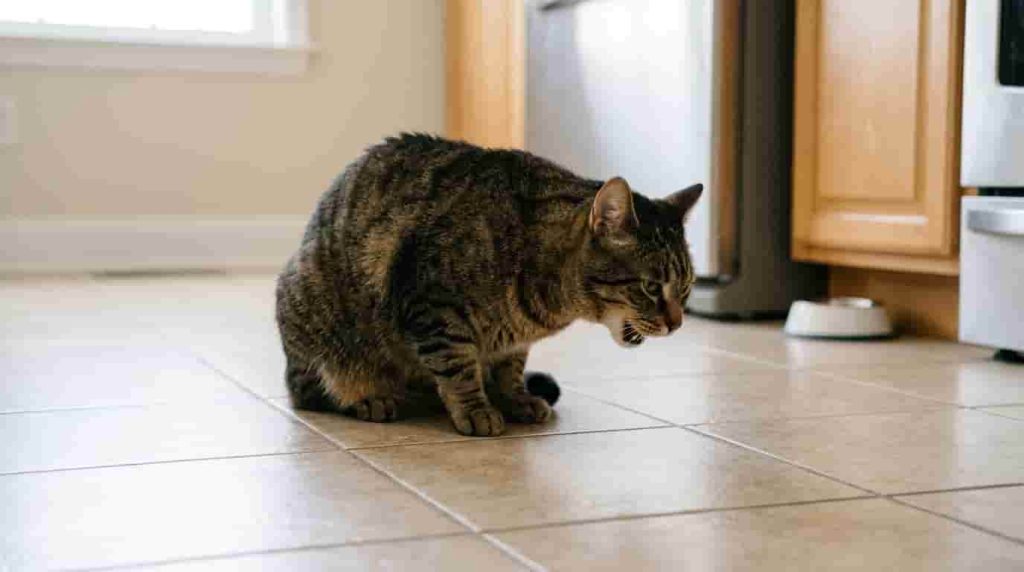
What to Do During a Mild Coughing Episode
- Keep your cat calm and speak in a soothing tone.
- Observe the episode quietly without startling them.
- Record a clear video if possible to show your vet.
- Note the exact duration, frequency, and time of day.
- Check for other symptoms like nasal discharge or lethargy.
- Remove any obvious airborne irritants from the immediate area.
- Ensure fresh, clean drinking water is easily accessible.
- Contact your veterinarian if the coughing recurs or worsens.
What Not to Do
- Never give human cough medicine or over-the-counter cold medications.
- Never administer leftover antibiotics from another pet or human.
- Never give steroids without explicit veterinary direction.
- Never start deworming medication simply because your cat is coughing.
- Never force food or water during an active coughing fit.
- Never reach blindly into your cat’s throat.
- Never assume every single cough is just a hairball.
How to Help Cat With a Cough at Home

Home care is strictly supportive and can never substitute for a professional veterinary diagnosis. To support your cat’s respiratory comfort:
- Keep your home strictly smoke-free.
- Reduce strong indoor fragrances, candles, and aerosol sprays.
- Consider switching to low-dust, hypoallergenic cat litter.
- Keep the cat comfortable, warm, and stress-free.
- Monitor their daily eating, drinking, and litter box habits.
- Track changes in cough frequency over time.
There is no universal “cat coughing remedy” because treatment depends entirely on the root cause.
When Should I Be Worried About Cat Coughing?
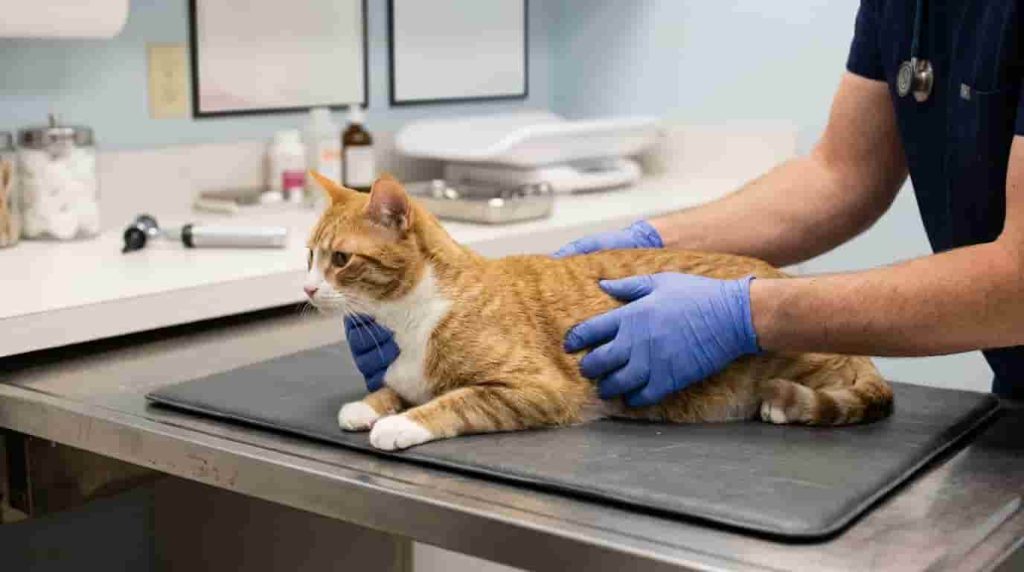
Signs That Need Prompt Veterinary Attention
- Persistent or recurring coughing episodes
- A cough that is steadily becoming worse
- Accompanying wheezing or abnormal breathing sounds
- Reduced appetite or refusal to eat
- Lethargy, weakness, or unusual hiding behavior
- Unexplained weight loss
- Persistent nasal or eye discharge
- Coughing up blood
- Repeated gagging or swallowing motions
Emergency Signs
- Difficulty breathing or working hard to breathe
- Open-mouth breathing or obvious respiratory distress
- Blue, gray, or unusually pale gums or tongue
- Sudden collapse or inability to stand
- Severe weakness or unresponsiveness
- Choking or total inability to breathe normally
Do not wait to see if an emergency breathing problem resolves on its own; seek immediate 24/7 veterinary emergency care.
Why Is My Cat Coughing but Acting Normal?
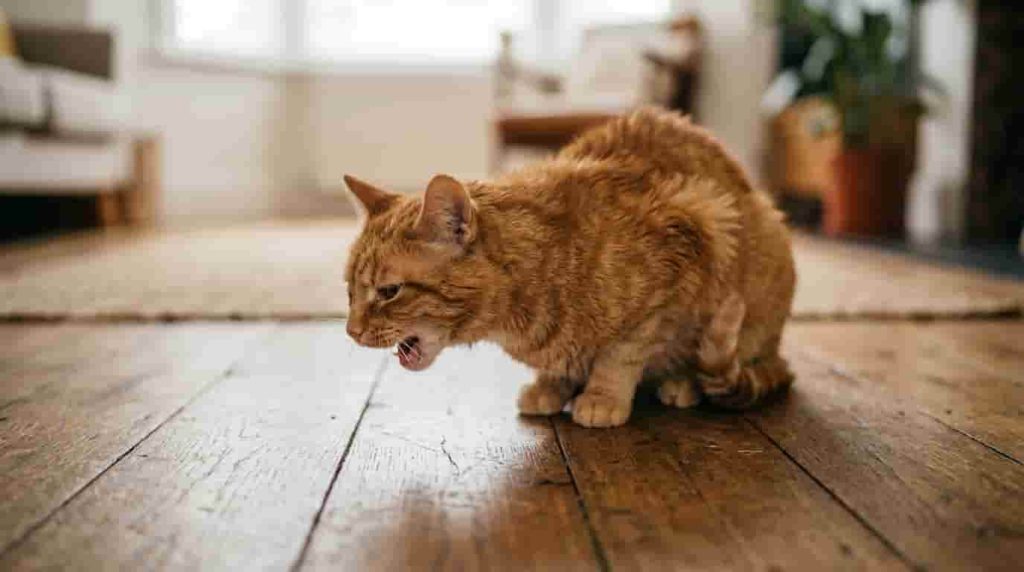
It is common for cats to appear completely normal between coughing episodes. Felines are notoriously good at masking illness, so normal behavior between bouts does not rule out underlying respiratory disease. If your cat suddenly develops a cough alongside other physical signs like a change in gait, it is important to look at the overall picture; for more information on assessing general mobility, see Why Is My Cat Limping? Causes, Treatment and When to Worry
.
Occasional, isolated coughing is generally less concerning than a persistent, recurring pattern. However, if the cough persists or returns regularly, you should still arrange a veterinary checkup to catch potential issues early.
How Do Vets Diagnose Coughing in Cats?
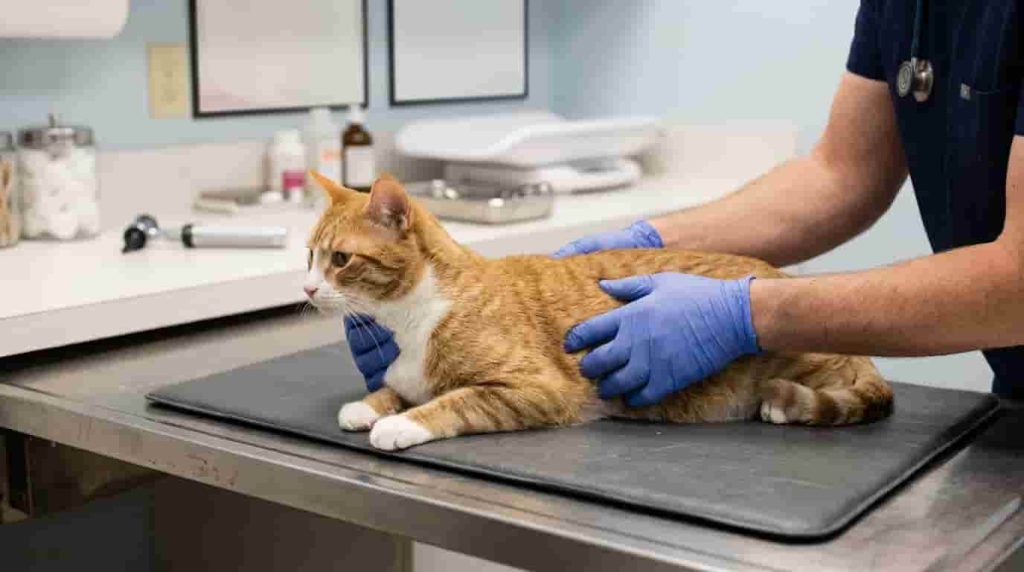
Medical History and Physical Examination
Your veterinarian will ask detailed questions regarding when the coughing began, how frequently it occurs, its duration, your cat’s lifestyle, indoor or outdoor access, vaccination history, parasite prevention protocols, and potential exposure to smoke, chemical cleaners, or dusty products.
Possible Diagnostic Tests
Depending on physical exam findings, your vet may recommend:
- Chest X-rays or advanced imaging
- Comprehensive blood testing
- Fecal or parasite testing
- Specialized respiratory diagnostics
The primary goal is always to identify the underlying pathology rather than merely suppress the cough reflex.
Cat Coughing Treatment: What Might Help?
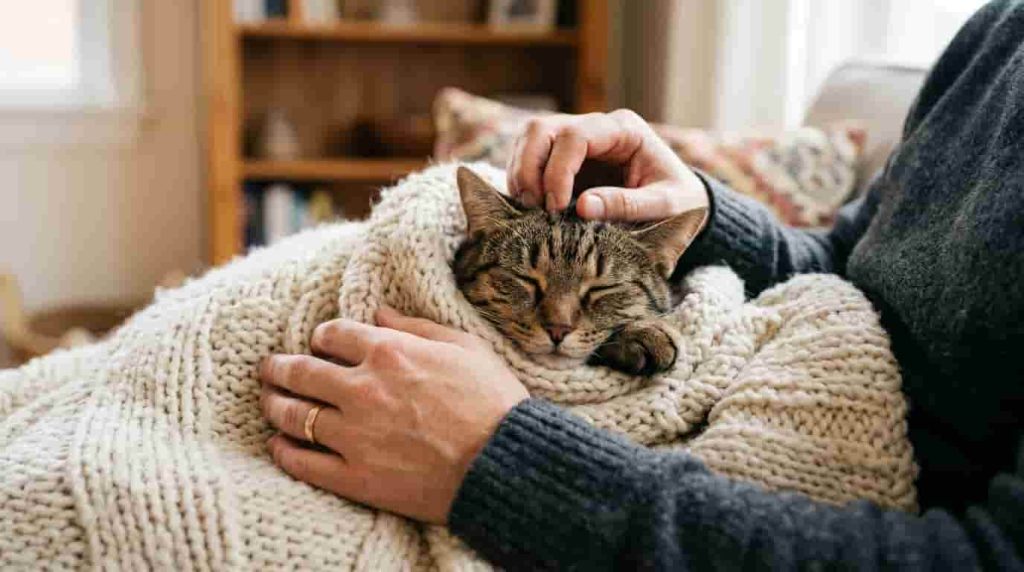
Treatment strategies depend entirely on the final diagnosis:
- Airway inflammation: Managed via veterinary-prescribed anti-inflammatory medications or inhalers.
- Infections: Treated with targeted medications based on the specific infectious agent.
- Parasites: Managed with specific, vet-approved parasite control products.
- Irritant exposure: Resolved by removing the environmental trigger from the home.
- Foreign material: Requires careful veterinary assessment and safe removal.
Never attempt to administer human medications, antibiotics, or steroids without direct veterinary guidance.
A Simple Example: When a Cough Deserves More Attention
Consider a scenario where a cat coughs once after accidentally inhaling dust while exploring behind a bookshelf, and then immediately returns to normal with no further episodes. This isolated event is rarely a cause for alarm.
Contrast this with a cat who coughs multiple times every day, progressively develops wheezing, loses interest in food, and begins breathing with noticeable effort. The cumulative pattern and accompanying systemic signs matter infinitely more than a single isolated episode.
Frequently Asked Questions About Cat Coughing
Occasional coughing can occasionally happen due to minor dust irritation, but recurring or persistent coughing is never normal and should not be ignored.
Yes, allergic bronchitis or feline asthma can contribute significantly to chronic coughing, but a definitive diagnosis requires a full veterinary examination.
Yes, because cats naturally hide signs of illness; a persistent cough still warrants veterinary attention even if the cat plays and eats normally between episodes.
Airborne dust from certain litters can irritate sensitive airways, but persistent coughing should not automatically be blamed on litter without a vet check.
Yes, true coughing typically produces little to no material, differing completely from the retching and expulsion associated with true hairballs.
Conclusion — Why Is My Cat Coughing?
Coughing in felines can stem from a wide variety of causes, ranging from mild environmental irritants to serious lower-airway diseases. It is essential to recognize the difference between an isolated, harmless cough and persistent, recurring respiratory distress. Always monitor your cat for accompanying symptoms, and prioritize emergency veterinary care immediately if you observe any signs of breathing difficulty or severe distress. Never attempt to treat your cat with human medications.
Has your cat ever had a coughing episode? Share what it sounded like and what happened afterward in the comments.