When Do Kittens Start Walking? What to Expect Week by Week
Introduction
When Do Kittens Start Walking? Kittens begin developing mobility during their first weeks of life, progressing gradually from crawling and wobbling to more confident walking. Walking is a vital part of a wider sequence of kitten development stages.
This article will explain:
- When kittens first begin moving around
- What walking looks like at different stages
- What a 2-week-old kitten may be doing
- When kittens start walking properly
- When kittens begin walking and playing
- When movement concerns may require veterinary advice
When Do Kittens Start Walking?

Newborn kittens are not immediately able to walk normally. Instead, there is a gradual progression from limited movement to early standing, wobbling, and more coordinated walking. Development can vary slightly between individual kittens. Understanding when do kittens start walking helps caregivers monitor kittens learning to walk, newborn kittens walking, and the overall kitten mobility timeline.
When Do Kittens Start Walking After Birth?
Newborn movement is mostly restricted to a slow crawl or wriggle. Newborn kittens are initially completely dependent on their mother for warmth and transport. Mobility gradually develops over the following weeks, and early crawling should not be confused with proper walking.
Kitten Walking Development Week by Week

Newborn Kittens: Limited Movement
During their earliest days, newborn kittens move very little, relying heavily on their mother. Their movement is limited by underdeveloped muscles and closed eyes, marking the earliest newborn kitten milestones.
Around Two Weeks: First Attempts to Stand and Walk
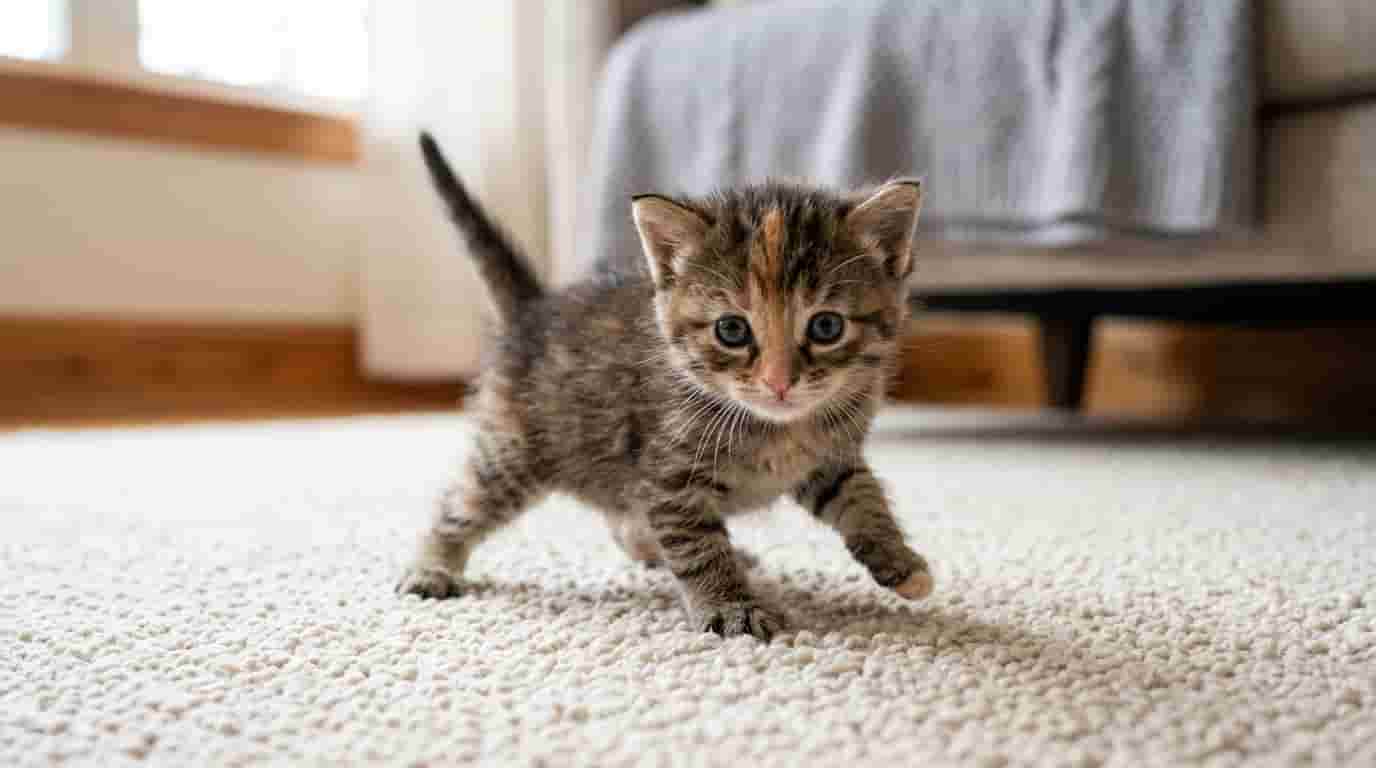
Should kittens be walking at 2 weeks? At this stage, kittens begin showing more movement. Early, unsteady walking attempts involve wobbling and poor coordination, which is completely normal during early development.
Around Three Weeks: More Confident Movement
Kittens show improved coordination, greater interest in exploring, and increasing independence from the nesting area. This period features a transition from unstable movement to more purposeful walking, highlighting positive kitten movement progress and an active kitty walking age.
Around Four Weeks: Walking and Exploring
Walking generally becomes much more coordinated. Increased exploration supports other vital developmental milestones as confidence grows.
When Kittens Start Walking Properly
Walking properly is not a single overnight moment. Coordination improves gradually as muscles, balance, and motor skills continue to develop.
When Do Kittens Start Walking Around on Their Own?
There is a distinct difference between taking a few early steps and independently exploring. As coordination improves, growing confidence drives kittens to wander further. The environment can also influence when they begin exploring, though the core timeline remains consistent across litters.
When Do Kittens Start Walking and Opening Their Eyes?

Eye opening and walking development occur during the same early period of kitten growth, though they are separate processes. Improved sensory awareness and mobility gradually work together as kittens begin exploring.
For more details on early sensory growth, check out this guide on When Do Kittens Open Their Eyes? A Week-by-Week Guide
.
What Should 2-Week-Old Kittens Be Doing?
At two weeks old, kittens are experiencing early mobility, making clumsy attempts to stand or walk, showing changes in awareness, and remaining heavily dependent on their mother. Kittens develop at slightly different rates, so focus on overall progress.
Should Kittens Be Walking at 2 Weeks?
Some kittens may begin showing early walking attempts, while others still appear wobbly or less coordinated. Looking at overall development matters much more than expecting perfect walking right away.
When Do Kittens Start Walking and Playing?
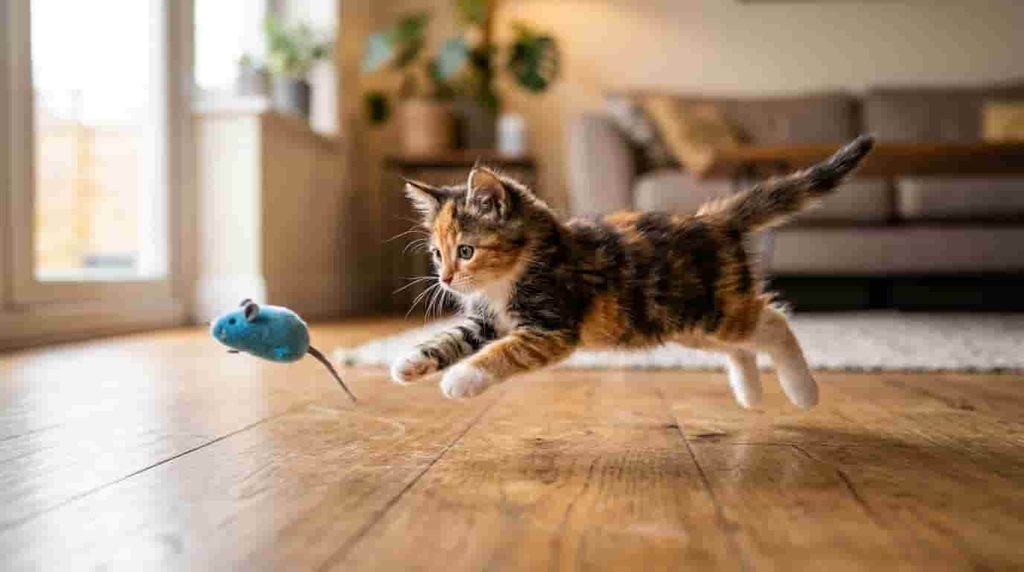
Increased mobility supports exploration, interaction with littermates, and early play behavior. Play develops gradually, initially involving short, clumsy interactions rather than high-energy acrobatics.
How Walking Helps Kittens Learn Through Play
Movement allows kittens to explore their surroundings, interact with siblings, practice coordination, and build confidence in their environment.
What Affects When Kittens Learn to Walk?
The average age kittens start walking should not be treated as a strict deadline. Factors influencing this timeline include individual development, overall health, early environment, and access to the mother.
Why Kittens Do Not All Develop at Exactly the Same Speed
Developmental timelines are useful guides, but individual kittens progress somewhat differently. Always observe the kitten’s overall development rather than comparing them rigidly to a chart.
How Soon Can Kittens Walk Normally?

| Stage | Description |
| Crawling | Limited movement, scooting along the belly |
| Standing | Brief, shaky attempts to push up on all four paws |
| Wobbly Steps | Unsteady walking with frequent stumbles |
| Coordinated Walking | Purposeful movement and confident exploration |
How Walking Fits Into the Kitten Growth Timeline
Mobility ties closely with sensory development, exploration, weaning, and growing independence. For instance, improved mobility eventually allows kittens to reach a litter box independently, marking a major step forward covered in When Do Kittens Start Using the Litter Box? Age and Training Tips
. Additionally, these physical milestones dictate when a young cat is ready to transition to a new home, as discussed further in When Can Kittens Leave Their Mother? Best Age and What to Know
.
Common Mistakes When Watching Kitten Development

- Expecting kittens to reach every milestone at the exact same time
- Comparing one kitten too closely with another
- Confusing crawling with proper walking
- Assuming a wobbly early gait always means something is wrong
- Ignoring a clear lack of progress or sudden change in movement
- Separating mobility from the kitten’s overall development
When Should You Worry About a Kitten Not Walking?

Pay close attention if a kitten shows no expected progress in mobility, appears unusually weak, suddenly loses movement abilities, has obvious difficulty moving, appears to be in pain, or shows other concerning signs.
When to Contact a Veterinarian
Seek professional veterinary guidance when a kitten’s movement appears abnormal, suddenly changes, or is accompanied by weakness or pain. Authoritative veterinary organizations stress that early intervention is key if a kitten shows signs of physical distress or developmental failure.
A Simple Way to Track Your Kitten’s Movement Progress
Owners can monitor:
- Ability to support body weight
- Balance and coordination
- Willingness to explore
- Changes in movement over time
- Other developmental milestones occurring alongside walking
Hypothetical Example: A caregiver may notice a young kitten moving only short distances at first, then becoming more confident over several days as balance and coordination improve.
When Do Kittens Start Walking? Key Development Milestones to Remember

- Newborn kittens have limited mobility.
- Early movement gradually develops into attempts to stand and walk.
- Coordination improves over time.
- Increased mobility supports exploration and play.
- Individual development can vary.
- A lack of expected progress or sudden mobility changes may require veterinary attention.
Conclusion: When Do Kittens Start Walking?

When Do Kittens Start Walking? Walking develops gradually during the first few weeks of life, progressing from early wobbles to confident exploration. Every kitten grows at its own pace, so look at overall health and progress rather than expecting identical timelines.
When did you first notice your little feline friend trying out their walking skills? Share your experience below!
Frequently Asked Questions
No, newborn kittens lack the muscle strength and coordination to walk; their early movement is limited to crawling and wriggling.
Early coordination develops gradually over several weeks, though persistent or concerning mobility problems should be assessed professionally.
Development varies somewhat between individual kittens based on health, genetics, and environment.
Increased mobility around the three-to-four-week mark naturally leads to heightened exploration and playtime.
While eye opening and early mobility happen around the same general timeframe, visual development and walking skills progress at slightly independent rates.