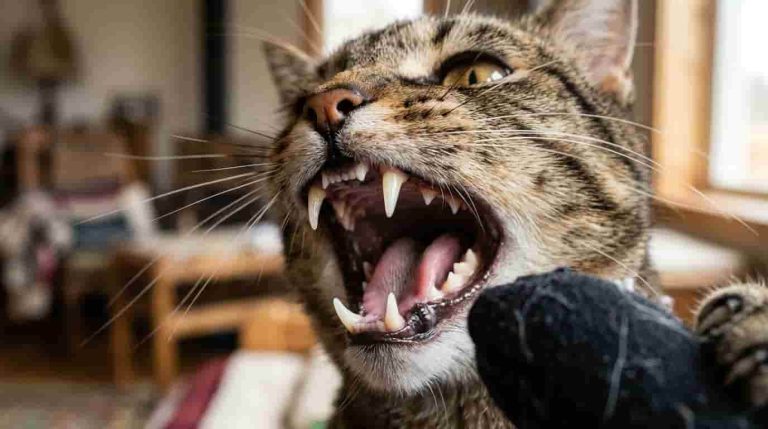
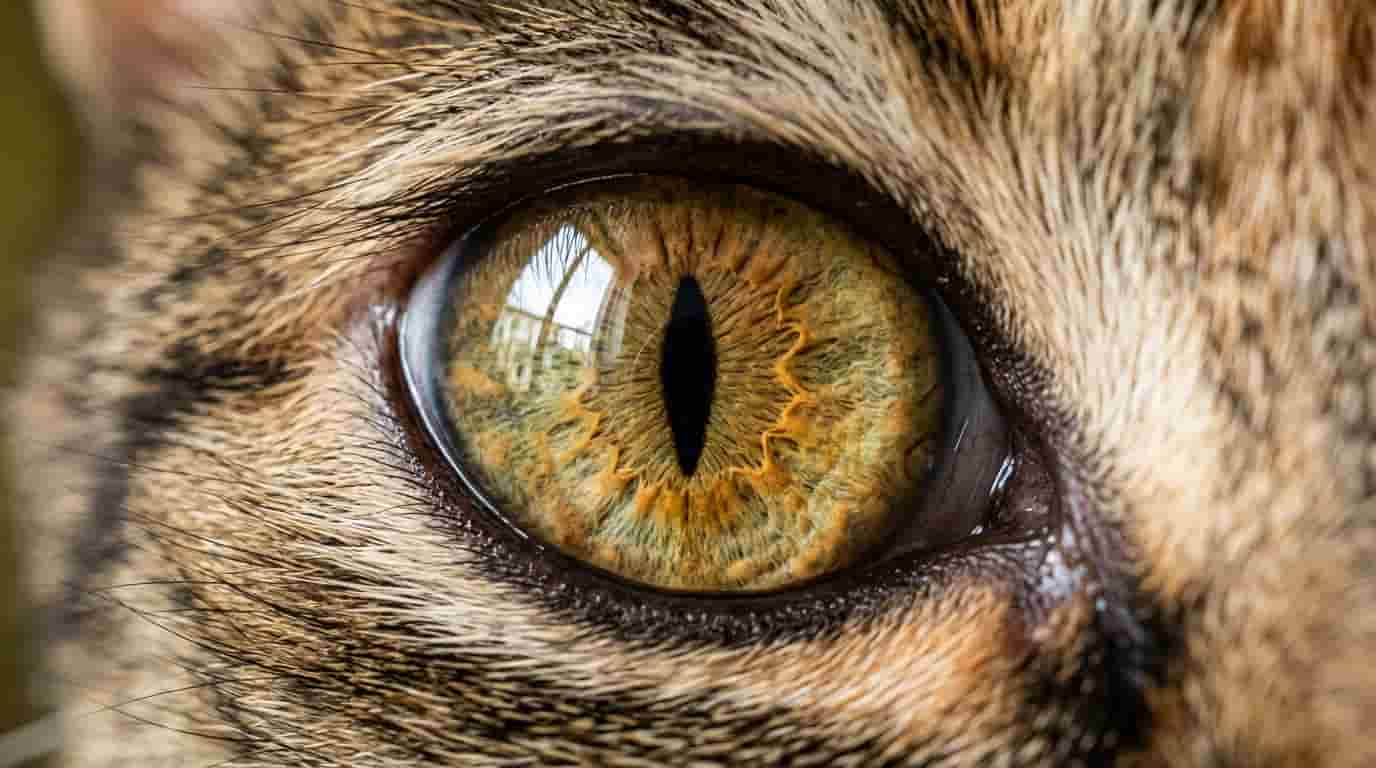
Why Do Cats Have Vertical Pupils? The Surprising Reason Behind Them
Introduction
Why Do Cats Have Vertical Pupils? Vertical slit pupils help cats regulate the amount of light entering their eyes and support the visual needs of a small predator. A cat’s pupils can change dynamically from narrow slits in blinding bright light to large, round openings in dim or dark conditions.
This article explores:
- Cat eye anatomy
- Feline vision
- Hunting and distance judgment
- Why lions and tigers have different pupil shapes
- Normal versus potentially abnormal pupil changes
The distinctive cat slit eye is not just an attractive physical feature; it is an incredible evolutionary adaptation.
Why Do Cats Have Vertical Pupils?
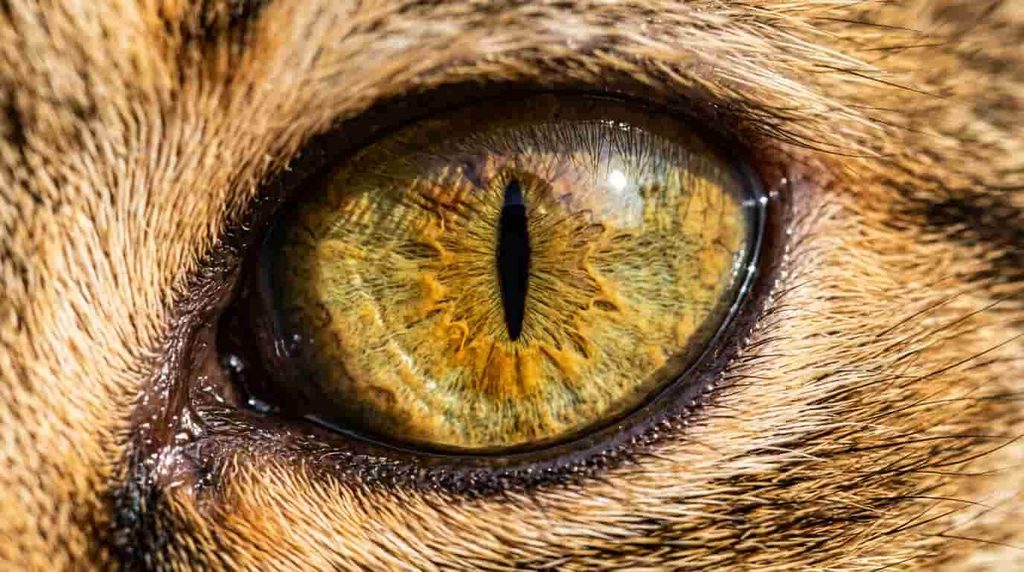
Vertical pupils are part of a visual system adapted to a cat’s lifestyle and evolutionary history. They provide two main benefits: strong control over incoming light and potential advantages for judging distance as a small ambush predator.
The pupil is only one part of feline eye structure, and pupil shape should never be viewed completely separately from the rest of cat anatomy. Across the animal kingdom, vertical slit pupils are especially associated with certain ambush predators that hunt close to the ground.
What Is the Main Function of a Cat’s Pupil?
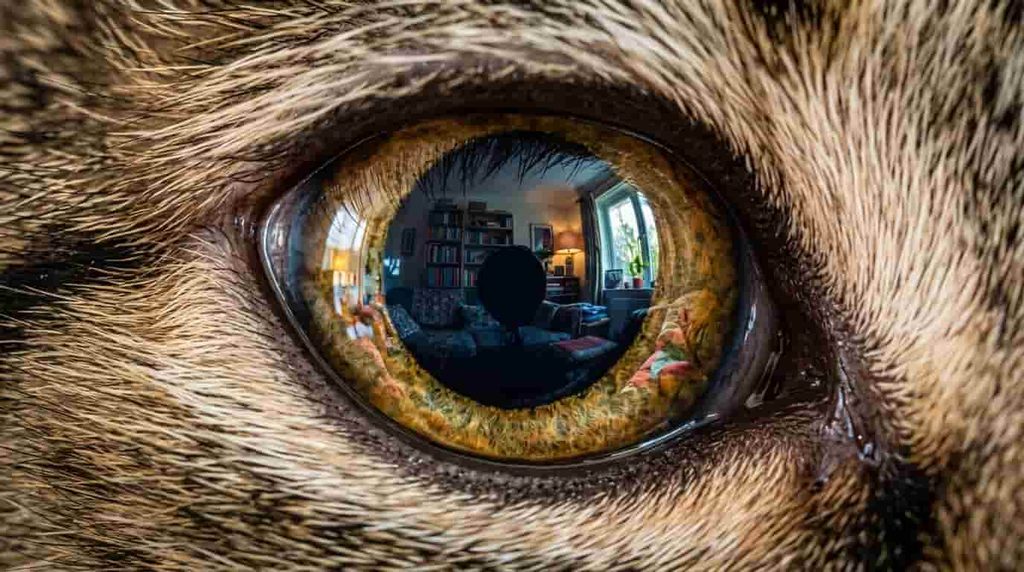
The Pupil Controls Incoming Light
The pupil is not a solid black structure, but rather an opening in the center of the eye that allows light to pass through to the retina. The surrounding colored muscle, called the iris, expands and contracts to control how large or small that opening becomes.
How Pupils Respond to Different Light Levels
In bright conditions, the iris constricts to form a tight, narrow slit, blocking out excess glare. In low-light conditions, the iris relaxes, allowing the pupil to dilate into a wide, expansive circle. This dramatic range of change is an essential part of cat pupil function, working in tandem with overall cat eye anatomy and feline eye structure to support clear sight.
How Vertical Slit Pupils Help Cats Handle Different Light Conditions
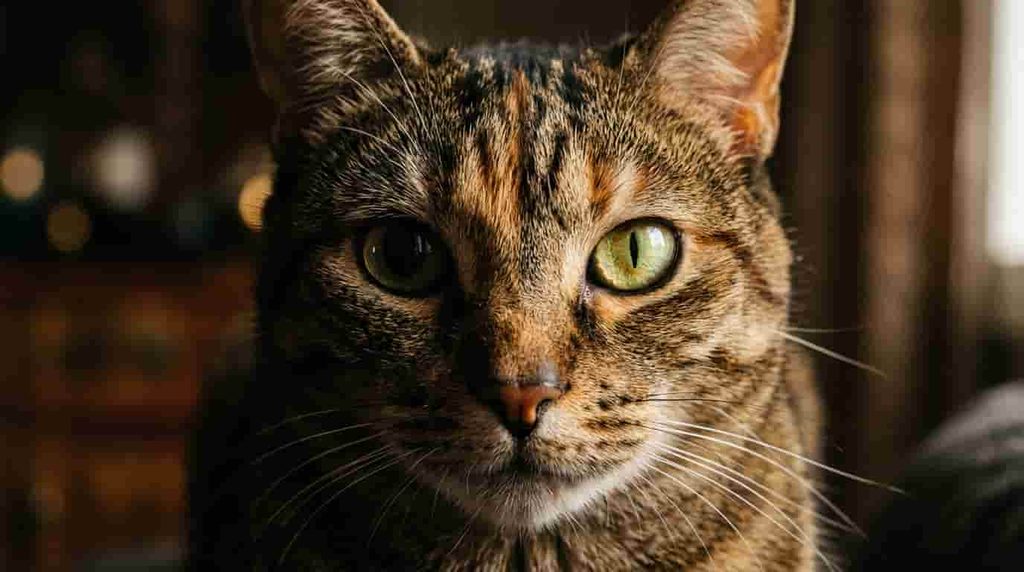
What Happens in Bright Light?
In bright sunlight, a cat’s pupils narrow into thin vertical slits. This precise shape allows the iris to close much more effectively than a round pupil could, protecting the sensitive retina from being overwhelmed by bright light while still letting the cat see clearly during the day.
What Happens in Dim Light?
In dim light, pupils dilate to become much larger and rounder, allowing as much available light into the eye as possible. Dilated pupils are only one piece of the puzzle when it comes to low-light sight. For a deeper look at how they manage nocturnal conditions, check out Can Cats See in the Dark? How Well Can Cats See at Night?
.
How Do Vertical Pupils Help Cats Hunt?
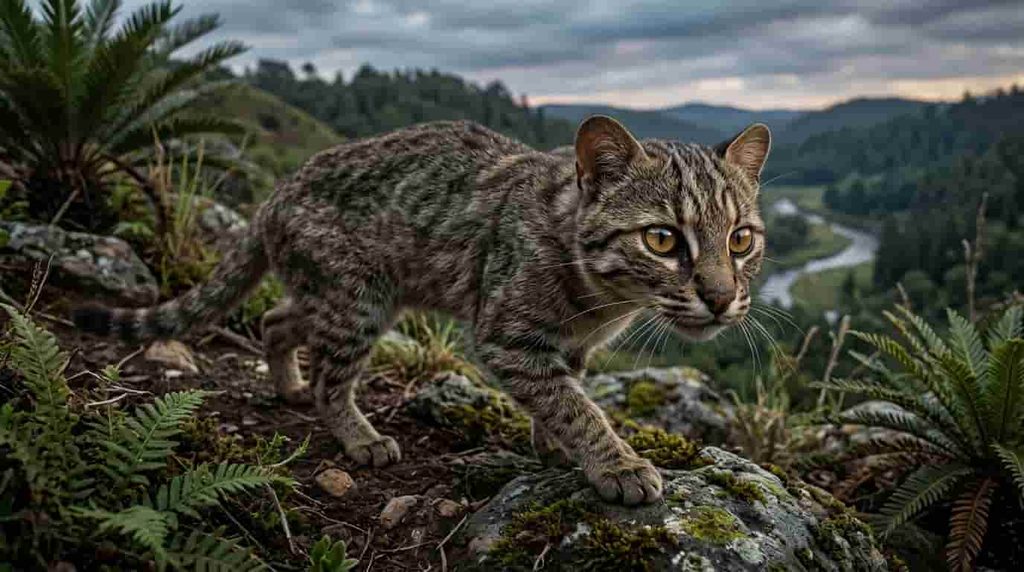
As small ambush predators, cats need to judge distance accurately when stalking and pouncing. The orientation of vertical pupils provides distinct optical advantages that help reduce blur for horizontal distances.
Judging the Distance to Prey
Domestic cats often hunt relatively small targets close to the ground, such as mice or insects. Visual information helps a cat determine the exact distance and timing of a pounce, though vertical pupils are just one component of distance perception.
Other Senses and Abilities Involved in Hunting
- Binocular vision
- Precise movement detection
- Optimal head positioning
- Active whiskers for spatial awareness
- Overall body coordination
Hypothetical Example: Imagine a house cat crouched low to the ground, watching a mechanized toy mouse wiggle across the living room rug. Before leaping forward, the cat calculates the exact distance by locking its gaze onto the target, relying on its specialized visual system to time the pounce perfectly.
Why Do Cats Have Slitted Pupils but Lions and Tigers Don’t?
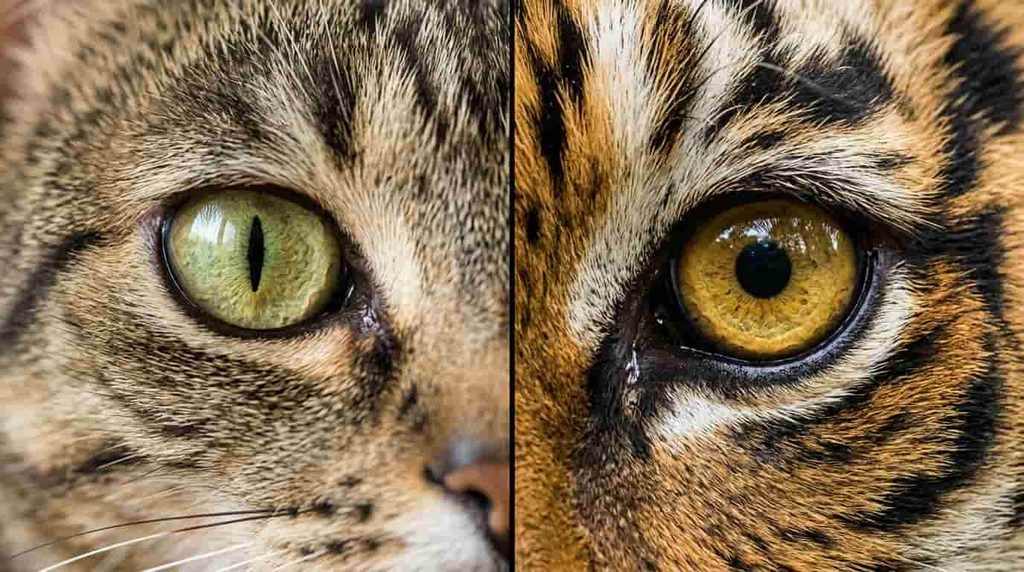
Being a predator does not automatically mean an animal will have vertical pupils. Differences in body size, eye height, hunting ecology, and visual demands shape pupil evolution.
Why Small Cats and Big Cats Have Different Pupil Shapes
Domestic cats are physically much closer to the ground, giving them different distance-judging demands compared to larger apex predators like lions and tigers, which usually have round pupils. Vertical slit pupils evolved predominantly in small, ground-dwelling ambush predators. This does not mean domestic cats are “better” hunters than lions; rather, different species evolved distinct visual adaptations suited to their specific ecological niches.
Why Do Cats Have Slitted Pupils Like Reptiles?
Sharing a similar pupil shape with snakes or crocodiles does not mean cats and reptiles share identical visual systems. Different species develop similar physical traits when those traits are useful in matching environments—a classic example of convergent evolution.
Cat Eye Anatomy: The Pupil Is Only One Part of the System
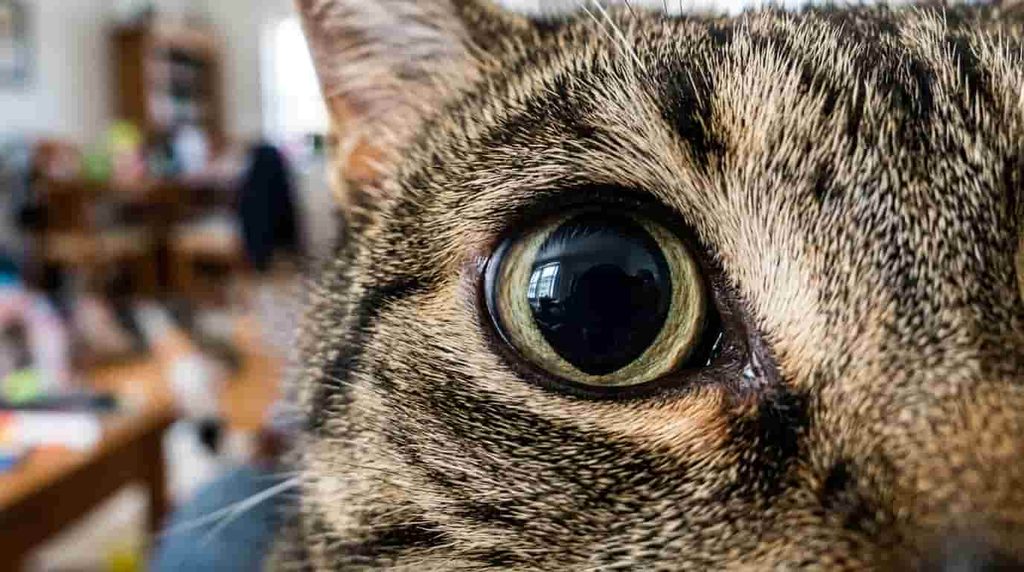
Important Parts of Feline Eye Structure
- Cornea: The clear outer layer that helps focus light.
- Iris: The colored muscle that controls pupil size.
- Pupil: The opening that regulates light intake.
- Lens: Focuses light onto the back of the eye.
- Retina: The light-sensitive tissue containing rods and cones.
- Tapetum Lucidum: A reflective layer behind the retina.
A cat’s vertical pupils work in harmony with all of these internal structures. Pupil shape alone does not determine how well a cat sees. For example, the tapetum lucidum acts like a built-in mirror, bouncing light back through the retina to maximize night vision—a phenomenon explored further in Why Do Cats’ Eyes Glow at Night? The Science Behind Their Eye Shine
.
What Makes a Cat’s Pupils Change Shape?
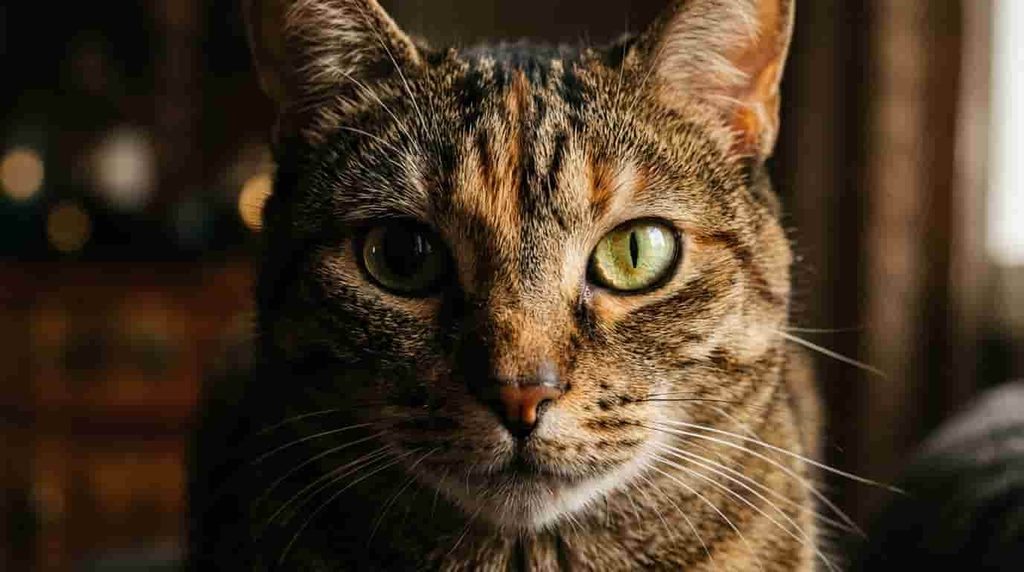
While light is the primary driver of pupil movement, emotions and nervous system responses also trigger rapid changes in cat eye behavior.
Normal Reasons for Pupil Changes
- Ambient brightness and darkness
- Heightened excitement during play
- Fear or defensive stress
- Intense focus on a target
- Sudden surprise or startle
Practical Example: A playful cat stalking a feather toy will often have massive, round pupils driven by intense focus and adrenaline, and a terrified cat cornered by a sudden noise will display that exact same wide-eyed dilation due to a surge of fear.
To explore why emotional arousal causes such dramatic expansion, see Why Do Cats’ Pupils Get So Big? What Dilated Pupils Mean
.
Does Pupil Shape Affect How Well Cats See?
Pupil shape contributes to overall vision, but it does not dictate visual capability by itself. Retina structure, the density of light-sensitive rods and cones, eye positioning, and movement detection all play massive roles. Cats do not simply see “better” than humans across the board; rather, cats and humans evolved different visual strengths tailored to our respective survival needs.
Why Can a Cat’s Pupils Look Round Sometimes?
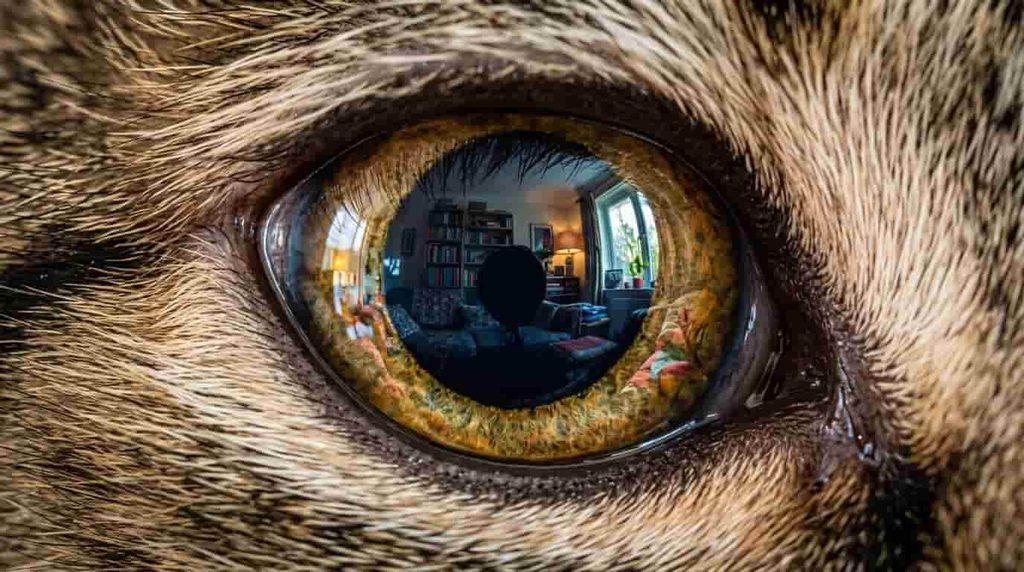
Vertical slits are most obvious when pupils constrict in bright light. In dim light or states of high emotional arousal, the pupil expands significantly, making it appear nearly round. A healthy cat can display very different-looking pupils throughout a single day. A round-looking pupil is completely normal provided the eye is responding correctly to its environment.
When Should You Worry About Your Cat’s Pupils?
Most pupil changes are entirely normal, but sudden or persistent abnormalities warrant professional veterinary attention.
Signs That Warrant Veterinary Advice
- One pupil consistently larger or smaller than the other
- Sudden, unexplained changes in pupil size
- Poor or absent response to changing light levels
- Redness in the white of the eye
- Cloudiness or haziness across the surface
- Visible swelling around the eye socket
- Abnormal discharge or watering
- Squinting or holding the eye shut
- Clear signs of eye pain
- Sudden changes in navigation or vision
Unequal pupil size, known clinically as anisocoria, can stem from various underlying medical issues. Owners should never attempt to diagnose eye problems at home. Veterinary ophthalmology guidelines emphasize that abnormal pupil symmetry requires a direct clinical examination to rule out neurological or ocular trauma.
A Common Mistake: Big Pupils Do Not Always Mean the Same Thing
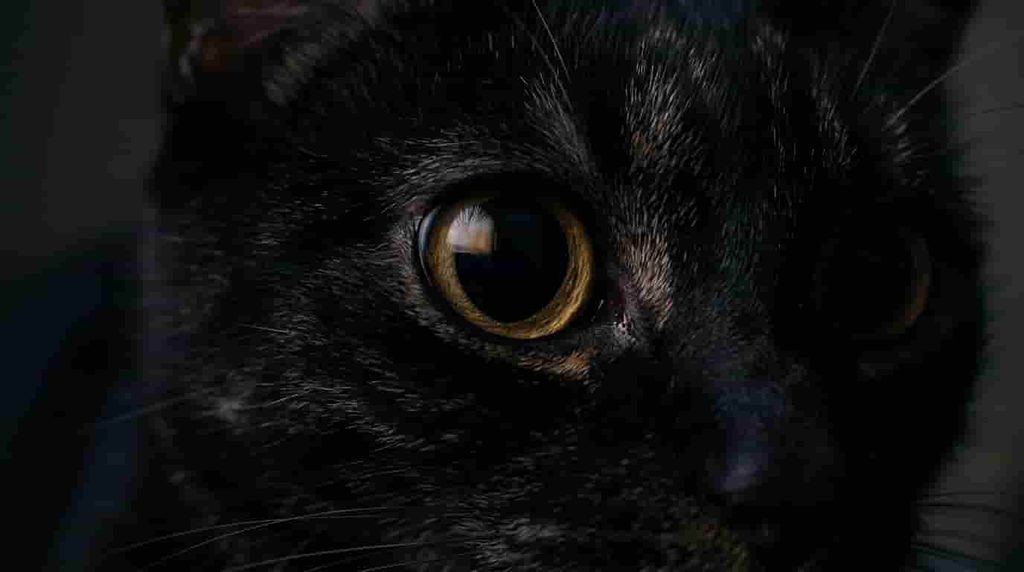
Dilated pupils do not automatically mean happiness, affection, or fear on their own. Context is everything:
- Playful Cat: Relaxed or active body posture, engaged focus on a toy, and wide pupils driven by predatory excitement.
- Frightened Cat: Crouched or tense body posture, flattened ears, defensive backing away, and wide pupils triggered by stress or terror.
Always interpret cat eyes in combination with the rest of the cat’s body language.
How to Understand Your Cat’s Eyes Without Overinterpreting Them
- Check the surrounding light levels.
- Look at both eyes to check for symmetry.
- Observe the cat’s overall body posture.
- Watch the position of the ears and tail.
- Consider environmental stressors or stimuli.
- Notice whether the pupil change is sudden or persistent.
This practical checklist helps prevent misinterpretations based on eye size alone, bridging scientific theory with everyday pet ownership.
The Evolutionary Reason Is Part of a Bigger Picture

Cat eye evolution reflects a combination of connected factors: light regulation, small predator hunting behavior, precise distance estimation, compact body size, and low eye height. Pupil shape evolved as one integrated piece of a complete, highly specialized visual system.
Conclusion: Why Do Cats Have Vertical Pupils?
Why Do Cats Have Vertical Pupils? Vertical pupils help cats manage incoming light efficiently and serve as an evolutionary advantage for small ambush predators. While pupil shape works in tandem with complex internal eye anatomy, the dramatic shift from narrow slits to wide circles highlights the remarkable adaptability of feline vision.
What is the most dramatic pupil change you have ever noticed in your cat during play or relaxation? Share your thoughts below!
Frequently Asked Questions
Smaller cats operate close to the ground where distance estimation for close-range ambushes is critical, whereas larger apex predators like tigers hunt in different ecological conditions that favor round pupils.
Lions are large, open-habitat predators with eye heights far above the ground, meaning their ecological visual demands differ significantly from compact domestic felines.
Prolonged direct staring can feel threatening or confrontational in feline body language; softer eye contact and slow blinking communicate trust instead.
Healthy human pupils are normally round, and an unusually shaped or vertically slit human pupil indicates a medical condition that requires an eye-care professional.
Pupil dilation occurs during states of high excitement, play, or low light, meaning wide pupils alone are not a reliable measure of affection.