Cat Weight Gain: How to Bulk Up a Skinny or Rescued Cat
Introduction:
Cat weight gain is a critical topic for many passionate pet parents who care for rescued or underweight felines. Have you recently adopted a stray kitty that looks incredibly bony, fragile, or severely malnourished? It can feel deeply heartbreaking to see a beautiful animal struggling to maintain its physical strength and natural energy.
However, building up a skinny pet requires a cautious approach because sudden overfeeding can cause dangerous digestive complications. You must understand how to balance their meals safely to encourage steady, healthy progress over time. Let us explore the best ways to help your companion build muscle and thrive in a comfortable home.
Many owners focus entirely on preventing obesity in cats because heavy pets face numerous joint problems today. However, managing weight gain in cats requires the exact same level of careful nutritional planning and daily observation. A skinny pet needs specific nutrient-dense meals that support muscle development without overloading their delicate internal organs.
If you want to maximize their health, you should also look at other important lifestyle factors. For instance, you can improve their daily hydration habits by exploring Cat Water Fountains: Why cats prefer running water over bowls. This simple upgrade ensures your pet stays perfectly hydrated as they begin their recovery journey.
Investigating the Causes of Malnourishment in Felines
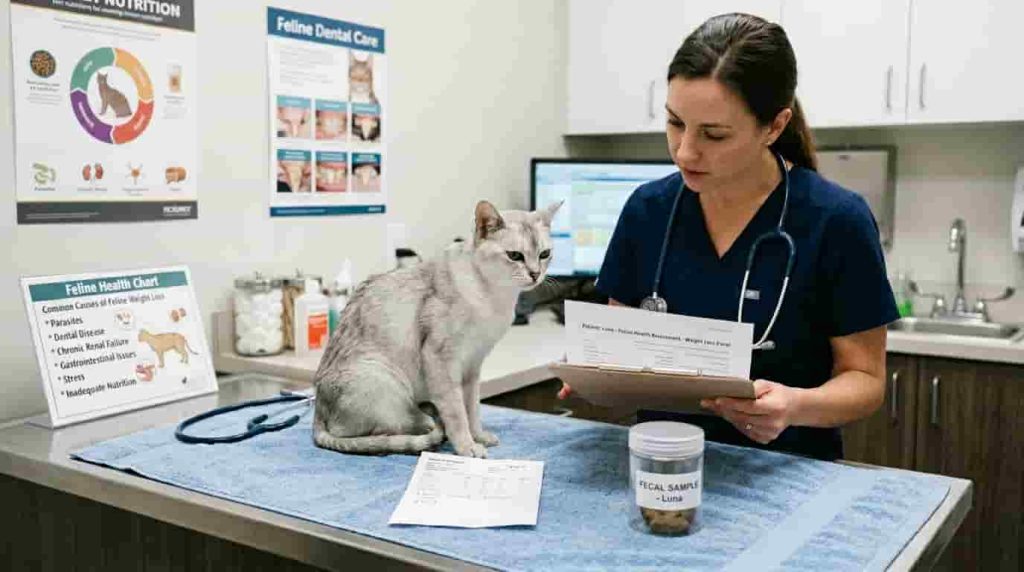
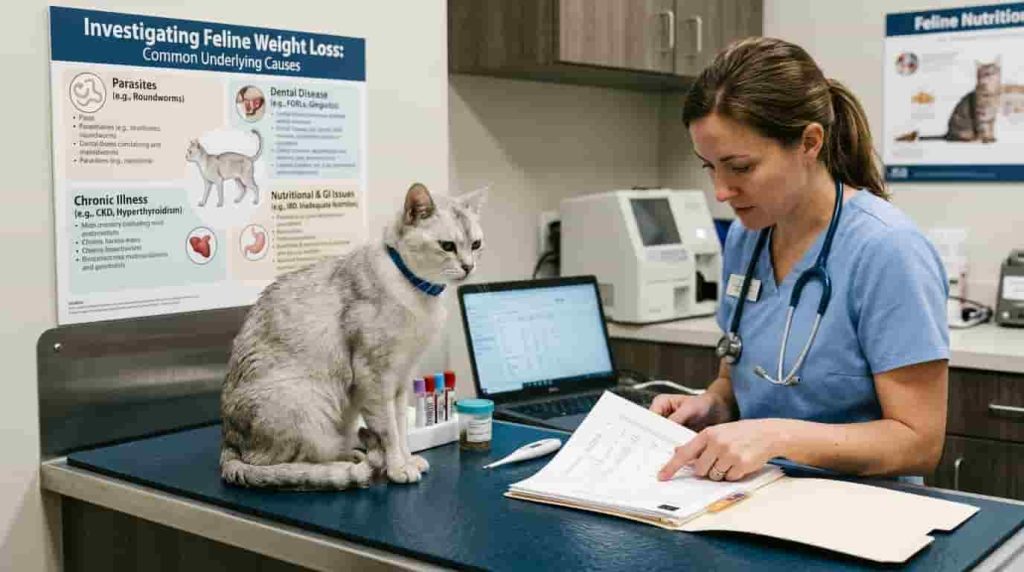
You must investigate the root causes of a thin body before creating a specific cat diet plan. Strays often suffer from chronic starvation, severe flea infestations, or internal parasites that steal vital nutrients from their intestines. Additionally, dental diseases can make chewing dry kibble extremely painful for an older or neglected household pet. Therefore, a complete veterinary evaluation is always the first logical step when addressing noticeable weight loss in cats. A veterinarian can run necessary tests to check for underlying infections or common metabolic disorders like hyperthyroidism.
Once your veterinarian gives a clear diagnosis, you can safely focus on hitting an ideal cat body condition score. A healthy cat weight means you can feel the ribs easily under a thin layer of muscle tissue. However, you should not see the actual bones protruding sharply through the fur when the animal walks around. If your pet looks emaciated, they require a highly targeted cat diet for weight gain to rebuild their strength.
Understanding Immediate Veterinary Intervention
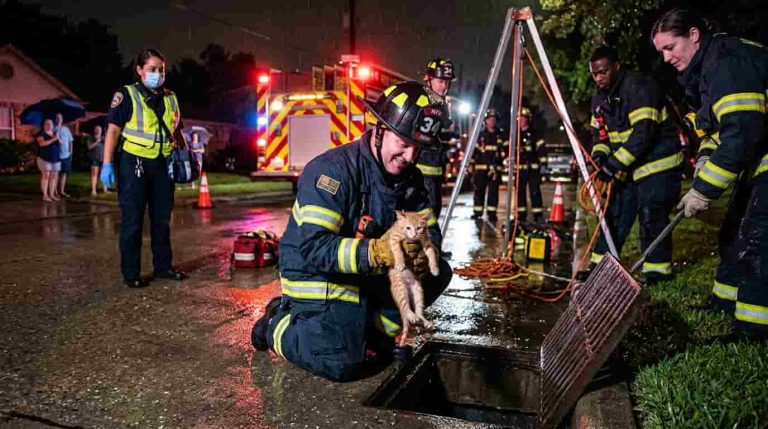
Medical specialists at VCA Animal Hospitals emphasize that severe weight loss requires urgent professional oversight to prevent liver damage. If a cat starves for too long, its body rapidly mobilizes fat stores to survive the crisis. This process can cause hepatic lipidosis, which is a life-threatening condition that stops liver function entirely. Therefore, you must follow your vet’s guidance closely during the initial recovery phase to ensure optimal safety.
Your doctor might recommend specific cat weight gain supplements to boost your pet’s daily calorie intake safely. These tasty high-calorie gels provide essential vitamins and fatty acids that stimulate a weak animal’s fading appetite. Furthermore, you can use these supplements to make regular meals much more appealing to a stagnant eater.
Designing a Calorie-Dense Feline Menu
Choosing the right type of food plays a massive role in encouraging successful cat weight gain at home. Underweight felines require high-protein and high-fat options to rebuild lost muscle mass and restore their energy stores. Therefore, you should prioritize high-quality canned foods that feature real meat like chicken, turkey, or salmon as the primary ingredient. This approach delivers excellent moisture while meeting the unique biological needs of your carnivorous household companion. You can learn about these benefits by reading Cat Wet Food: The benefits of high moisture diets.
Here are the top calorie-dense options for recovery:
- Premium kitten wet food formulas
- Canned recovery diets from veterinarians
- Deboned plain boiled chicken breast
- Special high-calorie nutritional gels
Additionally, kitten food serves as an excellent temporary option for an adult pet that needs extra calories quickly. Kitten formulas contain higher concentrations of proteins, essential fats, and vital minerals to support rapid skeletal growth. Therefore, mixing a few spoonfuls into their regular dish can accelerate progress without requiring massive portion sizes. However, you must avoid feeding them raw meat blends unless you fully understand the specific safety guidelines. You can weigh the options by reviewing Cat Raw Feeding: The pros and cons of a biological diet.
Creating a Safe and Quiet Feeding Station
Underweight or rescued pets often experience severe resource anxiety because they had to fight for food outdoors. This anxiety can cause them to eat far too quickly or hide their meals from other household animals. Therefore, you must establish a quiet, private feeding station located far away from loud appliances and busy walkways. This peaceful setup helps lower their stress levels so they can focus entirely on enjoying their dinner calmly.
Additionally, you should offer four or five small meals throughout the day instead of two large portions. Small, frequent feedings are much easier on a shrunk stomach and prevent sudden vomiting episodes after eating. Also, this schedule allows the digestive system to absorb essential nutrients much more efficiently over a twenty-four-hour period.
Using an Appropriate Cat Exercise Routine for Muscle Mass
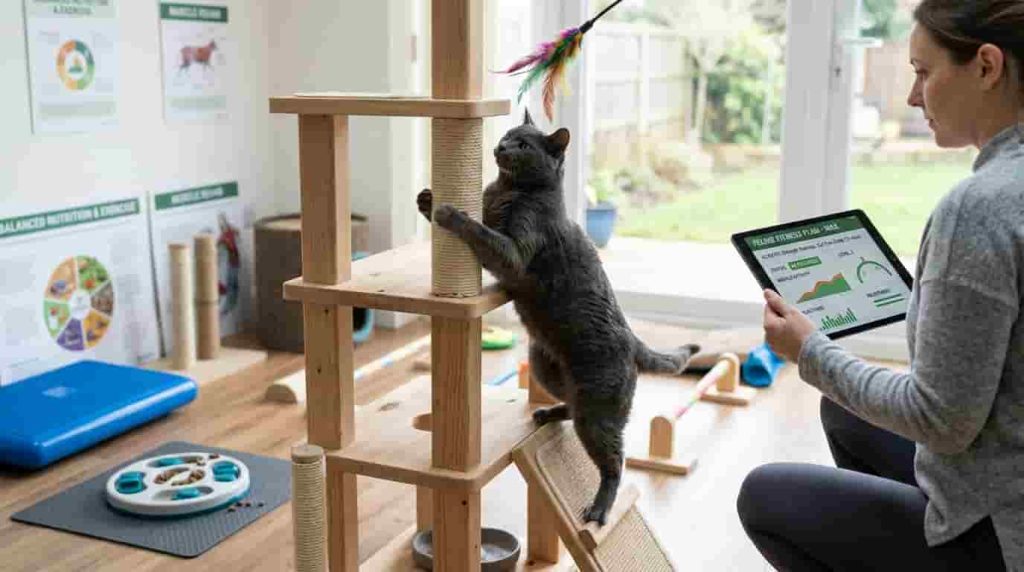
Many people assume that physical activity only serves as a tool for an overweight cat solution in modern homes. However, a structured cat exercise plan is actually vital for skinny animals that need to build healthy muscle tissue. Without physical activity, extra calories will simply turn into flabby fat deposits rather than strong, lean muscle mass. Therefore, you must encourage gentle movement every single day to ensure your pet develops a sturdy frame.
Try these fun ways to encourage muscle growth:
- Use feather wands for low-impact jumping
- Move laser pointers slowly across the carpet
- Provide scratching posts to build shoulder strength
- Toss lightweight crinkle balls across the room
- Hide dry treats on different levels of a cat tree
You can use a slow cat exercise for weight gain by initiating short, five-minute play sessions with feather wands. Focus on movements that encourage your pet to stretch their limbs, climb short steps, or stalk toys slowly. This controlled activity stimulates their appetite naturally while strengthening their core muscles over a few weeks. Additionally, active playtime provides excellent mental stimulation that lowers general anxiety and prevents common cat behavior problems.
Monitoring Food Safety in Your Kitchen

As you try to increase your pet’s daily calorie intake, you must remain incredibly vigilant about food safety. Rescued animals are notorious scavengers that will happily steal leftovers directly from your kitchen counters or trash bins. However, many common human ingredients can cause severe poisoning, organ failure, or fatal illness in domestic felines. Therefore, you must secure your food storage areas tightly to protect your recovering pet from hidden household dangers.
You can learn exactly what items to keep away from your animal by reading Cat Toxic Foods: Things in your kitchen that can kill your pet. For instance, onions, garlic, grapes, and chocolate are highly dangerous items that require strict isolation from curious noses. Protecting your pet from these kitchen toxins prevents accidental setbacks during their weight restoration program.
Tracking Long-Term Progress and Adjusting Meals
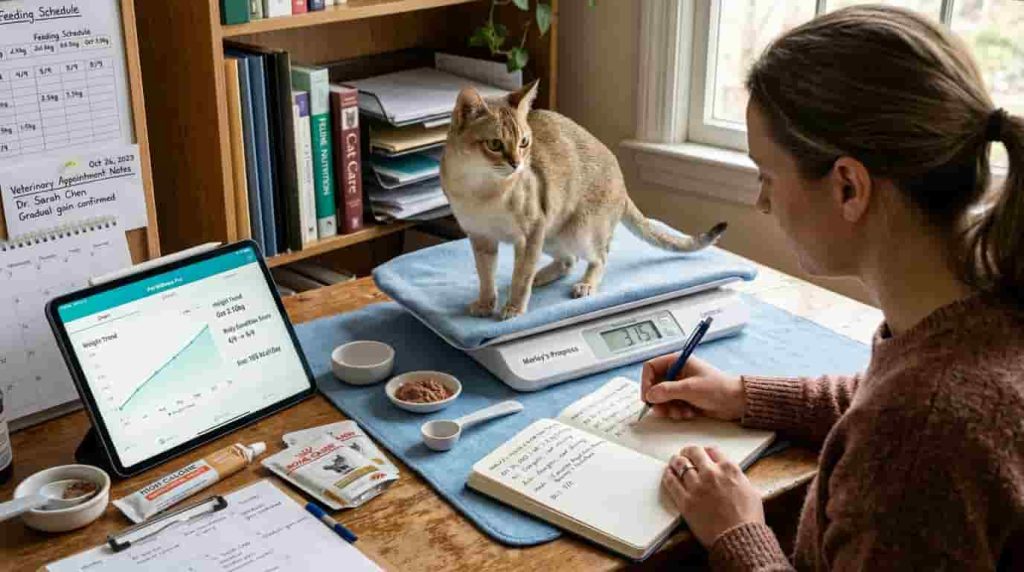
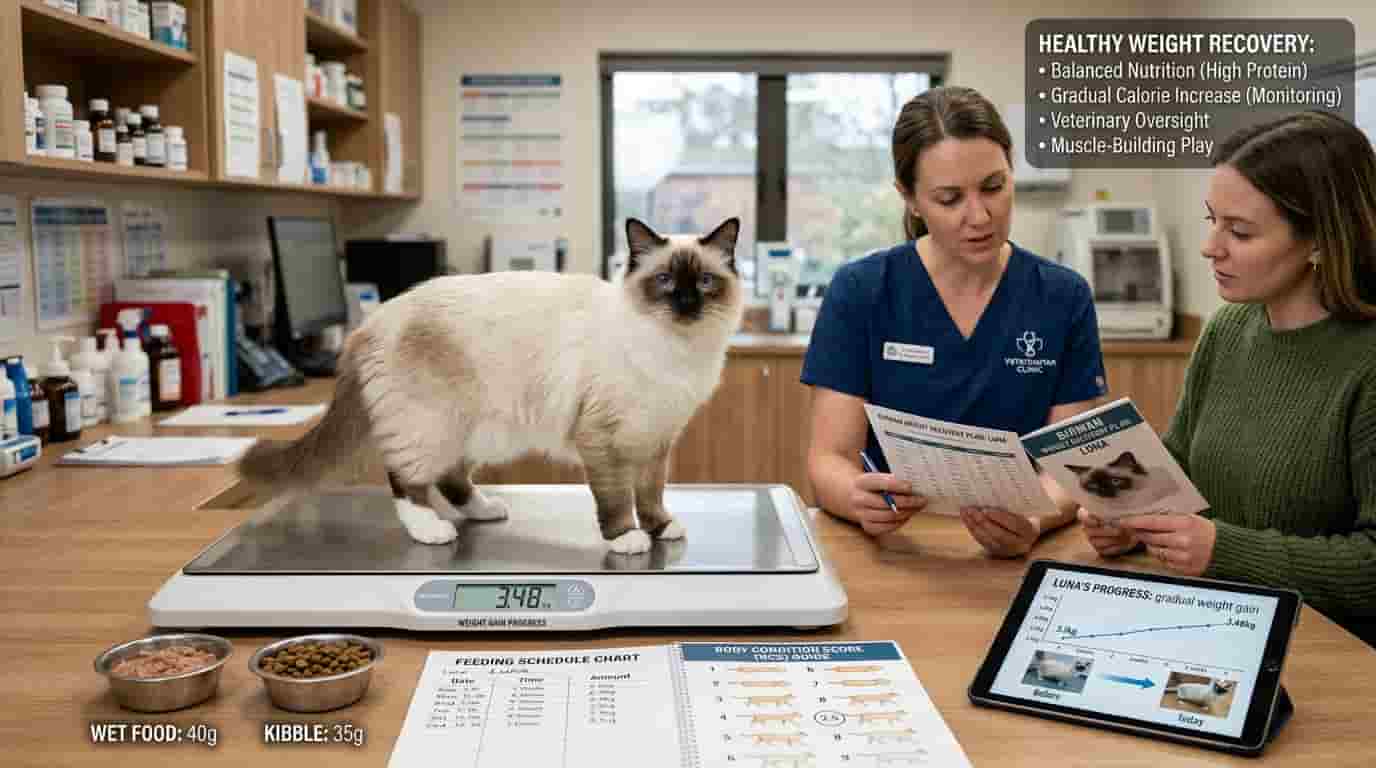
Helping a rescued pet reach a healthy weight requires continuous monitoring, immense patience, and regular adjustments to their routine. You should invest in a digital pet scale to track your companion’s body mass accurately every single week. Write down the numbers in a dedicated journal so you can share clear data with your local veterinarian. A steady, gradual increase of a few ounces per week is the ideal pace for safe recovery.
Follow this weekly progress tracking checklist:
- Weigh your pet on a digital scale at the same time
- Log the numbers in a physical or digital journal
- Feel the ribs to assess current body condition
- Monitor daily energy levels and litter box habits
- Adjust daily portion sizes based on weekly weight shifts
Once your pet reaches their ideal target, you must transition them smoothly toward a long-term feline weight management plan. This shift ensures that your previously thin pet does not swing too far and become an overweight cat later. Maintaining a strict schedule and avoiding excessive table scraps will keep their body condition in perfect balance. Your consistent efforts will ensure your beloved rescue companion enjoys a long, vibrant, and incredibly active life.
Conclusion
In summary, managing cat weight gain for a skinny or rescued pet requires a careful mix of nutrition and love. By offering calorie-dense meals and tracking progress, you can safely guide your companion toward a healthy cat weight. Remember to partner with your veterinarian to rule out underlying medical issues before altering their daily diet plan. Providing a quiet feeding zone and gentle exercise will help your pet rebuild lost muscle mass with total confidence. Ultimately, your patient care will help your favorite feline friend achieve an ideal body condition and blossom completely.
Have you ever rescued a malnourished kitty and helped them regain their strength, health, and energy at home? What specific foods or training tips worked best for encouraging healthy cat weight gain in your household? Please share your wonderful experiences, clever strategies, and stories in the comments section below!
Frequently Asked Questions
You can check their body condition by running your hands gently along their spine and side chest area. If the ribs and hip bones protrude sharply through the fur, your pet is likely underweight. You should visit a veterinarian immediately to get a professional evaluation and an accurate body score.
The safest way involves offering high-calorie kitten wet food or special recovery diets prescribed by your local veterinarian. You should also divide their daily food allowance into several small meals to avoid overloading their stomach. Adding a high-calorie nutritional gel can also boost their daily calorie intake effectively without causing digestive upset.
Yes, internal parasites like roundworms and tapeworms live inside the intestines and steal vital nutrients from your pet’s food. This infestation causes a cat to lose body mass rapidly even if they possess a ravenous appetite all day. Your veterinarian can prescribe a safe deworming medication to clear the infection and start the recovery process.
Rapid weight loss in senior felines often signals common age-related medical issues like kidney disease, diabetes, or hyperthyroidism. These chronic conditions alter how the body processes nutrients and require specialized medical management from a professional doctor. You must schedule a comprehensive veterinary blood test to diagnose the exact cause of the shift.
Your pet has achieved an ideal condition when you can feel their ribs easily without seeing them jutting out. They should also possess a clearly defined waistline when you look down at their back from a standing viewpoint. Once they reach this stage, you must adjust their food portions to maintain that perfect weight long term.