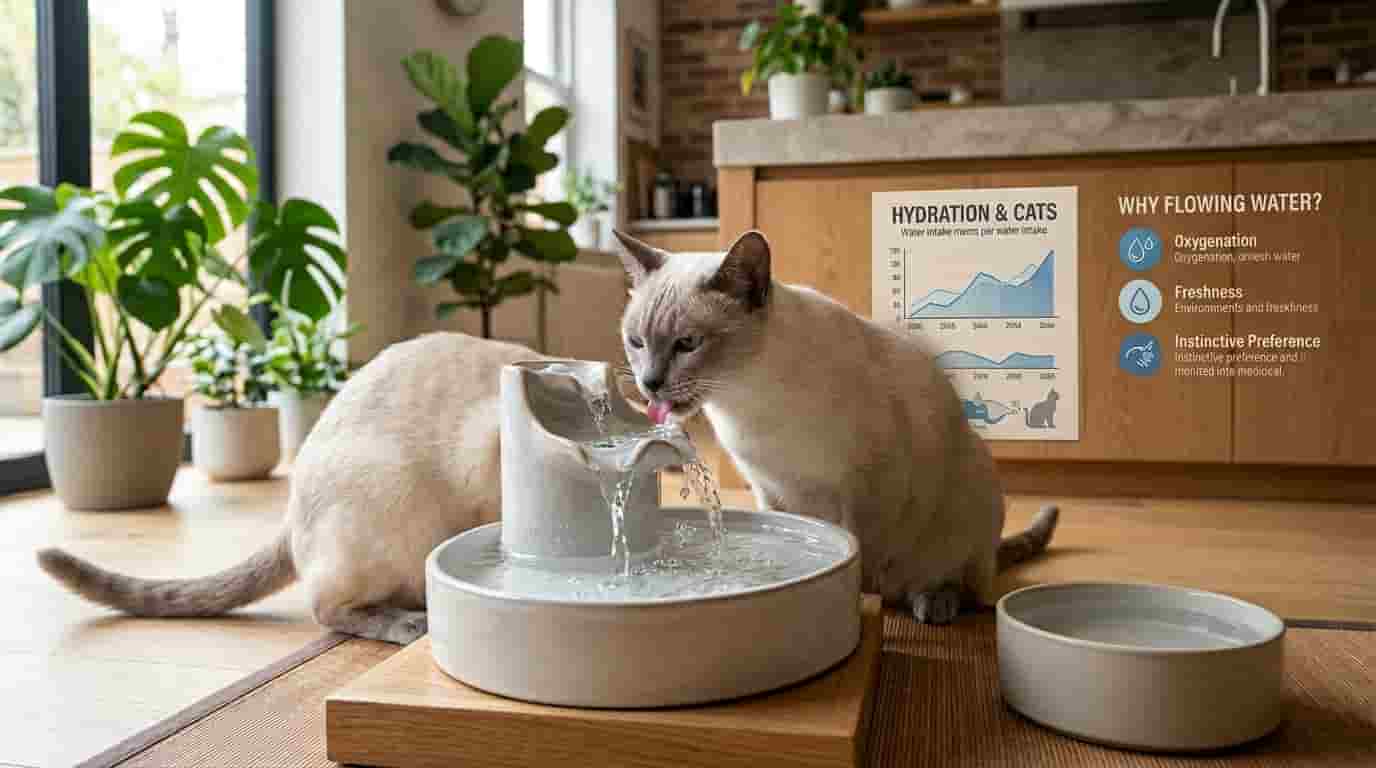
Cat Water Fountains: Why Cats Prefer Running Water Over Bowls
Introduction:
Cat water fountains solve a major hidden health crisis that thousands of dedicated pet parents face every single day. Do you constantly worry because your favourite feline companion ignores their fresh water bowl completely? Many owners feel incredibly frustrated when their pets demand a dripping kitchen faucet instead of drinking from a dish.
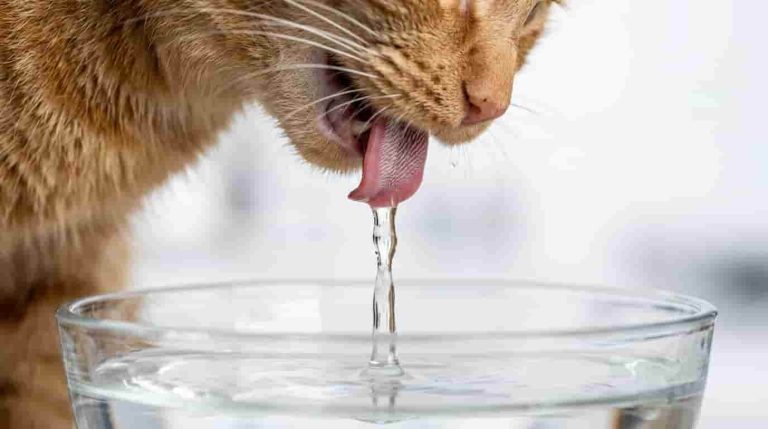
This stubborn behavior happens because domestic felines possess an ancient biological instinct to avoid stagnant pools of fluid. In the wild world, still water often contains dangerous bacteria, harmful parasites, or deadly toxic elements.
Therefore, upgrading to a modern cat water fountain will satisfy your pet’s natural cravings for clean, oxygenated fluid. Let us explore the fascinating reasons behind this feline behavior so you can keep your beloved animal perfectly hydrated.
Many domestic cats live in a state of chronic mild dehydration because they consume a dry kibble diet. This lack of fluid can quickly lead to severe urinary tract infections, painful bladder stones, or kidney failure. However, you can easily protect your animal’s internal organs by understanding their ancestral hydration requirements.
For example, wild felines receive the majority of their daily fluid intake from the raw bodies of small prey. You can learn more about these biological nutritional needs by reviewing Cat Raw Feeding: The pros and cons of a biological diet. Ensuring proper fluid intake helps prevent these dangerous medical issues from destroying your pet’s health.
Why Felines Avoid Traditional Ceramic Dishes
Felines possess incredibly sensitive whiskers that help them navigate their surroundings and detect subtle changes in air currents. When a cat dips its head into a deep plastic dish, its whiskers rub tightly against the edges. This constant friction causes a stressful neurological phenomenon that veterinary behaviorists call whisker fatigue. As a result, your pet might play with the water using their paws instead of drinking it comfortably. Switching to top cat water fountains eliminates this physical stress entirely because the fluid bubbles up on a wide surface.
Here are the most common signs of feline whisker fatigue:
- Meowing loudly before touching the water bowl
- Pawing at the fluid surface to create ripples
- Tipping the entire water dish onto the floor
- Refusing to drink until the bowl is full
Additionally, felines struggle to see the static surface of still fluid inside a dark room or kitchen corner. They rely heavily on their sharp senses of hearing and motion detection to locate a reliable water source. Therefore, the bubbling sound of an indoor cat fountain guides your pet to their refreshing drink with ease. The moving water catches light beautifully, which instantly triggers your kitty’s natural curiosity and predatory hunting instincts. This visual stimulation encourages them to consume more fluid throughout the busy morning and evening hours.
Furthermore, keeping your pet hydrated is extremely important if you are trying to help a frail animal recover. If you are caring for an underweight stray, proper hydration ensures their internal metabolism functions at peak performance. You can discover the best recovery tips by reading Cat Weight Gain: How to bulk up a skinny or rescued cat. Providing a flowing stream makes the recovery process much smoother and safer for your rescued companion.
The Evolution of Feline Hydration Instincts
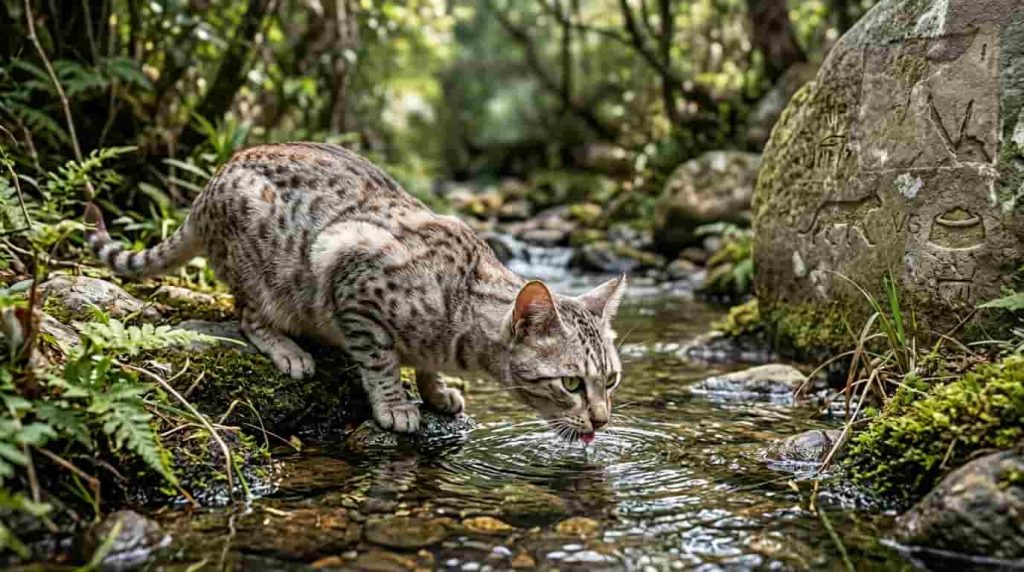
Our modern domestic housecats evolved from desert-dwelling ancestors that rarely encountered massive lakes or slow-moving rivers. These desert felines relied on fresh, flowing springs whenever they needed to supplement their regular meat diet. Therefore, your sweet kitty views a still bowl as a breeding ground for dangerous slime and stagnant mold. They prefer an automatic cat water dispenser because the continuous motion prevents slimy biofilm layers from forming.
When you install a top-rated cat water fountain, you mimic the natural movement of a clean wilderness spring. This flowing motion keeps the temperature of the fluid significantly cooler than standard room temperature water. Felines love chilled fluid because it tastes much fresher and cleaner to their highly refined palates. Consequently, an affordable cat water fountain is a simple investment that provides massive psychological comfort to your pet.
The Amazing Health Benefits of Cat Water Fountains
Investing in the best cat water fountains provides incredible long-term health benefits for your favorite feline companion. According to medical specialists at PetMD, increasing daily fluid intake is the most effective way to prevent feline lower urinary tract diseases. When a cat drinks more fluid, their kidneys flush out dangerous mineral deposits before stones can form. Therefore, a high-quality pet water fountain serves as a vital medical shield against painful and costly urinary blockages.
Take a look at these major medical benefits of flowing water:
- Lowers the risk of painful kidney stone formation
- Flushes out microscopic bacteria from the bladder
- Alleviates chronic constipation in senior felines
- Promotes beautiful, shiny fur and supple skin
Additionally, a cat water fountain with filter removes foul odors, stray hairs, and floating dust particles continuously. The activated carbon filters capture nasty tastes that might otherwise discourage your sensitive pet from drinking their fills. This continuous purification process ensures that every single sip of fluid remains crisp, clean, and completely refreshing. As a result, your housecat will visit their flowing station much more frequently throughout the day.
If you want to boost hydration even further, you should consider altering your pet’s daily meal structure. Mixing crunchy kibble with moist canned food is an excellent way to introduce extra fluid into their system. You can explore these nutritional advantages by reading Cat Wet Food: The benefits of high moisture diets. Combining flowing water with moist meals provides the ultimate defense against chronic dehydration.
Selecting the Perfect Material for Your Fountain
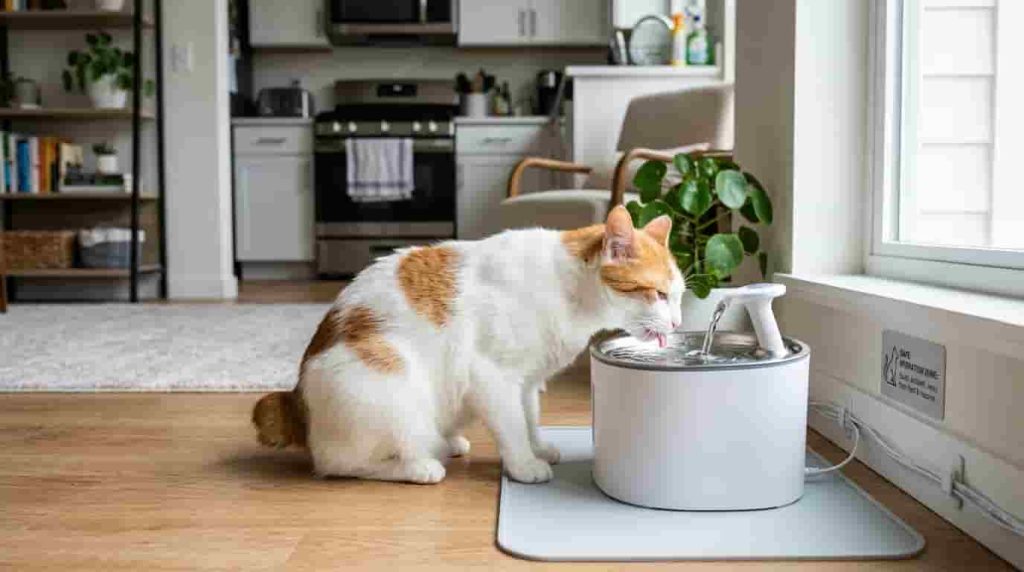
When you prepare to buy cat water fountain models, you must choose the right construction material for safety. Many cheap plastic options develop microscopic scratches over time as you clean them with harsh sponges. These tiny grooves trap harmful bacteria and greasy feline facial oils that cause a condition called feline acne. Therefore, experts highly recommend choosing a ceramic cat water fountain or a stainless steel cat fountain instead.
A stainless steel cat water fountain is incredibly durable, exceptionally easy to sanitize, and completely dishwasher safe. Additionally, a beautiful ceramic cat fountain adds a lovely touch of modern style to your living room decor. Both materials resist bacterial growth perfectly, ensuring your pet’s drinking zone remains completely sanitary and safe. Reviewing a detailed cat water fountain comparison will help you select the ideal model for your budget.
Real Life Success With Pet Drinking Fountains
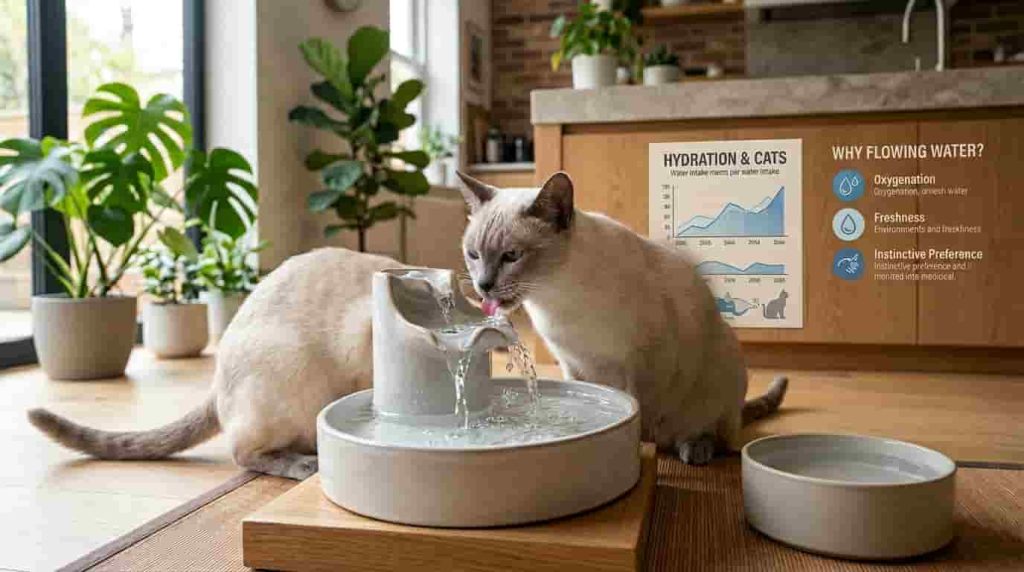
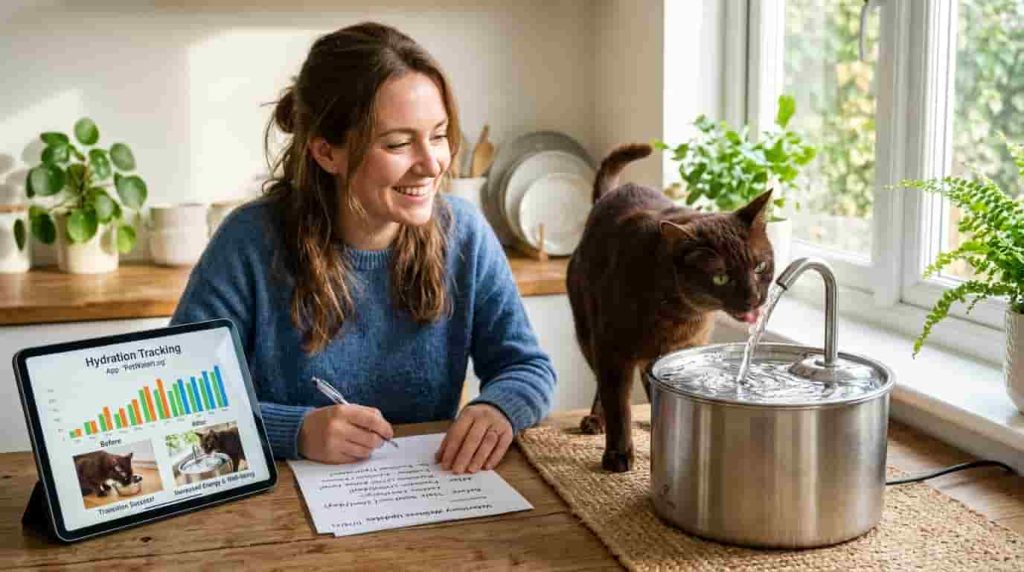
Let us look at a real-life situation that many frustrated cat parents can easily relate to today. A dedicated pet owner named Sarah recently noticed that her adult tabby cat, Milo, was visiting the litter box constantly. Milo was straining painfully, crying softly, and producing only tiny drops of urine during the afternoon hours. Sarah rushed Milo to an emergency veterinary clinic, where the doctor diagnosed him with early-stage bladder crystals. The veterinarian explained that Milo was severely dehydrated because he refused to drink from his standard plastic bowl.
Here is Milo’s hydration makeover profile:
- Initial Problem: Straining in the litter box due to crystals
- Behavioral Flaw: Refusing to touch a stagnant plastic dish
- Simple Solution: Installed a stainless steel cat fountain
- Final Result: Doubled fluid intake and eliminated crystals
The medical team recommended that Sarah immediately invest in an automatic water dispensers for cats to stimulate hydration. Sarah searched through several cat water fountain reviews and chose a quiet, multi-tier stainless steel model. The moment she plugged the device into the kitchen wall, Milo trotted over to investigate the bubbling stream. He began drinking happily for two full minutes, completely fascinated by the smooth, cascading waterfall currents. Today, Milo is fully recovered, highly energetic, and his recurring bladder crystals have vanished entirely.
Keeping Your Hydration Station Away From Kitchen Dangers
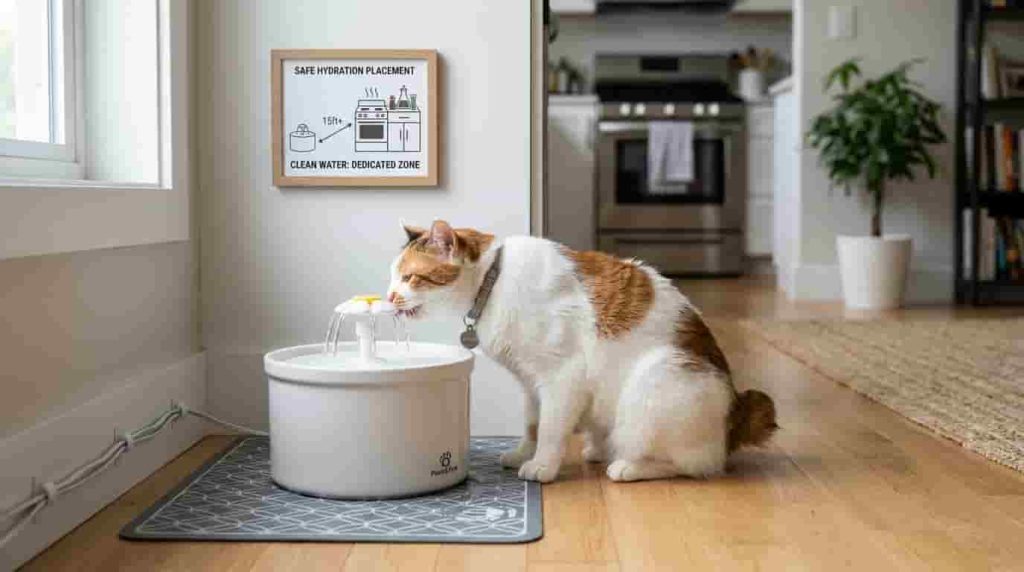
As you establish a new drinking area for your pet, you must remain mindful of kitchen geography. Felines possess an incredibly sharp sense of smell that links their food and water stations to survival security. In the wild, animals never drink near a carcass because decomposing meat pollutes the nearby water supply. Therefore, you should place your new pet drinking fountains several feet away from their primary food dishes.
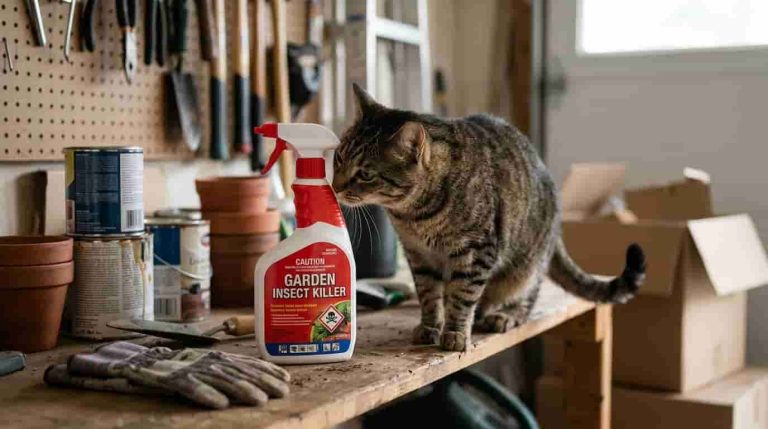
Additionally, ensure the fountain sits far away from areas where you prepare human meals or store ingredients. Many common items found on your kitchen counters can cause sudden, fatal poisoning if they drop into the water. You can learn exactly what products to avoid by reading Cat Toxic Foods: Things in your kitchen that can kill your pet. Keeping your pet’s flowing station isolated from these kitchen hazards ensures their long-term safety.
Easy Maintenance Tips for Best Water Fountains for Cats
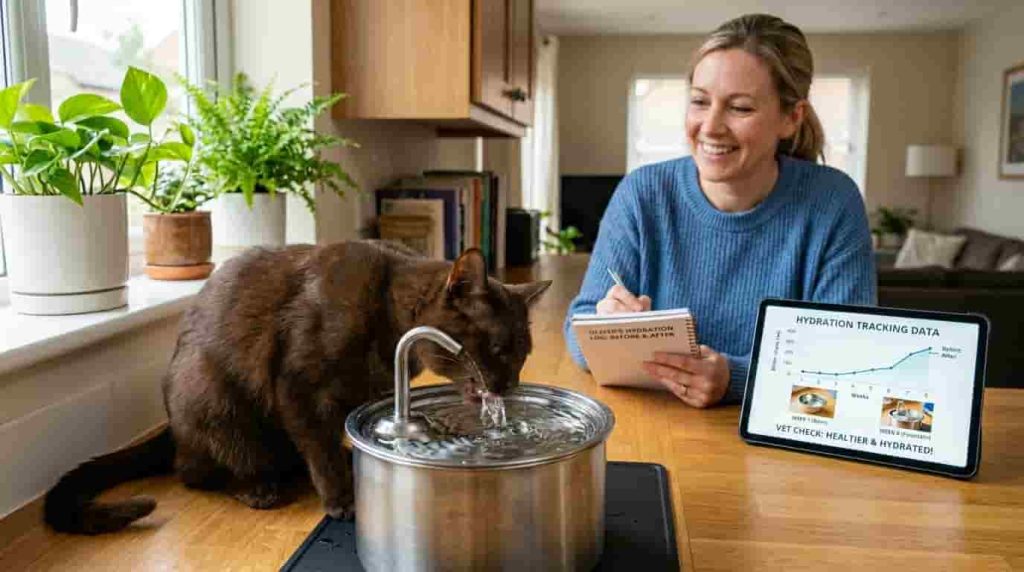
To keep your new cat drinking fountain functioning perfectly, you must establish a regular weekly cleaning routine. Unplug the automatic unit completely before taking the motor and water reservoir to your kitchen sink for washing. Use warm fluid, mild dish soap, and a soft brush to remove any slimy buildup from the internal walls. Rinse every piece thoroughly with clean water to ensure no soapy residue remains behind to taint the taste.
Follow this weekly maintenance checklist:
- Unplug the fountain safely from the wall outlet
- Disassemble the plastic or stainless steel pieces
- Scrub the internal motor pump with a small brush
- Flush the charcoal filter with cold running fluid
- Refill the reservoir completely with fresh tap water
Furthermore, you should change the internal charcoal filters every two to four weeks depending on household use. If you own multiple pets, the filter will trap hair and saliva much faster than in a single-cat home. Regular filter replacement keeps the fluid tasting excellent, which ensures your pet never loses interest in their station. Taking proper care of your device guarantees it will provide clean water for many wonderful years to come.
Conclusion
In conclusion, installing cat water fountains is a fantastic way to support your pet’s health and natural survival instincts. By providing a continuous stream of moving fluid, you easily encourage your kitty to maintain excellent daily hydration levels. Remember to choose high-quality materials like stainless steel or ceramic to prevent bacterial growth and painful feline acne. Placing the device in a quiet location will give your pet the confidence to drink without fear. Ultimately, adding a cat water fountain to your home ensures your favorite feline companion enjoys a vibrant, healthy life.
Has your favorite furry friend ever tried to drink from a running sink faucet or a soapy bathtub? What specific models or styles of cat water fountains do your pets prefer using in your home? Please share your wonderful experiences, helpful cleaning tips, and stories in the comments section below!
Frequently Asked Questions
Cats prefer running water because their ancient survival instincts tell them that moving fluid is fresh and safe. Stagnant water in a traditional bowl can easily harbor dangerous bacteria, mold, or harmful parasites in the wild. Moving fluid also emits a distinct bubbling sound that helps felines locate the source easily.
You should clean the entire fountain thoroughly with warm water and mild dish soap once every week. This regular washing prevents the growth of slimy biofilm layers and keeps the internal pump working smoothly. You must also replace the charcoal filters every two to four weeks to maintain a fresh taste.
Yes, a fountain made of cheap plastic can develop tiny scratches that trap bacteria and facial oils. When your pet’s chin touches these scratched surfaces, it can trigger a painful breakout of feline acne. To prevent this issue, you should always choose a stainless steel or ceramic model.
Yes, modern pet fountains are specifically designed to run continuously all day and night with minimal electricity use. However, you must monitor the fluid level regularly to ensure the internal pump never runs completely dry. Operating the motor without enough fluid can cause it to overheat and break down permanently.
You can encourage a timid cat by placing the new fountain in a quiet, low-traffic area of your home. Leave your pet’s old water bowl next to the new device for a few days during the transition. You can also try adjusting the flow settings to a gentler bubble until your pet feels completely comfortable.