
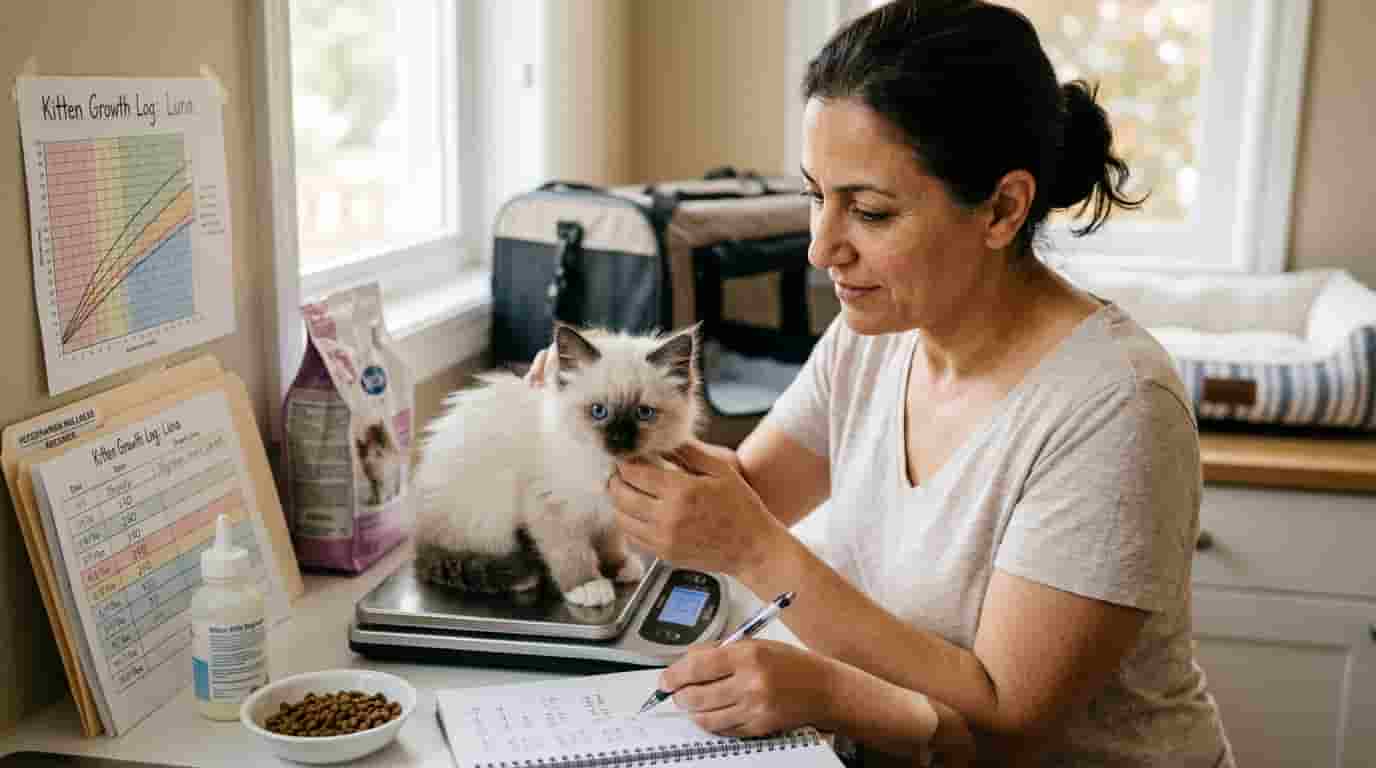
Cat Kitten Weight: How to tell if your baby cat is growing right.
Introduction:
Cat kitten weight monitoring is a common worry for new pet parents. You might look at your tiny furball and wonder if they are growing fast enough. This guide will show you exactly how to track their growth step by step.
Every new pet owner faces the challenge of tracking early feline development. You want to ensure your pet gets the best start in life. Therefore, understanding your cat kitten weight helps you spot health issues before they become serious problems.
Healthy growth requires the right environment and proper nutrition. For example, a nursing mother needs specialized care to feed her litter. You can learn about Nutritional needs for a mother with kittens to support early growth.
Why Cat Kitten Weight Matters for Your Pet’s Future

Your cat kitten weight serves as a vital sign for their overall health status. Kittens grow at an amazing speed during their first few weeks of life. For this reason, a sudden drop in weight can signal a medical emergency.
Veterinarians use early growth metrics to check for underlying genetic issues or infections. According to the Cornell University College of Veterinary Medicine, steady weight gain is the single most important indicator of kitten health. You must watch these numbers closely to keep your pet safe.
If you rescue a stray baby, you face unique care challenges. You should read about How to bottle feed a baby with no mother to help an orphaned pet thrive. This knowledge ensures you provide the right care from day one.
Tracking Your Healthy Kitten Weight Week by Week
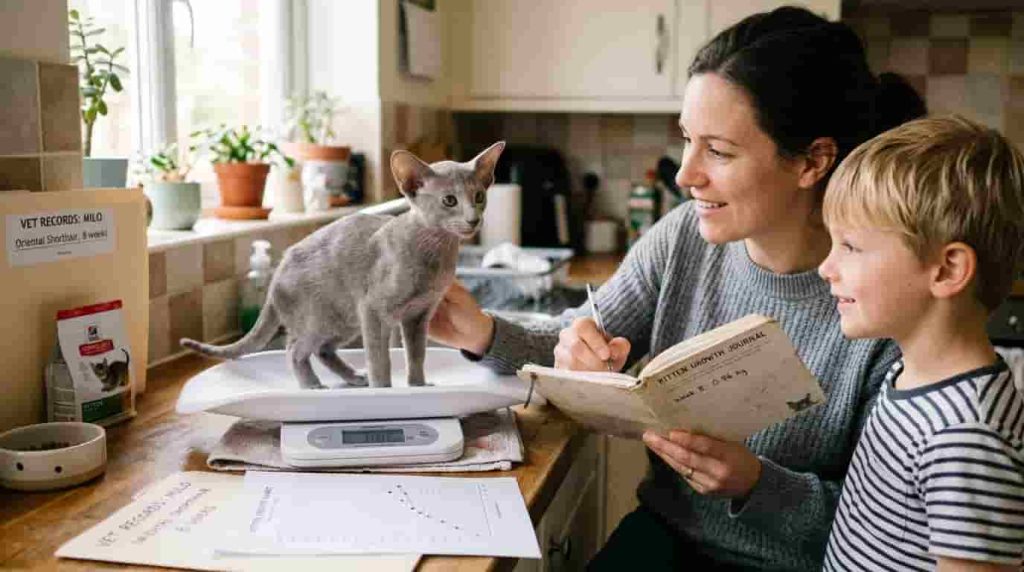
You can use a digital kitchen scale to track healthy kitten weight easily. Newborn kittens usually weigh around three to four ounces at birth. After the first week, they should gain about half an ounce every single day.
By the fourth week, an ideal kitten weight sits around one pound. Your pet will become much more active at this stage of development. They will start exploring their environment and testing their physical limits.
You can keep a simple logbook next to your scale for daily updates. Write down the numbers at the same time every morning. This habit helps you notice any sudden changes in their growth pattern immediately.
Mastering Feline Development and Cat Weight Management
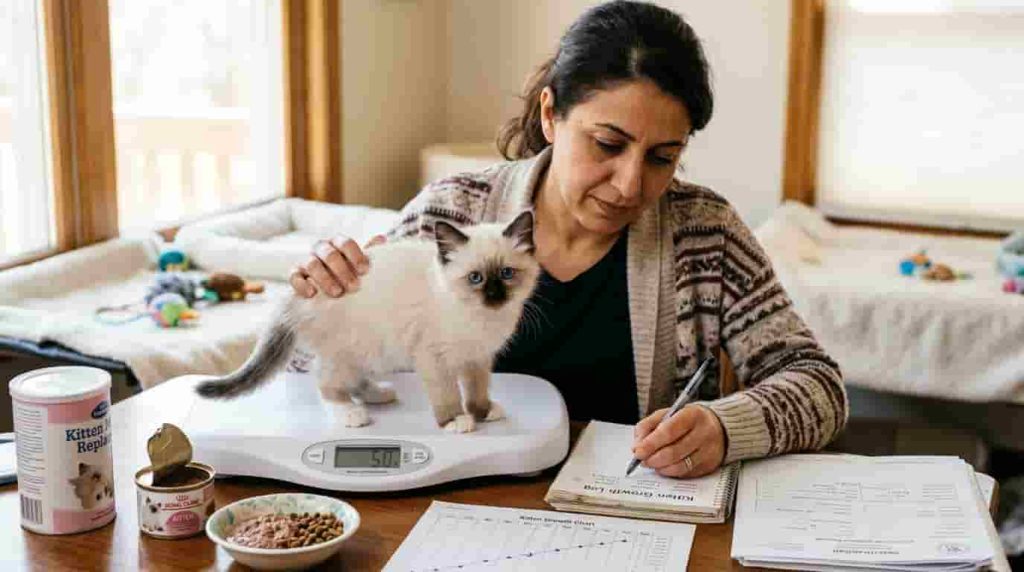
Early growth transitions quickly into long term cat weight management as your pet ages. You must adjust their food portions as their growth rate starts to slow down. Active kittens burn energy fast, but older cats can gain fat easily.
You should establish good feeding habits during the first six months of life. Avoid leaving food out all day because this leads to overeating. Instead, offer measured meals to maintain an ideal kitten weight range through adulthood.
Proper bathroom placement also reduces stress and promotes active movement. You can discover Where to put the litter tray for maximum peace to create a calm home. A happy cat is much more likely to stay active and healthy.
Spotting the Signs of an Underweight Kitten
An underweight kitten often feels bony when you gently touch their spine or ribs. You might also notice that they lack the usual energy of a young animal. They may sit alone in a corner instead of playing with their toys.
Poor nutrient absorption or parasites can cause unexpected kitten weight loss in growing pets. You must contact your veterinarian immediately if your pet loses weight two days in a row. Quick medical action can save a young animal’s life.
You can try warming their wet food slightly to encourage a weak pet to eat. Warm food smells stronger and stimulates their natural appetite. Additionally, ensure they stay warm because cold kittens cannot digest their food properly.
Essential Kitten Weight Tracking Tips for Pet Parents
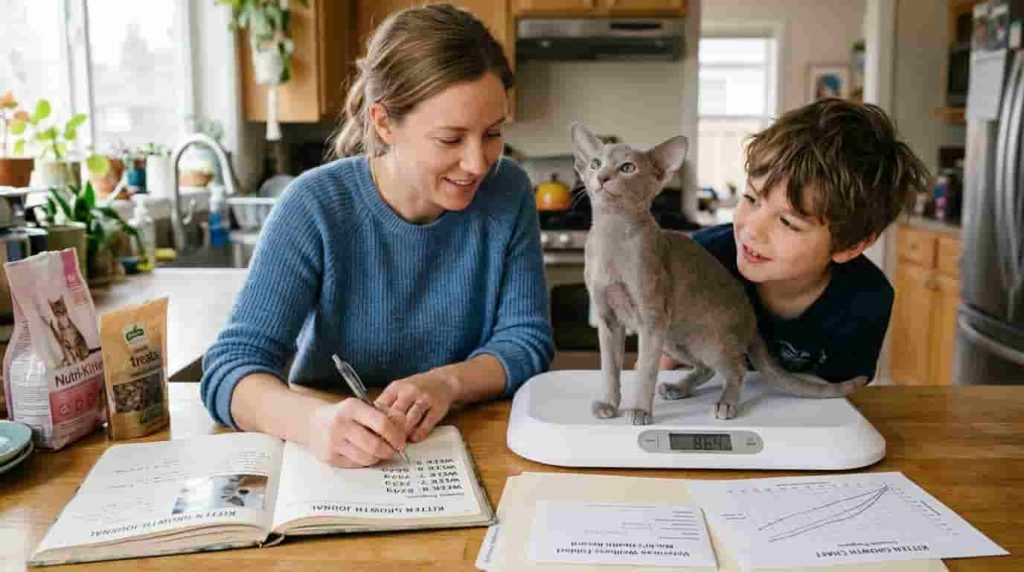
Successful kitten weight monitoring requires the right tools and a quiet environment. Place your scale on a flat, hard surface like a table or counter. Do not weigh your pet on a rug because it alters the reading.
You can place a small plastic bowl on the scale to hold the squirming pet. Remember to press the tare button to subtract the weight of the bowl first. Then, gently place your pet inside the container for a quick and accurate measurement.
Weighing your pet weekly becomes sufficient after they reach twelve weeks of age. This routine helps you practice consistent healthy cat weight management as they mature. You will easily notice if your pet starts to drift away from their target size.
Managing the Risks of an Overweight Kitten
An overweight kitten faces serious health risks like joint stress and early diabetes. Obesity can begin during childhood if you feed too many high calorie treats. You must balance their caloric intake with plenty of daily exercise.
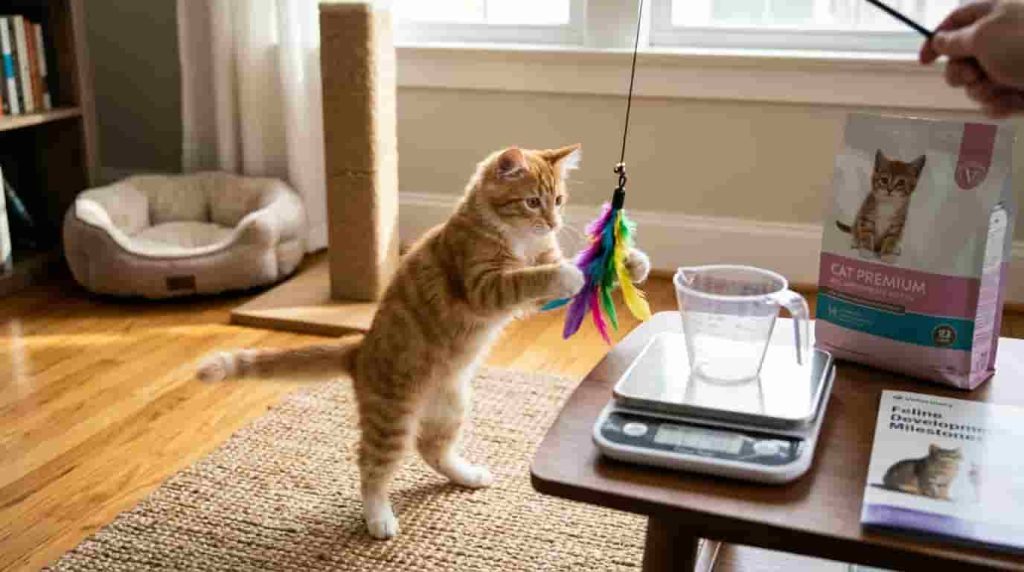
Interactive toys can help an overweight cat burn extra calories through fun play sessions. Use laser pointers or feather wands to get your pet moving around the living room. Regular exercise builds strong muscles and keeps their heart healthy.
You should consult a vet before reducing your growing pet’s food portion drastically. Young animals still need vital nutrients to develop their bones and internal organs. Your vet will create a safe plan for kitten weight management without halting their development.
Expert Recommendations for Maintaining Cat’s Healthy Weight

Experts from PetMD emphasize the importance of cat weight control for a long lifespan. They recommend body condition scoring alongside regular scale measurements. You should look for a visible waistline when viewing your pet from above.
You can use specific cat weight monitoring techniques to evaluate their physical shape. Gently run your hands over their side to feel for a thin layer of fat over the ribs. You should feel the ribs easily without pressing hard into the tissue.
Consistency is the ultimate secret to maintaining cat’s healthy weight over many years. Feed high quality protein and limit carbohydrate heavy treats. These simple steps ensure your beloved companion stays lean, agile, and full of youthful energy.
Conclusion
Monitoring cat kitten weight ensures your new best friend grows into a strong adult. You can catch health problems early by tracking their growth every week on a scale. Remember to use body condition scores alongside the numbers to evaluate their body shape.
Your dedication to maintaining cat weight now will pay off for years to come. Healthy habits prevent obesity and protect their joints as they grow older. Consistent care creates a happy home for your feline family member.
What is your current cat kitten weight experience with your young pet? Do you use a digital scale or track their shape by sight? Please share your stories and tips in the comments section below!
Frequently Asked Questions
You should weigh newborn kittens every day during their first four weeks of life. Switch to weekly weighings once they reach one month of age. This routine helps you catch any growth delays early.
You must contact your veterinarian immediately if your pet stops growing for forty eight hours. Stationary weight often indicates an underlying illness or parasite infection. Quick medical care prevents further health decline.
Yes, overfeeding high calorie commercial treats can cause rapid weight gain in young cats. You should stick to measured meals of balanced kitten food. Regular exercise through active play also prevents excess fat.
You can feel their ribs and spine very prominently under their fur coat. Their waist will look extremely hollow when you view them from above. Consult your vet to rule out medical issues causing weight loss.
Most cats weigh around six pounds at six months of age. However, larger breeds like Maine Coons will weigh significantly more. Your vet can provide a specific target based on your pet’s breed.